
On September 26, the 2026 Guiyang Coffee Expo came to a close. The exhibition brought together numerous coffee brands from several Chinese cities as well as Singapore, Laos, Vietnam, Uganda and other countries and regions, and the vast majority of out-of-town exhibitors were visiting Guiyang for the first time. Many visitors shared the same question: Guizhou does not grow coffee beans at scale, so why have cafés sprung up all over Guiyang, which has grown into a coffee city of considerable influence in southwest China? At the exhibition site, our reporter held in-depth conversations with overseas traders and Yunnan coffee practitioners to uncover the city’s coffee code.
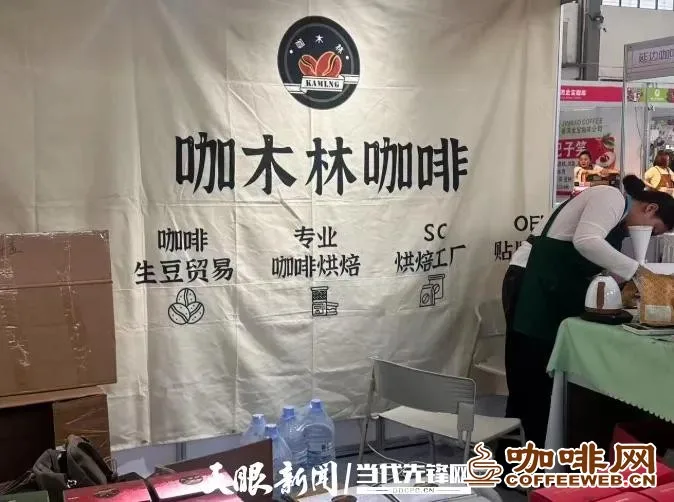
Expo booths
Martin, from Uganda, has long run coffee shops in Beijing, and this was his first time exhibiting in Guiyang. Amid the bustle at his booth, he shared his first impressions with our reporter.
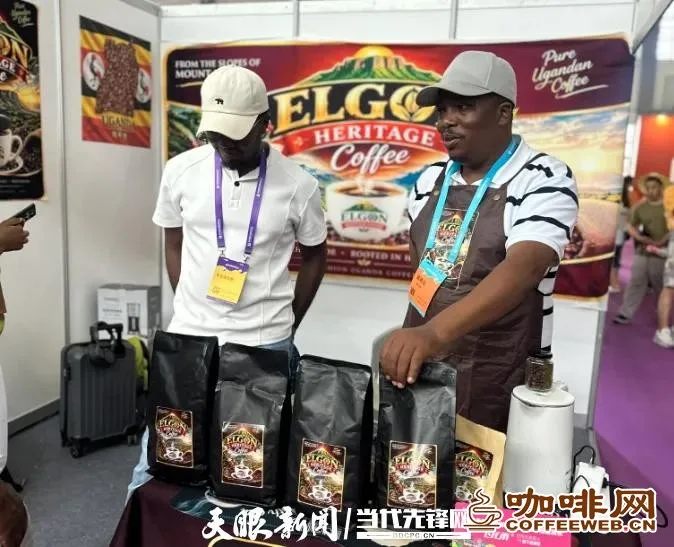
The Uganda coffee booth
“I had heard before that Guiyang’s coffee market is very active, and having come here in person, my impression is even better than I expected,” Martin said. “This city is full of energy; walk down any street and you can find a café. Guiyang residents are willing to actively try coffees of different flavours from around the world. That enthusiasm for coffee is truly rare.”
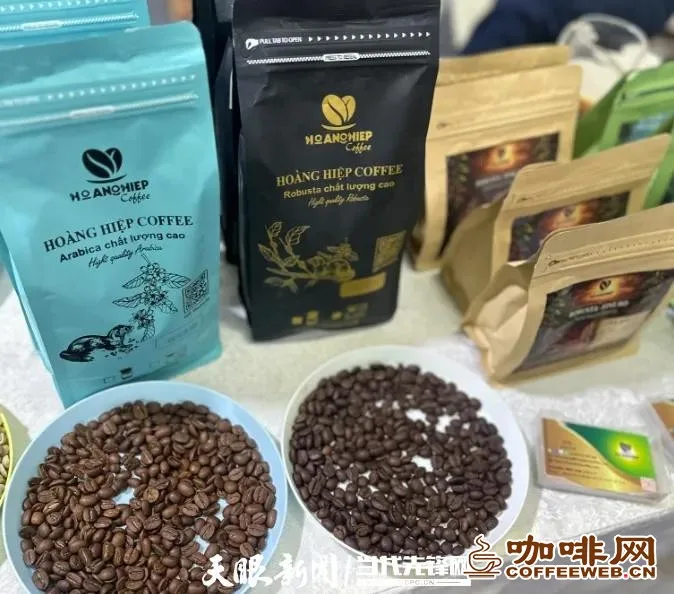
Ugandan beans
An owner who has worked in Yunnan’s coffee industry for many years offered his own view: “Many people hold a fixed assumption that a great coffee city must produce coffee beans locally. But whether a city’s coffee culture can flourish has never been determined by origin — what matters is the consumption atmosphere and the city’s inclusiveness.” He explained further that Guiyang people love coffee and readily embrace flavours from around the world, and that this open, inclusive urban temperament is the best soil for coffee culture to grow in.
During interviews at the exhibition, our reporter found that Guiyang’s local coffee enthusiasts also have distinctly different taste preferences. A Yunnan barista explained that local enthusiasts in Guiyang mostly prefer full-bodied coffee with bitterness, while consumers in Yunnan favour light-roasted beans to preserve as much of the bean’s natural fruit acidity and original flavour as possible. Differences in regional dietary habits have created two very different coffee aesthetics.
Coffee brands from many places are willing to travel to Guiyang to exhibit precisely because they see this vigorous consumer vitality. Lao iced coffee, Vietnamese drip coffee and Singaporean specialty pour-over coffee gathered under one roof, with coffee flavours from different regions colliding on the same stage. Out-of-town exhibitors told our reporter that they had initially worried about limited acceptance in the southwest market, but after several days of the exhibition, Guiyang visitors’ willingness to taste and to talk left them pleasantly surprised.
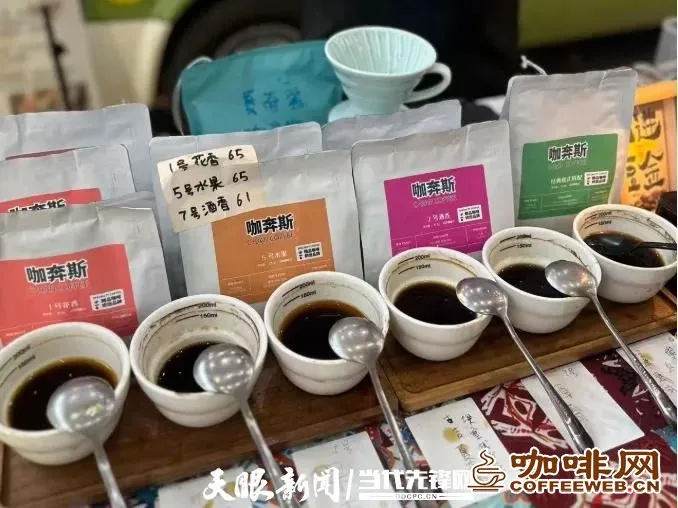
A Guangdong coffee brand
From independent cafés growing across the city’s streets and alleys to the successful staging of a large-scale coffee expo, Guiyang has relied on strong consumer momentum to step outside the fixed framework that “only bean-producing regions can develop a coffee industry.”
Behind a cup of coffee lies a city’s open and inclusive character. It does not produce coffee beans, yet it gathers coffee flavours from around the world; it has no local industrial foundation, yet it has cultivated a rich coffee lifestyle culture. With its vigorous consumer enthusiasm, Guiyang has built a platform for coffee cultural exchange, bringing coffee practitioners from far and wide together here and weaving coffee’s everyday warmth into the city’s daily life.
Tianyan News reporter Gao Xin
Editor Wang Xiaoting
Second review Yang Tao
Final review Min Jie
Reprint Notice & Disclaimer
- This article has been edited and compiled by China Coffee Network. The information and images therein come from public sources and the copyright belongs to the original author. This reprint is intended solely for information sharing within the coffee industry and does not represent the views of this website; all data and opinions are subject to the original article. Our thanks to the original author for creating and sharing it.
- For matters concerning content licensing, attribution, copyright or otherwise, please contact us promptly and we will verify and cooperate in handling them as soon as possible. We also welcome coffee origins, brands and industry media to exchange ideas and contribute articles.
- Contact China Coffee Network: Tel 400-0000-641 (+86-18288016826) | Email 405854472@qq.com | Address: Jinghong, Xishuangbanna, Yunnan Province / Tieling, Liaoning Province
Related Reading
- Bean in Short Supply: A Taiwan Youth on Yunnan Coffee as a Shared Cross-Strait Stage
- Five Years, Eight Championships: Lincang Coffee Joins the World Stage
 Haikou ‘Union Cup’ Barista Skills Competition Kicks Off to Empower the Service Sector
 Yunnan Specialty Coffee Beans Deliver an ‘Excellent’ Report: Path to Value Leap
- Cross-Strait Tides Rise: A Taiwan Youth Farms Coffee in Yunnan, a Cup Bridging Both Sides
 2026 2nd Yunnan Treasure Coffee Green Bean Competition (Cup of Excellence Pilot) Concludes



 Liaoning ICP Security No. 21122402000217