
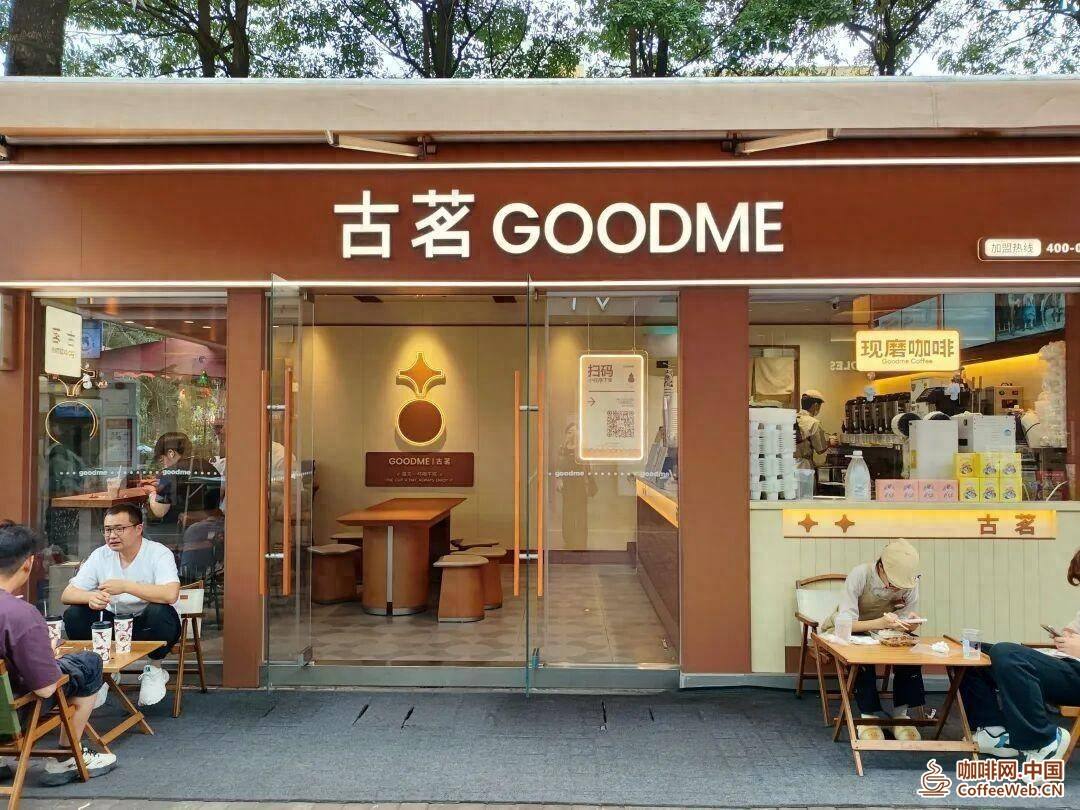
In the fiercely competitive new tea drinking industry, Gu Ming has delivered an impressive performance report with an annual revenue of 12.9 billion yuan and a market value ranking second in the industry.
However, upon closer inspection of its business landscape, a surprising phenomenon can be found: as a top brand in the country, it has almost no stores in the two major first tier cities of Shanghai and Beijing.
Article with Figure-1
Many people are puzzled, how can we achieve second place in the industry without entering first tier cities?
In fact, this is precisely its brilliance.
To determine whether a chain enterprise can cross over into coffee production, it is not just about the skill of blending formulas, but also about whether there is a strong supply chain support behind it.
Deeply cultivate the sinking market
Comparing opening a chain store to farming, while peers blindly enclose land all over the world, Gu Ming chooses to plant rice seedlings crazily in one piece of land until the density is too dense to breathe.
Guming has strict rules for expanding its stores internally. If a province cannot open 500 stores, it is not considered to have formed a critical scale, and it will not easily enter without meeting this standard.
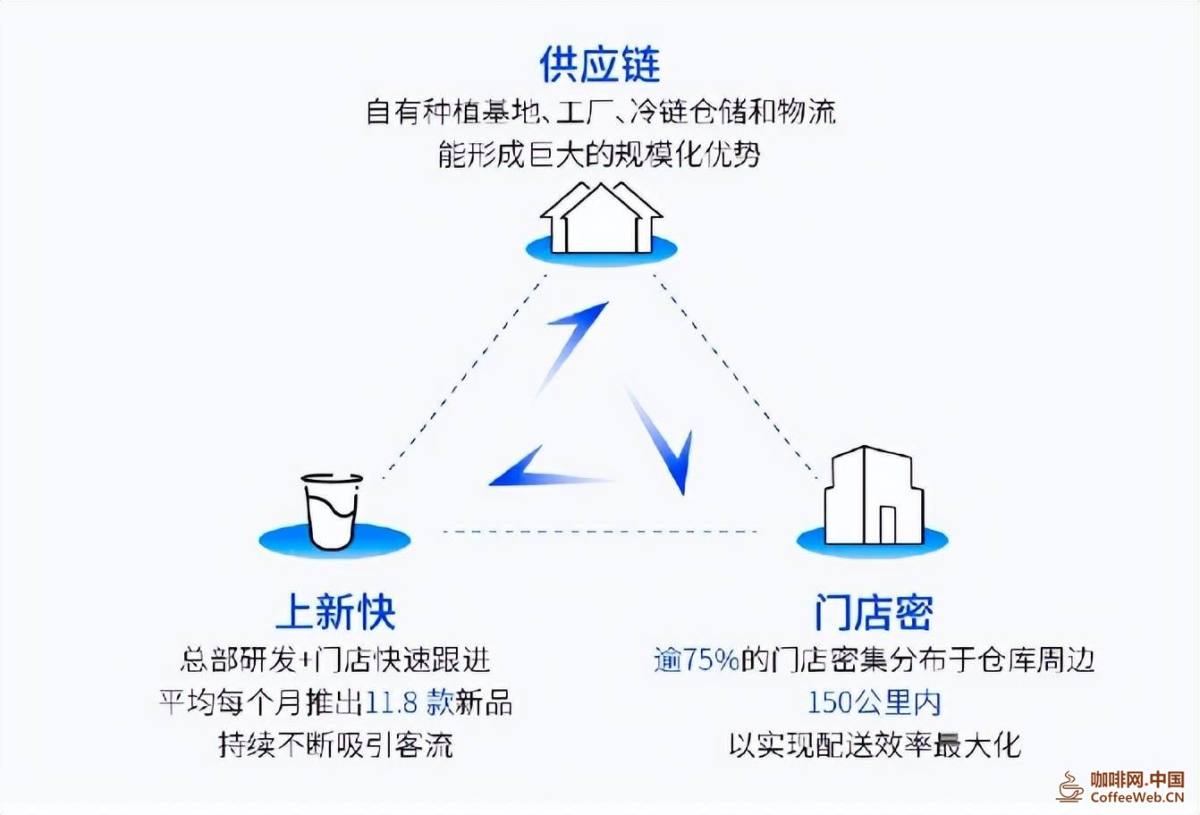
This strategy of stubbornly guarding the density of the area is based on economies of scale.
The real threshold for the tea beverage industry lies not in the formula, but in the warehouse and cold chain.
The shelf life of fresh milk and fruit is calculated in days, and they cannot be moved or stored, making it extremely difficult to ensure the stability of product production.
Article with Figure-1
Guming has established 24 warehouses nationwide, and approximately 98% of its stores are able to achieve cold chain delivery every two days.
The stores are opened densely enough, and cold chain logistics vehicles can deliver goods to multiple stores with just one trip. High density can afford cold chain logistics, and cold chain distribution can ensure stable delivery of fresh milk sources.
Reuse cold chain infrastructure
The most important ingredients for coffee are beans and milk.
Nowadays, Guming's cross-border coffee business is not blindly crossing boundaries, but rather reusing the cold chain supply chain advantages of originally making milk tea into the coffee business.
This set of standards is not specifically designed for coffee, but rather for the infrastructure that needs to be improved to make milk tea.
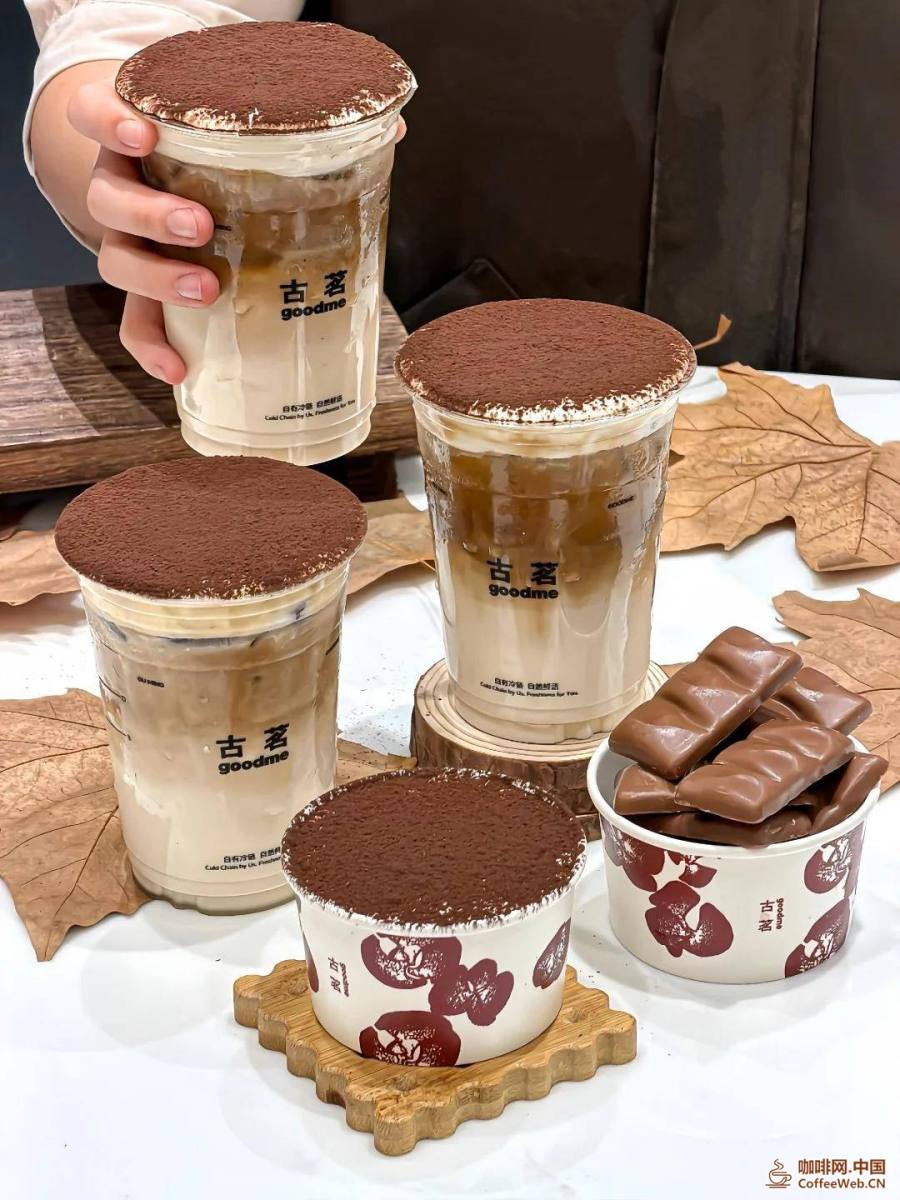
Guming uses standard low-temperature cold chain fresh milk, which is transported through the cold chain and stored at low temperatures in stores, maximizing the retention of nutrients and avoiding the special odor produced by high-temperature sterilization of room temperature milk. The milk has a strong flavor and delicate foam.
Article with Figure-1
In terms of coffee bean selection, Guming uses 100% Arabica coffee beans that have won the gold medal in the International Coffee Tasting Competition. Through multi origin blending, it highlights the nutty and caramel flavors, and achieves fresh roasting within 30 days to preserve the aromatic substances more completely.
It is precisely because the infrastructure and cold chain are all readily available that only one coffee machine is left, and the difference in structural cost allows Guming to launch low-priced coffee for 9.9 yuan.
Classic models are responsible for daily repeat purchases, while innovative models are responsible for freshness. This combination of ingredients and pricing reveals a commercial essence: how much a cup of coffee sells is never determined by the raw materials, but by the thickness of the supply chain behind it.