

If in the past, when it comes to Xinjiang beverages, people's minds were only filled with large plates of chicken paired with chilled Da Wusu, or salty and hot brick tea milk tea, then in the past two years, Xinjiang has simply thrown coffee beans into the "spice universe" and re refined them.
The baristas in Xinjiang seem to have reached a consensus: since we produce everything here – top-notch fruits, strong dairy products, and even hot sand in the desert – why can't we touch them with coffee? So, a taste revolution called 'Xinjiang specialty coffee' exploded unexpectedly and naturally.
1. naan coffee: Drinking it doesn't make you useless, and you can still eat the cup
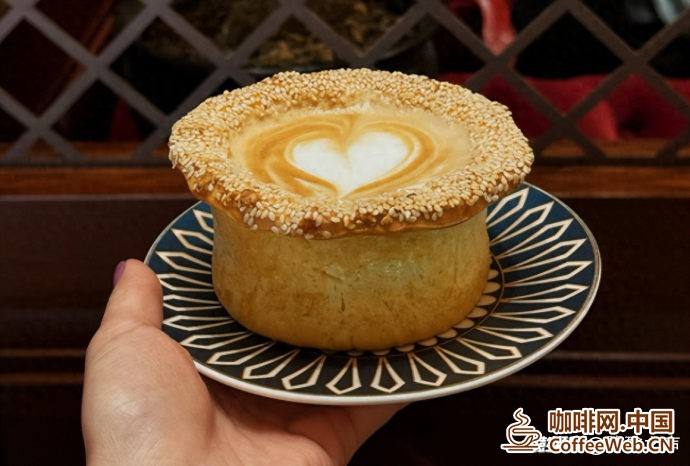
First, let's talk about the top stream – naan coffee. This thing has a very catchy nickname on social media: "Wonang Coffee" (drinking it doesn't make you useless).
Its gameplay is very hardcore and practical: the barista will use a freshly baked mini naan (usually in the shape of a naan cup, with anti-seepage treatment) to replace the coffee cup. First pour in the hot Italian espresso, then pull a delicate milk froth.
You can use a straw to suck or a spoon to scoop, but the most amazing thing is to finish the coffee and eat the naan cup that has been filled with coffee juice, milk aroma, and wheat aroma directly. The crispy outer skin, soft and chewy texture after being filled with liquid, and the dual aroma of wheat and coffee in the mouth are the ultimate form of carbonated happy water.
2. Spicy skin latte: the "heavy flavor ceiling" of the coffee industry
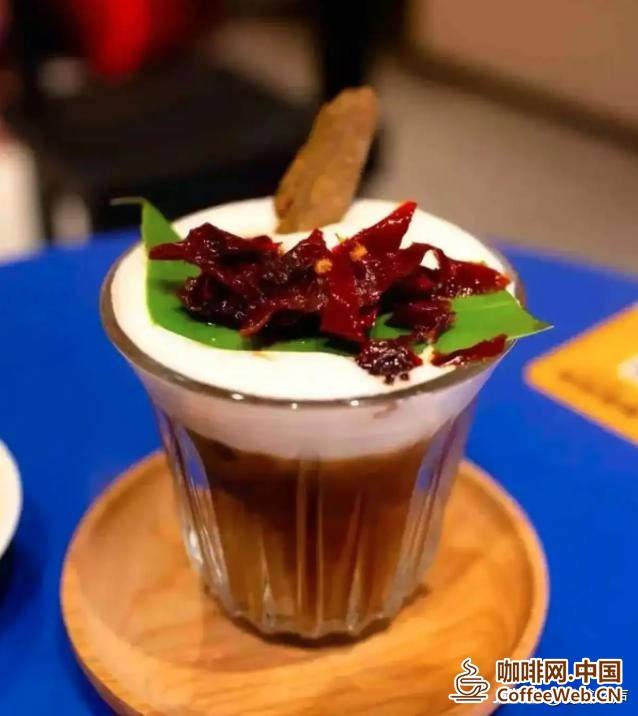
Don't rush to swipe away when you hear chili and coffee, this is not a dark dish, but the essence of "Xinjiang style special seasoning". The spicy skin (dried chili) from Anji Seafood in Xinjiang has thick flesh, red color, and a combination of spiciness and aroma. Baristas usually splash it with oil to enhance its aroma, or boil it into sauce, grind it into powder, and cleverly blend it into the milk foam of latte.
The entrance begins with the richness of coffee and the warmth of milk, followed by the unique salty and slightly spicy flavor of the spicy skin spreading out on the tongue, perfectly balancing the sweetness of the latte. The complex taste of "hot and cool, and the more you drink, the more you get" is like choking when eating Fried rice noodles from Xinjiang, but reluctant to put chopsticks.
3. Sand brewed coffee: slow time on the Silk Road in hot sand
If the first two are classified as "creative drinks", then sand brewed coffee is a representative of the new generation of the ancient craft.
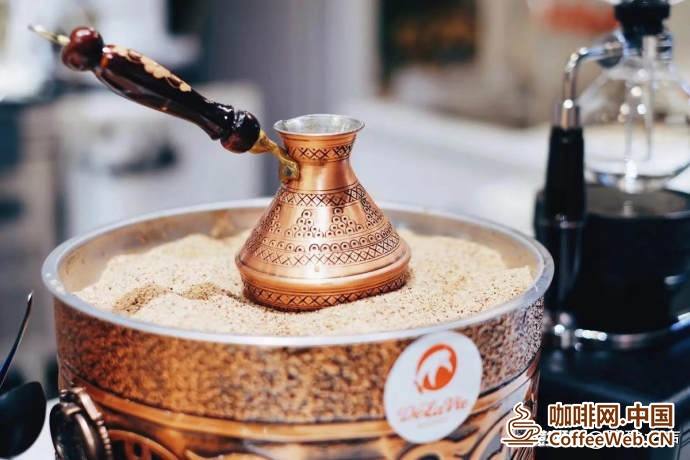
In some old-fashioned cafes in the ancient city of Kashgar or the Grand Bazaar of Urumqi, you can see this cooking method that originated from the Ottoman Empire and was passed down through the Silk Road. A large copper plate is filled with hot sand, and a long mouthed copper pot ("Jezve") filled with coffee powder and water is buried in the sand. Sand has a large specific heat capacity and uniform heat conduction, which allows coffee to be slowly extracted in the golden range of 80-92 ℃. After several cycles of "boiling off fire", it finally emerges from the pot with a thick layer of golden brown foam, which is like a honeycomb and silk. Drinking it is richer and more mellow than hand washing, with a hint of smoky aroma, paired with a piece of local oil cake, as if you can hear the camel bells from thousands of years ago.
4. Camel milk and yogurt: grassland flavored latte
Xinjiang is a pasture, so coffee meets local specialty dairy products, which is a perfect match.
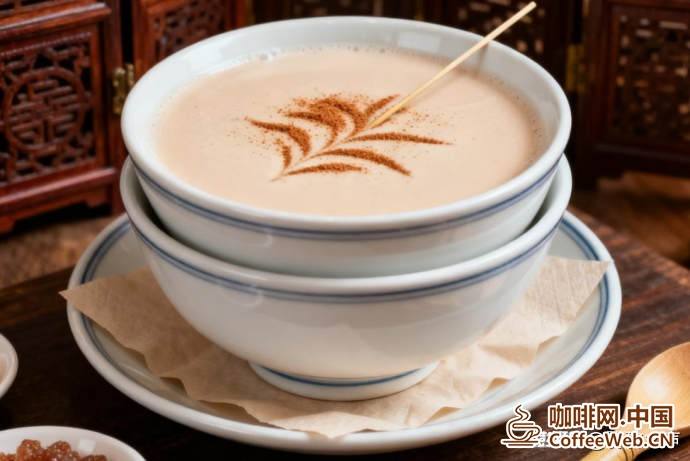
Camel milk coffee has been quite popular recently. Camel milk itself has a unique slight saltiness and higher alcohol content, and the milk foam it produces also has a unique flavor, which is a bit more "wild" than ordinary milk. It is an urban interpretation of pastoral treasures.
Yogurt coffee, on the other hand, is refreshing and refreshing. The handmade yogurt in Xinjiang is thick and creamy like cheese, with a delicate texture. When the mellow and bitter iced coffee meets this spoonful of strong yogurt, the sweetness, sourness, and bitterness are intertwined. Without too much sugar, one can drink a grassland like sense of comfort, especially suitable for those sunny afternoons in Xinjiang.
The popularity of Xinjiang specialty coffee is not just for curiosity. It is more like an expression of cultural attitude: we respect the ceremonial sense of coffee, but we love the naan, spicy skin, camels, and desert at our doorstep more.
Next time if you fly to Urumqi or Kashgar, don't just stare at the scenic spots, get into those coffee shops with grape racks, order a cup of sand brewed coffee, or bite into the coffee flavored naan cup. You will find that on this land, tradition and modernity have never been in opposition, they blend perfectly in a coffee cup.