
Brief (coffeeyo.com): In Xinglong, Wanning, Hainan — a southern Chinese town with over 70 years of coffee heritage — the locally born “Xinglong coffee” has grown from a single cup into a cultural symbol, even as rising national consumption is turning the area into a global specialty-coffee trade hub.
Source: Xinhua (via Baidu / Xinhua New Media).
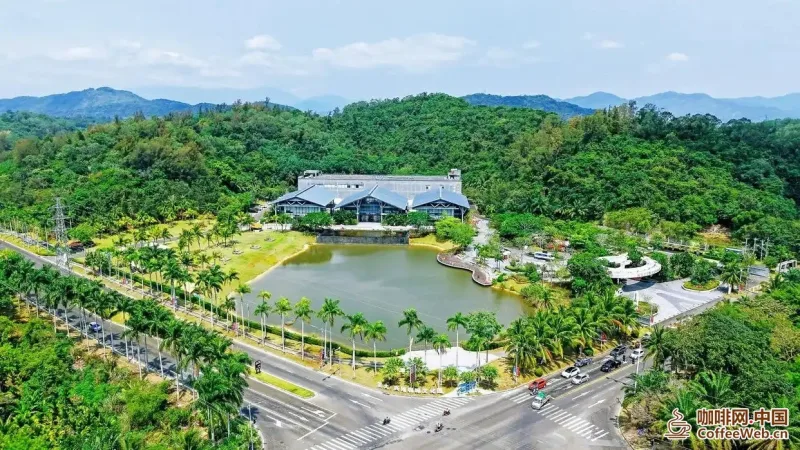
This is a coffee culture park in the Xinglong Overseas Chinese Tourism Economic Zone in Wanning, Hainan, photographed on April 22 (drone photo). Photo by Xinhua. Haikou, Sept. 10 (Xinhua) — At a coffee culture park in the Xinglong Overseas Chinese Tourism Economic Zone of Wanning, Hainan, barista Liang Dongru is intently roasting coffee beans.
“The key to roasting is a slow roast over low heat, with even heat and no rushing; midway you add butter, white sugar and a pinch of salt,” said Liang. “Only then does the coffee become more aromatic and smooth.”
In Xinglong, the aroma of coffee has been lingering for more than half a century.
The area’s over-70-year history of coffee cultivation and processing carries the unique memory of returned overseas Chinese who brought seeds and techniques and passed down the craft through generations. Roasted with locally grown Robusta beans plus butter, white sugar and a little salt, Xinglong coffee has earned its classic flavor — “strong but not bitter, fragrant but not harsh.”
As a core Robusta-producing region in China, Wanning has built a fairly complete coffee industry chain around Xinglong coffee. The integrated model of “planting + processing + e-commerce + culture + tourism” has turned Xinglong coffee from a mere beverage into a “cultural symbol” through which merchants from home and abroad experience the flavor of Hainan.
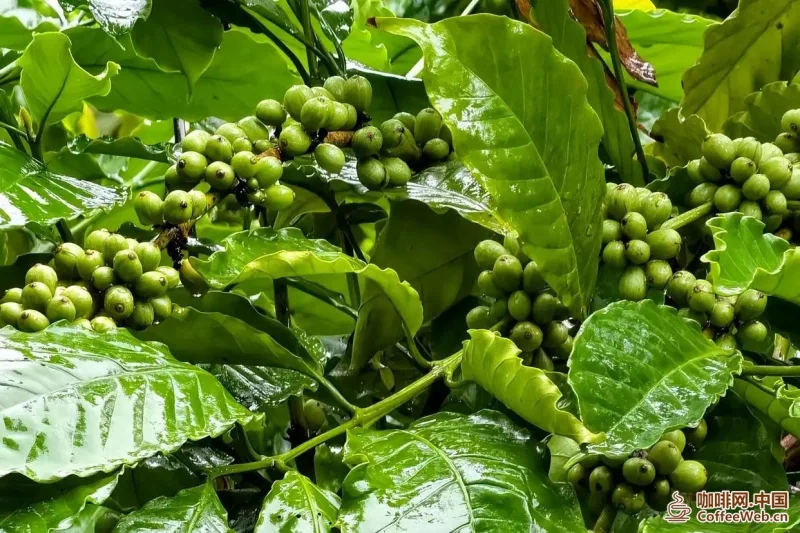
This is Robusta coffee fruit photographed on August 20 in the Xinglong Overseas Chinese Tourism Economic Zone in Wanning, Hainan (photo by Wang Yining, Xinhua). In recent years, China’s coffee consumption has shown a steady upward trend. According to the 2026 China Urban Coffee Development Report, China’s coffee industry reached 354.9 billion yuan in 2025, up 13.3% year on year, with per-capita annual consumption rising to 28.57 cups.
“Annual per-capita coffee consumption in Xinglong exceeds 200 cups, while the national average is just over 20,” said Ye Jian, chairman of the Wanning Xinglong Coffee Industry Association and general manager of CP (Hainan) Xinglong Coffee Industry Development Co., Ltd. Having long worked in Beijing, Ye found on Hainan’s open soil that his more than 20 years of experience in trade and marketing were fully put to use, and he discovered many new avenues to explore.
Since 2021, Wanning has worked to build the “Xinglong Coffee Master” labor-service brand, and by this July had trained 2,476 people. Relying on local industry resources and a training system, more and more young people are taking up the baton.
Xinglong is not only a coffee hometown but also an important base for tropical-crop research and talent incubation. Practitioners from many countries participating in the Belt and Road Initiative come here to learn on the ground the breeding and efficient cultivation of crops such as coffee, pepper and cocoa.
In December 2025, the Hainan International Coffee Trading and Operation Center was officially inaugurated in Xinglong. Leveraging policies of the Hainan Free Trade Port such as “zero tariff” and “duty-free domestic sales of value-added processing,” the center helps Hainan upgrade from a traditional growing region into a global trade hub for specialty coffee.
“Xinglong coffee is continuously drawing attention from all over the world,” said Ye. With government support, he is joining leading industry players to plan concrete programs to promote the region’s quality coffee. He hopes to enter the international market hand in hand with more partners, and the next step will be to jointly advance international cooperation in green-bean trade and coffee-cultural exchange.
Source: Xinhua / China Coffee Network.
Reprint Note & Disclaimer
- This article is reprinted from Chinese media for information and cultural exchange. The views expressed are those of the original author and do not necessarily reflect the position of coffeeyo.com.
- All trademarks, brand names and logos mentioned belong to their respective owners.
- For cooperation, reprint or correction requests, please contact coffeeyo.com.
Reprint Notice & Disclaimer
- This article has been edited and compiled by China Coffee Network. The information and images therein come from public sources and the copyright belongs to the original author. This reprint is intended solely for information sharing within the coffee industry and does not represent the views of this website; all data and opinions are subject to the original article. Our thanks to the original author for creating and sharing it.
- For matters concerning content licensing, attribution, copyright or otherwise, please contact us promptly and we will verify and cooperate in handling them as soon as possible. We also welcome coffee origins, brands and industry media to exchange ideas and contribute articles.
- Contact China Coffee Network: Tel 400-0000-641 (+86-18288016826) | Email 405854472@qq.com | Address: Jinghong, Xishuangbanna, Yunnan Province / Tieling, Liaoning Province
Related Reading
- Bean in Short Supply: A Taiwan Youth on Yunnan Coffee as a Shared Cross-Strait Stage
- Five Years, Eight Championships: Lincang Coffee Joins the World Stage
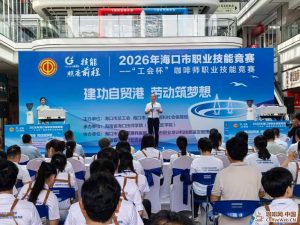
 Haikou ‘Union Cup’ Barista Skills Competition Kicks Off to Empower the Service Sector
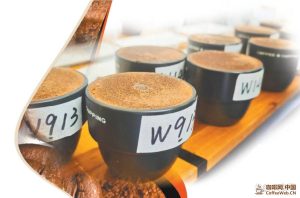
 Yunnan Specialty Coffee Beans Deliver an ‘Excellent’ Report: Path to Value Leap
- Cross-Strait Tides Rise: A Taiwan Youth Farms Coffee in Yunnan, a Cup Bridging Both Sides
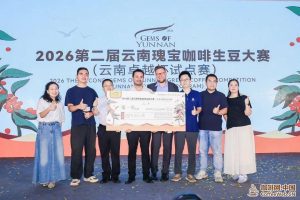
 2026 2nd Yunnan Treasure Coffee Green Bean Competition (Cup of Excellence Pilot) Concludes


 Liaoning ICP Security No. 21122402000217