


At a Glance (China Coffee Network): Among the first batch of 136 landmark major application-scenario projects released by China’s National Development and Reform Commission, Yunnan’s integrated whole-chain coffee scenario was selected. It lays out 13 key projects, reserves no less than 40% of resources for small and micro entities, and aims to lift the share of specialty coffee above 50% and the deep-processing rate to 90% by 2029, keeping output value stably at the 100-billion-yuan level.
Recently, the National Development and Reform Commission released its first batch of 136 landmark major application-scenario projects. The integrated innovation application scenario for the whole coffee industry chain, jointly implemented by Yunnan Province and Kunshan City of Jiangsu Province, was successfully selected. With a three-year cycle, it aims to keep the whole-chain output value stably at the 100-billion-yuan level by 2029, striving to serve the world a cup of Chinese coffee.
An application scenario means putting new technologies and products into real settings for testing and iteration—verifying technical performance while exploring business models and supporting policies, opening a channel from research breakthroughs to industrial application. In simple terms, it is a real-world “test field” for cutting-edge technology. The core of these first 136 projects is the word “new”—promoting new technologies and products, and driving the formulation of new standards and norms.

What is the integrated whole-chain coffee scenario?
The “integrated innovation application scenario for the whole coffee industry chain” features five characteristics.
One foundation: cross-regional industrial coordination between Yunnan’s germplasm resources, green cultivation and R&D, and Kunshan’s deep processing, warehousing, logistics and trade.
One support: technological innovation, digital-intelligent empowerment, talent cultivation, standards leadership and financial services.
One system: coordinating germplasm innovation, green planting, deep processing, modern circulation, brand building and coffee-tourism integration, building a modern coffee industry system in which industrial, innovation, data, capital and value chains are deeply integrated.
One mechanism: establishing a full-chain innovation mechanism of “R&D—scenario validation— commercialization—industrial application,” driving coffee from traditional raw-material production toward specialty, standardized, digital, branded and international development.
One model: shifting Yunnan coffee from raw-material export toward the export of products, technology, brands, talent and standards, building a demonstration model of whole-chain innovation with Chinese characteristics and global competitiveness.
Why Yunnan coffee?
In 2025, Yunnan’s coffee planting area and output each accounted for over 98% of the national total, with agricultural output value ranking first nationwide and leading exports in both volume and value.
Germplasm: by end-2025, Yunnan had preserved 8 coffee species and over 1,500 accessions, more than 90% of the national total.
Area: in 2025, the planting area reached 1.5188 million mu, up 25.3%, with output of 170,700 tonnes, up 13.7%.
Processing: Yunnan has built 152 centralized fresh-fruit treatment plants; the waterless green primary-processing technology developed by Yunnan Agricultural University is globally leading.
Integration: Yunnan has cultivated 14 provincially recognized specialty coffee estates and built a coffee-agri-tourism corridor, with “coffee in one hand, tea in the other” becoming a phenomenon-level cultural tourism IP.
Academics: Yunnan was the first in China to build a coffee talent-training system spanning undergraduate, master’s, doctoral, continuing education and vocational training, and established the country’s only provincial modern coffee industry college.
Finance: Yunnan pioneered a “rural revitalization · coffee loan” supply-chain financing model, forming a coffee financial service system covering planting, processing and trade.
What advantages do Yunnan and Kunshan bring?
Yunnan’s strength lies in the “front end”: the largest coffee planting scale in China, mature technologies in green primary processing, by-product utilization and targeted fermentation, and a strategic location facing South and Southeast Asia.
Kunshan’s strength lies in “transformation”: green bean roasting accounts for about 60% of the national total, bonded supervision innovation is advanced, and it connects to vast consumer markets such as Shanghai, linking the front and back ends of the chain.
Together, they enable two-way empowerment of research and end consumption, bringing highland agriculture into national opening-up, forming a division of labor of “front end in Yunnan, back end in Jiangsu and Shanghai, R&D in Kunming, transformation in Kunshan, the whole chain in China, and the brand in the world.”
The Yunnan Provincial Development and Reform Commission, together with provincial departments, research institutes and Kunshan, conducted cross-provincial research, using scenarios as the driver to break administrative boundaries and build a new model of cross-provincial coordination based on complementary strengths.
What are the goals of scenario building?
The scenario is laid out across five sections—seed and planting, deep processing, trade and consumption, cross-sector integration, and digital-intelligent support—with 13 key projects.
Five production-end projects: upgrading coffee germplasm innovation, smart planting validation, green primary processing and smart equipment validation, deep-processing technology validation, and high-value by-product utilization.
Four support platforms: a China coffee achievement exhibition and trading center, an upgraded national standard innovation and quality testing base, a China coffee science-innovation and talent-training base, and a digital service system for the whole chain.
Four circulation-service systems: coffee warehousing and cross-border trade validation, coffee industry financial-service validation, coffee product branding validation, and coffee-tourism integration validation.
The commission said all 13 projects will be open to society, with no less than 40% of resources reserved for small and micro entities, aiming by 2029 for specialty coffee above 50%, deep processing at 90%, and whole-chain output value stably at the 100-billion-yuan level.
As the scenarios take shape, from “a single bean” to “an industry,” from “raw-material output” to “standards and brand output,” the saying that “Yunnan coffee still represents China” will become both famous and substantive.
Source: China Daily Yunnan Reporter Station (via Yunnan Release); edited by Li Yingqing. This article is provided for reference only; the original text prevails.
Related Reading
 Lincang Advances Coffee Industry with Premium Development Strategy: Aroma of Coffee Fills the Path to Revitalization
- Lincang advances coffee industry with premium development approach: aroma of coffee fills the path to revitalization
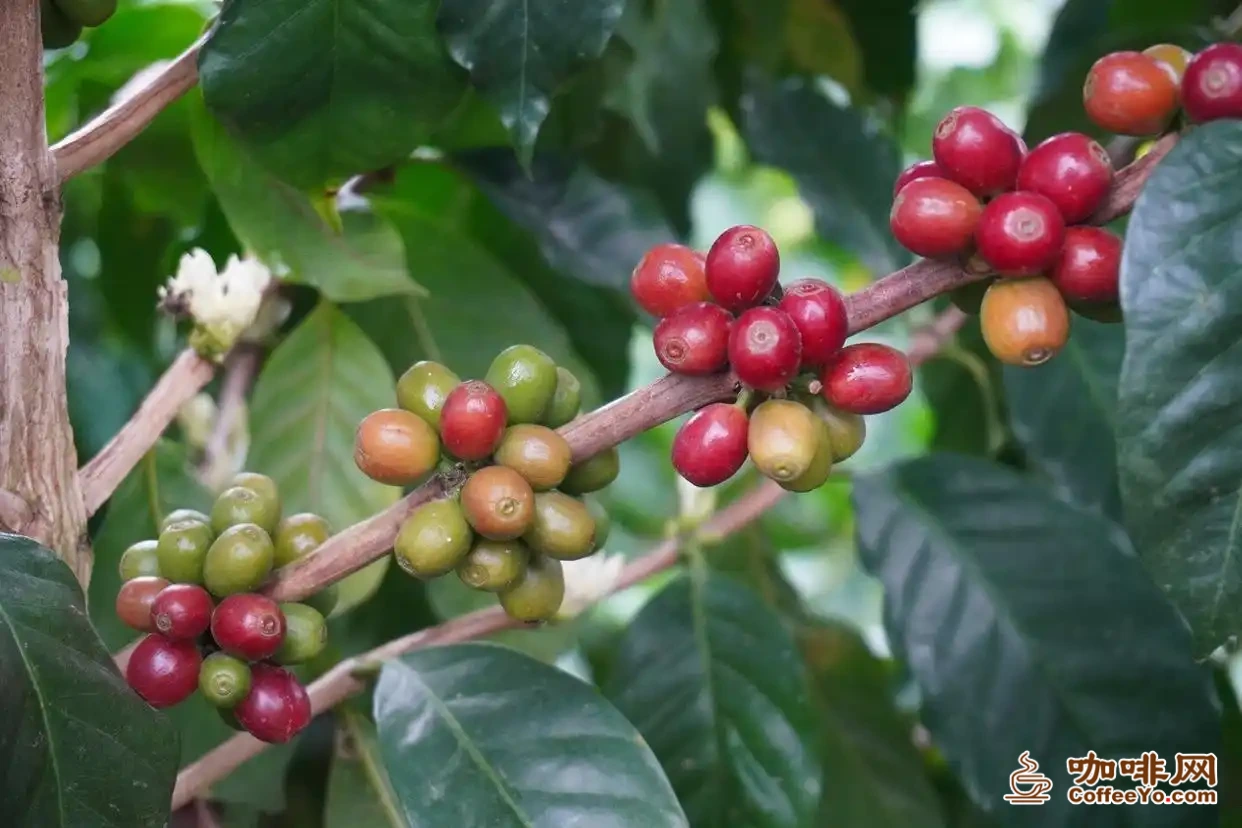 Yunnan Dehong Tropical Agriculture Research Institute promotes shift from conservation to utilization of coffee germplasm resources
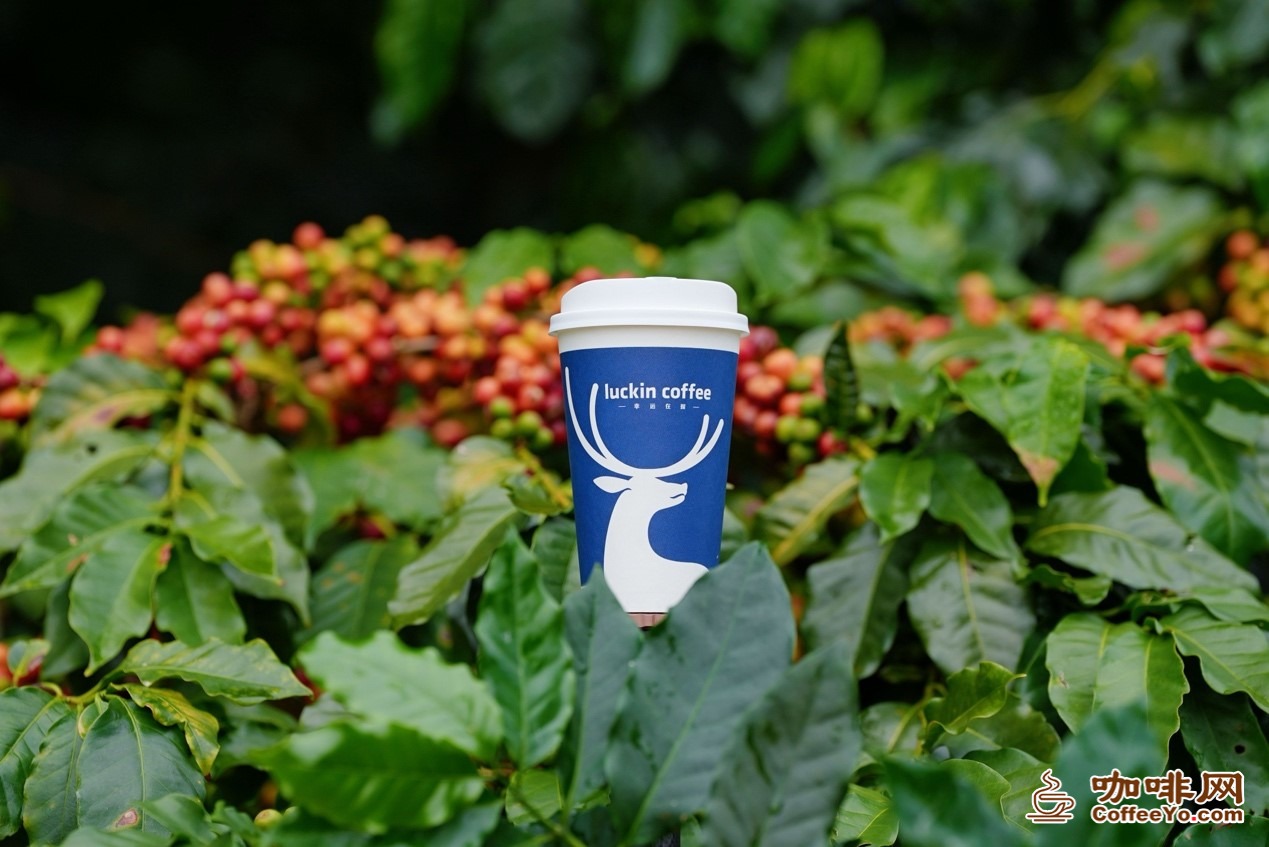 Tracing Baoshan's 72-Hour Journey: Following Luckin to Discover the Origins of Good Chinese Coffee
 Yunnan Ruili: Technology boosts coffee industry quality and efficiency
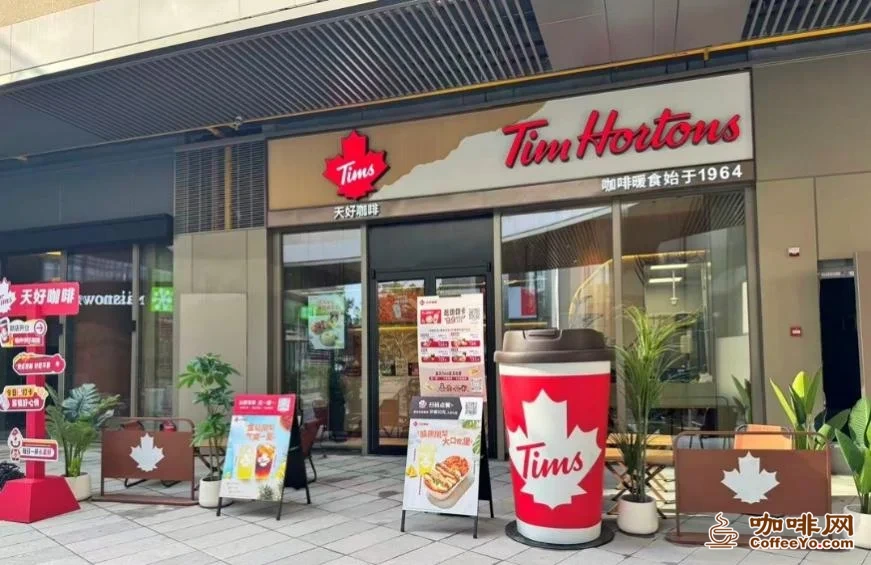 Tim Hortons China Q3: System Sales Up 6.3% Quarter on Quarter




 Liaoning ICP Security No. 21122402000217