
At a Glance (China Coffee Network): Qingdao—often called China’s “second coffee city of the north”—has 3,000-plus cafés, yet many newcomers freeze at the menu. This primer decodes the two commercial species (Arabica vs. Robusta) and ten flagship varieties so you can order with confidence.
As China’s “second coffee city of the north,” Qingdao is home to over 3,000 cafés. From chain brands to specialty shops; from a morning pick-me-up Americano on the street to a pour-over by an old villa or by the sea in the afternoon, more and more people of all ages have fallen for coffee. But! Many coffee newcomers have surely had this experience: standing at the counter, staring at a long list of names on the menu, your mind goes blank, and you can only awkwardly say, “A latte, please.” What’s the difference between Yirgacheffe and Colombia? What do latte, cappuccino, and flat white taste like—aren’t they all just milk and coffee? Today we’ll help you understand coffee bean varieties and coffee types in one go, turning you from a newbie into a connoisseur in seconds!
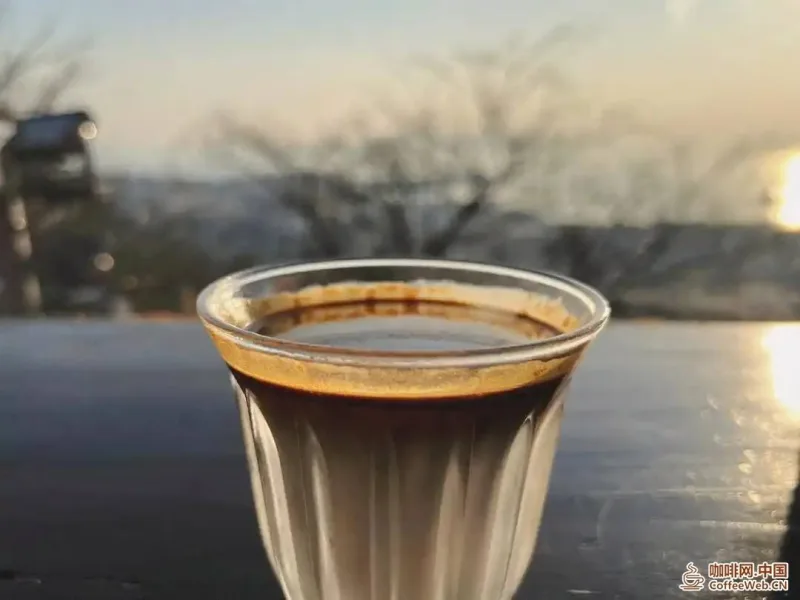
99% of coffee comes from them. There are hundreds of coffee tree species in the world, but only two are truly used for commercial cultivation—Arabica and Robusta. Like the two giants of the coffee world, they account for 99% of global coffee production.
Arabica: the noble of the coffee world
Production share: ~70%
Flavor: rich and complex aroma, bright acidity, smooth mouthfeel, with floral, fruity, nutty and other notes
Caffeine: lower, about 1.2%–1.5%
Price: relatively high
In one line: Almost 100% of the specialty coffee we drink daily is Arabica.
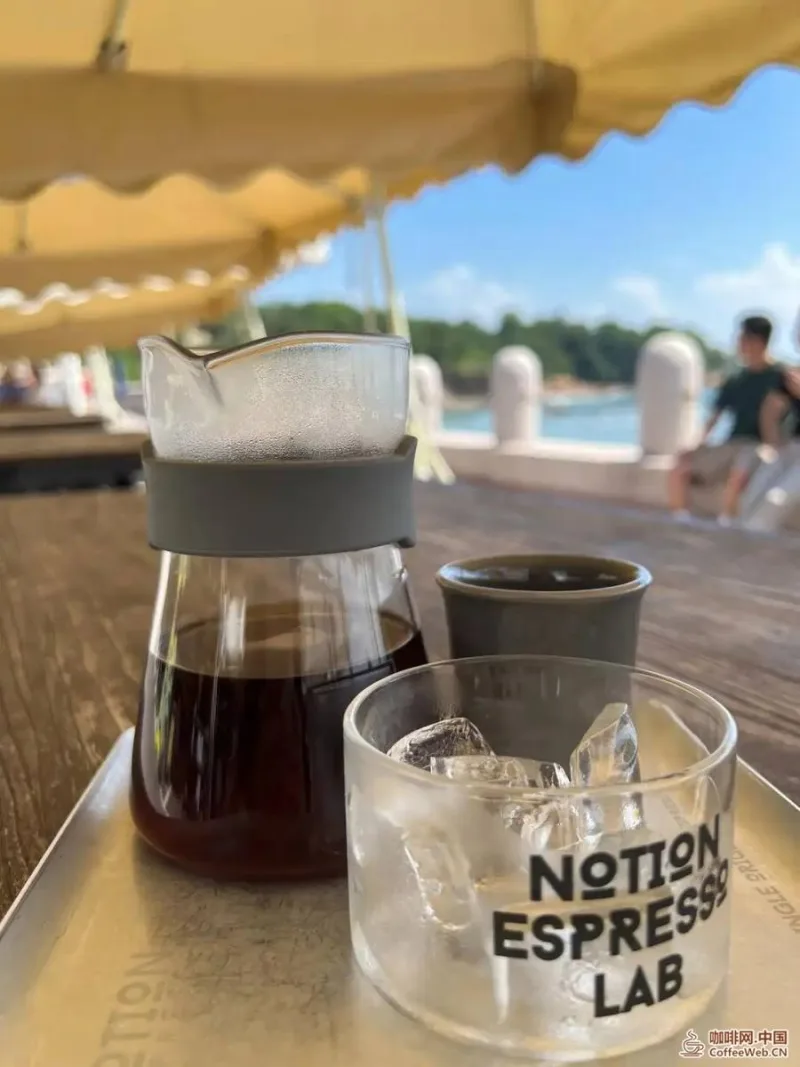
Robusta
Production share: ~30%
Flavor: heavier bitterness, single-dimensional aroma, with burnt-bitter and rubber notes, full-bodied
Caffeine: higher, about 2.7%–4.0%
Price: relatively low
In one line: Mainly used in instant coffee, canned coffee, and espresso blends to add body and crema.
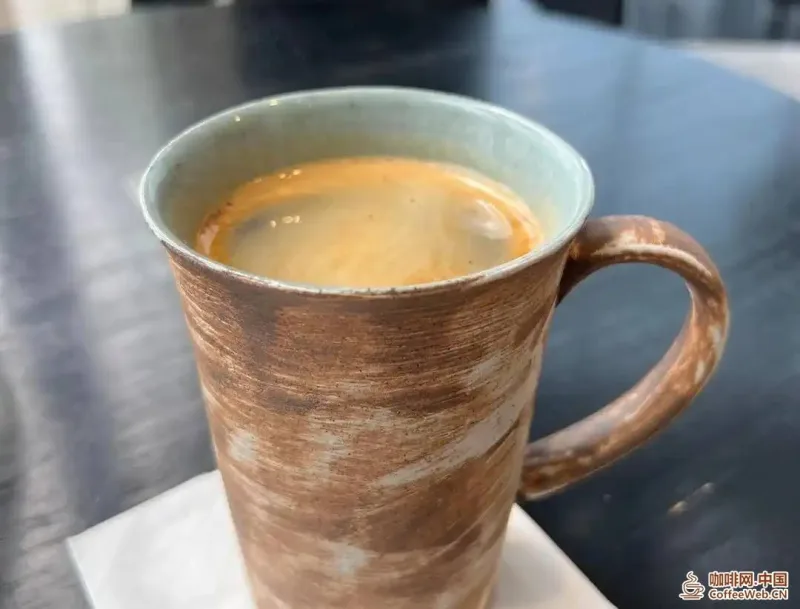
Within the Arabica family there are many varieties, and their flavors differ greatly.
1. Yirgacheffe
Origin: Ethiopia
Flavor: jasmine aroma + citrus acidity + tea-like body; known as the “perfume of the coffee world”
Recommended: pour-over, cold brew—best to showcase its floral and fruity notes
2. Colombia
Origin: Colombia
Flavor: excellent balance, with nutty, caramel, and mild fruity notes
Recommended: pour-over, Americano, latte—one of the most beginner-friendly varieties
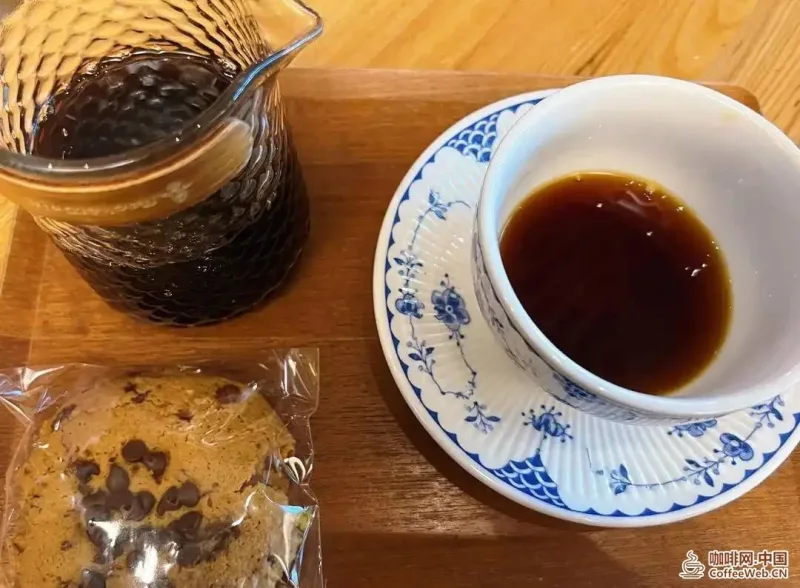
3. Brazil
Origin: Brazil (the world’s largest coffee producer)
Flavor: strong nutty aroma + chocolate notes + low acidity, full-bodied
Recommended: espresso, latte, cappuccino—the base of espresso blends
4. Mandheling
Origin: Sumatra, Indonesia
Flavor: herbal + earthy + chocolate notes, very low acidity, pronounced bitterness
Recommended: pour-over, Americano—for those who like bold coffee
5. Kenya
Origin: Kenya
Flavor: intense blackcurrant acidity + berry notes + caramel sweetness, distinctive character
Recommended: pour-over—to fully experience its bright acidity
6. Guatemala
Origin: Guatemala
Flavor: smoky + chocolate + citrus acidity, layered
Recommended: pour-over, Americano
7. Ethiopia Geisha
Origin: Ethiopia (later transplanted to Panama and elsewhere)
Flavor: ultimate floral + tropical fruit + tea-like body; among the most expensive varieties today
Recommended: pour-over—savor its complex aroma slowly
8. Costa Rica
Origin: Costa Rica
Flavor: honeyed sweetness + citrus + clean mouthfeel
Recommended: pour-over, cold brew
9. Tanzania
Origin: Tanzania
Flavor: berry notes + wine-like acidity + chocolate finish
Recommended: pour-over
10. Yunnan
Origin: Yunnan, China
Flavor: nutty + chocolate + mild acidity, balanced
Recommended: pour-over, Americano, latte—a great choice to support domestic beans

The editor compiled a table so you can quickly grasp their differences.
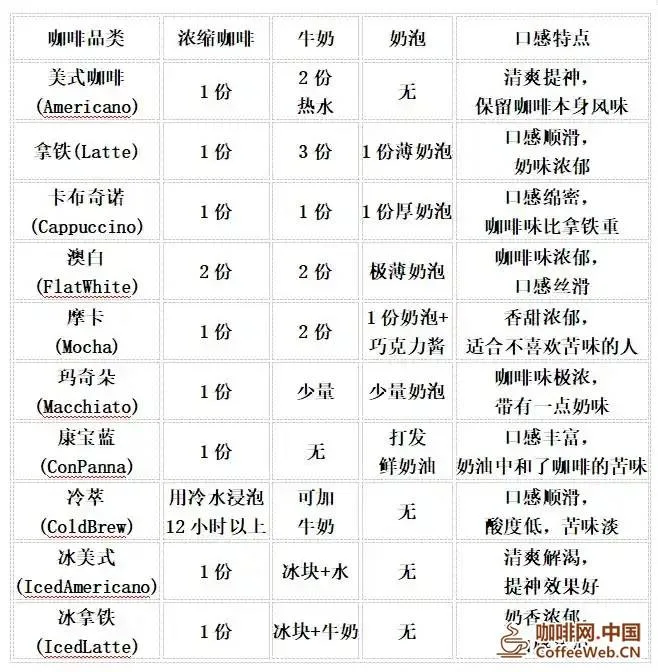
Choose by taste preference
Like a clean, refreshing taste: Americano, cold brew, pour-over
Like a milky flavor: latte, flat white, cappuccino
Like something sweet: mocha, caramel macchiato
Like a bold taste: espresso, macchiato, Mandheling pour-over
By time of day
Morning: Americano, cold brew (best wake-up effect)
Afternoon: latte, cappuccino (not too stimulating)
Evening: prefer decaf or caffeine-free drinks
Advanced play
Try single-origin coffees from different regions and feel the flavor differences.
Adjust the milk-to-sugar ratio, or add butter, salted cheese, etc., to find your perfect taste.
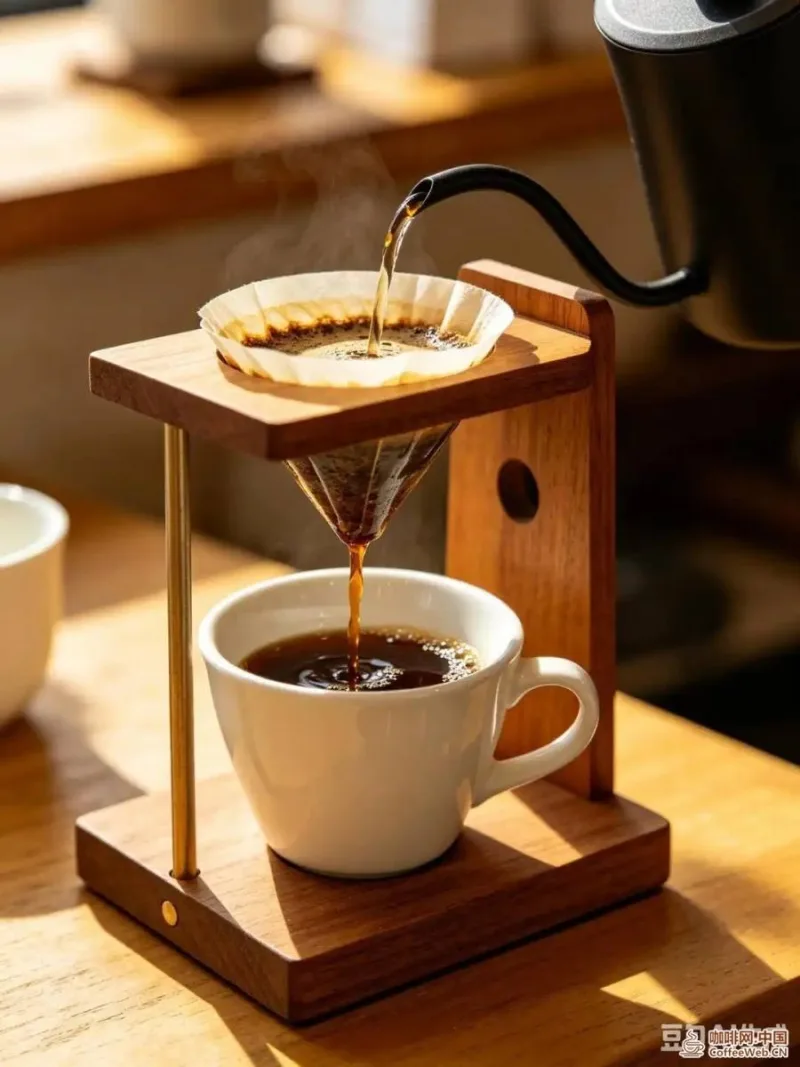
Occasionally try pour-over coffee and enjoy the pleasure of slow living.
Do you love drinking coffee? Do you prefer black or milk coffee? Share your signature coffee in the comments! (Some images generated by AI)
Reprint Notice & Disclaimer
This article is reprinted from the “Peninsula Open Class” series (Peninsula Metropolis Daily). All rights belong to the original publisher. This reprint is for information sharing only; if you believe any content infringes your rights, please contact us to request removal or correction.
Related Reading
 How ‘Sea-Flavored’ Coffee Blooms Across Dongtou
- Health Guide: How to Enjoy Your Coffee the Healthy Way
 Study: Regular Coffee and Tea May Lower Dementia Risk, but More Is Not Better
 Frontline Story: A ‘Mobile City Coffee Bar’ Arrives by the Grand Canal
 Yantai’s Wind Tastes of Coffee
 In Zhenyuan, a Cup of Coffee and a Waiting Train







 Liaoning ICP Security No. 21122402000217