
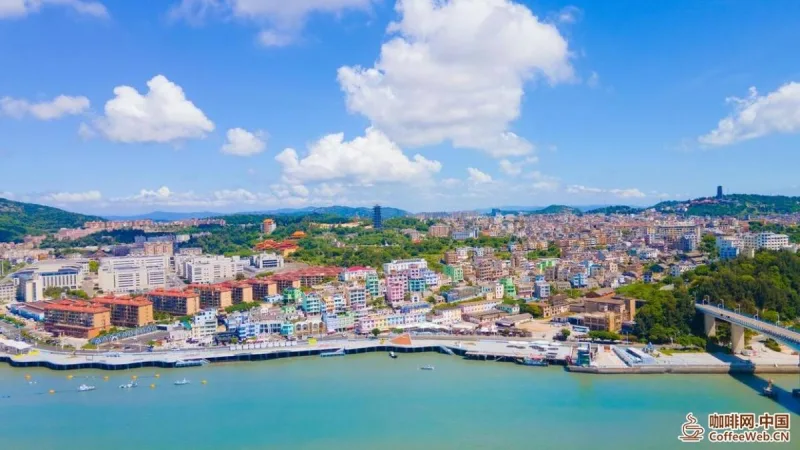
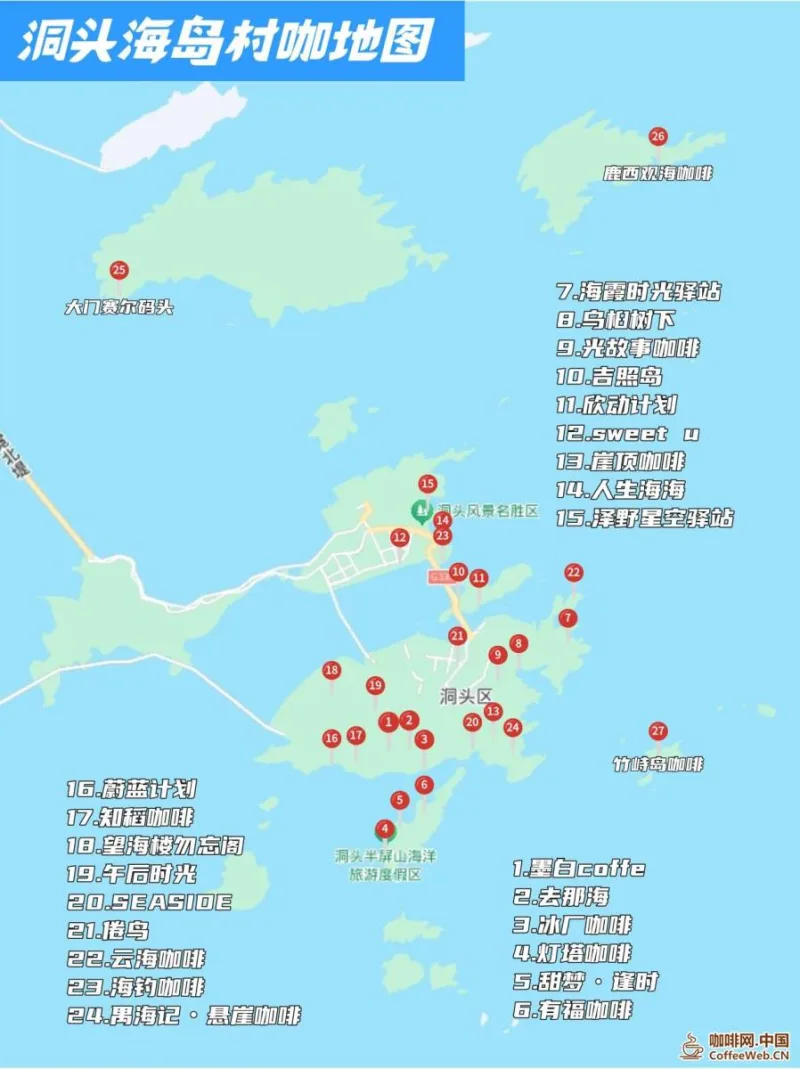
At a Glance (China Coffee Network): In the midsummer of Dongtou, a saline sea breeze carries heat waves and also spreads the aroma of coffee. Nearly 30 new coffee and light-food venues have sprung up across this island district—from clifftop cafés in repurposed oil tanks to barnacle-laced lattes—each bound to a one-of-a-kind coastal scene, turning an island into a blooming map of “sea-flavored” coffee.
In the midsummer of Dongtou, a saline, moist sea breeze carries heat waves and also spreads the aroma of coffee.
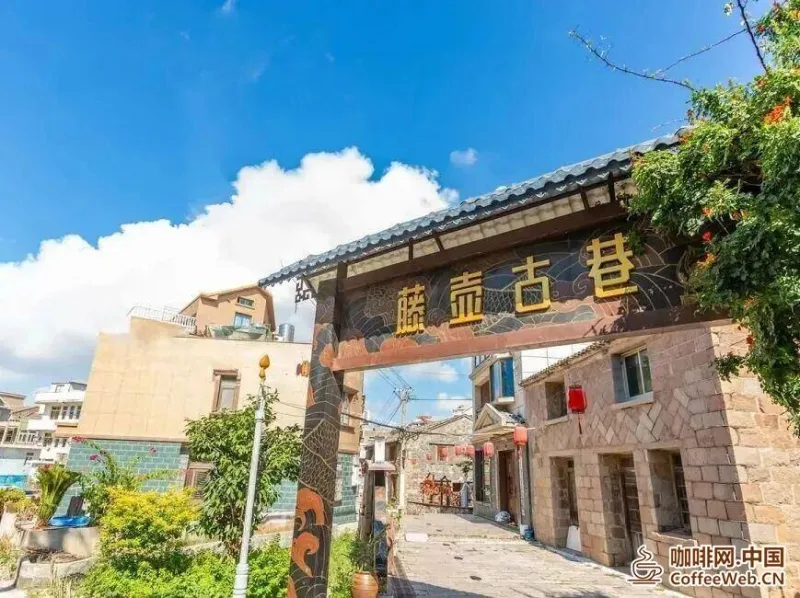
From seaside cliffs to azure coasts, from quaint fishing villages to coastal piers, nearly 30 new coffee and light-food venues are thriving in Dongtou. The latest to join this mountain-and-sea cultural-tourism map are two “reborn” old oil tanks on the Banping coastline. The former industrial relics have transformed into cafés, cultural-creative spaces, and a hill park, re-entering the daily life of the island.

Oil-tank coffee, barnacle coffee, cliff-top coffee, ice-factory coffee… how did these unique “sea-flavored” coffees bloom all over the island of Dongtou?
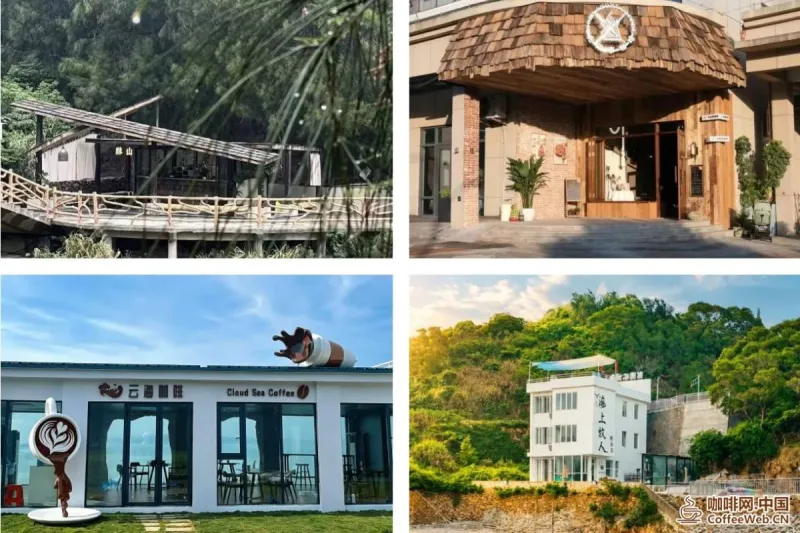

Breaking from homogeneity: island scenes prop up a new coffee track
In public perception, coffee is a standard offering in business districts and office towers, seemingly a world apart from traditional fishing villages and coastal islets. In Dongtou, however, the coffee format breaks free of standardized templates, relying on its unique mountain-and-sea scenery to achieve one store, one view, one store, one realm—differentiating to break through, deeply binding with the island’s landforms and site memory, forming an irreplicable cultural-tourism experience.
Banping Island’s oil-tank park hides more than half a century of Dongtou fishermen’s memory. Its predecessor was an old oil depot built in 1966; over the long years it was the most reliable “offshore energy station” for local fishing boats. As boats set sail or returned, they refueled here; what the tanks held was not only fuel oil but also generations of fishermen’s hope of venturing into the mountains and seas. The old oil depot was officially shut down in 2021. The weathered tanks were covered in rust, the pier gradually emptied, the surrounding mountain paths grew desolate, and the once-busy industrial site slowly faded from people’s lives. Demolish and rebuild, or revitalize and reuse? The Dongping Subdistrict of Dongtou, together with Sinopec Wenzhou Branch, decided to give the old building new life.
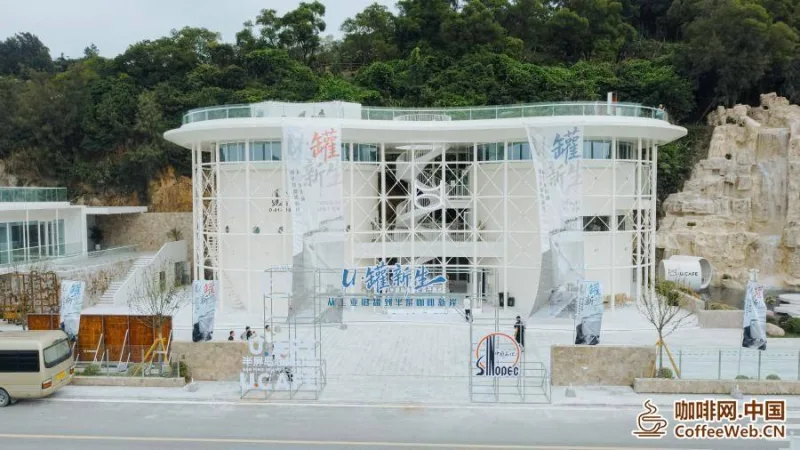
The project upheld the concept of “repair the old as the old, revitalize in coexistence,” carrying out protective renovation of two thousand-ton vertical storage tanks. Throughout construction, the tanks’ original appearance and industrial markings were preserved; only through fine craftsmanship such as structural reinforcement, surface grinding, and window openings were the hard industrial outline of the old oil depot retained. Every detail of the park hides nostalgic ingenuity—the mountain-top fire pool idle for years was turned into an artificial waterfall; the park’s signs were hand-welded from discarded pipes; the fishing-feast restaurant steadily preserves its early stone foundation.
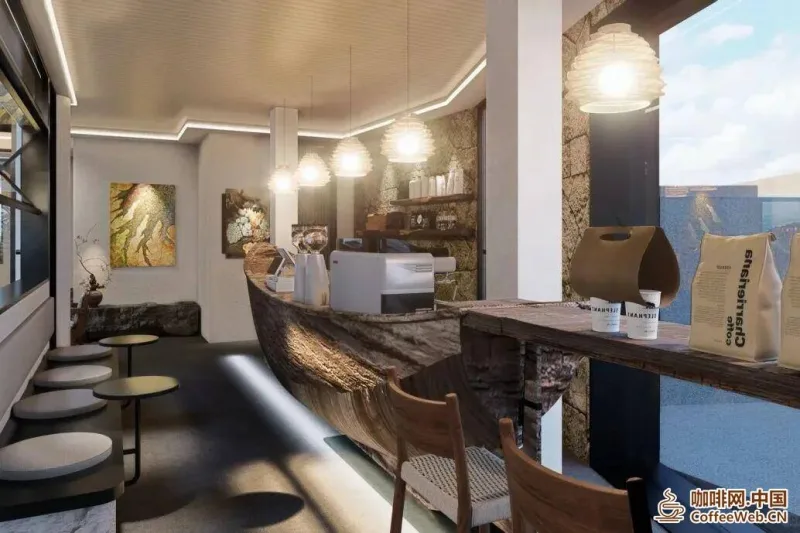
Today, Tank No. 1 has become the “Waterfall Coffee Experience Hall,” using the tank’s curved structure to create staggered viewing seats; through floor-to-ceiling windows one can overlook the entire Jiucai’ao Beach. Shell lamps, plum-blossom columns, and other local elements dot the space, where light and shadow intertwine with coffee aroma, maxing out the atmosphere. “Thirty years ago we came here on a spring outing to the old oil depot; back then it fueled the fishing boats, now it adds ‘happiness’ and aroma to everyone’s life!” a Dongtou resident sighed sincerely.
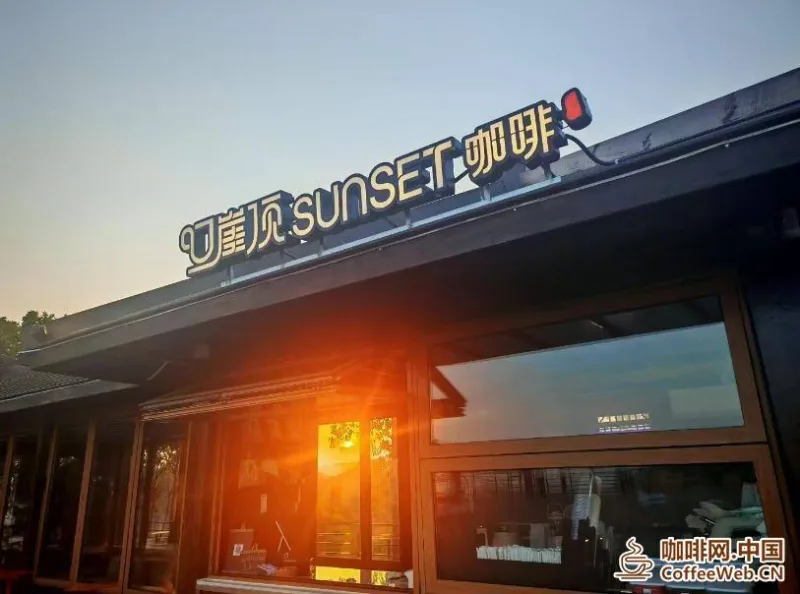
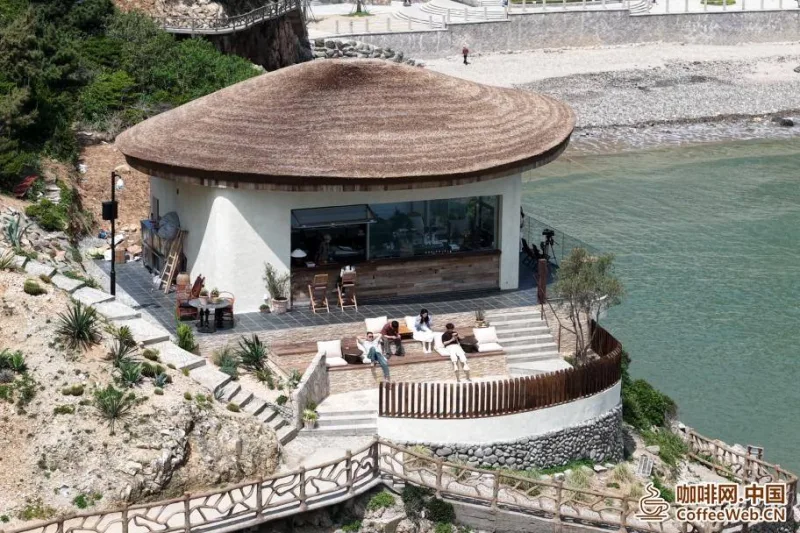
Beyond oil-tank coffee, the Cliff Top Coffee opened this year on May Day precisely captured the island-scene advantage. The post-2000s operator Xiang Shangchen had already opened 7 coffee shops in downtown Wenzhou. When choosing the site he trekked every hill in Dongtou, finally landing at the highest point of Dong’ao Top Village. “Standing here you overlook the entire Dong’ao Beach and homestay cluster; on good-weather days, Banping Mountain’s strange cliffs and Xiandie Rock reefs are all in view—the mountain-and-sea scenery is unobstructed,” Xiang explained. With its unique mountain-and-sea vista, Cliff Top Coffee went viral upon opening, with daily holiday revenue of several thousand yuan, becoming a new island traffic landmark.
At the same time, “Doufu-ism,” featuring a tofu-pudding light-sweet style, landed on the Dongping coastline, pairing warm soy drinks with mountain-and-sea scenery, filling the gap in the island’s light-coffee format and enriching consumption scenes. On opening day, the store’s tofu pudding sales exceeded 600 bowls; the warm, sweet bean fragrance added healing warmth to the daily life of Banping Island.
In Dongtou, coffee is no longer just a drink, but an immersive cultural-tourism scene deeply bound with cliffs, waves, rust, and sunset. It makes consumers pay for the “irreplicable experience,” thereby sustaining the continuous growth of new cultural-tourism formats.

IP breaking boundaries: letting coffee hold the island’s everyday life and cultural vein
If island coffee merely “eats off the sea view,” there will eventually be aesthetic fatigue. Dongtou’s wisdom lies in relying on millennia of marine culture, breaking free of the single logic of “selling drinks,” and making a cup of coffee a carrier for spreading island culture.
In June 2024, Zheng Jingyu, a cultural envoy from Wenzhou University, led a team into Dong’ao Top Village, building the Barnacle Culture and Art Museum and unlocking a brand-new way to open island cultural tourism. The team dug deep into local characteristics, playing new tricks with the barnacle—the most ubiquitous, most island-identifying creature by the sea.
They low-temperature roast and finely grind barnacle meat, then blend it into the coffee base, creating a uniquely flavored “barnacle sea coffee” with a taste akin to salted-caramel latte, carrying the fresh-sweet aftertaste unique to seafood. Beyond coffee, the team deeply cultivates the barnacle IP, successively developing specialty foods such as barnacle seafood zongzi, barnacle lava-rock pizza, and barnacle raw liquor; they also combine discarded barnacle shells with Dongtou’s traditional sea-ceramic craft to fire refined tableware and art pieces, letting the unremarkable little shellfish on the reefs grow into a complete island specialty product chain.
“The barnacle is a unique island feature; we turn this mountain-and-sea memory into coffee, food, and cultural products, letting young people get to know the small fishing village in a new way,” said Gao Anze, a post-2000s operator of Barnacle Coffee. The once-unremarkable reef seafood has become an entry point for tourists to touch the island’s ecological fabric and fishermen’s life memory, stringing together the human stories of the entire sea area.
The power of culture extends to rural scenes and community building. This June, the “Barnacle Sea Coffee · Blossoming All the Way” art-embellishment series launched fervently, bringing full vitality to the small fishing village. Relying on the barnacle IP, the locality regularly holds the “Barnacle Sea Coffee · Blossoming All the Way” art-embellishment series, combining AI digital cultural-creative roadshows, university cultural-tourism forums, neighborhood village feasts, and fishing-song folk performances, upgrading single coffee consumption into an immersive cultural-tourism activity integrating cultural experience, academic exchange, and rural celebration, making the coffee space a gathering ground for rural culture.
At the same time, the return and feedback of local young makers gives culture more everyday warmth. The No. 2 oil tank of the oil-tank park was converted into a public-interest island cultural-creative art space, neatly displaying traditional Dongtou intangible-cultural-heritage handicrafts such as shell carving, sea ceramics, and fisherman paintings; the walls are hung with historical photos of the old oil depot, quietly telling the past and present of this industrial site, letting visitors read the island’s story of the years. Ye Qianying, the post-90s local Dongtou youth who runs the oil-tank park, abandoned the “parachuted-in design” of outside teams, linking local intangible-heritage inheritors to create cultural-creative products and inviting fisherman cooks to join ingredient R&D, letting old fishermen’s life experience, local traditional craft, and youth creativity fuse in both directions.
Outside youth operators take root on the island with mature operational thinking; local youth deepen their creation with native sentiment. With the island’s unique cultural backing, Dongtou coffee thoroughly bids farewell to “a thousand stores with one face”—every cup of sea-flavored coffee and every coffee space hides a unique island story and fishermen’s cultural vein.

Full-chain escort: letting island-bound youth take root in mountain and sea
The mountain-and-sea are picturesque, drawing youth to ride the waves and chase the wind; what truly keeps these entrepreneurial youth is the island’s full-chain policy support and startup ecosystem.
“Dongtou’s mountain-and-sea atmosphere and vacation quality have every potential to benchmark Jeju Island and build a high-quality international resort island,” remarked Li Shangtan, head of the professional cultural-tourism operation brand “Qu Nahai,” multiple times. What moved him even more was the thoughtful service of local government departments when the brand entered Dongtou.
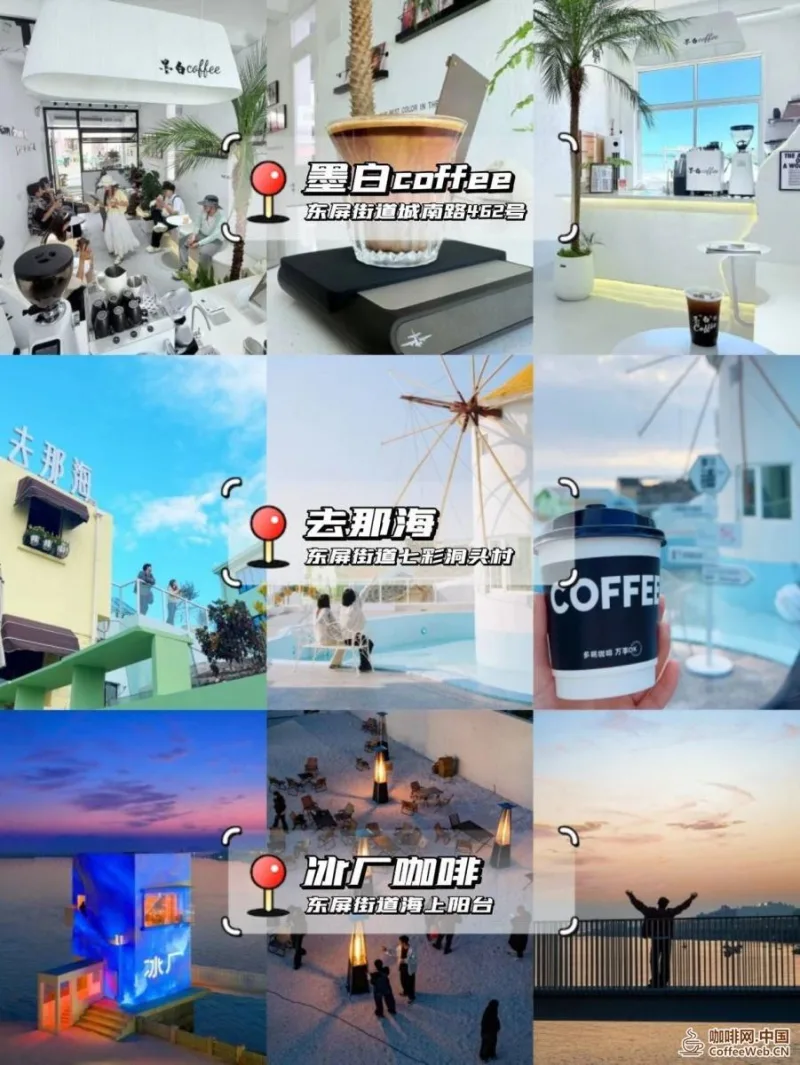
As early as the beginning of 2025, when Dongtou Village planned its style-upgrade renovation, it promoted the concept of “operation-first,” considering the “Qu Nahai” team’s spatial needs in advance, finally presenting high-aesthetic designer homestays and solo-diner restaurants, and converting idle space into shared pools and shared sea-view platforms, upgrading the supporting facilities of surrounding homestay clusters. “The departments considered our operational needs in advance, while providing one-stop support in license processing, event promotion, and other processes,” Li told the reporter. This turn from “management” to “service” lets young makers focus single-mindedly on content and experience.
Li’s story is no isolated case. Targeting the pain points of youth entrepreneurship—lack of venue, funds, experience, and resources—Dongtou strikes precisely, using policy as the lever to build a full-chain service system of “attract-incubate-support-retain,” using sincerity and solid work to plant paulownia and attract phoenixes, letting youth dare to go to the island, able to start businesses, and stay.
To retain young talent, Dongtou launched the major “Youth Island-Going Plan,” offering 18-to-40-year-old youth seven days of free room and board for a startup experience, activating idle village space and building multiple “sea-creation spaces.” The first batch of island-bound youth became operating managers, leading more newcomers to know and fit into Dongtou from the perspective of peers.
The human-society department precisely empowers, sorting out seven major startup tracks such as cultural-tourism operation, intangible-heritage communication, and market-experience, precisely matching youth with startup directions to avoid blind following and homogeneous competition. At the same time, a full set of startup-support policies lands, comprehensively lowering island startup costs. For emerging first-store formats such as coffee, cultural creativity, and specialty dining, it has targeted the “New Ten Articles” for youth returning entrepreneurship, giving up to RMB 200,000 in special subsidies, precisely supporting the development of island specialty new formats.
At the service-guarantee level, multiple departments including the subdistrict, cultural tourism, and the CPPCC liaise to provide one-stop services such as license processing and event planning, clearing the blockages and difficulties of youth entrepreneurship. At the same time, they integrate the whole-domain cultural-tourism resources, stringing emerging formats such as the oil-tank park, Cliff Top Coffee, and the Barnacle Art Museum with traditional attractions such as Jiucai’ao Beach and Banping Mountain into a chain, planning characteristic cultural-tourism routes, and regularly launching themed activities such as coffee markets and seaside concerts, continuously driving traffic and momentum for the coffee format.
Policy dividends continue to be released; more and more young people rush to Dongtou to chase dreams and take root, from “island-bound youth” to “island-guarding entrepreneurs.” Over the past year and more, more than 800 youth have stayed on the island to start businesses, over 2,200 college students have landed jobs on the island, and a large number of young makers have deeply cultivated new formats such as coffee, cultural creativity, travel photography, and specialty dining, turning silent fishing villages into youthful hot soil.
“At the beginning we were just tiny glimmers, but as more and more young people stay and get to work, Dongtou’s mountain-and-sea night sky will surely be bright with starlight,” said Chen Shuwen, a Dongtou native who returned from Hangzhou to start a business. Her voice is also the shared aspiration of countless island entrepreneurs.
The sea breeze never stops, the coffee aroma spreads. Today’s hundred-island Dongtou is using cups of coffee with unique mountain-and-sea characteristics to string together new cultural-tourism formats; more young people are taking root and growing between mountain and sea, chasing dreams forward.
Reprint Notice & Disclaimer: This article is reprinted from Trendy News. The original report was filed by reporter Wang Zifang, with correspondent Xie Bingxi. Photos courtesy of Dongtou Release except where credited. All rights belong to the original publisher. If you believe any content infringes your rights, please contact us for removal.
Related Reading
- Health Guide: How to Enjoy Your Coffee the Healthy Way
 Study: Regular Coffee and Tea May Lower Dementia Risk, but More Is Not Better
 Frontline Story: A ‘Mobile City Coffee Bar’ Arrives by the Grand Canal
 Yantai’s Wind Tastes of Coffee
 In Zhenyuan, a Cup of Coffee and a Waiting Train
 Stagger Your Coffee Intake from These Six Types of Medication







 Liaoning ICP Security No. 21122402000217