
Brief (coffeeyo.com): More than a hundred Chongzhou businesses met officials over coffee at a creekside salon, with no podium and no assigned seating — just a supply-and-demand list laid out on the table. The event also brought policy briefings and on-the-spot legal advice directly to the firms.
When Coffee’s Aroma Meets the Evening Breeze of the Linpan
An out-of-the-ordinary government–business matchmaking event came together right on cue.
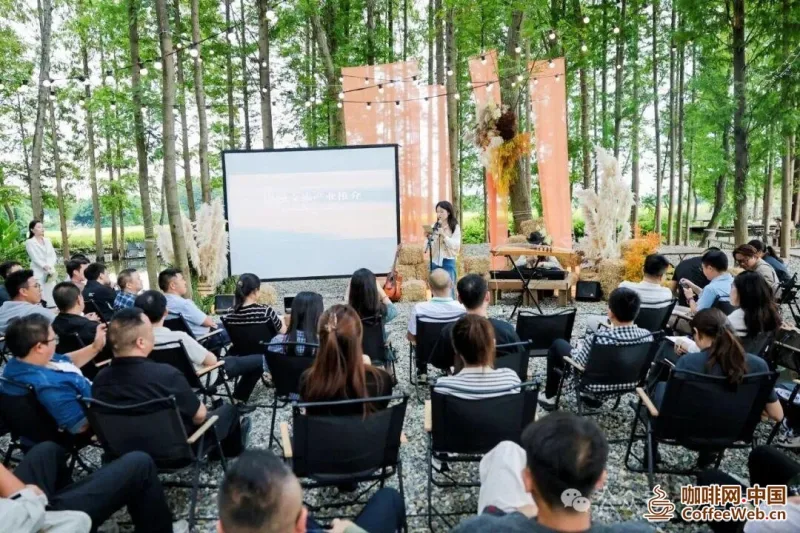
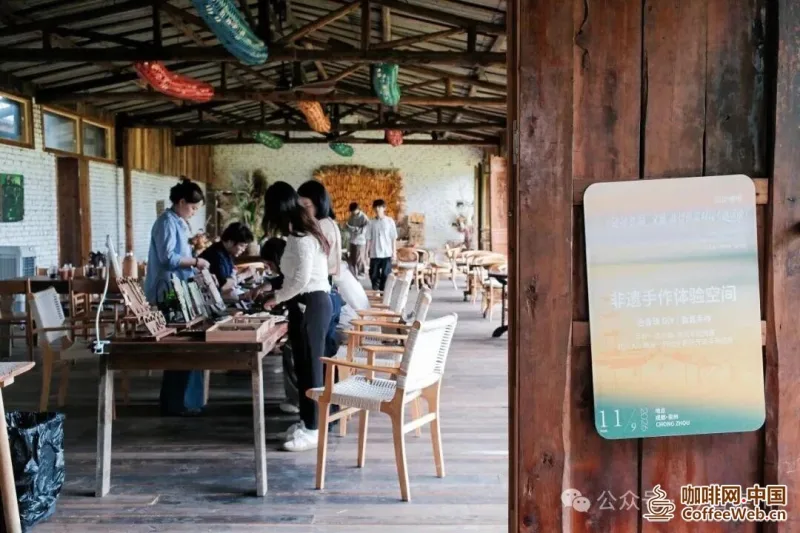
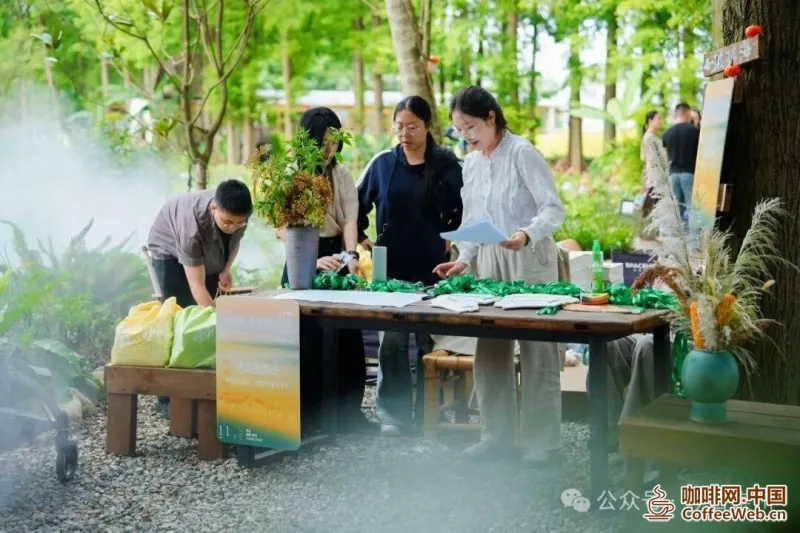
On the evening of 11 September, the “Chongqi Coffee” culture-and-tourism and trade supply-and-demand matchmaking event, themed “Linking Up for Win-Win”, was held at Bu’er Fudao in Qiwan Youth Ideal Village, Dahua Subdistrict. Lanterns dotted the lawn beside the stream, in the linpan — the wooded, stream-threaded homesteads characteristic of the Chengdu Plain — and the scent of coffee mingled with grass and foliage as representatives of more than a hundred catering, lodging, retail and tourism businesses sat down together. Coffee cups in hand, they talked freely, with no formal podium and no fixed seating, in the easy, freewheeling spirit of a Sichuan longmenzhen chat, setting out what they needed and looking for partners. The place hummed with conversation, and a fair number of concrete cooperation intentions took shape.
A Government–Business Matchmaking Platform on the Creekside Linpan
The event was hosted by the Management Committee of the Jiezi Ancient Town Cluster Health and Wellness Tourism Resort, the Chongzhou Municipal Bureau of Commerce and the Chongzhou Municipal Bureau of Culture and Tourism, with support from the Chongzhou Center for Private-Sector Promotion, the Chongzhou Municipal People’s Court and the city’s towns and subdistricts.
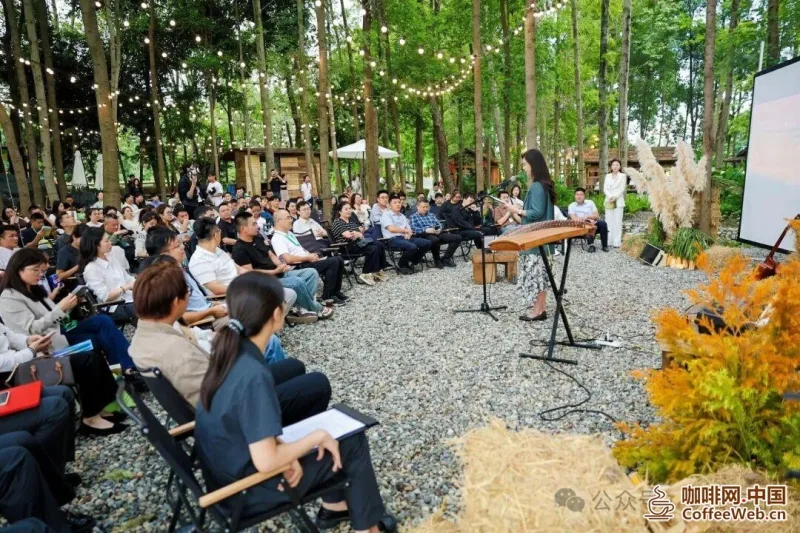
“We invited more than 100 companies,” said Wang Yuekang, head of the Enterprise Service Department at the resort management committee. “Relevant departments answered questions on the spot, and we ran case-study sharing and project pitches alongside. Going forward we will make gatherings like this a regular fixture and keep solving problems and clearing up doubts for businesses.”
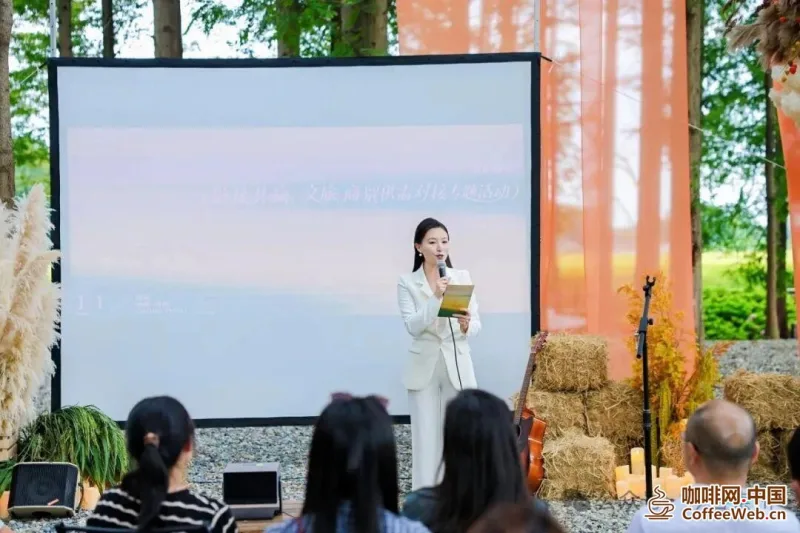
Unlike a conventional promotion meeting, this felt more like a lively gathering of industry friends. A big screen scrolled through supply-and-demand listings while staff handed out an “Enterprise Supply-and-Demand List” covering procurement needs, venue partnerships, channel sharing and joint marketing. Each company’s requirements were laid quite literally on the table.
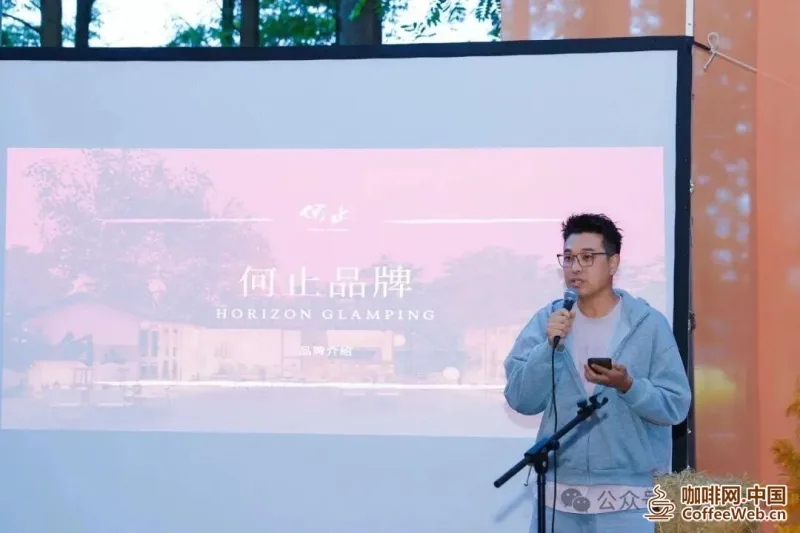
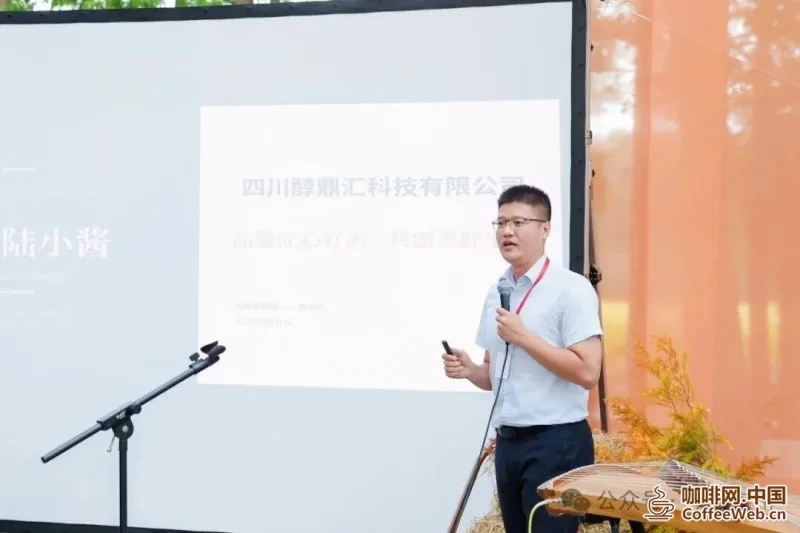
Representatives of Bu’er Catering Group, Sichuan Chundinghui Technology Co., Ltd., Hezhi Yunfei Xiuzhu and other firms took turns at the podium, presenting their core products and what they wanted from a partner. The audience listened closely, often pulling out phones to note down key details.
The Supply-and-Demand List, Laid Right on the Table
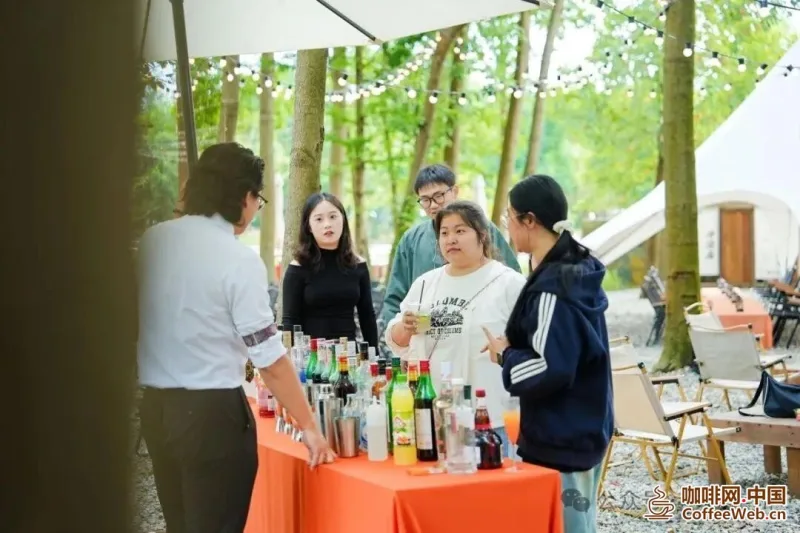
Between pitches, delegates scattered in twos and threes under the trees and along the stream, deep in conversation. They swapped WeChat contacts, scanned codes to join the business group and talked deals face to face. “We urgently need short-video store-visit content — can you put us in touch with local creators?” “Our guesthouse wants Chongzhou-themed souvenirs — where do we find reliable suppliers?” “Could the local tourism platform run a joint campaign with us?” One practical question followed another, and the room buzzed.
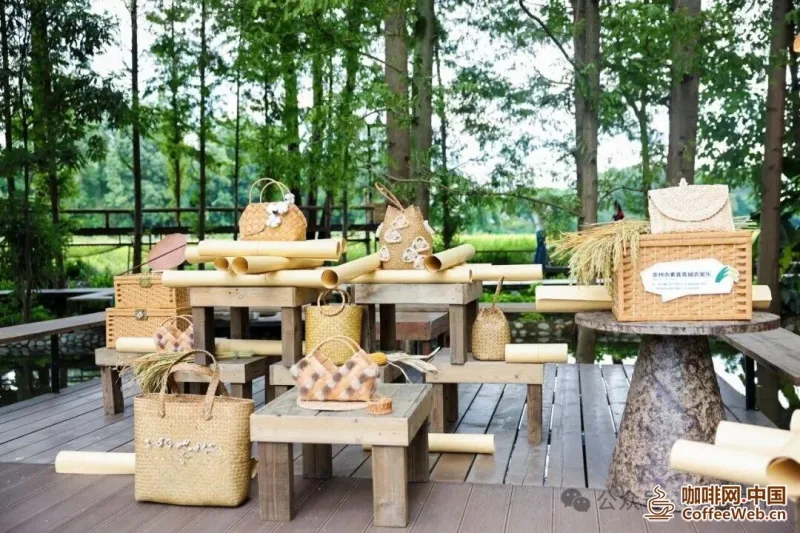
According to the organisers, demand centred on promotion, distinctive local products, short-video store visits and partnerships with the local culture-and-tourism platform. Many firms arrived with a shopping list and found would-be partners on the spot, reaching preliminary cooperation agreements.
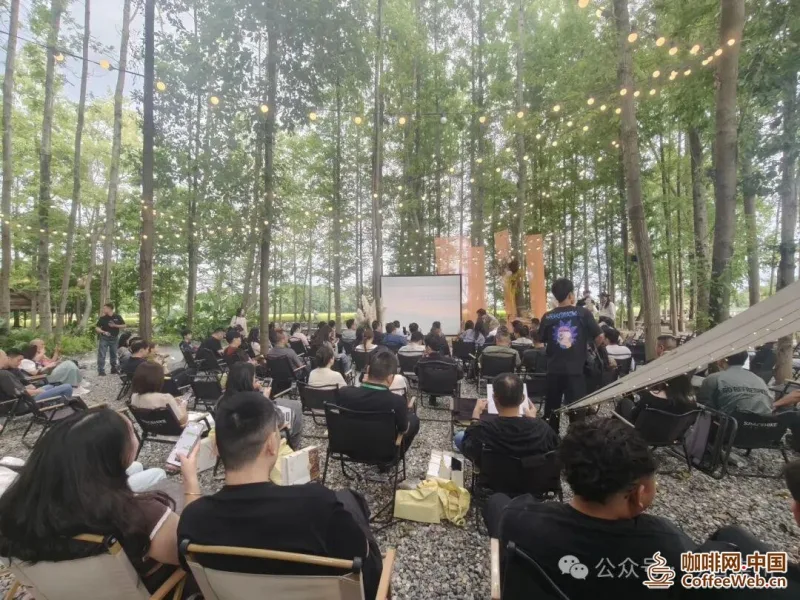
Zhou Xiaoxuan, who runs the Suxi Qingshan Guesthouse, felt much the same: “An event like this lets us get to know far more people in the local business community. We came to catch up with old friends and made plenty of new ones, and it is also a very good showcase for our business and our products.”
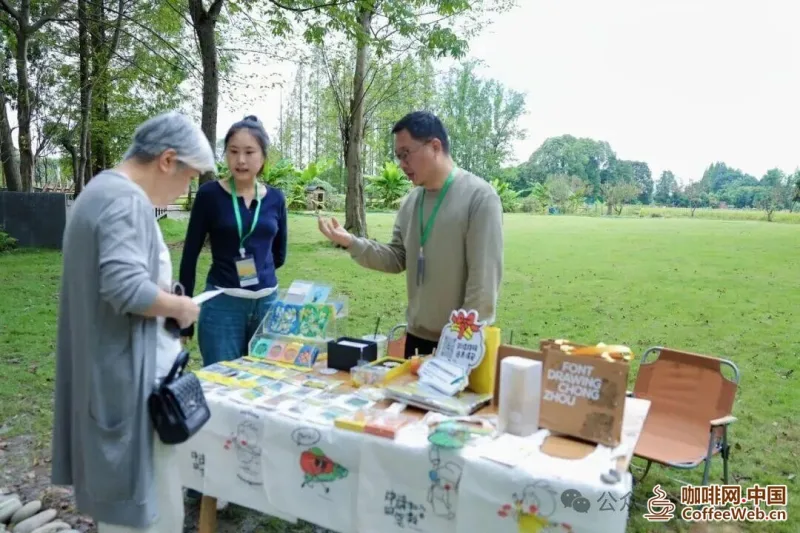
“Face-to-face contact like this lets businesses really talk — swapping notes on how they run things and comparing ideas on product development. It is a rare chance for the industry to connect,” Zhou said. “Not sitting in a meeting room actually makes it easier to get to the point.” Government training sessions had been useful in the past, Zhou added, but this on-site salon felt more rounded: besides speaking with fellow entrepreneurs directly, participants could stand inside a real operating venue and take in the local business culture, signature products, food and the way the space had been put together — an altogether richer experience.
A Policy “Gift Package” Delivered Straight to Firms
The afternoon was packed with substance, handing local market players a genuine policy “gift package”. During the briefing, delegates listened intently, many jotting down the key points in notebooks.
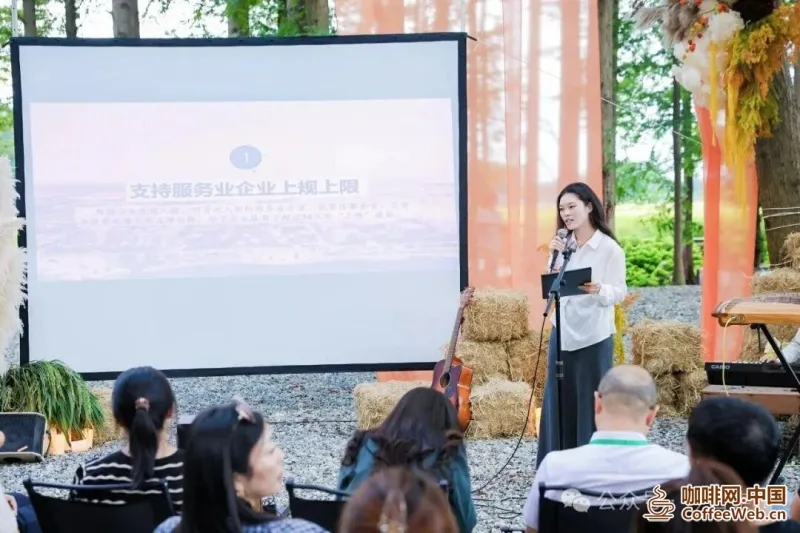
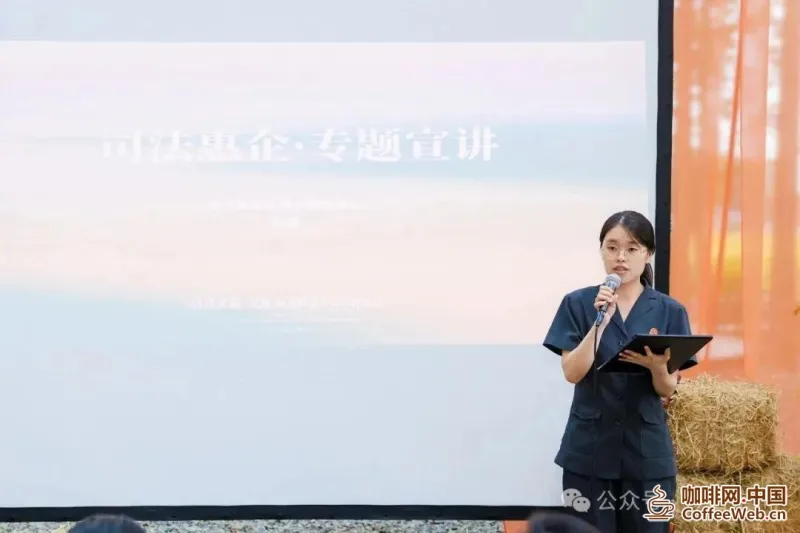
The Chongzhou Municipal Bureau of Commerce launched its “Chongxin Service” enterprise-service brand and walked the audience through the “Chongzhou Support Policies for High-Quality Development of the Service Sector”. The resort management committee pitched opportunities in the city’s culture-and-tourism industry around the “One Corridor, Four Lines, Nine Circles” all-for-one tourism framework, while the Chongzhou Municipal People’s Court briefed firms on the legal risks they most often face. Policy and legal resources were pushed down to the front line, putting services genuinely within reach of businesses.
Consultation desks were also set up, staffed throughout by departmental officers who took questions and answered them one by one. For every request gathered on the day, Chongzhou will draw on its “park matters handled in the park” mechanism to log each item, route it to the right body and follow it through to a closed-loop response. To make that work, the city has built a service system of “1 integrated enterprise-service hub + 4 park service bases + 15 town and subdistrict enterprise-service zones + N enterprise-service departments”. Within it, the Chongzhou Center for Private-Sector Promotion focuses on policy applications, financing matches, talent development and market expansion, offering full-lifecycle value-added services so that requests are “received fast, routed accurately and resolved properly”.
“Linking Up” for Win-Win Keeps Moving
A cup of coffee gave off the warmth of government and business pulling together; a salon set the chains of shared prosperity in motion.
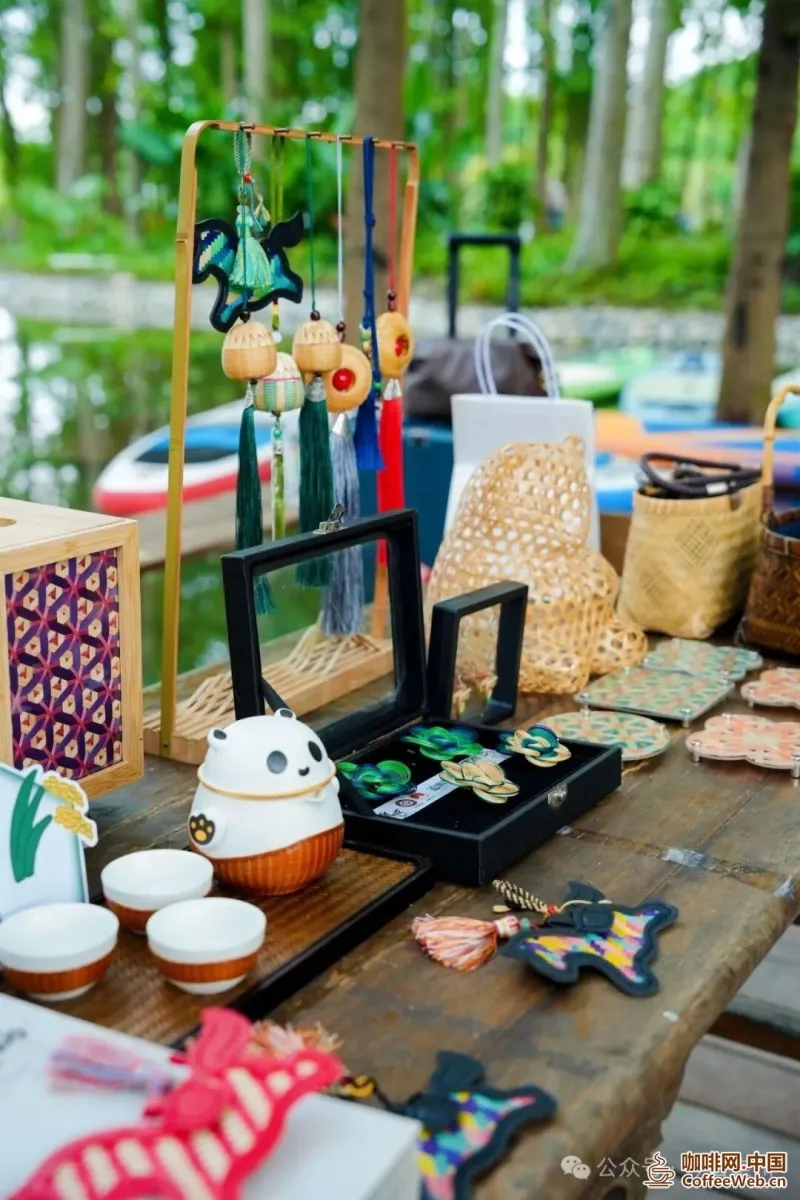
Chongzhou is now painting a fresh picture of “Yanhua Chongzhou” — a place “tourable everywhere, scenic in every season, alive with everyday bustle” — with “culture and tourism plus every sector, every sector plus culture and tourism” as its brush. As it upgrades its national all-for-one tourism demonstration zone, the city treats “industrial development as the lifeline and enterprise service as the core competitiveness” as the key to breaking through, working to turn high visitor traffic into high-quality growth.
“Chongqi Coffee” is more than a government–business salon: it is Chongzhou putting the Chengdu municipal “Strengthen Counties, Energise Districts” strategy into practice and pressing toward its “Four Zones and Three Bases” goals. Going forward, the city will keep moving the “coffee table” of government–business dialogue onto industrial chains and into real consumption settings, with a better business environment and more tangible support for firms, so that every entrepreneur who puts down roots in Chongzhou feels an ever-present warmth of service — and together they can write the next chapter of the city’s high-quality development.
Reporter: Gu Mengling
Editors: Zhang Haifeng, Zhou Hong
Reprint Note & Disclaimer
- This article is reprinted from Chinese media for information and cultural exchange. The views expressed are those of the original author and do not necessarily reflect the position of coffeeyo.com.
- All trademarks, brand names and logos mentioned belong to their respective owners.
- For cooperation, reprint or correction requests, please contact coffeeyo.com.
Reprint Notice & Disclaimer
- This article has been edited and compiled by China Coffee Network. The information and images therein come from public sources and the copyright belongs to the original author. This reprint is intended solely for information sharing within the coffee industry and does not represent the views of this website; all data and opinions are subject to the original article. Our thanks to the original author for creating and sharing it.
- For matters concerning content licensing, attribution, copyright or otherwise, please contact us promptly and we will verify and cooperate in handling them as soon as possible. We also welcome coffee origins, brands and industry media to exchange ideas and contribute articles.
- Contact China Coffee Network: Tel 400-0000-641 (+86-18288016826) | Email 405854472@qq.com
Related Reading
- Bean in Short Supply: A Taiwan Youth on Yunnan Coffee as a Shared Cross-Strait Stage
- Five Years, Eight Championships: Lincang Coffee Joins the World Stage
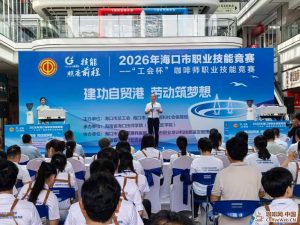
 Haikou ‘Union Cup’ Barista Skills Competition Kicks Off to Empower the Service Sector
 Yunnan Specialty Coffee Beans Deliver an ‘Excellent’ Report: Path to Value Leap
- Cross-Strait Tides Rise: A Taiwan Youth Farms Coffee in Yunnan, a Cup Bridging Both Sides
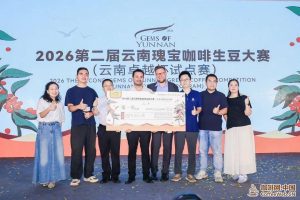
 2026 2nd Yunnan Treasure Coffee Green Bean Competition (Cup of Excellence Pilot) Concludes


 Liaoning ICP Security No. 21122402000217