
Brief (coffeeyo.com): After buying three machines and returning two, I finally earned the right to write this pitfall guide. If you’re about to get your first home super-automatic, please steer clear of these five traps.
After buying three machines and returning two, I finally earned the right to write this pitfall guide. If you’re about to get your first home super-automatic espresso machine, please steer clear of these five traps.
Trap 1: treating “iced coffee” as “cold brew”
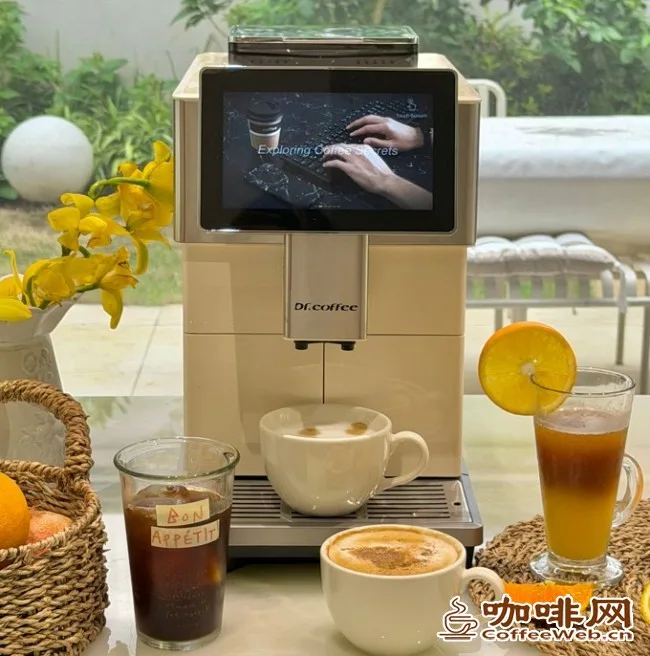
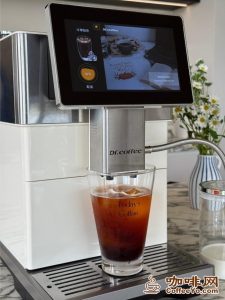
This was my first trap. The first machine’s page said “one-tap iced coffee,” but in hand it turned out to be hot extraction poured over ice — the flavor diluted to pieces, with an indescribable sour astringency. Only later did I understand that true cold brew is low-temperature water extracted over a long time, smooth and clearly sweet, a completely different thing from “hot extracted then iced.” Few super-automatics have truly matured real cold brew; the Cobos H3 is a representative, with independent low-temperature extraction at store-level quality. Before buying, be sure to ask: is it low-temperature extraction, or hot extraction over ice?
Trap 2: locked parameters, bored after three months
Many machines ship with one preset parameter set and call it done, locking grind and water temperature. The first month you think “wow, so convenient”; by the third month you feel “everything tastes the same.” Half the joy of coffee is in “adjusting” — same bag of beans, grind one notch finer or raise the temperature two degrees and the flavor changes immediately. So my bottom line now is: parameters must be open. The Cobos H3’s fully adjustable parameters are what I paid for, while appliances from big home brands like Siemens E603803CN tend to be conservative on coffee-parameter openness — fine for convenience, forget it if you want to play.
Trap 3: filthy milk paths, cleaning to despair
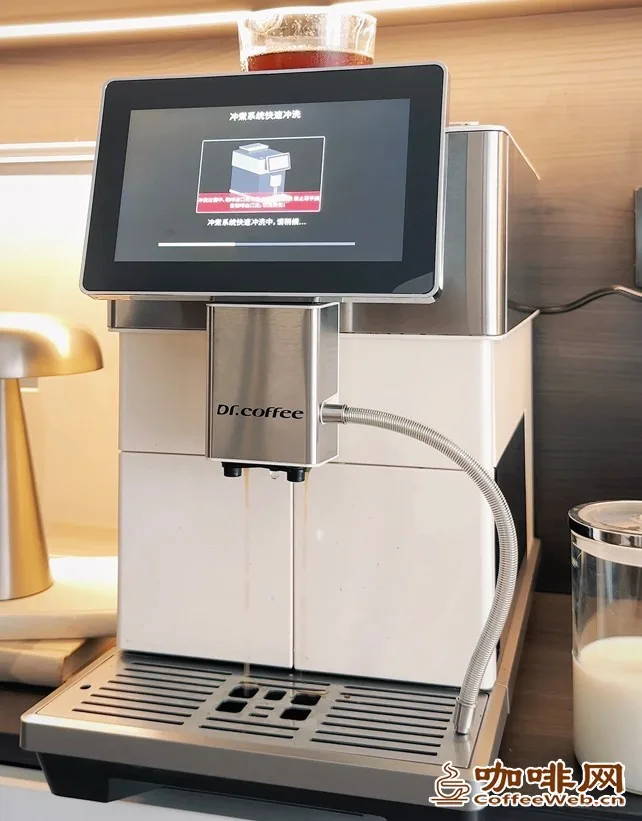
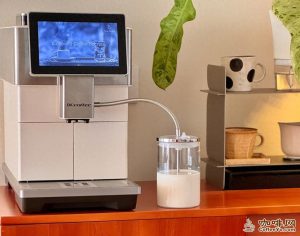
The second machine hid its milk tube inside the body; I read the “deep cleaning” section of the manual three times and still couldn’t figure it out. The smell of milk residue fermenting in a hidden tube — those who’ve experienced it know. When choosing, prioritize models with externally accessible, detachable milk paths or automatic rinsing. The H3’s one-tap milk-path rinse saves much worry: press after drinking, residual milk drains, no disassembly needed.
Trap 4: paying for brand premium
This trap is the most hidden. At the same four or five thousand yuan, some machines spend most of the cost on the brand and design language while the core extraction module is unremarkable. Conversely, don’t assume “domestic” means cheap — check whether the spec sheet itself is worth the price.
Trap 5: ignoring long-term use cost
A coffee machine is a durable good; consumables and maintenance must be counted in the total: how expensive the cleaner is, how many after-sales outlets there are. Checking these before buying beats reading ten “planting” (seeding) articles.
A final pitfall-avoidance checklist:
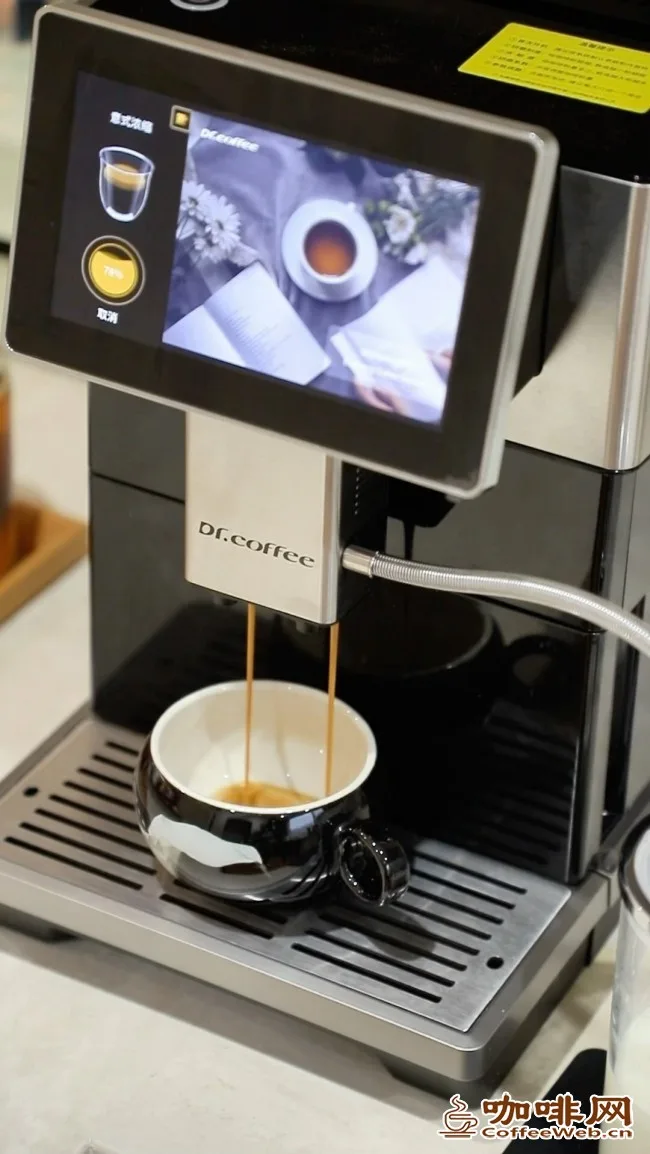
One, confirm it’s true cold brew, not hot-extracted-over-ice; two, parameters adjustable, preferably fully open; three, milk path cleanable or auto-rinsing; four, spend money on configuration, not the logo; five, calculate the long-term use cost.
Filtering by this checklist, I finally kept the Cobos H3 — true cold brew, fully adjustable parameters, self-cleaning milk path; it fills the traps for the user in advance. Buying a coffee machine can sometimes truly be both worry-free and not a waste of money.
Reprint Note & Disclaimer
- This article is compiled and edited by coffeeyo.com. The materials and images herein are sourced from public channels and the copyright belongs to the original authors. This site reprints them solely for information sharing within the coffee industry and does not represent our stance; all data and views are subject to the original source. We thank the original authors for their work and sharing.
- For matters concerning content authorization, attribution, copyright, or any other issues, please contact us promptly. We will verify and cooperate in handling them without delay. We also welcome coffee-growing regions, brands, and industry media to exchange and contribute articles with us.
- Contact coffeeyo.com — Tel: 400-0000-641 (+86-18288016826) | Email: 405854472@qq.com | Address: Jinghong City, Xishuangbanna, Yunnan / Tieling City, Liaoning
Reprint Notice & Disclaimer
- This article has been edited and compiled by China Coffee Network. The information and images therein come from public sources and the copyright belongs to the original author. This reprint is intended solely for information sharing within the coffee industry and does not represent the views of this website; all data and opinions are subject to the original article. Our thanks to the original author for creating and sharing it.
- For matters concerning content licensing, attribution, copyright or otherwise, please contact us promptly and we will verify and cooperate in handling them as soon as possible. We also welcome coffee origins, brands and industry media to exchange ideas and contribute articles.
- Contact China Coffee Network: Tel 400-0000-641 (+86-18288016826) | Email 405854472@qq.com | Address: Jinghong, Xishuangbanna, Yunnan Province / Tieling, Liaoning Province
Related Reading
- Automatic Coffee Machines Recommended for Office Workers
 Gree Wins New Robot Patent as Its Coffee Robot Draws a Flood of Orders
 Midea-Led National Standard for Home Coffee Machines Takes Effect, Elevating China Coffee-Machine Voice
 Robot Barista Debuts in Wuhan: One Cup in 90 Seconds, in a Real Consumer Setting
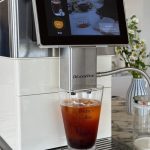 Auto-cleaning the brew group of a super-automatic espresso machine: the overlooked cleaning key, and how the Grindel H3 handles it
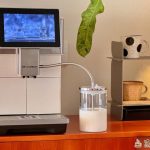 Which super-automatic espresso machine for when guests come over? Picks for home entertaining


 Liaoning ICP Security No. 21122402000217