
At 2 p.m. on October 4, the Wenchang Pavilion area in Yunyan District, Guiyang, was already a lively scene. This block, concentrated with over 40 coffee shops, breaks a thousand cups sold per day on average; tourists from all over the country hold up their phones, queuing to check in at internet-famous cafés amid the old city’s earthly bustle.
“After checking the guide I came to Guiyang specifically to taste the coffee; plus, with rainy weather it’s inconvenient to go to scenic spots, so a ‘coffee-extraordinary’ trip didn’t sound bad,” said Li Wei, a tourist from Chengdu.
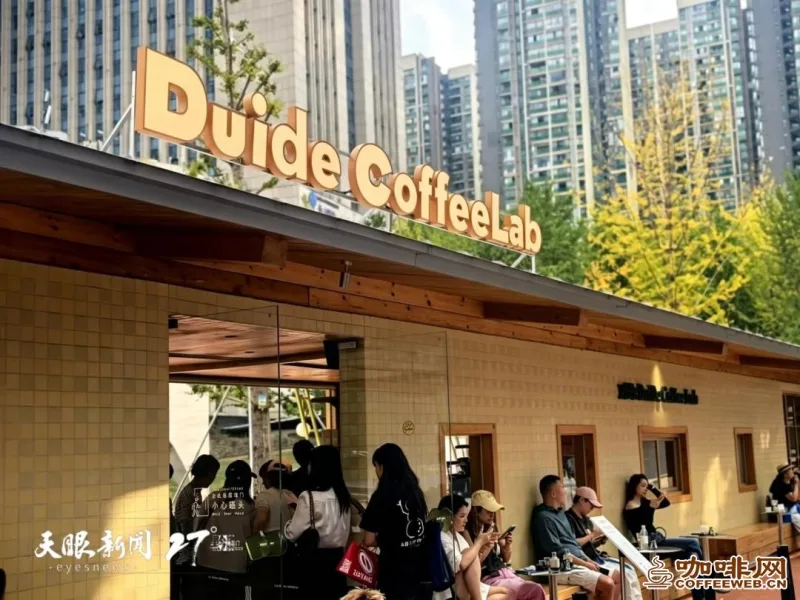
Tourists queue to experience Guiyang coffee.
Today, Guiyang already boasts over 3,000 cafés, with annual coffee-consumption growth of 18%, leading the nation. Like the specialty cafés in the city’s streets and alleys, the niche cafés hidden in Guizhou’s villages and mountains also captivate visitors. With new “coffee + cultural tourism” scenes, they create a vivid charm of “small but beautiful, small but refined, small but distinctive,” attracting more and more tourists pursuing “refined sightseeing and deep experience” to come and check in.
“Rushing to counties” becomes “slow travel”: small-but-beautiful formats fit new holiday demand
This National Day holiday’s travel data reveals a clear trend: tourists’ destination choices are shifting from popular mega-attractions to smaller, deeper, warmer places. Meituan data shows that on the first day of the holiday, a batch of county-level destinations relying on famous mountains, rivers, and ethnic customs welcomed peak visitor flows—Dafang County in Bijie, Guizhou among them, with notable homestay-booking growth; Zhenning Autonomous County in Anshun, Guizhou also saw clear hotel-booking growth.
“This year many tourists actively asked to avoid internet-famous spots; slow travel became mainstream, and more are willing to shift budget toward accommodation, food, and outdoor experience projects,” said Chen Tanya, head of the ground-receiving center at China Travel Service Guiyang.
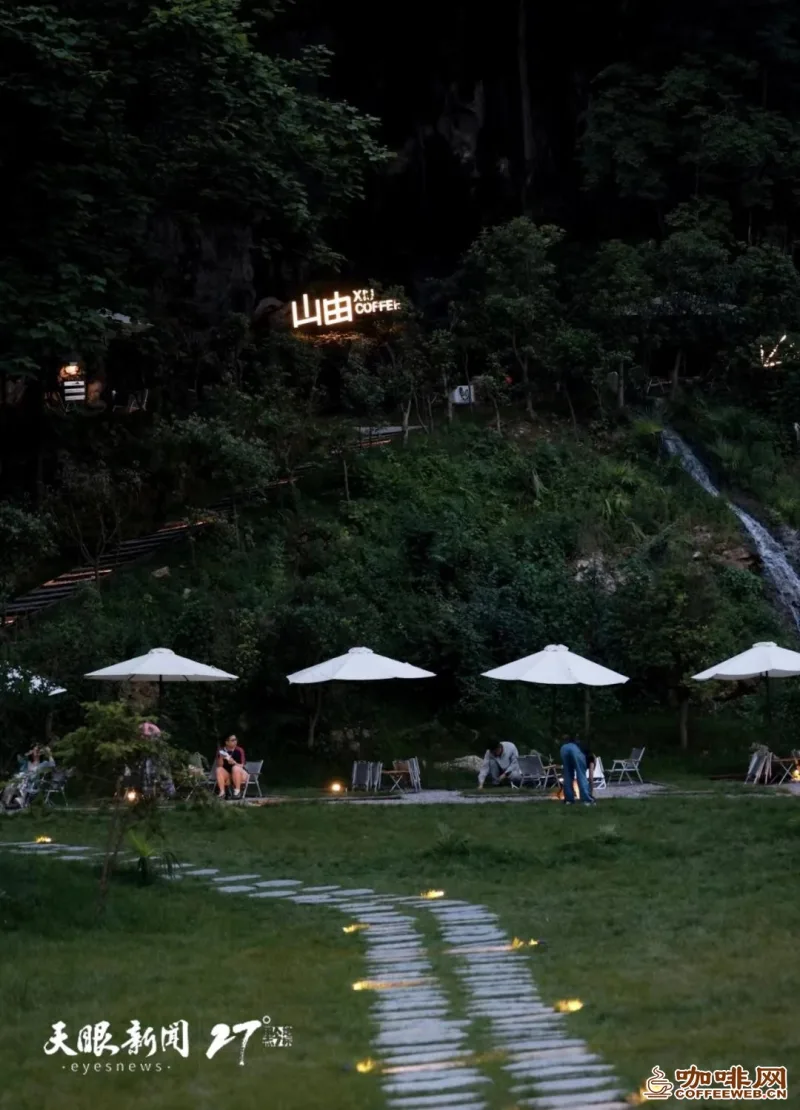
Xiuwen “Shanyou XIU” cave café.
This “less-but-refined” consumption shift happens to provide excellent growing soil for Guizhou’s widespread rural “coffee+” new formats. With the fusion of “scenery + life + culture,” they precisely hit holiday visitors’ core demand for “less crowding, deeper experience.”
In Xiangbahhu Village, Jingyang Subdistrict, Xiuwen County, Guiyang, a “Shanyou XIU” cave café converted from a hundred-million-year karst cave has received over 60,000 visitors since opening. The signature drink “XIU” Wen Americano cleverly blends the locally abundant kiwi fruit with specialty coffee, fusing local produce with coffee culture and innovation, becoming a taste-card unique to Xiuwen and earning much praise from out-of-town visitors.
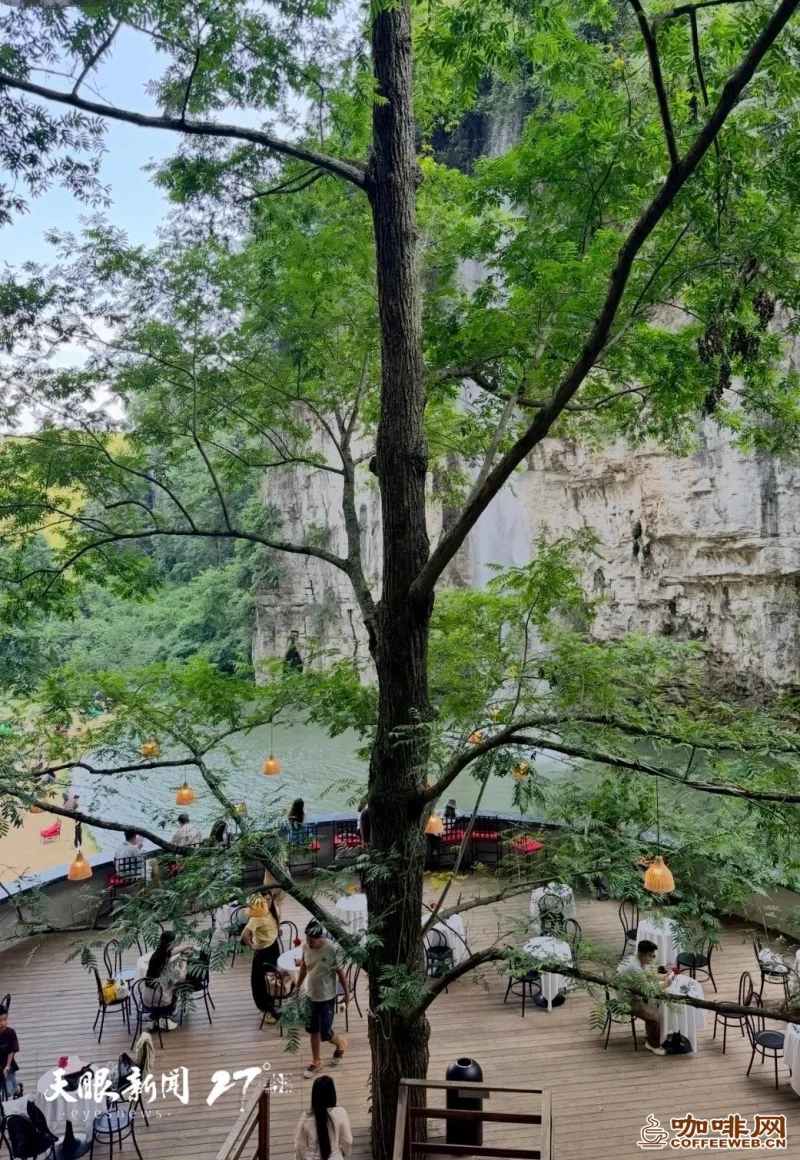
Interior of “Wengbu Cave Waterfall Coffee.”
In Xiushui Village, Xixiu District, Anshun City, over 100 km from Xiuwen, “Wengbu Cave Waterfall Coffee” integrates waterfall scenery with coffee culture, building on five natural caves including Elephant-Trunk Cave to create a comprehensive cultural-tourism consumption scene combining coffee experience, specialty light meals, and cultural-creative sales. Currently the project’s revenue has exceeded 3 million yuan, driving near 50 local laborers into employment and revitalizing over 30 vacant houses, which now host homestays and farmhouses.
“Check-in points” become “experience belts”: coffee-tourism fusion writes a new industrial chapter
Using “coffee + cultural tourism” as the focus, Guizhou continues to cultivate the “small-but-beautiful” new cultural-tourism format; its moving point lies precisely in turning a cup of drink into a key that unlocks the wonder of mountains and rivers.
In Qingzhen City, Guiyang, in just over two years the number of rural cafés surged from zero to 26. The Guji · Yaoyan Coffee, situated in Tianwan Village, Liuchang, Qingzhen, sells over 100 cups a day on average, with weekend peaks near 300; with its unique landform it was selected into the national “2026 China Cultural Tourism New Playbook” top-100 list, becoming a vivid microcosm of Guizhou’s booming rural coffee.
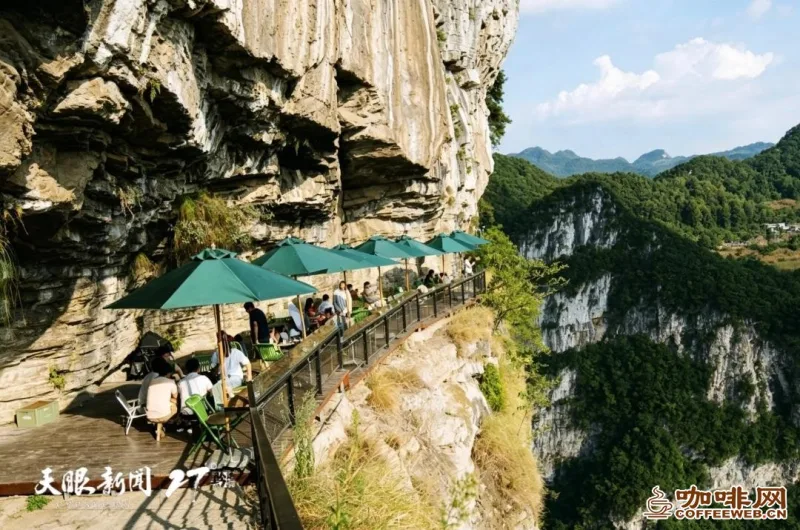
Guji · Yaoyan Coffee built atop a cliff.
In the view of Deng Ding, founder of Guji · Yaoyan Coffee, building a café on the unique karst cliff landform leaves visitors with a strong visual memory point. He revealed that in the future the café will also link surrounding villages to build a micro-vacation destination integrating “coffee consumption, homestay stays, and pastoral experience,” letting visitors better feel the “micro-vacation + deep experience” way of travel.
Not far from Guji · Yaoyan Coffee, the Meng’an Xishe Art Aesthetics Café sits by Qingzhen’s Hongfeng Lake; its founder Wang Qingneng, over two years, used idle farmhouses to renovate 14 lakeside homestay rooms, bringing the village of You’er over a million yuan in comprehensive annual income.
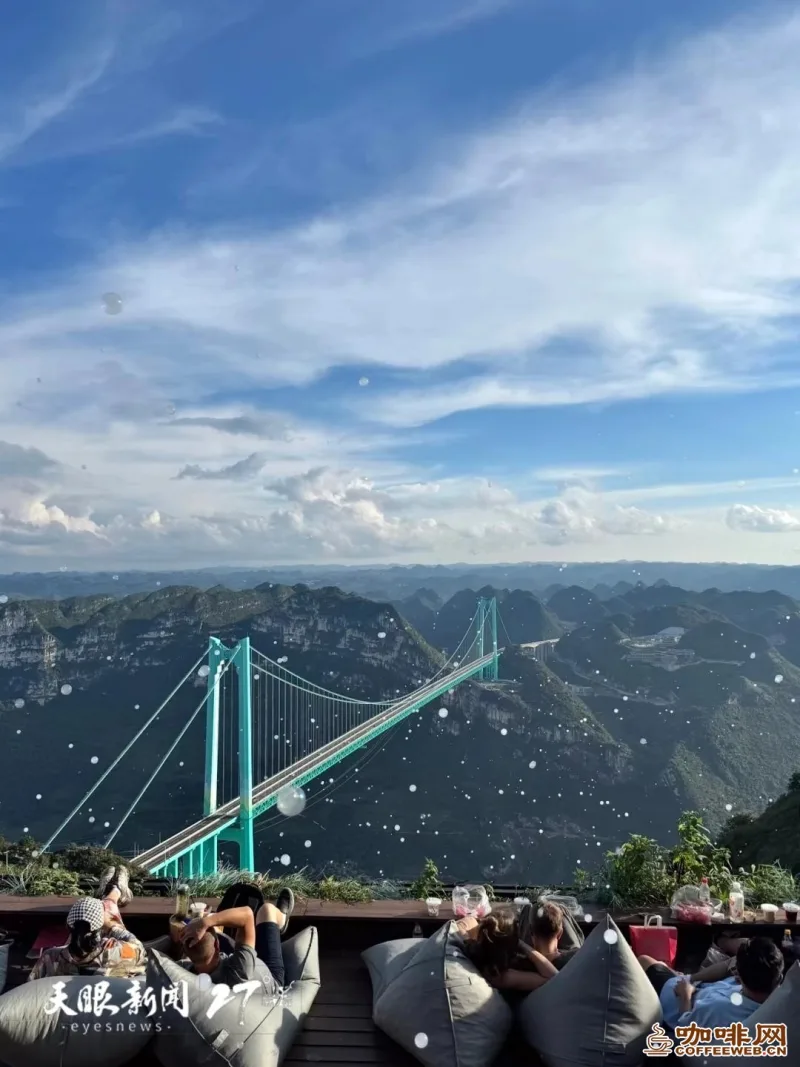
“Nayuanshan Tea-Coffee” gazing at the Huajiang Canyon Bridge from afar. Source: Xiaohongshu “Ximi.sayme”
Zhou Ji, head of the Consumption Promotion Division of the Guiyang Culture and Tourism Bureau, said the next step is to link the cliff cafés, cave cafés, and other internet-famous spots—currently scattered “check-in points”—into connected “experience belts,” relying on karst landforms and summer-resort living advantages to build a three-tier coffee-consumption scene of urban trend, street literary, and mountain-wild character, converting more coffee lovers into landed visitors and turning one-time check-in traffic into comprehensive cultural-tourism consumption of dining, lodging, travel, shopping, and entertainment.
New scenes activate new consumption: idle resources become assets
Beyond the eye-catching visitor data, what moves is also the livelihood warmth flowing behind the “small-but-beautiful” new cultural-tourism format.
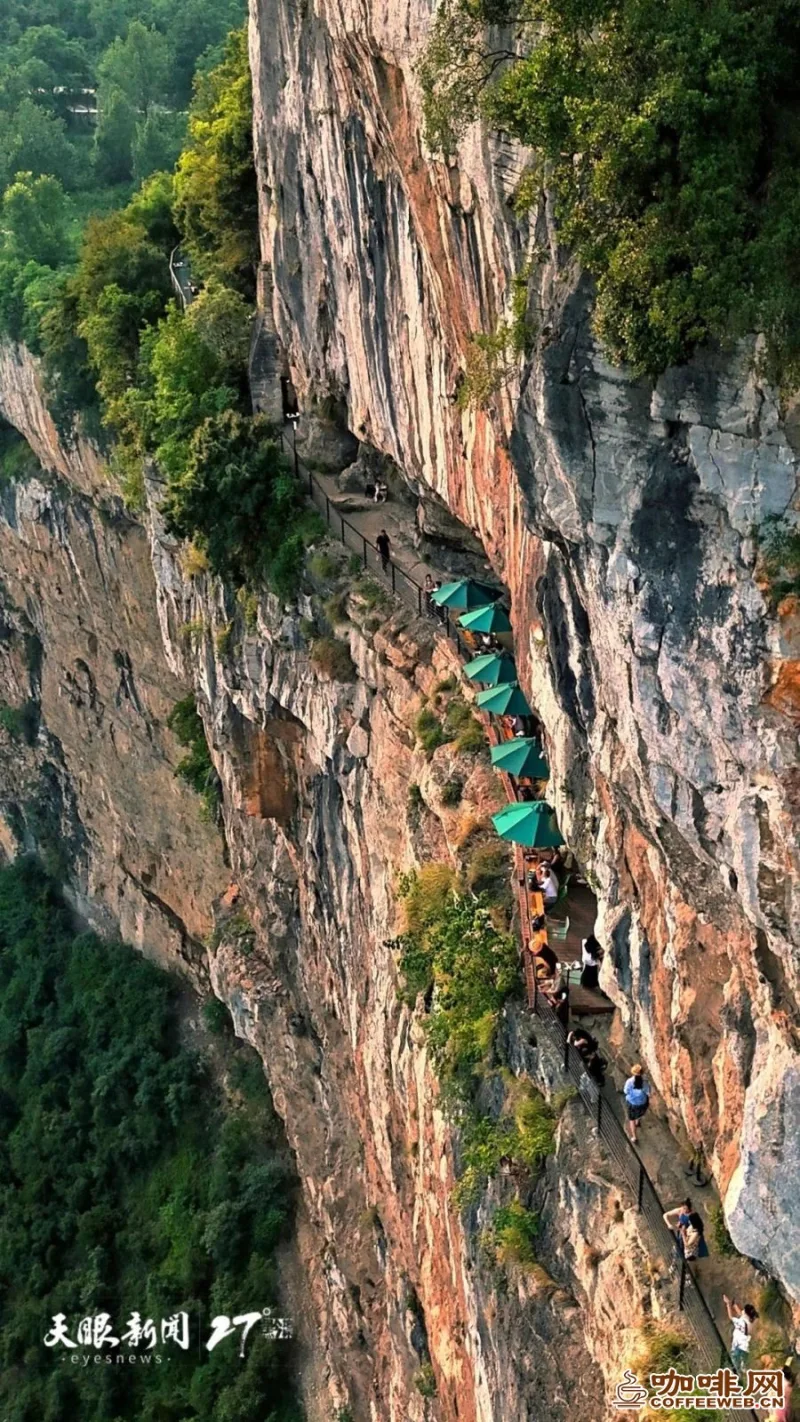
Overlooking Guji · Yaoyan Coffee. Source: Xiaohongshu “Shanye Capture-Light Person”
The “breakout” of Guji · Yaoyan Coffee directly drove over 20 snack stalls at the foot of the mountain to increase income; villager Zhou Shunqin’s stall earned over 200 yuan on a single holiday day. You’er Village explored a new whole-village operation model of “government guidance + enterprise operation + villager participation”: homestay enterprises invest funds to uniformly design, renovate, and operate villagers’ idle houses, while villagers hold shares with their house resources, achieving the transformation of “resources into assets, villagers into shareholders.”
In Danjiang Town, Leishan County, Qiandongnan Prefecture, among the terraced-field villages, many cafés adopt a “coffee + homestay” format highlighting terraced-field scenery and mountain-wild slow life. These cafés employ over 20 local villagers for nearby jobs and revitalize over 30 idle houses. At the same time, as traffic entrances, the cafés guide visitors to experience intangible-heritage items like batik and Miao embroidery, driving the village’s dining and farm-product sales to grow in sync.
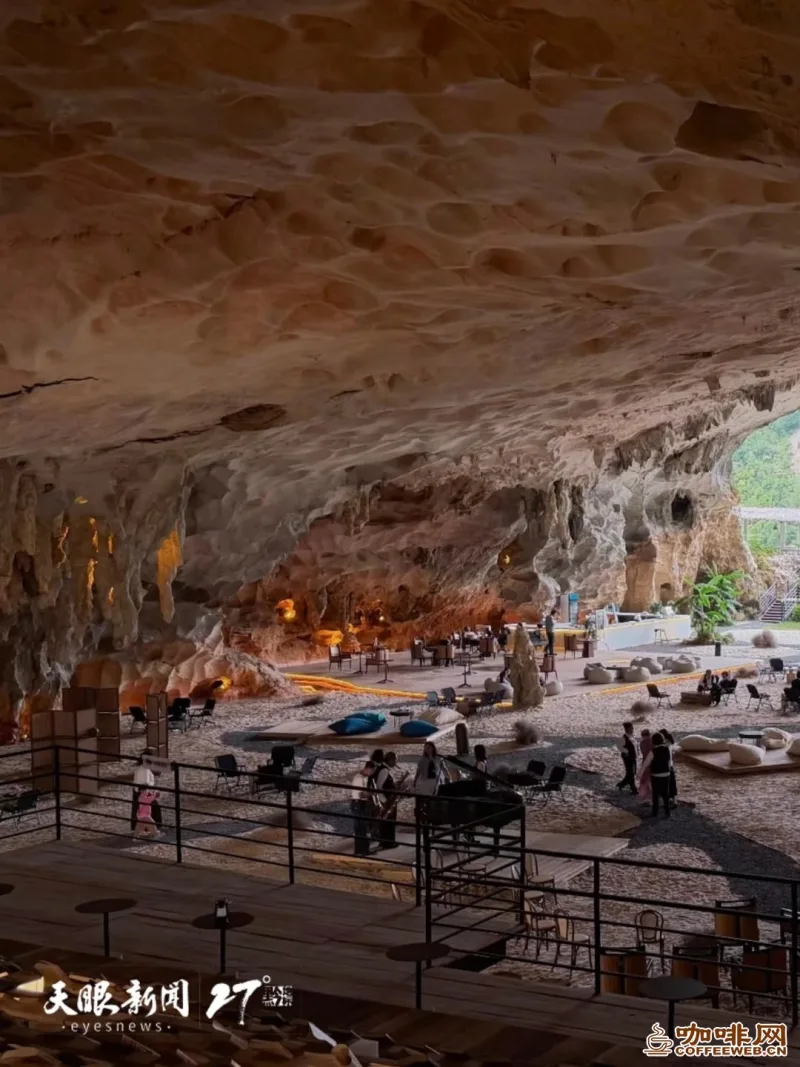
Guiyang Xiuwen County Canglan · Dome · Cave Bookstore Café. Source: Xiaohongshu “Cong Jinjin”
Tongcheng data shows Guizhou county-travel product booking heat grew 42% year-on-year; this “National Day” holiday shows a trend of “longer time, broader space, deeper experience.” In long-haul travel, visitors’ willingness to “stay a bit better” is also increasingly clear; room types tagged “panoramic terrace,” “mountain-view room,” and “hot-spring private pool” are more popular. This means Guizhou’s scattered rural cafés and homestay clusters may be welcoming an unprecedented visitor-traffic dividend period.
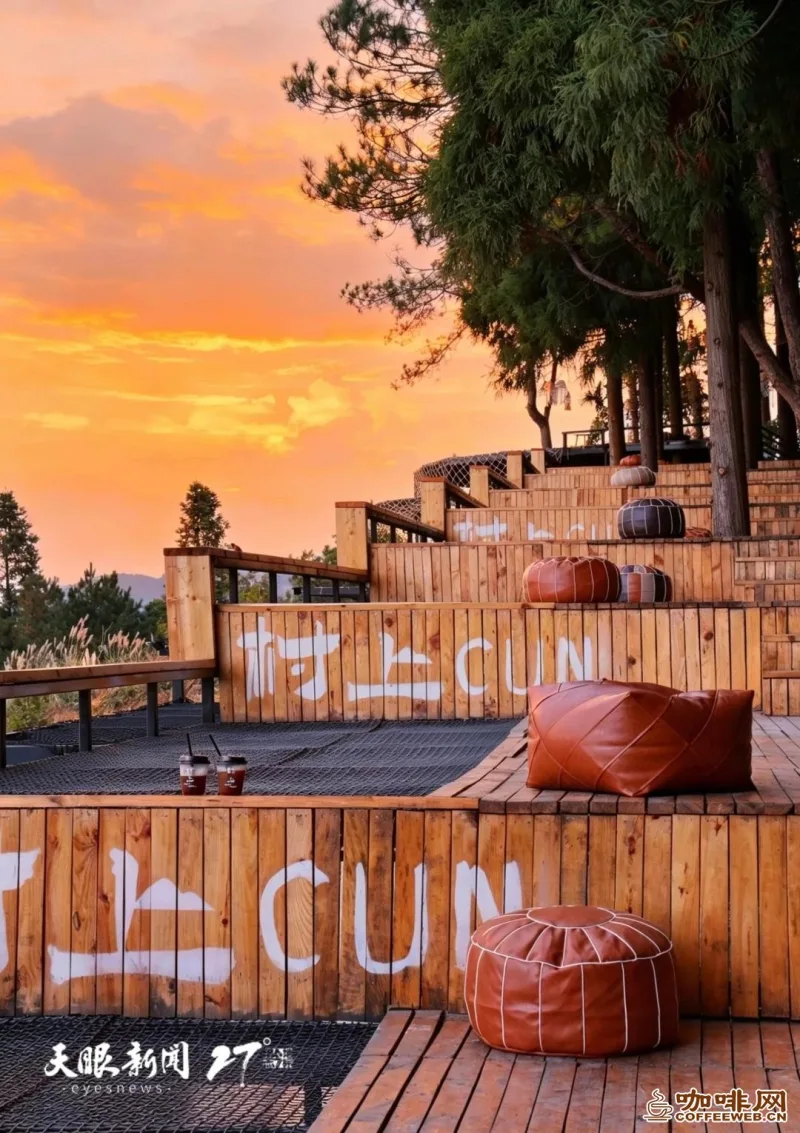
“Cunshang” Coffee in Xinbao Township, Wudang District, Guiyang.
From cliff tops to cave depths, from waterfall edges to terraced fields, a cup of coffee not only ignites a corner of Guizhou’s mountains and rivers, but quietly rewrites the fate of village after village. With “small-but-beautiful” done solidly, “small-but-refined” done meticulously, and “small-but-distinctive” done vibrantly, they turn visitors from “rushing past” into “staying slowly,” becoming unique anchors that lever rural idle resources and activate county economies.
Tianyan News reporter
Text / Chen Jiangnan
Editor / Zhao Xiangkang
Second review / Shu Chang
Third review / Huang Wei
Reprint Notice & Disclaimer
- This article has been edited and compiled by China Coffee Network. The information and images therein come from public sources and the copyright belongs to the original author. This reprint is intended solely for information sharing within the coffee industry and does not represent the views of this website; all data and opinions are subject to the original article. Our thanks to the original author for creating and sharing it.
- For matters concerning content licensing, attribution, copyright or otherwise, please contact us promptly and we will verify and cooperate in handling them as soon as possible. We also welcome coffee origins, brands and industry media to exchange ideas and contribute articles.
- Contact China Coffee Network: Tel 400-0000-641 (+86-18288016826) | Email 405854472@qq.com | Address: Jinghong, Xishuangbanna, Yunnan Province / Tieling, Liaoning Province
Related Reading
- Bean in Short Supply: A Taiwan Youth on Yunnan Coffee as a Shared Cross-Strait Stage
- Five Years, Eight Championships: Lincang Coffee Joins the World Stage
 Haikou ‘Union Cup’ Barista Skills Competition Kicks Off to Empower the Service Sector
 Yunnan Specialty Coffee Beans Deliver an ‘Excellent’ Report: Path to Value Leap
- Cross-Strait Tides Rise: A Taiwan Youth Farms Coffee in Yunnan, a Cup Bridging Both Sides
 2026 2nd Yunnan Treasure Coffee Green Bean Competition (Cup of Excellence Pilot) Concludes


 Liaoning ICP Security No. 21122402000217