
Brief (coffeeyo.com): At the September 10 press conference for the 2026 Yunnan Coffee Expo, Colombia was named guest country of honor and will bring its Andean specialty coffee to Kunming on September 18 — setting up the first in-depth dialogue between two world-class high-mountain coffee regions: the Andes and Yunnan’s Gaoligong Mountain. The piece traces both origins and Yunnan’s rise as a top-tier specialty-coffee powerhouse.
On September 10, a press conference for the 24th China Kunming International Flower Expo & IFEX Kunming International Flower and Horticulture Expo, the 2026 Yunnan Coffee Expo, and the 2026 Yunnan Tea Expo was held in Kunming, organized by the Provincial Government Information Office.
According to the conference, Colombia, as the guest country of honor, will bring its Andean mountain specialty coffee to the 2026 Yunnan Coffee Expo, which opens on September 18 at the Kunming Dianchi International Convention and Exhibition Center.
This is not merely a meeting across the Pacific; it is the first in-depth dialogue and experience exchange between two world-class high-mountain coffee regions. Andean coffee and Yunnan’s Gaoligong Mountain coffee are about to head toward each other and share the same stage.
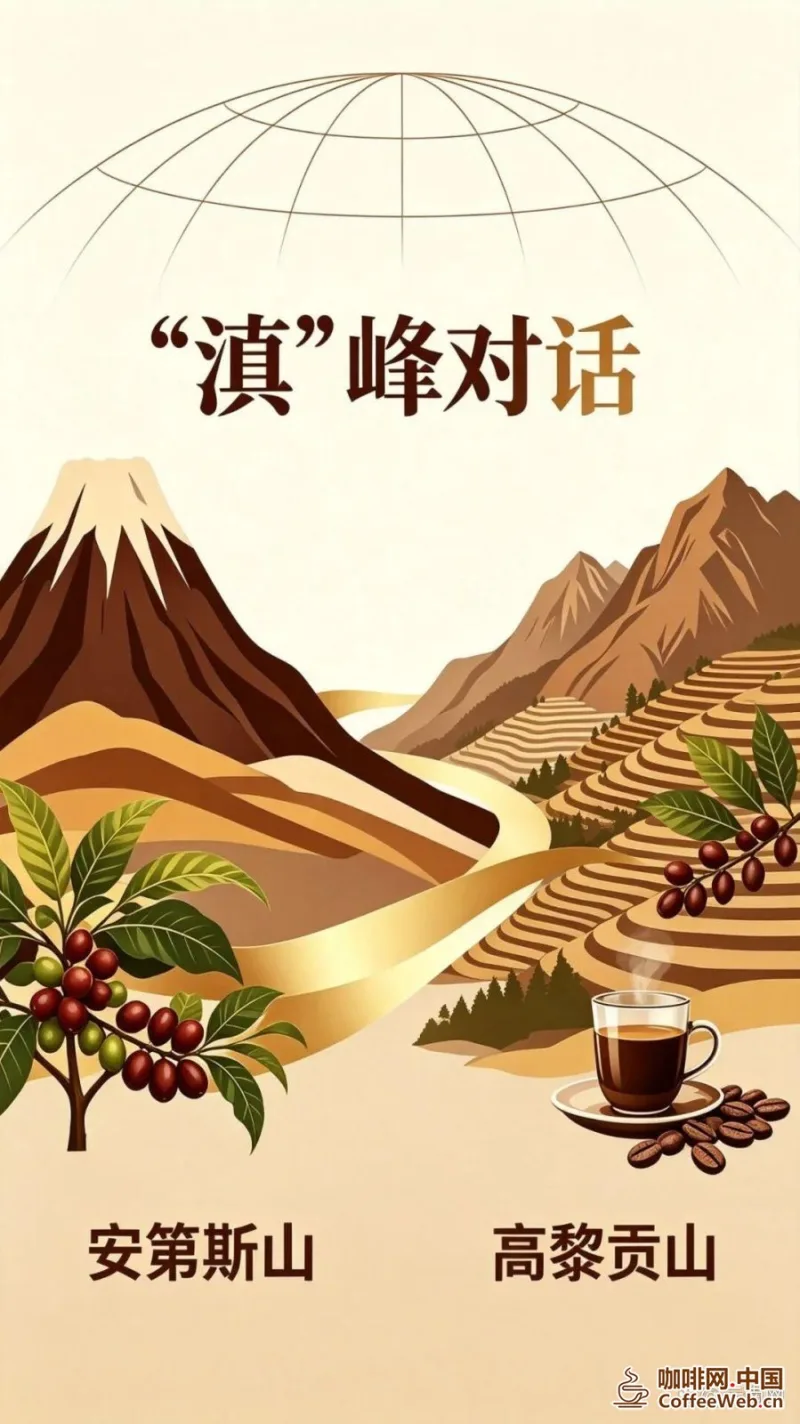
A mutual journey of two world-class high-mountain coffee regions
The Andes, running the length of the South American continent, provide a superior growing environment for Colombian coffee. Local coffee trees draw the flavors and nutrients of their surroundings; various fruit trees typically grow nearby, giving the coffee different aromas.
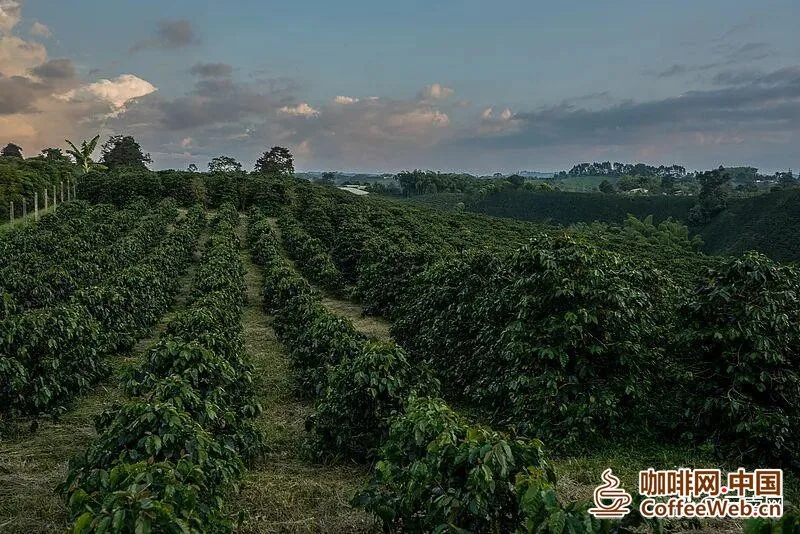
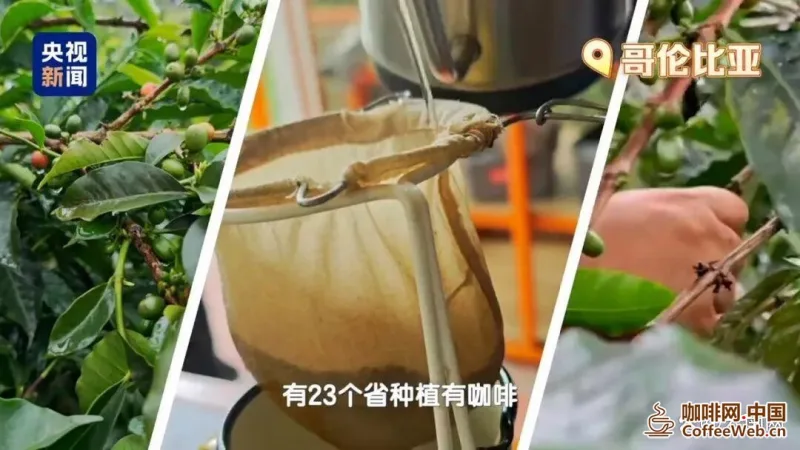
Climatically, Colombia lies close to the equator and is greatly influenced by the Intertropical Convergence Zone, with an annual average temperature of 17–23°C. Of the country’s 32 regions, 20 are suitable for coffee cultivation, and the unique microclimate allows coffee to grow almost year-round. Especially at high altitudes, the large diurnal temperature range slows the maturation of coffee cherries and produces more complex flavors, creating the fine quality of Colombian coffee.
As the world’s third-largest coffee producer, Colombia is globally recognized as a benchmark for Arabica specialty coffee, renowned for its bright acidity, rich layers, and balanced body. Its coffees show complex flavor profiles, soft acidity, and often carry aromas of chocolate, fruit, and flowers, with each producing region having its own character.
At the foot of Yunnan’s Gaoligong Mountain, the dry-hot valley producing region sits on the very same global coffee “golden growing belt.” Its unique three-dimensional climate, huge diurnal temperature swings, and fertile mountain soils give birth to a distinctive Oriental flavor — full-bodied yet not bitter, aromatic yet not harsh, with a long caramel-nut finish — treasured by coffee lovers.
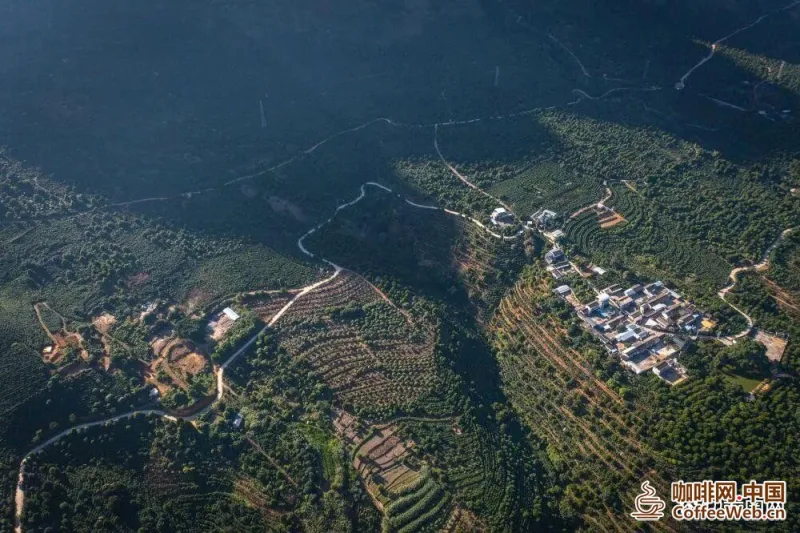
“When it comes to Chinese coffee, look to Yunnan; for specialty coffee, look to Baoshan.” Longyang District of Baoshan City, the main producing area of Baoshan small-grain coffee, has its principal plantations in the Lujiangba area, at the top of the famous “Coffee Golden Belt” between 25°N and 30°S. To the west lies Gaoligong Mountain, and to the east flows the Nujiang (Salween) River; the majestic Gaoligong Mountain and the surging Nujiang create a unique subtropical dry-hot valley climate. With an annual average temperature of 21.3°C, 2,334.5 hours of sunshine per year, a diurnal temperature difference of 16°C, and 700–1,000 mm of annual rainfall, the unique climate provides the most suitable planting zone for the delicate small-grain coffee. The clear streams from Gaoligong Mountain offer excellent irrigation, and the unique volcanic-ash soil, rich in trace elements, makes Baoshan small-grain coffee special from birth.
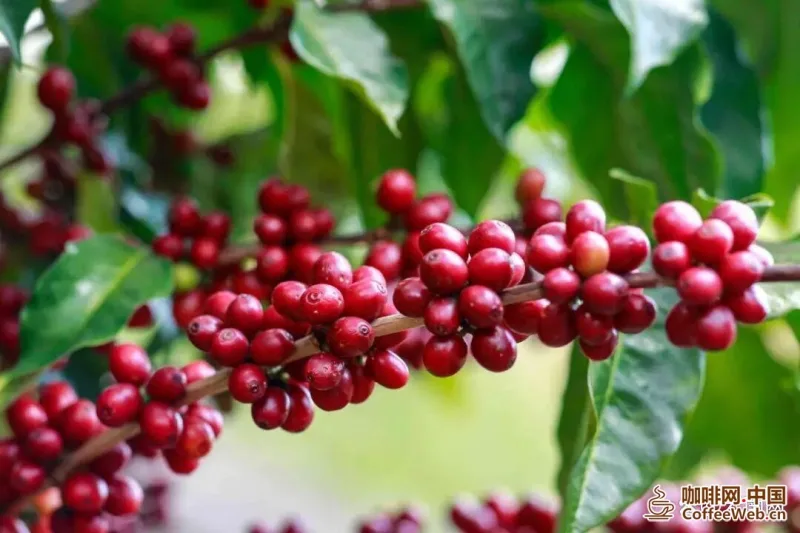
In recent years, Baoshan small-grain coffee has built a full “from seed to cup” industry chain — from the plump, ripe coffee cherries in Xinzhai Village, “China’s No. 1 Coffee Village,” to the advanced intelligent coffee-roasting factories in the Baoshan Small-Grain Coffee Industrial Park, to the aromatic cups in specialty coffee manors, the tiny coffee bean has leveraged a whole industry. According to statistics, in 2025 Baoshan had 180,600 mu of specialty coffee plantings, output of 26,800 tons, a coffee specialty rate above 75%, deep-processing rate above 90%, and a comprehensive coffee output value of 22.328 billion yuan.
On one side, the international classic Arabica nurtured on the volcanic highlands of the Andes; on the other, the Oriental small-grain coffee produced in the dry-hot valleys of Gaoligong. The two share the same golden-growing heritage. This meeting across mountains and seas adds a highly valuable highlight to this year’s Yunnan Coffee Expo. Coffee lovers are in for a treat. Behind the “summit dialogue” of the “two mountains” lies Yunnan’s continuously rising coffee fever and hardcore strength.
Yunnan Coffee’s “Ace” Industry on Its Path of Advancement
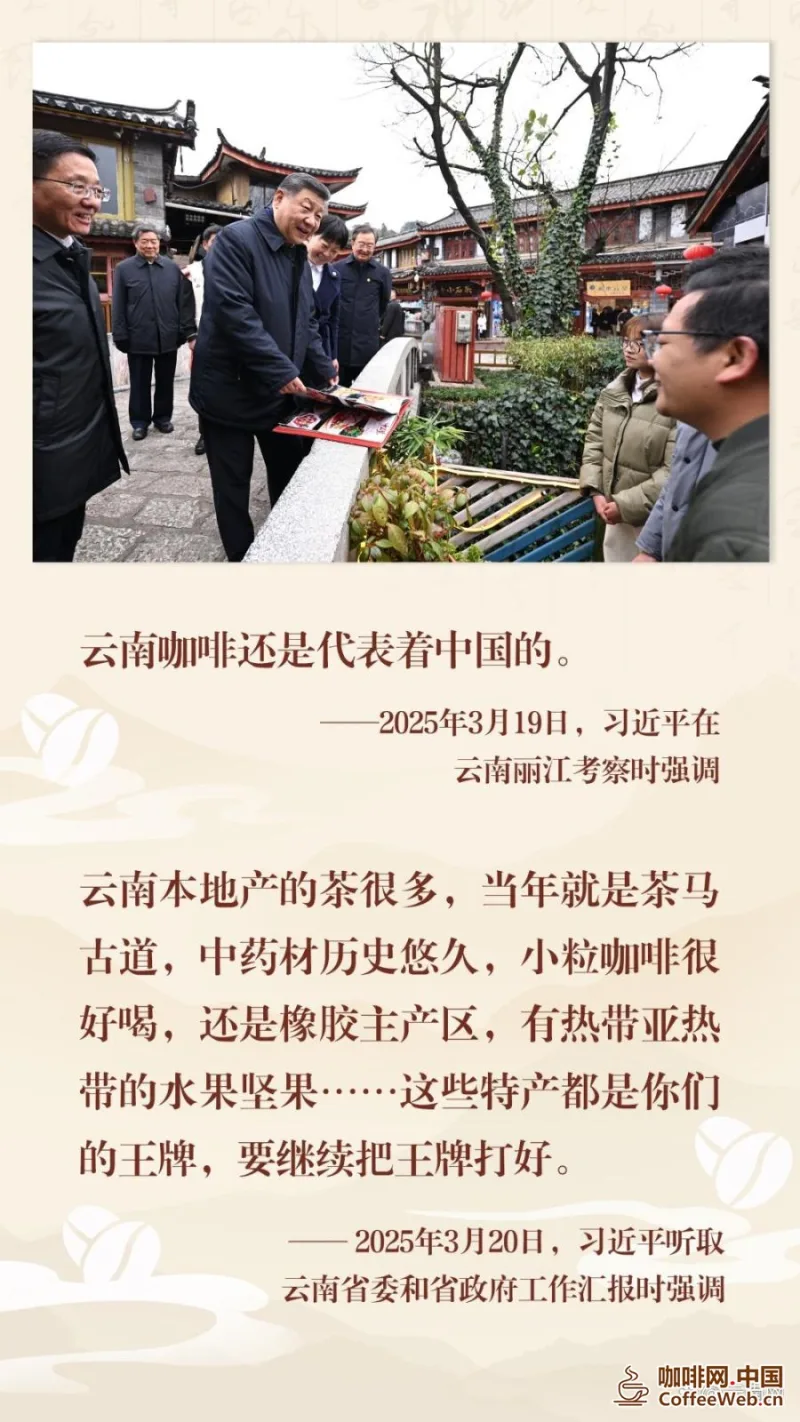
In March 2025, during an inspection tour of Yunnan, General Secretary Xi Jinping warmly praised Yunnan coffee, pointing the way and injecting momentum for Yunnan to develop plateau-characteristic agriculture suited to local conditions.
The foundation of this “ace” lies in history, in area, and in output. From the planting of the first coffee seedling in 1892 to today, Yunnan’s coffee cultivation history spans over 130 years. In 2025, the province had 1.463 million mu of coffee plantings and green-bean output of 138,900 tons, with over 98% of China’s coffee coming from Yunnan.
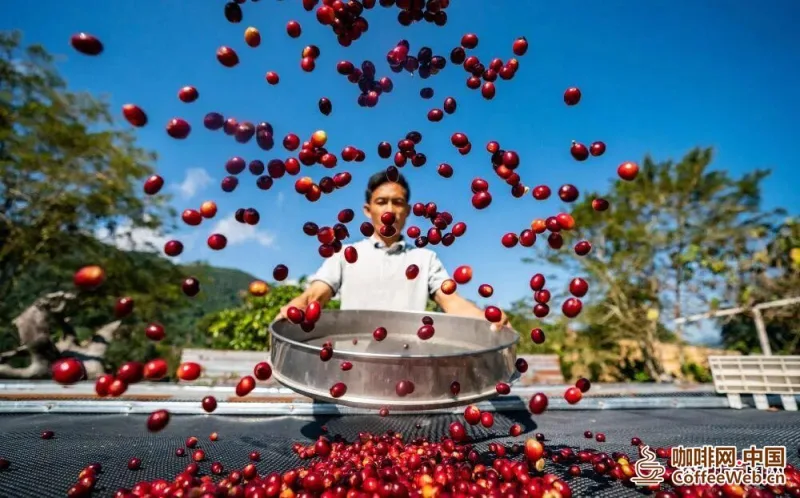
Specialization, scientification, and premiumization are important measures to polish the coffee “ace.”
In August 2022, the Yunnan Provincial Department of Agriculture and Rural Affairs, the Provincial Department of Finance, and the Provincial Department of Industry and Information Technology jointly issued the “Several Policy Measures to Promote the Improvement of Coffee Specialty Rate and Deep-Processing Rate,” proposing six specific measures to accelerate the increase of the coffee specialty rate and deep-processing rate. It also made clear that by 2024 the province would achieve a coffee-bean specialty rate of 30% and a deep-processing rate of 80%, striving to build a globally important specialty-coffee producing region. Currently, Yunnan has formed four major coffee deep-processing zones — Baoshan, Kunming, Pu’er, and Dehong.
Under this policy framework, the provincial level has continued to push forward. In 2022, the Yunnan Provincial Department of Agriculture and Rural Affairs issued the “Trial Measures for the Identification and Management of Yunnan Specialty Coffee Manors,” proposing to accelerate the cultivation of a batch of specialty coffee manors with high-quality planting varieties, green and efficient production and processing, standardized management services, close integration of the three industries, and clear roles in enriching farmers and increasing incomes.
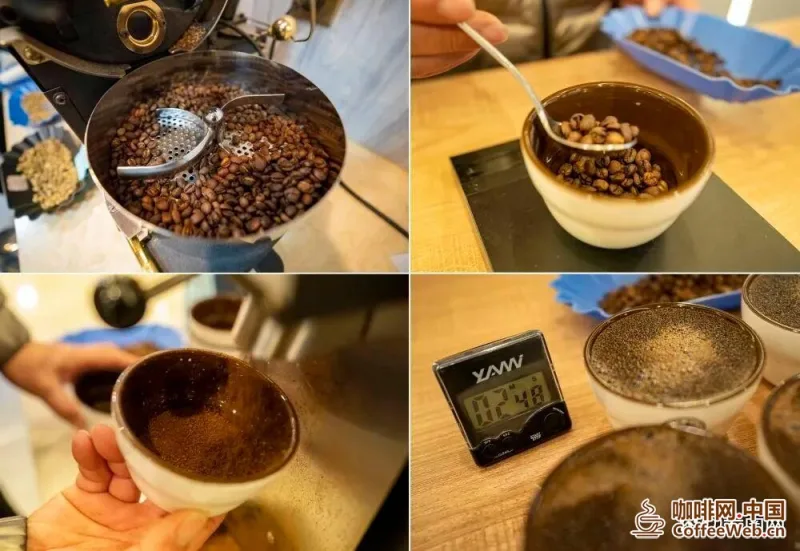
In terms of scientific and technological support, over the past three years the Yunnan Provincial Department of Science and Technology has implemented a total of 71 science and technology projects in the coffee field, tackling key common technologies around superior variety breeding, efficient cultivation, fermentation flavor regulation, efficient extraction, and flavor fidelity.
In brand building, this April, at the 2026 Yunnan Coffee theme publicity logo and slogan launch event hosted by the Provincial Party Committee Propaganda Department, the Yunnan Coffee theme logo and slogan were officially released, which will help enhance the soft power and market competitiveness of the Yunnan Coffee brand.
The results of policy reinforcement, scientific-technological breakthroughs, and brand building must ultimately be tested in the coffee cup. And Yunnan coffee is answering this investment with a world-top-tier, high-score report card.
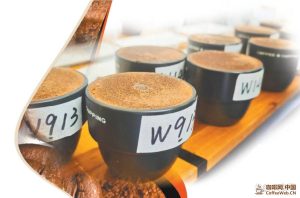
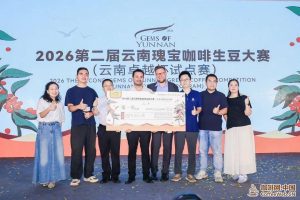
At the 2026 2nd Yunnan Treasure Coffee Green-Bean Competition (Yunnan Excellence Cup pilot) held this year, a traditional washed Geisha from Lincang Gengxia Manor Co., Ltd. won the championship and was rated “President Bean,” and three Yunnan green beans broke the 90-point barrier. What does a score above 90 mean? It is the mark of a world-top-tier coffee bean.
For the Yunnan coffee industry, a score above 90 proves one thing to the world — that Yunnan, the world’s highest-latitude plateau coffee producing region, can grow not only good coffee, but world-top-tier specialty coffee.

From variety selection and breeding to manor construction, from fine processing to scientific-technological support, Yunnan coffee is step by step shifting from “selling by the ton” to “selling by the cup.” Alongside the lingering aroma, the coffee industry chain keeps extending, and the “coffee-tourism integration” business format is booming, creating broad space to refresh the “ace.”
The quality of this “ace” is gradually gaining recognition in the international market. In 2025, Yunnan exported 19,000 tons of coffee worth 860 million yuan, ranking first in the country in both volume and value, with over 40% of the nation’s coffee exports coming from Yunnan. The aroma of Yunnan coffee is drifting toward a broader world.
Source: Compiled from Yunnan provincial news releases, Xinhua News Agency, Xinhua Net, CCTV News, Yunnan Net, Yunnan Daily, and the Yunnan Provincial Department of Science and Technology.
Reprint Note & Disclaimer
- This article is reprinted from Chinese media for information and cultural exchange. The views expressed are those of the original author and do not necessarily reflect the position of coffeeyo.com.
- All trademarks, brand names and logos mentioned belong to their respective owners.
- For cooperation, reprint or correction requests, please contact coffeeyo.com.
Reprint Notice & Disclaimer
- This article has been edited and compiled by China Coffee Network. The information and images therein come from public sources and the copyright belongs to the original author. This reprint is intended solely for information sharing within the coffee industry and does not represent the views of this website; all data and opinions are subject to the original article. Our thanks to the original author for creating and sharing it.
- For matters concerning content licensing, attribution, copyright or otherwise, please contact us promptly and we will verify and cooperate in handling them as soon as possible. We also welcome coffee origins, brands and industry media to exchange ideas and contribute articles.
- Contact China Coffee Network: Tel 400-0000-641 (+86-18288016826) | Email 405854472@qq.com | Address: Jinghong, Xishuangbanna, Yunnan Province / Tieling, Liaoning Province
Related Reading
 Three Decades of Shanghai-Yunnan Collaboration: A Coffee Bean ‘Ferments’ at the Import Expo
 Why Yongde’s Coffee Beans Won Gold in Shanghai – A Taste of ‘Life in Yunnan: 365 Days’
- Yunling Commentary: Yunnan Coffee Turnaround Hinges on Autonomous Pricing
 A ‘Travel Pack’ Reveals Another Possibility for Pu’er Baristas
- Bean in Short Supply: A Taiwan Youth on Yunnan Coffee as a Shared Cross-Strait Stage
- Five Years, Eight Championships: Lincang Coffee Joins the World Stage



 Liaoning ICP Security No. 21122402000217