


At a Glance (China Coffee Network):What can coffee be paired with? The Xingyi Wanhu Hui · Riverside Coffee Festival, held from July 24 to 26, offered an answer full of local flavor and youthful creativity.
What can coffee be paired with? The Xingyi Wanhu Hui · Riverside Coffee Festival, held from July 24 to 26, offered an answer full of local flavor and youthful creativity.
As the river breeze passes, the aroma of coffee spills over. This event gathered more than 40 merchants from inside and outside Qianxinan Prefecture, covering diverse formats such as specialty coffee, handmade cultural creations, floral art and baking, and trendy apparel, while simultaneously launching rich interactive experiences such as roaming stamp collection, Dianping reviews and online check-ins.
With coffee as the bond, the bustling vitality of the urban commercial district is linked with leisure life scenarios, attracting many citizens and tourists to stroll along the river and stop to experience it, creating a market consumption atmosphere that combines youthful energy and aesthetic sense, and also exploring a new path for open blocks to activate consumption potential and cultivate a local entrepreneurial ecosystem.
Using Coffee as a Lead to Activate a New Cycle of Foot Traffic in the Block
For Wanhu Hui, this open block, coffee is just like a foot traffic entry point, guiding consumers into the commercial fabric of the block in an orderly way.
“This is the market where I have visited the most local Xingyi coffee brands at one time,” remarked coffee lover Xiao Pin, expressing the agglomeration effect of this event. During the event, coffee and related brands were laid out in an orderly manner along the Wanhu Hui riverside; consumers followed the aroma of coffee to browse cultural creations and taste food, and a natural, smooth consumption flow ran through the whole block. This not only enriched weekend leisure supply, but also brought tangible increases in customer flow to merchants.
The reporter saw at the scene that participating merchants generally marked their offline store addresses and brand interaction channels in prominent positions at their stalls, promoting the conversion of market traffic into physical store visits. The person in charge of the “back to 0859” coffee shop admitted that, compared with on-site sales at the market, they value more the brand exposure and traffic-driving value brought by the event.
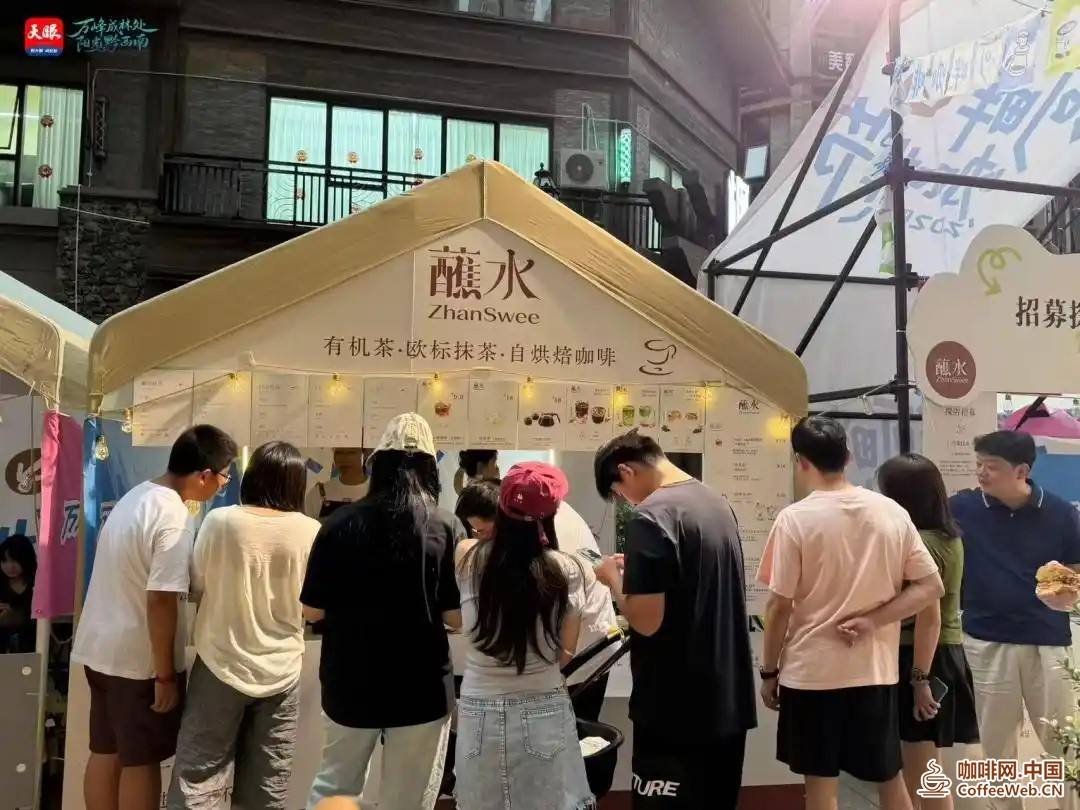
Citizens and tourists buying coffee at the market (Photo/Zhanshui Coffee)
Zhanshui Coffee, which opened this summer, is participating in a large-scale market event for the first time. The brand focuses on localized creativity, blending local culinary inspiration into specialty coffee drinks; the novel flavor collisions have attracted many consumers to make special check-in visits and note the store address. For this young entrepreneurial team, the market provides a face-to-face market survey, and real feedback offers vivid evidence for refining products and expanding the customer base.
Many merchants reported that during the event, store visits and inquiries rose markedly compared with ordinary days; the market released a traffic-driving effect, and they hope market events will be held regularly to build channels for reaching new customer groups.
Coffee Is Not “Drunk Alone”: Cross-Border Integration Upgrades the Consumption Experience
Walking through the market, the cross-border integration of “coffee +” can be seen everywhere. The participating brands this time generally treat scenario creation, aesthetic expression and interactive experience as their core competitiveness. The visual appeal of stall design and the richness of experience programs have become key factors in attracting consumers to stop, and also reflect the trend of local consumption upgrading toward experiential and quality-oriented consumption.
The Oriental aesthetics stall created by the Shan Cang brand is one of the most recognizable check-in spots at the whole venue. To build an immersive space of tranquility amid the bustle, the two people in charge spent a whole week in a dye workshop in advance, hand-dyeing a hundred meters of fabric by themselves. From the stall’s hanging drapes to the table coverings, the indigo blue in varied shades formed a scene of its own; blue-dyed accessories, Song brocade-patterned merchandise, and exquisite cloisonne enamel handicrafts were displayed in sequence, and the incense experience area beside them became a “rest stop” for visitors.
“We hope not only to meet consumers’ need to take photos and check in, but also to let everyone pause and feel the cultural warmth of traditional handicrafts,” said Dai Dai, the person in charge of the Shan Cang brand. The three-day event achieved on-site sales of more than 3,000 yuan, and also gained intention inquiries for study-tour experiences, opening a new customer acquisition channel for its long-term experience business.
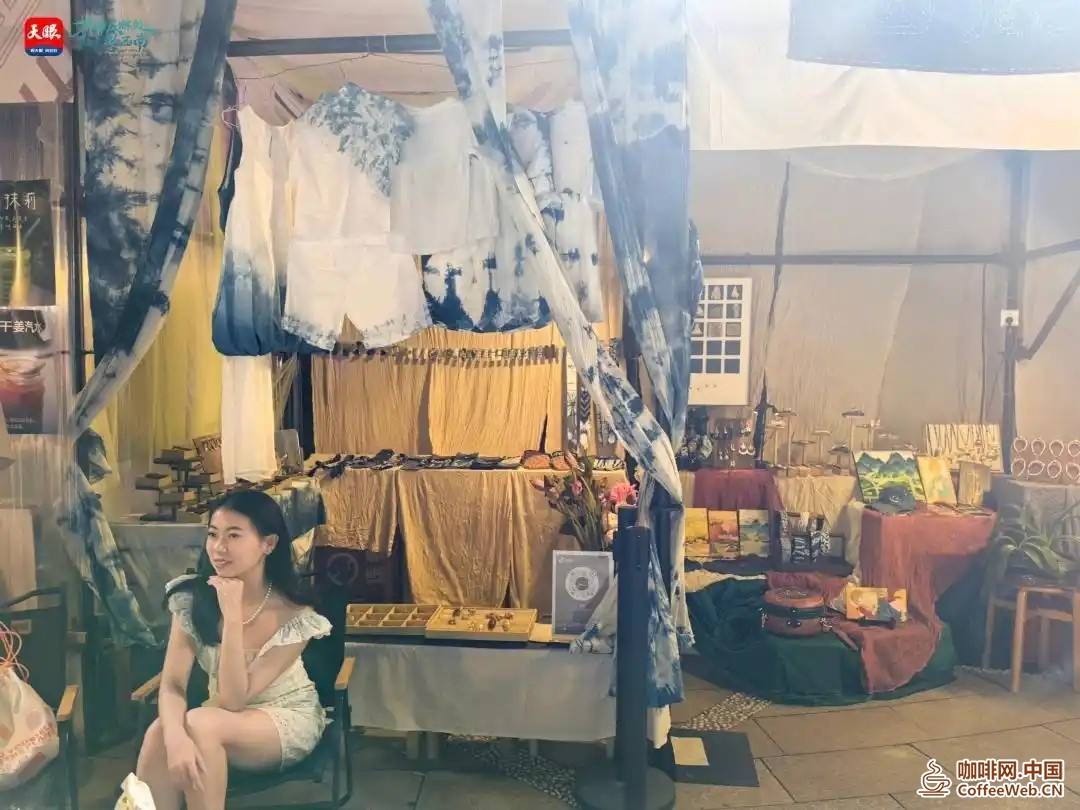
Consumers checking in at the market (Photo/Qian Xingxing)
Xiao Yang, who has just graduated and returned to work in Xingyi, kept taking photos with a camera: “I saw it on Xiaohongshu and made a date with friends to come. This set design is so photogenic – even casual shots have a great atmosphere, the pace is relaxing, like going to a life party.”
The Songhe Art Center moved a small art salon into the lively market, displaying recent works by young artists and launching art cultural creations and themed specialty drinks alongside, letting art step out of the exhibition hall and blend into everyday consumption scenarios; Le Fa Baking, meanwhile, closely followed the classic “coffee + baking” consumption combination, specially launching a market-exclusive set that became the “standard configuration” for many consumers visiting the market.
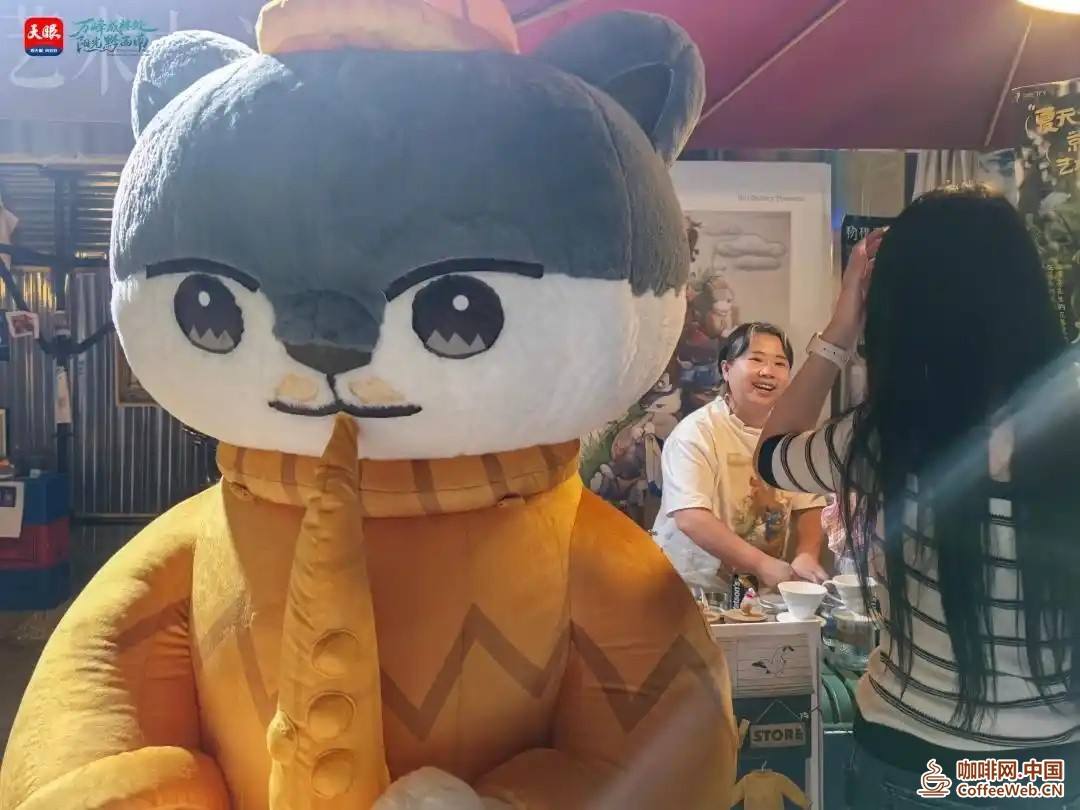
Citizens and tourists buying drinks while viewing the exhibition (Photo/Qian Xingxing)
“On the first day I came to drink coffee and check in, on the second day I did the incense experience, and on the third day I viewed the art exhibition, flowers and fragrances – every day I could dig up new surprises,” said Ms. Liao, who checked in for three consecutive days, listing her itinerary. As long as a product’s taste or design is distinctive, she will take the initiative to follow the offline store or online shop. In her view, the market is more than immediate consumption; it also builds a platform for discovering local brands.
Beyond Foot Traffic: The Two-Way Growth of the Youth Entrepreneurship Ecosystem
After the three-day event, participating merchants generally achieved business results exceeding expectations. But more moving than the numbers are the connections quietly growing in the market.
During breaks from minding their stalls, entrepreneurs from different formats visited each other and exchanged ideas, from product refinement and store operations to local market trends, sharing experience and sparking creativity. Originally independent entrepreneurial entities, through the market they set the stage for one another, shared customer sources and linked their brands; while displaying products, they also conveyed brand philosophy and aesthetic attitudes face to face to every consumer who stopped by.
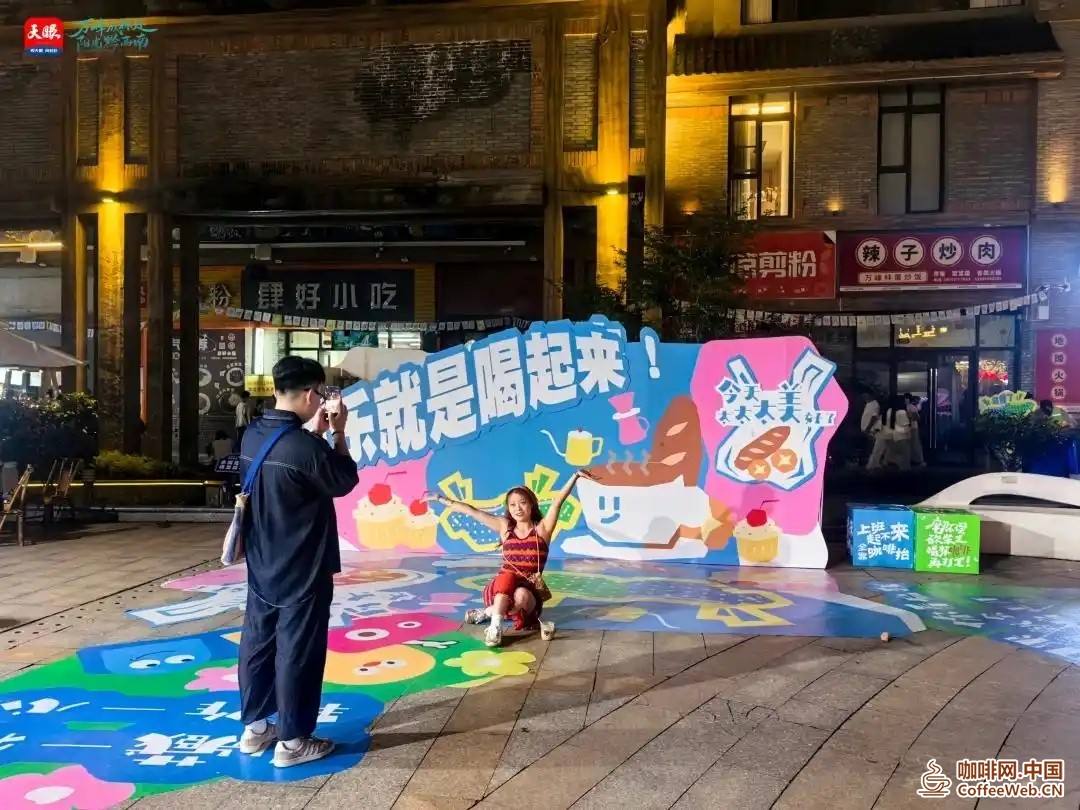
Citizens and tourists checking in at the market (Photo/Qian Xingxing)
As an all-weather open commercial block in Xingyi’s core business district, themed markets have long been an important lever for Wanhu Hui to attract foot traffic and activate consumption. From the traditional night markets dominated by snacks and general merchandise in the early days to today’s new themed markets embedded with aesthetic taste and cultural attributes and focused on cultural leisure experiences, the formats have kept iterating and the reputation has continued to accumulate. On ordinary weekends lacking large IP events, such themed markets have become important spaces for young people to socialize, experience and consume, and have also nurtured a distinctive block trend culture ecosystem, attracting more brands to settle in.
“This time we adopted a ‘market + public welfare’ approach to hold the coffee-themed market, hoping to bring coffee culture into daily life and make the market a continuous incubation platform and a carrier for perceiving urban life,” said a person in charge of the event organizer. Going forward, they will continue to create more themed markets and constantly enrich service measures, providing young entrepreneurs with more space for display, linkage and growth.
As the evening breeze sweeps over the river surface of Wanhu Hui, the blue-dyed fabric sways gently, and the aroma of coffee mixed with the sweet scent of baking drifts over the crowd, gradually tinting the city with a more vivid youthful hue. The everyday bustle never ceases and the momentum never stops; the story of Xingyi’s consumption upgrading and youth entrepreneurship is still being written.
Tianyan News reporter Qian Xingxing
Editor Song Jie
Second review Zhang Heng
Third review Xu Shaoting
Tianyan News reporter Qian Xingxing
Editor Song Jie
Second instance Zhang Heng
Third instance Xu Shaoting
Reprint Notice & Disclaimer
- This article has been edited and compiled by China Coffee Network. The information and images therein come from public sources and the copyright belongs to the original author. This reprint is intended solely for information sharing within the coffee industry and does not represent the views of this website; all data and opinions are subject to the original article. Our thanks to the original author for creating and sharing it.
- For matters concerning content licensing, attribution, copyright or otherwise, please contact us promptly and we will verify and cooperate in handling them as soon as possible. We also welcome coffee origins, brands and industry media to exchange ideas and contribute articles.
- Contact China Coffee Network: Tel 400-0000-641 (+86-18288016826) | Email 478203668@qq.com
Related Reading
 Jiangxi Wuyuan: Rural Coffee Unlocks New Cultural Tourism Formats
 Jiangxi Wuyuan: Rural Cafes Unlock New Cultural Tourism Formats
 Global quality goods gather at Hongqiao Import Commodity Exhibition Center, setting "Chinese standards" for coffee
- Global premium products gather to set China's coffee standards as Hongqiao Import Commodity Exhibition Center keeps the CIIE spirit alive
- Global quality goods gather as Hongqiao Import Commodity Exhibition Center and CIIE forge lasting partnership to set China's coffee standards.
 Zhejiang "Science Cafe" Promotes Embodied Intelligence in Real-World Scenarios


 Liaoning ICP Security No. 21122402000217