


At a Glance (China Coffee Network): The mountains of Guizhou hold quiet beauty, and their local bounty nourishes the city.
The mountains of Guizhou hold quiet beauty, and their local bounty nourishes the city. The unique flavor texture of Guizhou’s hills gently permeates the everyday life of Guiyang, giving rise to a new lifestyle aesthetic and trendy new forms of consumption. Guizhou TV’s “Influence” series report “Guizhou Mountain Scenery – A Cup of Self-Pleasure” takes the urban rhythm of “morning coffee, afternoon tea, evening craft beer / baijiu” as its thread, focusing on the modernization of local specialties and recording the gentle, beautiful transformation of native rural flavors into an urban life of self-pleasure.
This episode takes coffee as its entry point to deeply analyze the development logic by which Guiyang, a mountain city in southwest China, is breaking the “city without coffee beans” label and reshaping its urban character.
Recently, the China finals of the World Brewers Cup and the Guiyang Coffee Festival were held one after another, with hundreds of domestic coffee brands gathering in the Forest City and setting off a wave of coffee consumption. Data show that the series of events drove 70 million yuan in consumption at surrounding business districts, up 26% year on year, with more than one million visitor visits, up 35% year on year, effectively converting event traffic into real consumption momentum.
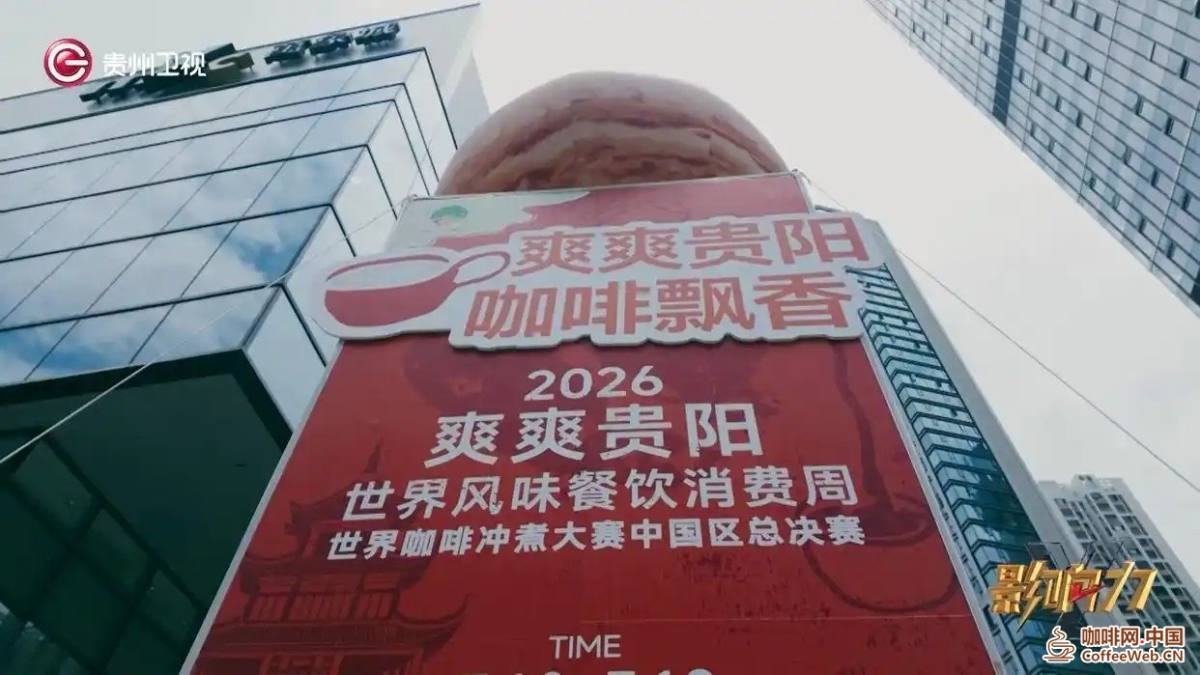
This enthusiastic wave of coffee consumption is no fleeting craze, but the inevitable result of more than twenty years of quiet, dedicated cultivation by Guiyang’s coffee industry. Guiyang is a “beanless city” that does not produce a single coffee bean, yet it has broken free from the inherent constraints of raw-material origin and forcefully joined the ranks of China’s emerging specialty-coffee cities. A lingering, mellow aroma has not only continuously empowered and improved the quality and efficiency of Guiyang’s cultural-tourism consumption, but also forged the city’s distinctive character of inclusiveness, openness, relaxation, warmth and love of life. Today, the scent of coffee drifting through the morning streets has become a gentle prelude that awakens the everyday vitality and fresh energy of this mountain city.

Drinking coffee in the morning has long shed its niche label and become a regular life ritual and a healing daily routine for Guiyang residents. Peng Jinyang, founder of Captain George, who has worked in the local coffee industry for more than twenty years, has always kept the habit of savoring coffee each morning: “The first thing I do every day starts with a cup of coffee. I don’t really drink light-roast coffee; I prefer the taste of medium or medium-dark roasts.”

In the view of Qiang Hua, founder of Wujie Coffee, morning coffee has never been a functional drink for office workers to quickly stave off hunger, but a spiritual comfort that heals the trivial details of daily life, builds up strength for living, and pleases one’s true self.

Qiang Hua says: “I choose a different bean every day, just like meeting a different person every day. Morning C isn’t a wage slave’s drink; it’s something that fills me with energy. Coffee can heal life and dissolve fatigue.”
Twenty Years of Pioneering Cultivation: The Coffee Comeback of a Beanless City
Today’s Guiyang is filled with the aroma of coffee and a public that enjoys it, presenting a thriving industry scene; behind it, however, lies a difficult period of pioneering growth. Around 2005, information in China’s coffee industry was scarce and closed off, professional technical systems had yet to take shape, and Guiyang’s specialty coffee market was a complete blank. It was a group of first-generation coffee people, full of passion and tenacity, who rose to the challenge and broke the ice, paving the way step by step for the growth of the local coffee industry through repeated trial and error and steadfast dedication.
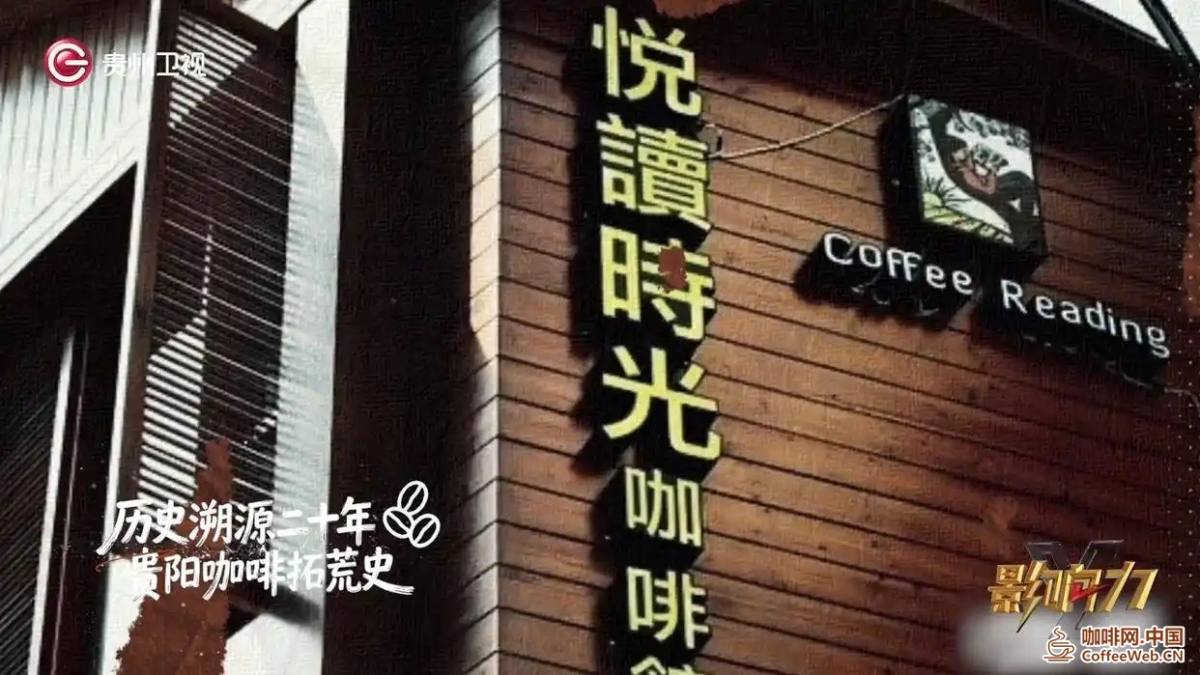
Peng Jinyang recalls that in the early days of the industry, professional resources were scarce and online information was chaotic; there were no mature training systems or industry standards in China, so every practitioner could only rely on repeated experiments and sifting through information, accumulating experience and honing skills through constant exploration.

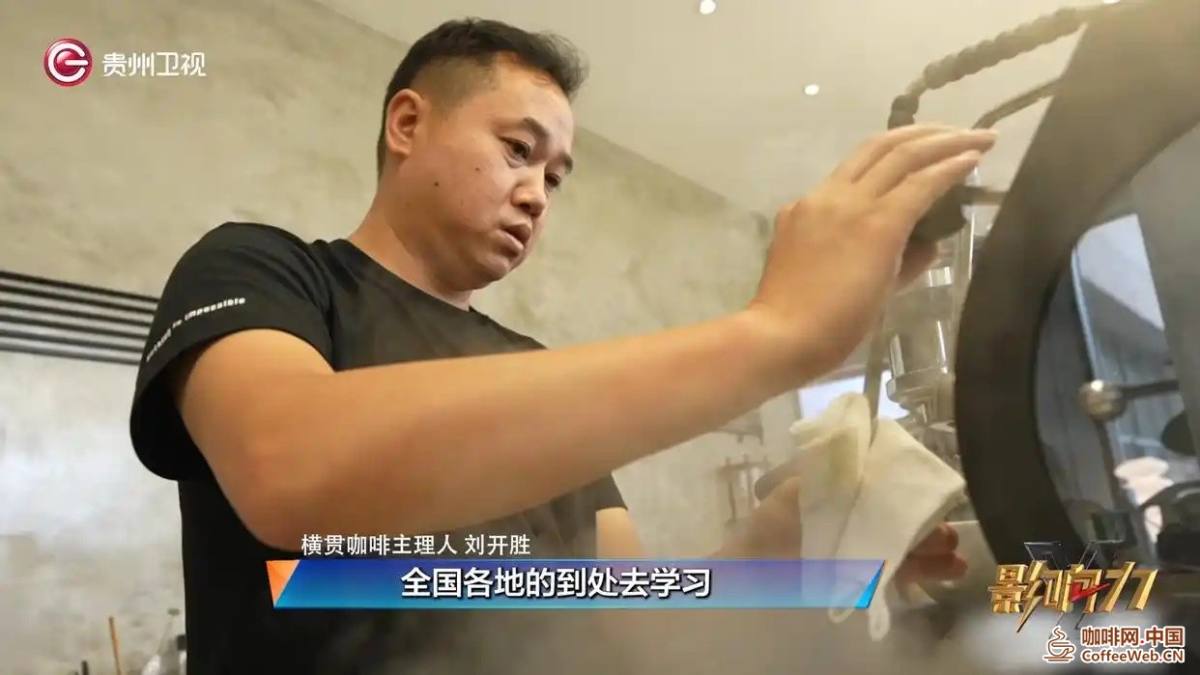
To make up for the shortcomings in local coffee expertise, Liu Kaisheng, founder of Hengguan Coffee, has traveled across the country to study since 2005, repeatedly encountering regional prejudice and industry skepticism. The outside world’s contempt and misunderstanding never dimmed his passion for the craft; instead, they strengthened his conviction that “if coffee can be done well elsewhere, Guiyang can do it too, and even better.”
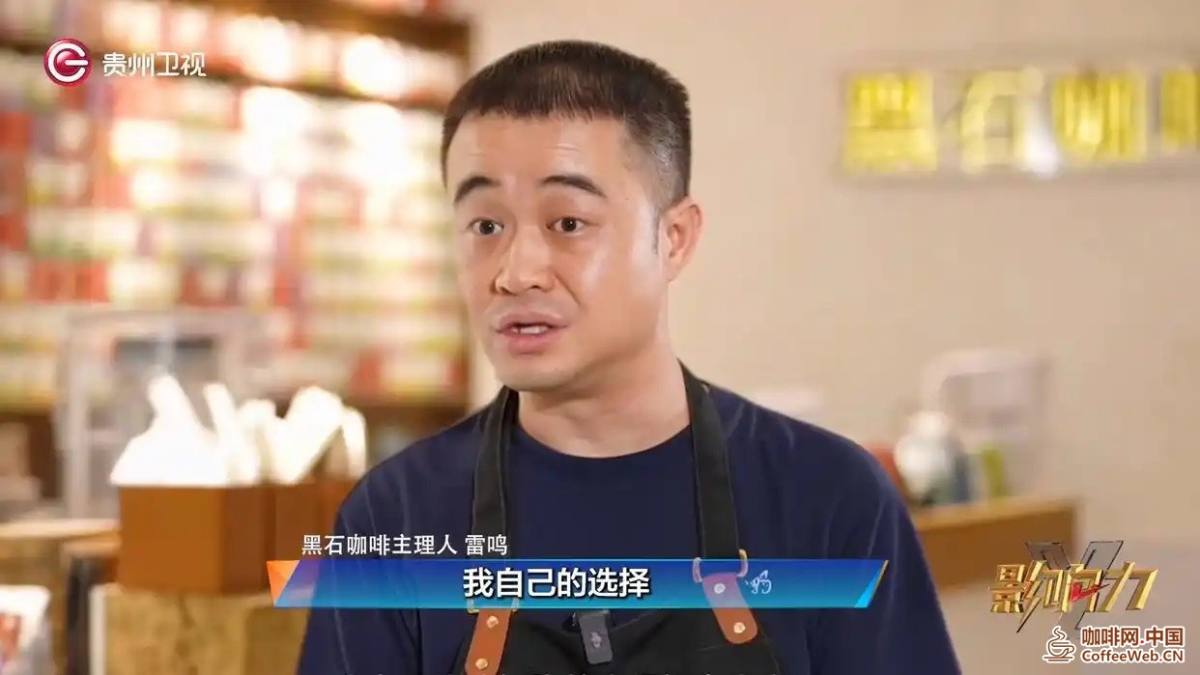
Lei Ming, founder of Blackstone Coffee, has embodied the original aspiration and sense of mission of the first generation of coffee people with a stubborn persistence: “This is the path I chose myself, and even if I have to crawl on my knees I will see it through. Even if I fail in the end, I will draw lessons and accumulate experience from it and never give up lightly.” It was the quiet dedication and unremitting work of this first generation of practitioners that laid a solid foundation for the long-term development of Guiyang’s coffee industry.
Qiang Hua, a full-time mother, entered the local coffee industry from another field. Unwilling to be confined to the comfort of household routines, she hoped to build a career through her own efforts and set an example of independence, self-reliance and striving for her child. This pure passion and dedication brought a warm, everyday vitality and resilient feminine strength to the local coffee community.

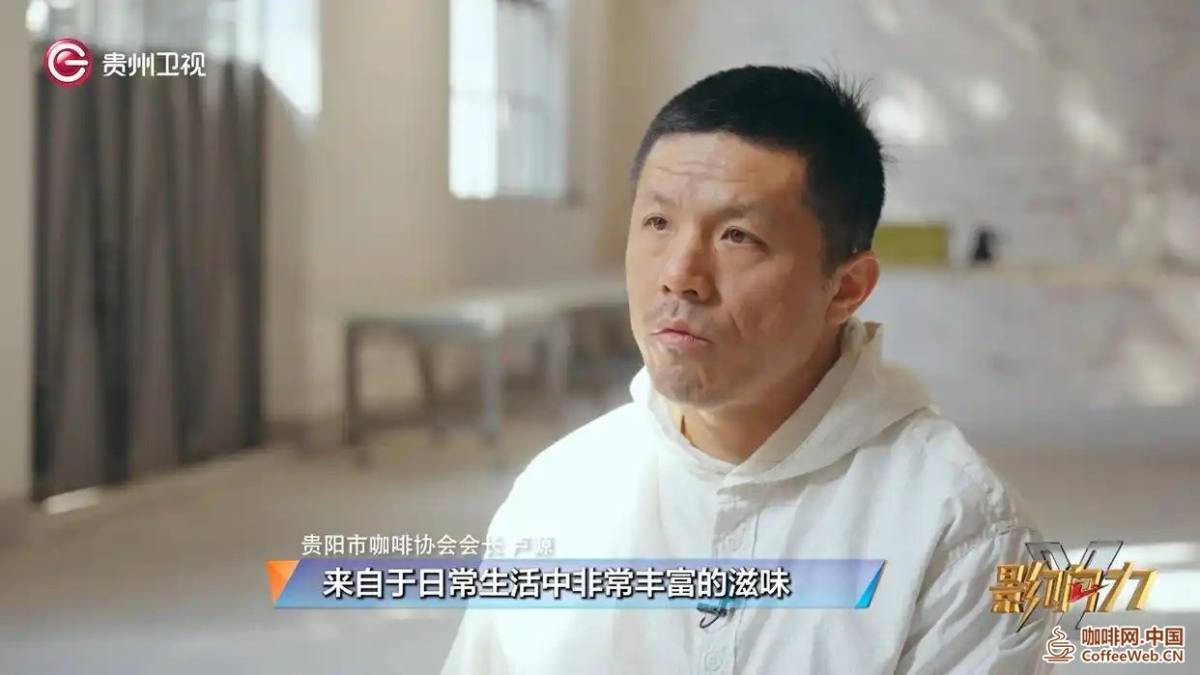
As the years accumulated and the pace continued, Guiyang’s coffee industry evolved through perseverance and grew through innovation. In 2005, the first batch of local specialty coffee shops opened, marking the sprouting of the industry; in 2015, barista Hu Ying won the Chinese Barista Championship, filling the gap in honors for local Guiyang coffee competitions. Her husband, Lu Yuan, president of the Guiyang Coffee Industry Association, has worked across the entire coffee industry chain for many years, from front-line store operations to building professional roasting facilities, always staying on the front line and refining quality: “I have worked every position in the stores, taste hundreds of cups of coffee every day, and took part in all the work of the roasting facility, and I am still deeply involved on the front line, continuously polishing my craft.”
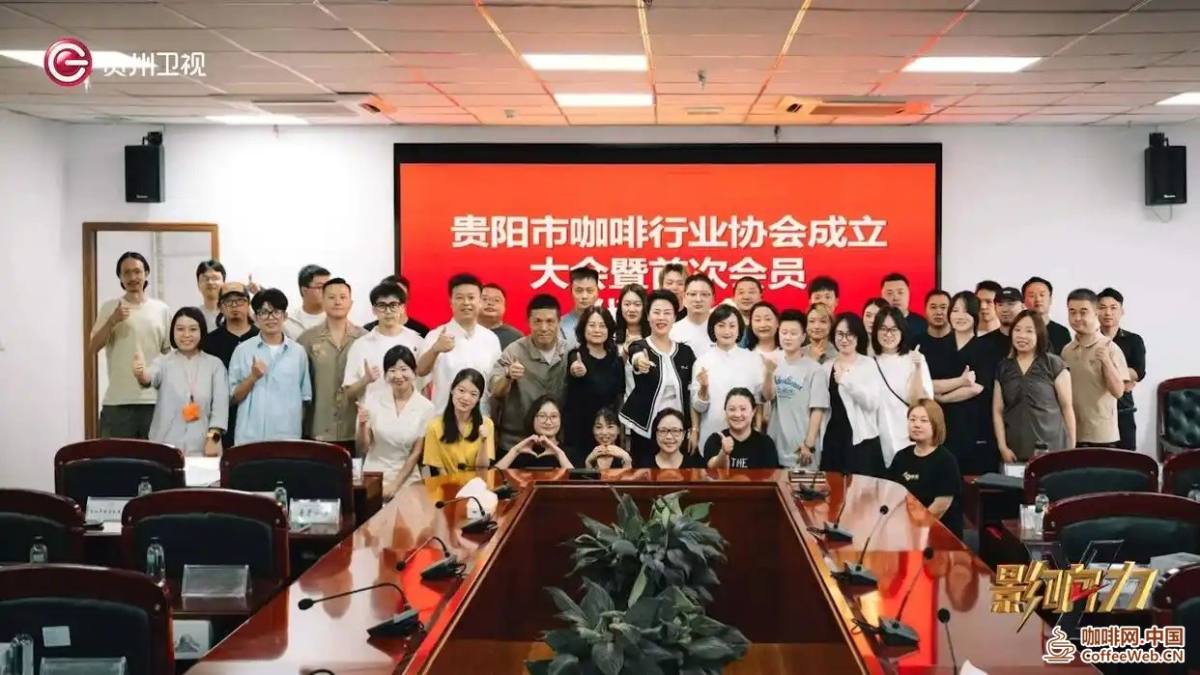
In August 2025, the Guiyang Coffee Industry Association was officially inaugurated, an important milestone in the development of the local coffee industry. From then on, Guiyang coffee completely left behind the extensive development model of scattered shops fighting alone and formally entered a new stage of joint strength, standardized quality improvement, cluster development and all-around upgrading.
Local Mountain Bounty Empowers the Breakthrough Code of Guiyang Coffee
Without the innate advantage of a coffee-bean origin, Guiyang coffee has nevertheless broken through forcefully with a distinctive flavor aesthetic and a capacity for innovation. The core confidence behind this crossover growth is rooted in Guizhou’s diverse, rich and layered local food culture. Long immersed in the delicate and intricate flavors of Guizhou cuisine, the people of Guiyang have developed an exceptionally keen palate, which has become the core competitiveness for differentiated, standout innovation in local coffee.

Qiang Hua has a deep insight into this: “Although we don’t grow coffee beans, we have an extremely strong ability to appreciate flavor. Take Guiyang chilies: burnt chilies, fermented chilies and chili oil each have distinct flavors. Growing up within a rich food system, our senses are naturally refined, so we understand better how to polish coffee flavors.” Lu Yuan also says frankly that Guiyang coffee lovers are eager to learn and skilled at tasting, with professionalism fully equal to that of industry practitioners – a rare advantage unique to Guiyang in China’s coffee market.

A strong, professional, citywide tasting culture has continued to drive the local coffee consumption market to heat up and expand. The latest data show that in the first half of this year, total spending on coffee and beverages in Guiyang reached 330 million yuan, up 29.1% year on year; the number of coffee shops listed online surged 193.44%; and tourist coffee orders grew by more than 86%, with the industry’s vitality continuing to burst forth.
Drawing on its unique mountain bounty and local culture, Guiyang’s coffee practitioners have dug deep into local characteristics to create differentiated, creative coffee products and escape the industry’s homogenized competition. The refreshing and distinctive cili americano, and the fish-mint-and-litsea specialty drink that blends everyday charm with creativity, combine into the exclusive “Guiyang combo,” allowing Guizhou’s mountain flavors and specialty coffee to merge deeply; among them, sales of the cili americano doubled year on year, fully demonstrating the cultural confidence and innovative strength of local brands.
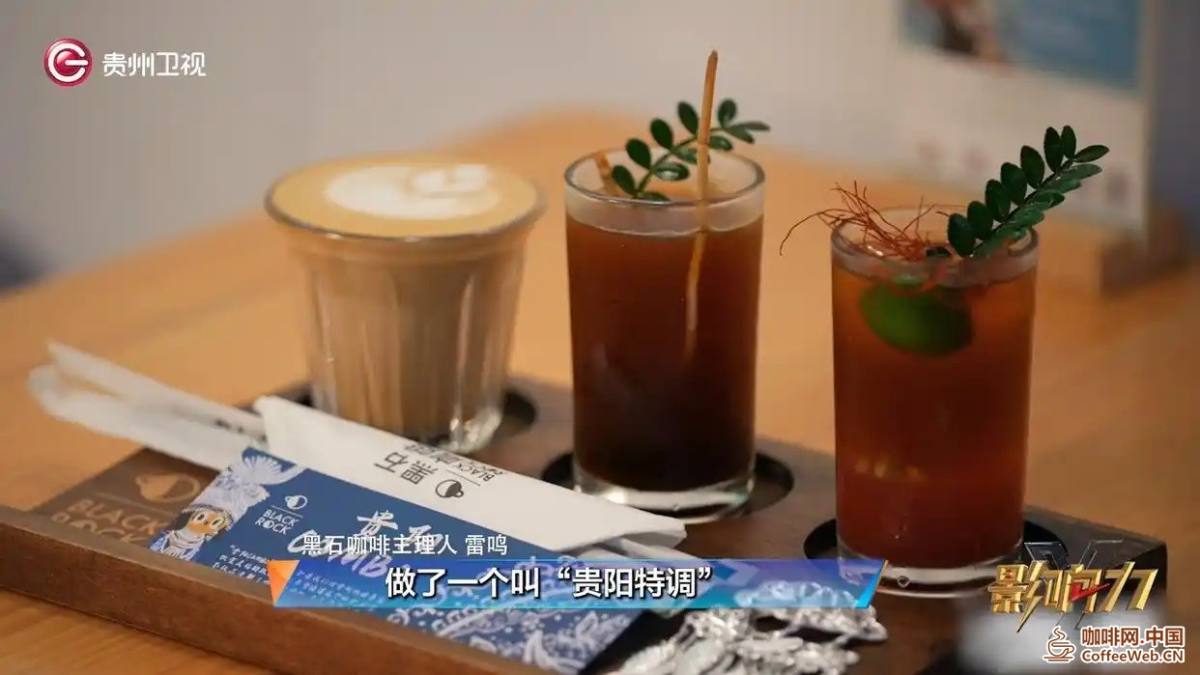
Speaking of the original idea behind these creations, Lei Ming said: “We created the ‘Guiyang combo’ by combining Guizhou food culture with coffee creativity, hoping that every visitor to Guiyang can taste a flavor unique to this mountain city.” The one-of-a-kind mountain flavors have allowed Guiyang coffee to step out of the mountains and become popular nationwide, and the many atmospheric specialty coffee shops have also become new check-in landmarks for Guiyang tourism, drawing countless visitors who come to immerse themselves in the mountain city’s slow life and trendy coffee style.
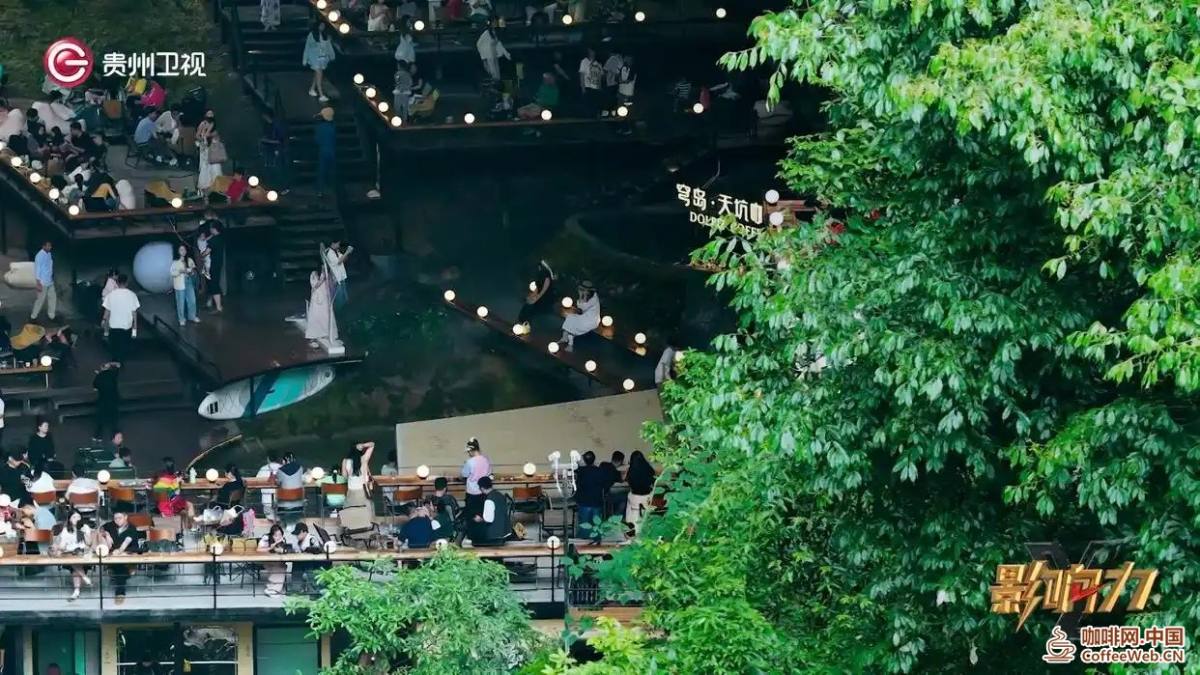
Peng Jinyang notes that many mountain ingredients that people in Guizhou take for granted carry great novelty and appeal in markets outside the province: “We hope to use coffee as a vehicle to share Guizhou’s distinctive ingredients and local culture, so that more people come to know Guiyang and understand Guizhou.” Many out-of-town visitors, after an in-depth experience, say that Guiyang coffee tastes crisp and refreshing with a relaxed, healing style, distinct from the fast-paced coffee of first-tier cities; the comfortable environment and gentle flavors make people want to sit and linger. Many tourists also buy coffee souvenirs, taking the Forest City’s mellow aroma and the mountain city’s gentle warmth back home.

Visitors who have come to Guizhou many times have witnessed the city’s remarkable transformation: from a land once focused on poverty alleviation to a popular cultural-tourism and consumption hub; from a big data industry that impressed the whole country to a coffee culture that has gently captured attention. In a city rhythm that balances fast and slow, Guiyang has cultivated a distinctive urban quality and a warm underlying tone that makes people increasingly reluctant to leave.
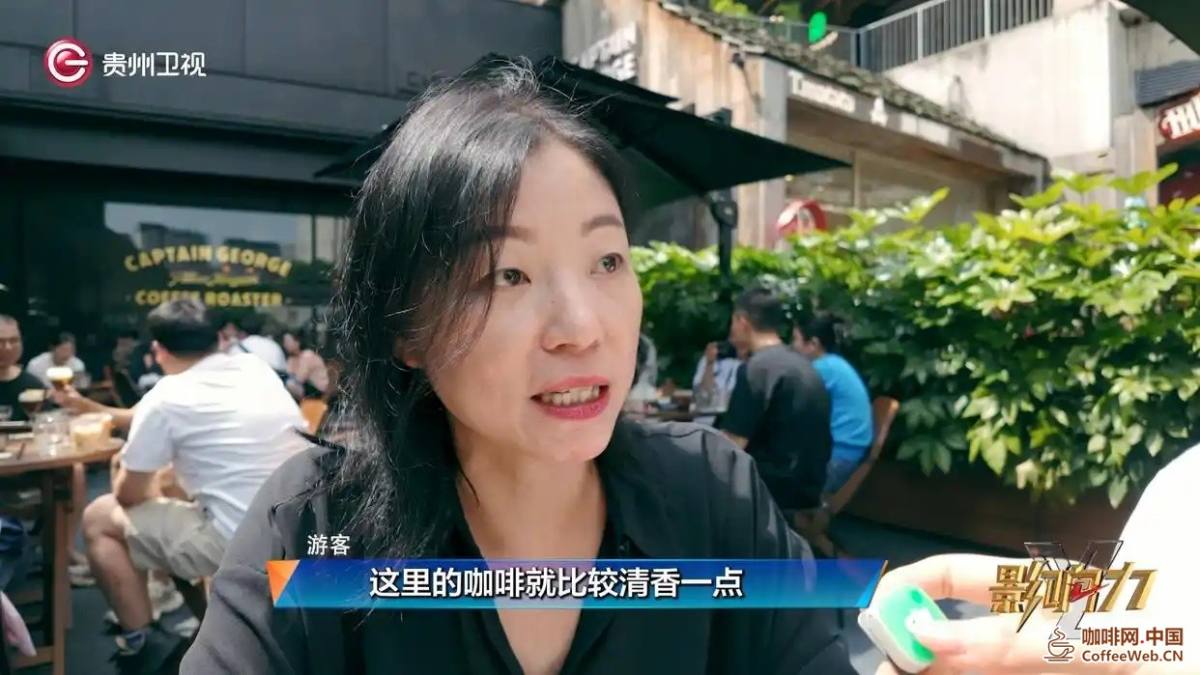
The Rise of the Self-Pleasure Economy: Coffee Empowers New Urban Consumption
The continued popularity of Guiyang coffee is, on the surface, the combined empowerment of top-tier competition IPs, the effect of industry champions, and cultural-tourism traffic; at a deeper level, it is the deep-rooted landing and vigorous growth of the self-pleasure economy in the local market. As consumption continues to upgrade, public consumption ideas are quietly evolving; compared with purchases driven by necessity, people now care more about emotional value and the quality of experience. Coffee has also completely stepped beyond the role of a mere beverage to become an important vehicle for young people to decompress, heal, socialize and please themselves.
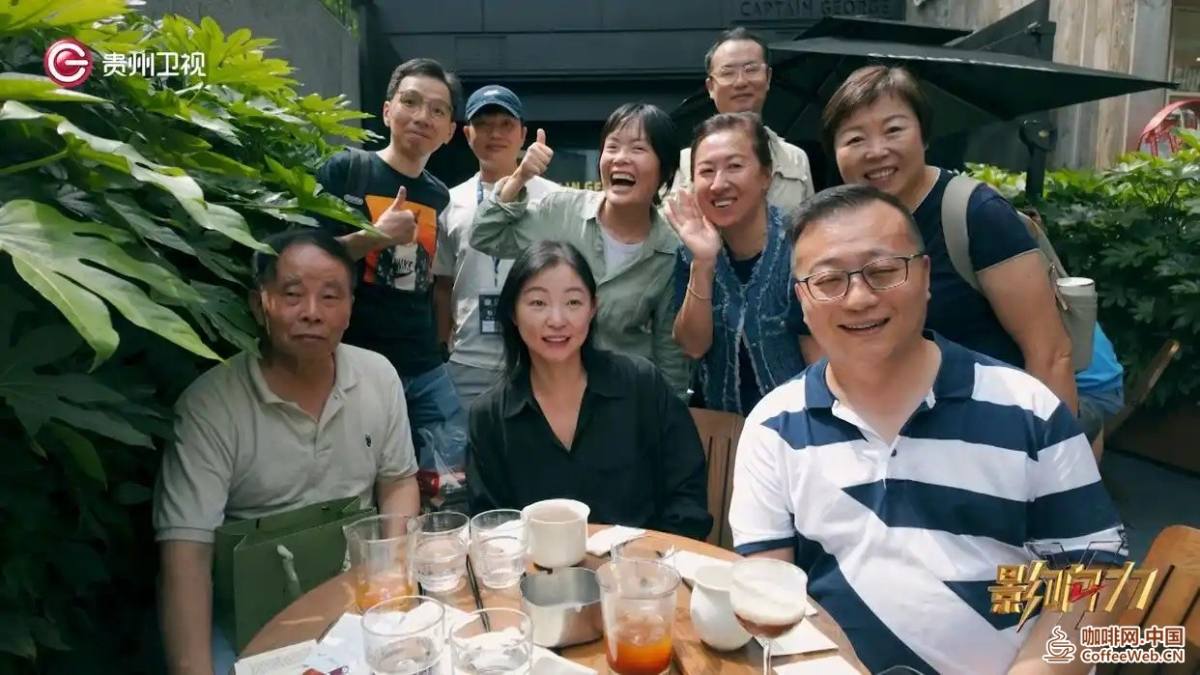
In Peng Jinyang’s view, the healing power of coffee is two-way and gentle: “Caffeine puts me in a better state, and slowing down to savor a good cup of coffee is in itself a pleasure taken in life and a comfort to the emotions.” This relaxed, unhurried, immersive experience has also quietly changed how travelers move about; more and more people are abandoning hurried “special-forces-style tourism” and preferring to sit quietly in Guiyang’s specialty coffee shops, leisurely enjoying the slow time unique to the mountain city.

After twenty years of dedicated work, evolution and transformation, Guiyang coffee has achieved leapfrog growth. From scattered, niche street-side shops it has developed into a distinctive industry that is large-scale, clustered and standardized, accomplishing a splendid leap from a single breakout product to cultural empowerment and all-around industrial upgrading, and firmly occupying an important place on China’s specialty coffee map. A host of local practitioners, holding fast to their sincere original aspirations, hope that Guiyang coffee will grow through trials and become a high-quality city calling card to rank alongside Kweichow Moutai.
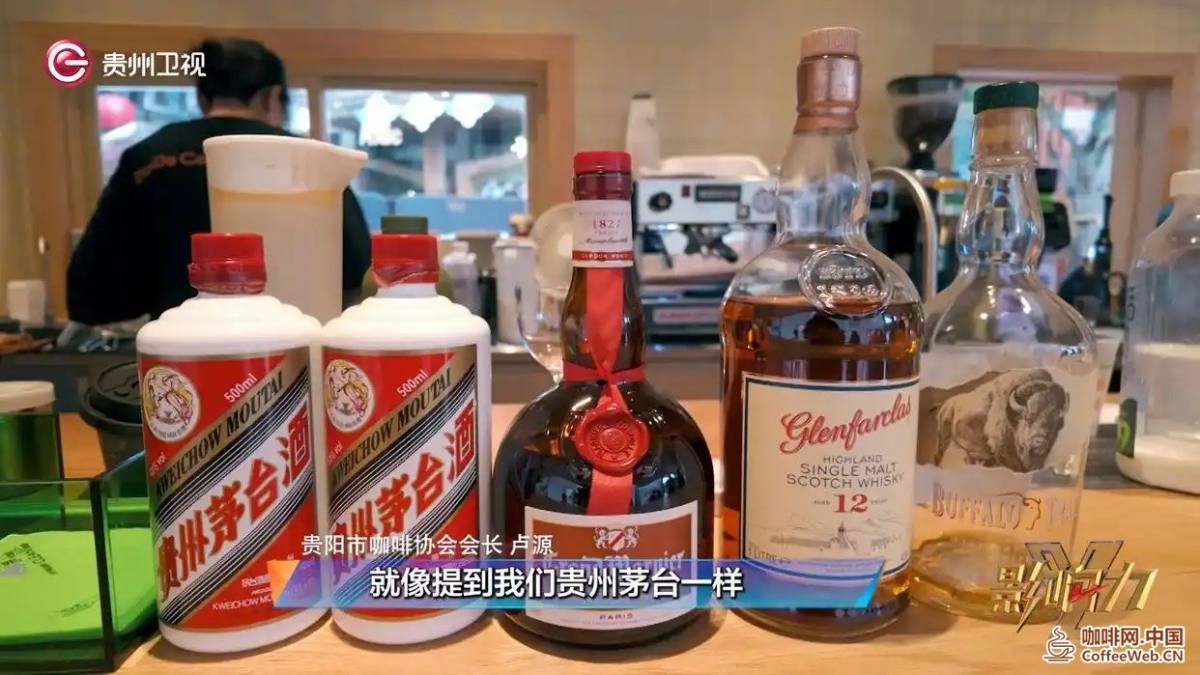
Lu Yuan says frankly that the vigorous development of Guiyang coffee cannot be separated from the all-around empowerment and nourishment of the local cultural-tourism industry: “I hope that in the future, Guiyang coffee can become an exclusive symbol of regional high quality, like Swiss army knives or French wine, standing shoulder to shoulder with Kweichow Moutai and becoming a golden name for Guiyang and even Guizhou.” An official responsible at the Guiyang Municipal Bureau of Commerce also said that Guiyang is a warm, inclusive city growing toward the sun, and that it will continue to empower the development of the coffee industry, gather entrepreneurial strength, enrich business scenarios, activate industrial vitality, and promote high-quality, diversified development of the local coffee industry.
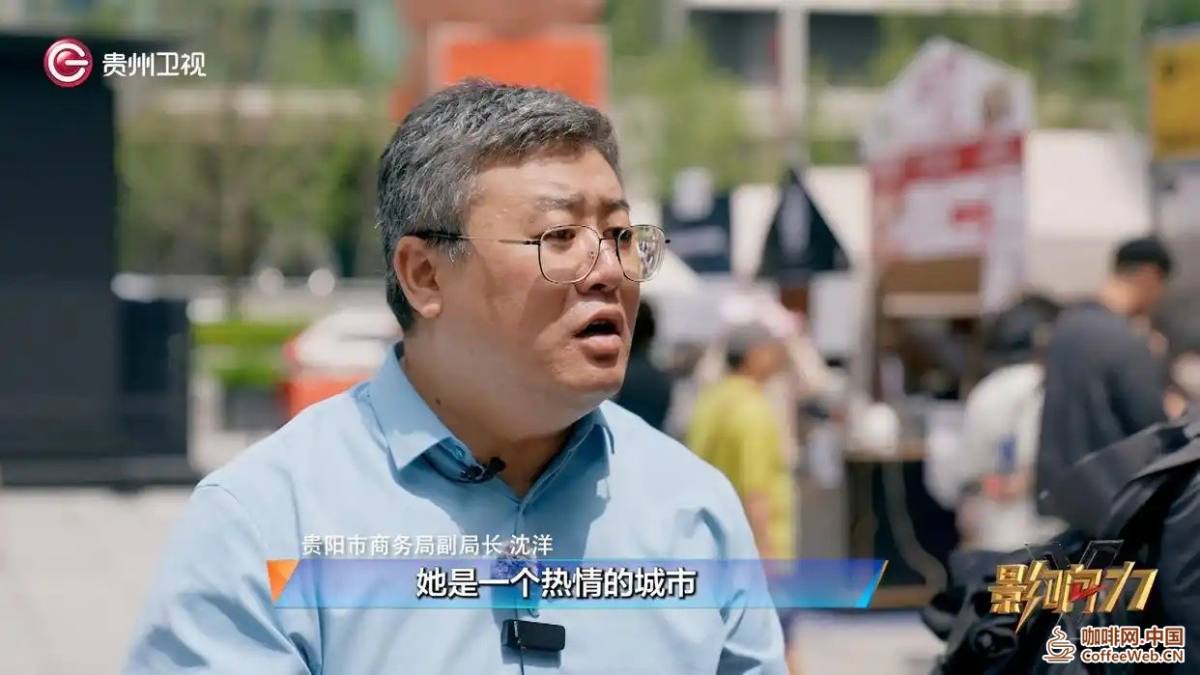
Shen Yang, deputy director of the Guiyang Municipal Bureau of Commerce: “We want everyone to know that Guiyang is a passionate city and an inclusive city; it will grow together with everyone here. We also hope our friends in coffee will come here to invest, so that the whole coffee industry becomes more active and more diverse.”
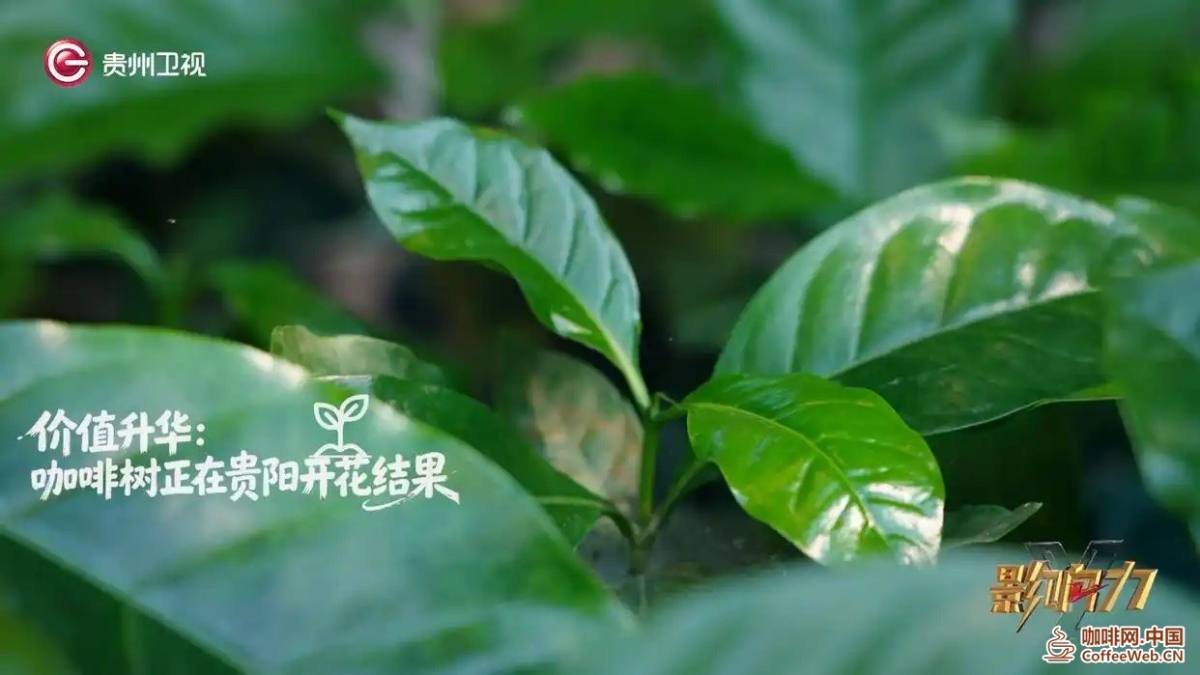
Deep Cultivation Bears Fruit: Coffee Trees Quietly Bloom in the Forest City
The rooted growth of an industry in a city depends on sustained, long-term effort. To break the natural constraints of geography and climate and let coffee culture truly take root in Guiyang and merge into the city’s fabric, Qiang Hua spent three years traveling to Yunnan to transplant quality coffee trees and, through constant-temperature indoor cultivation, witnessed the full growth cycle of coffee from seedlings and branching to flowering, fruiting and maturity. With a tree full of blossoms and fruit, she expressed the beautiful vision of a local coffee industry that keeps cultivating deeply, grows toward the sun, and thrives without end.
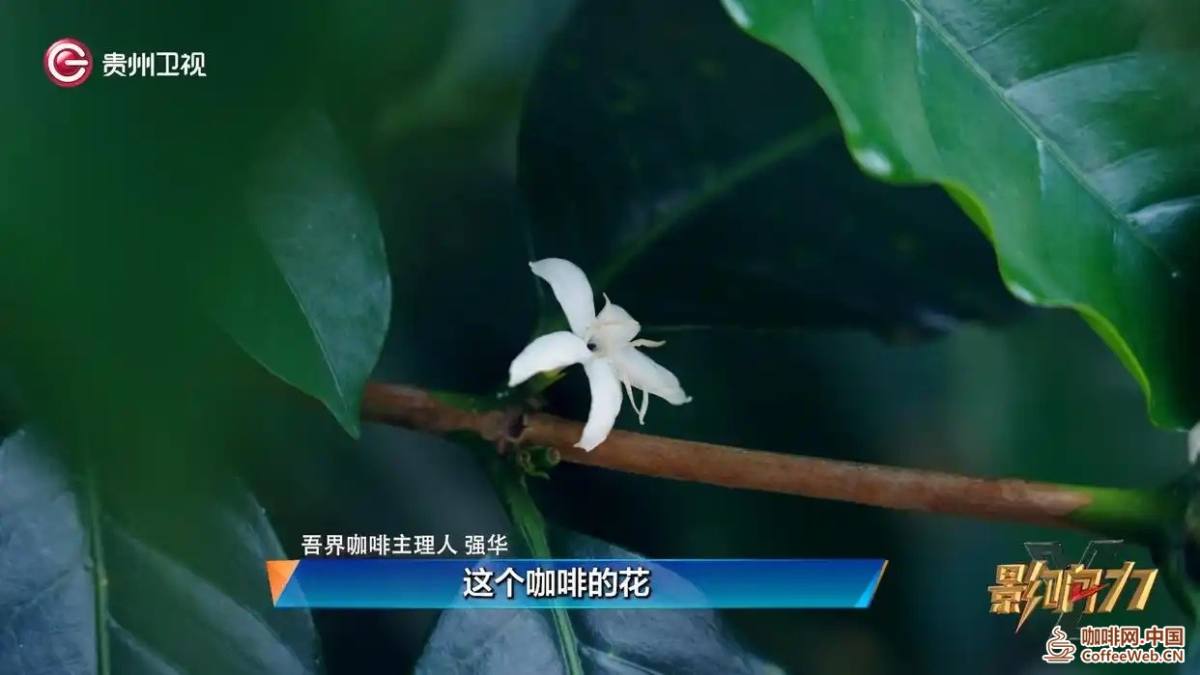
“Coffee is a tropical plant that fears the cold; our indoor cultivation helps it grow through the winter,” Qiang Hua explains in detail. The coffee tree has a long growth cycle: from seedling to a fruit-bearing tree takes 3 to 5 years, and the flowering period lasts only three short days. The pure white blossoms are elegant and moving, and after they fall, plump fruit slowly forms. Fruit concentrated by natural sun-drying, when peeled, reveals the rich, mellow coffee beans, holding the unique flavor shaped by time and the dedication of craftspeople.
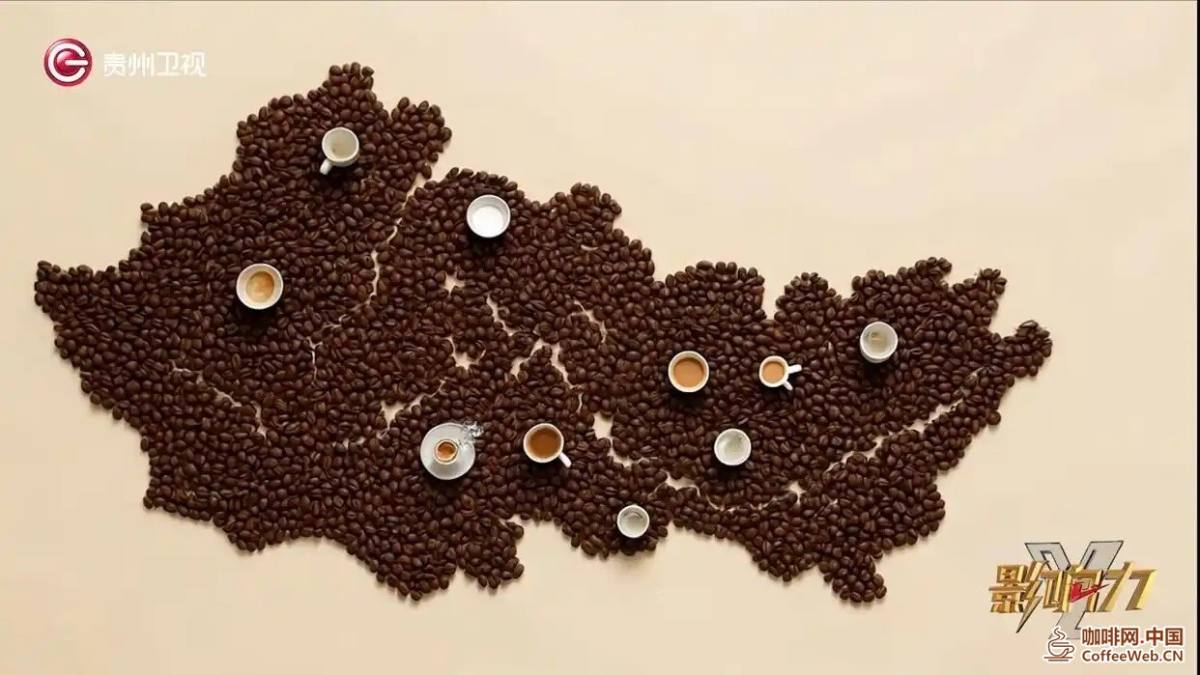
Fragrance without beans, momentum without origin. From an industry pioneering out of a blank slate to a clustered industry that has broken into the mainstream; from creative innovation with mountain flavors to deep empowerment by urban culture, a small cup of coffee holds Guiyang’s inclusiveness and diversity, its drive to innovate, and its relaxed, warm attitude toward life. In the future, Guiyang coffee will continue to take Guizhou’s mountain bounty as its foundation and the craftsman’s spirit as its core, letting the mountain city’s mellow aroma cross mountains and seas and reach the whole country, letting the everyday warmth of self-pleasure soften the entire city, and, through years of deep cultivation, continuing to write a new chapter of consumption and a city calling card that belongs to Guiyang.
Planning: Qiu Yue
Reporter: Hu Li
Video: Hu Li
Packaging: Xiang Jundan
Dubbing: Xu Meng
Planning: Autumn Moon
Reporter: Hu Li
Video: Hu Li
Packaging: Xiang Jundan
Dubbing: Xu Meng
Reprint Notice & Disclaimer
- This article has been edited and compiled by China Coffee Network. The information and images therein come from public sources and the copyright belongs to the original author. This reprint is intended solely for information sharing within the coffee industry and does not represent the views of this website; all data and opinions are subject to the original article. Our thanks to the original author for creating and sharing it.
- For matters concerning content licensing, attribution, copyright or otherwise, please contact us promptly and we will verify and cooperate in handling them as soon as possible. We also welcome coffee origins, brands and industry media to exchange ideas and contribute articles.
- Contact China Coffee Network: Tel 400-0000-641 (+86-18288016826) | Email 478203668@qq.com
Related Reading
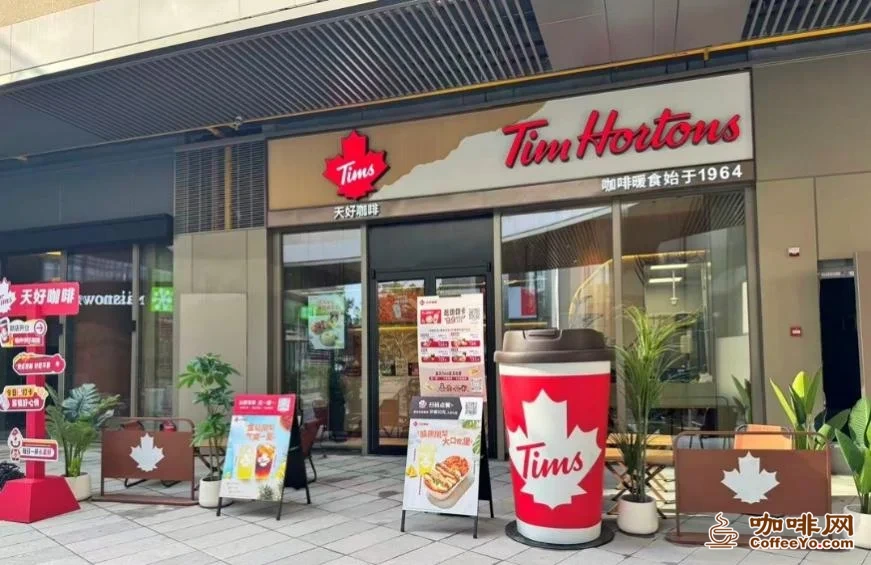 Tim Hortons China Q3: System Sales Up 6.3% Quarter on Quarter
- CRH Plans OATLY Exit, Nayuki Leaves Wenzhou | Tea & Coffee Weekly
 The 2026 Asian Coffee Association Annual Meeting will be held in Dehong, Yunnan, and the Asia ABODY Coffee System Standard will be officially released
 The President of Brazil's Victoria Coffee Business Center (CCCV) led a delegation of four people to Pu'er, Yunnan to conduct a special inspection of the coffee industry
 Behind the 1836 yuan "King of Brands": The Full Industry Chain and Offline Layout of Xinlu Coffee
 From a raw bean to a fragrant cup, Xiamen International Coffee Exhibition unlocks a new picture of the entire industry chain


 Liaoning ICP Security No. 21122402000217