
Brief (coffeeyo.com): At the 2026 Dianchi International Coffee Culture Carnival, more than 200 coffee cars from 52 cities turned wheels into roving cultural showcases — Miao silverwork, Shunde custard-milk coffee, Xinjiang flavors — while “slash” entrepreneurs and a growing local brand show how a festival is evolving into Kunming’s everyday lifestyle.
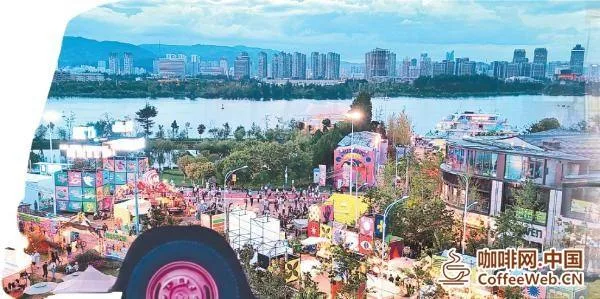
In August, a gentle breeze brushes the shore of Dianchi Lake in Kunming, and the aroma of coffee drifts through the 22-degree summer air.
From August 1 to 9, the 2026 Dianchi International Coffee Culture Carnival, themed “Dianchi Coffee Gathers, All Things Thrive,” arrived as promised. This city-benchmark cultural-tourism IP event, now in its third consecutive edition, was comprehensively upgraded this year, adopting a citywide linkage model of two main venues on the east and west banks of Dianchi and nine characteristic sub-venues. More than 200 distinctive coffee vehicles from 52 cities across the country gathered around the lake, with over 300 themed activities and 200-plus music performances taking turns, jointly celebrating a lifestyle gala centered on coffee as the bond and wheels as the carrier.
Flowing Cultural Symbols: The Chinese Story in a Cup of Coffee
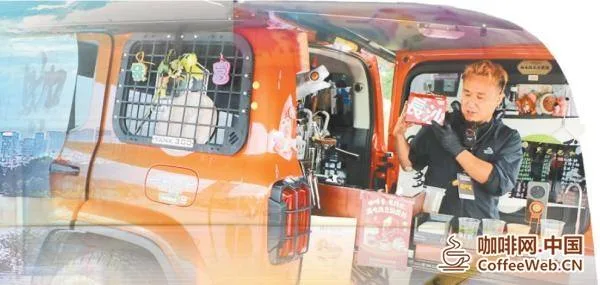
Standing in the bustling carnival scene, the variously shaped coffee cars are like flowing micro-museums of culture, carrying unique regional genes.
Hu Xufei from Qiandongnan, Guizhou, wore traditional Miao attire; her intricate silver ornaments shimmered in the sunlight, ringing crisp and pleasant “jingling” sounds as she greeted customers, standing out conspicuously among the modern coffee stalls. Attending the carnival for the first time, Hu warmly handed her must-order signature — the Guizhou specialty Rosa roxburghii americano — to curious visitors. “Give it a try,” she recommended with a smile. “This coffee blends the sweet freshness of Guizhou’s local Rosa roxburghii into rich coffee, refreshing and appetizing; one sip lets you taste the wonderful collision of Guizhou’s mountains and coffee.” For her, this vehicle not only sells coffee, but is also a window to bring her hometown’s unique ethnic customs and intangible heritage to visitors from all over.
Traveling a thousand miles, Mai Jianfeng came all the way from Shunde, Guangdong, just to show visitors at the carnival the distinctive coffee flavor of the “World Food Capital.” In front of the stall, steam rising, he skillfully makes his signature custard-milk coffee. This drink innovatively blends the delicate texture of Shunde’s traditional double-skin milk pudding with the rich base of coffee: using 125-degree steam to quickly “cook” the egg-and-milk mixture into a tender egg-milk layer, then pouring in piping-hot coffee extraction, turning it into this specialty drink that can be both eaten and sipped, drawing visitors to stop and taste.
“I came from Xinjiang, driving for about half a month, over 4,500 kilometers,” Peng Xushun said with a smile. To make it to this carnival, he crossed the Gobi and high mountains of the Northwest. Though physically tired, he felt it was all worthwhile. “This is currently the most influential coffee festival in the country; the atmosphere exceeded my expectations,” he said. In his heart, such a grand occasion absolutely could not be without a coffee car from Xinjiang; he wants to use the aroma of this cup of coffee to show more people the splendor of beautiful Xinjiang.
The coffee car is not only a mobile shop, but a flowing exhibition hall of regional culture — Guizhou’s Rosa roxburghii, Shunde’s desserts, Xinjiang’s customs, all meet in a cup of coffee by Dianchi’s shore.
Diversified Life Choices: The “Slash Life” on Wheels
The coffee car carries not only flavors, but a free expression of lifestyle.
Liu Zhan’s regular job is a laboratory-medicine doctor. Using his vacation, he drove his self-made coffee car all the way to Kunming. “Give myself a reason to come out, to feel a different life rhythm.” As a breeze swept the stall, he took out a thick memorial book and leafed through it carefully. Every time he attends a coffee gala, he invites coffee-car owners from all over to leave their handwritten messages. “May you be free and passionate.” “High mountains and long roads, we shall meet again.” Liu gently turned the pages, recounting stories along the way. He admitted that these handwritten notes are the most precious gifts of the journey, and also let him understand the true meaning of the coffee carnival — behind the flowing words are souls who love life and long for freedom, completing the most beautiful encounter and resonance as the wheels roll.
Ma Zhiyuan from Changsha integrates dance art with coffee operation. As the founder of a dance studio, he named his coffee car “Black Bubble.” Beside the car, he often improvises dances; a spin, a pause, draws cheers from visitors. “Coffee is not a single beverage, but a medium of happy, free expression,” Ma said. He plans to stay longer in Kunming, deeply exploring the local character and feeling the unique vitality of Yunnan coffee.
And Wang Yuqi from Shandong was once a nine-to-five corporate employee. “Kunming’s atmosphere is very suitable for coffee culture to grow; at the coffee carnival you can touch a more diverse world and meet more like-minded friends — this experience is a rare gift in life,” he said sincerely.
This group of “slash youth,” through their multiple trajectories, tells the world that life has not only one standard answer. Whether doctor, teacher or corporate employee, all can find their own footnote to life in the small world of the coffee car.
The Engine of Urban Vitality: From Festival IP to Daily Lifestyle
Since its founding in 2024, the Dianchi International Coffee Culture Carnival has grown from a short-term festival into a coffee-culture IP with national influence. This edition built an “east-west bank connected dual main venues + sub-venues” citywide layout, with total foot traffic of 6.464165 million person-times and direct consumption revenue of 55.25174 million yuan. Breaking free of one-off festival-operation limits, the event simultaneously launched long-term coffee cultural-tourism carriers such as the Diancui Coffee Complex and the “Haohao Island” at Zhangmei Village Wharf, pushing coffee culture from a short-term gala toward normalized, sustained operation.
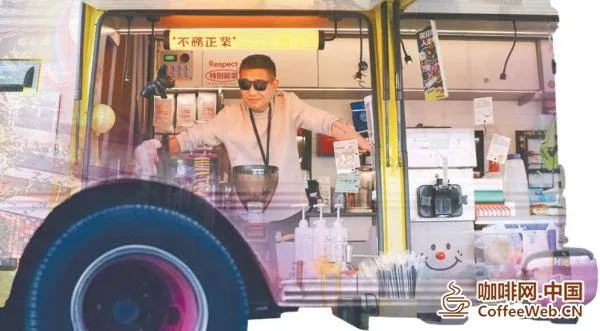
Jiang Shan from Changsha is a three-year consecutive participant and also a witness to this transformation. This year, driving his “Buwu Zhengye” (“Not-Doing-the-Right-Job”) coffee car, he gathered friends and organized 11 cars to set off together from Changsha. “Every time I come back it feels like coming home. The first year I wasn’t familiar; the second year I started looking forward to it in advance; this year, before receiving notice, everyone was already asking around — it’s a kind of pact.” This tacit understanding is precisely the mark of an event upgraded from “worth coming” to “must return.”
Jiang Shan represents those “visitors from afar” among the 200 coffee cars — they come with their regional cultures, product philosophies and yearning for freedom, completing a brief yet fervent debut by Dianchi’s shore. Meanwhile, the growth of the local brand Xingye provides another narrative: flow can settle into taking root, and a festival can evolve into the everyday.
Tracing back to the first carnival, as a startup brand, Xingye tested the waters with a coffee car. In the second edition, it upgraded to a specialty booth, leveraging cultural-tourism traffic to build brand recognition, completing the leap from being seen to being remembered. By the third edition, Xingye bid farewell to the mobile stall and landed a long-term operating physical store at the Diancui Complex on Dianchi’s east bank, becoming a fixed offline experience space for the carnival.
“From coffee car to specialty booth, then to physical store — this is both Xingye’s growth and a microcosm of Kunming’s coffee-industry development,” said Zhang Sixi, brand director of Xingye specialty coffee. He noted the carnival not only converts lakeside foot traffic into real consumption, but also makes local coffee a tangible, perceivable and tasteable carrier.
From short-term festival to sustainable urban cultural symbol, the Dianchi International Coffee Culture Carnival is completing a more far-reaching evolution, and the city vision of “a lakeside spring city, a landscape flower capital” is quietly taking shape by Dianchi’s shore. When flowing wheels meet rooted stores, when distant stories blend into local everyday life, those coffee aromas and wheel tracks preserved by Dianchi’s shore have become the most vivid and touching footnote to “a kind of life called Yunnan.”
Source: Yunbao Full Media reporter Shu Qian; editor Du Shiyu.
Reprint Note & Disclaimer
- This article is reprinted from Chinese media for information and cultural exchange. The views expressed are those of the original author and do not necessarily reflect the position of coffeeyo.com.
- All trademarks, brand names and logos mentioned belong to their respective owners.
- For cooperation, reprint or correction requests, please contact coffeeyo.com.
Reprint Notice & Disclaimer
- This article has been edited and compiled by China Coffee Network. The information and images therein come from public sources and the copyright belongs to the original author. This reprint is intended solely for information sharing within the coffee industry and does not represent the views of this website; all data and opinions are subject to the original article. Our thanks to the original author for creating and sharing it.
- For matters concerning content licensing, attribution, copyright or otherwise, please contact us promptly and we will verify and cooperate in handling them as soon as possible. We also welcome coffee origins, brands and industry media to exchange ideas and contribute articles.
- Contact China Coffee Network: Tel 400-0000-641 (+86-18288016826) | Email 405854472@qq.com | Address: Jinghong, Xishuangbanna, Yunnan Province / Tieling, Liaoning Province
Related Reading
 Three Decades of Shanghai-Yunnan Collaboration: A Coffee Bean ‘Ferments’ at the Import Expo
 Why Yongde’s Coffee Beans Won Gold in Shanghai – A Taste of ‘Life in Yunnan: 365 Days’
- Yunling Commentary: Yunnan Coffee Turnaround Hinges on Autonomous Pricing
 A ‘Travel Pack’ Reveals Another Possibility for Pu’er Baristas
- Bean in Short Supply: A Taiwan Youth on Yunnan Coffee as a Shared Cross-Strait Stage
- Five Years, Eight Championships: Lincang Coffee Joins the World Stage


 Liaoning ICP Security No. 21122402000217