
In Jiangbei, Nanjing, Lao Mountain is green and the Chu River is slow; in the villages, all kinds of treasure coffee shops are still hidden — the texture of old-house renovations, windows framing mountain-and-wild scenery, the aroma of coffee mixed with the scent of grass and trees. Whether for photo ops, zoning out, or a small gathering with friends, everything is possible.
Jiangpu Subdistrict · Bulao Village
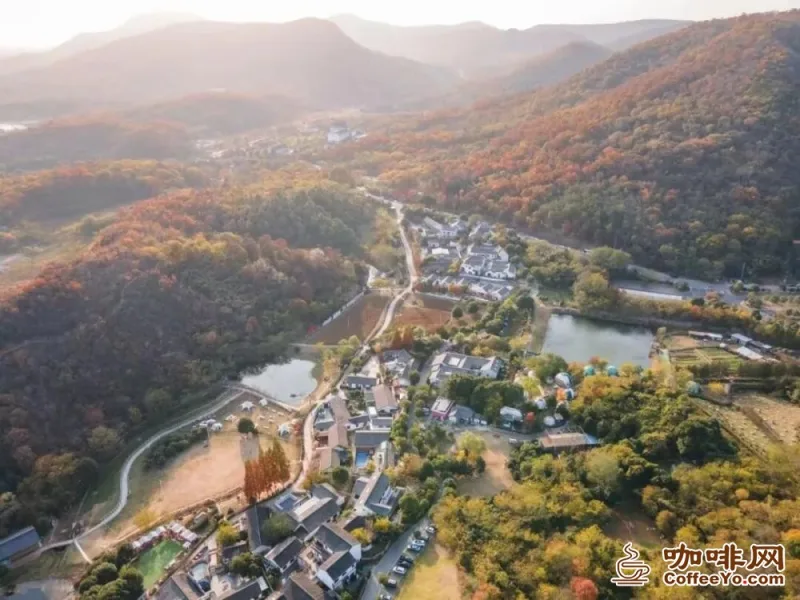
At the foot of Lao Mountain, by Zhenqi Road, the village carries a legend of “never growing old” — Bulao Village is the top choice for many Nanjingers to relax and breathe in oxygen during holidays. The coffee shops here always taste just right!
Daye Xiaozhu (Wild Field Cabin)
Called a coffee shop, it is more of a treasure courtyard in the village. 2,000 m² of flower sea plus 500 m² of lawn, a moss-wrapped cabin, like a scene moved out of an animated film.
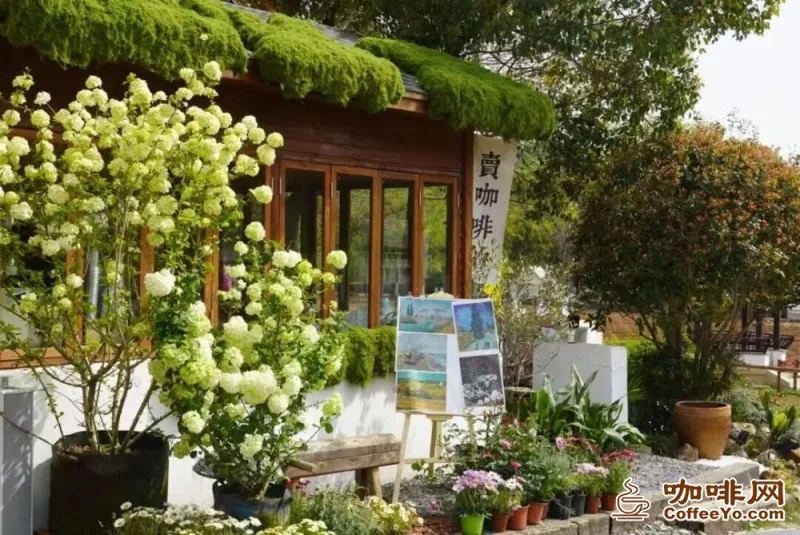
Order a signature “Pomelo Iced Americano” with a pistachio Basque cheesecake, sit in the shade of a tree; only the tinkling wind chimes and rustling leaves in your ears — the whole person is healed by nature.
Xiaoman Art Space
“Xiaoman” (Grain Buds) — even the name sounds romantic.
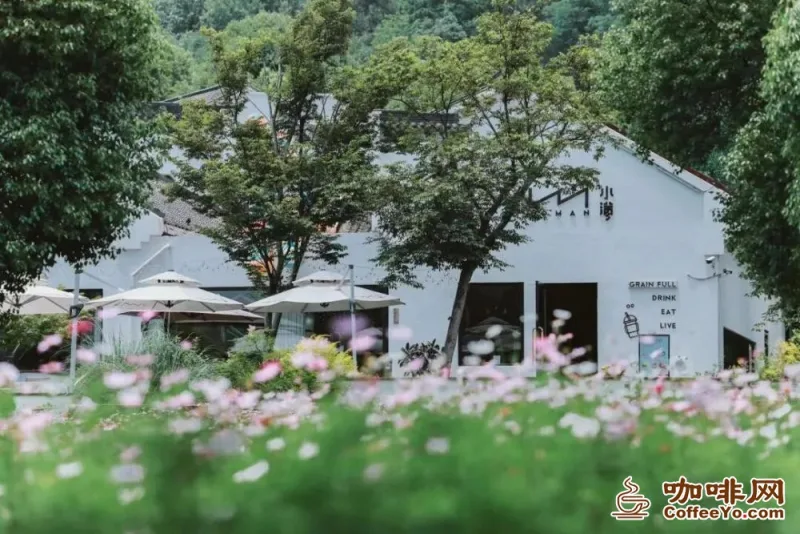
A white house at the foot of Lao Mountain, every step a green view. The front hall is a coffee shop, a long window maxing out the atmosphere; walk further in and there are also private dining and exhibitions — you can stay a whole day without trouble.
“The best of life is Xiaoman.” Come for a cup during the holiday — perfectly in season.
Jiangpu Subdistrict · Xiangtang
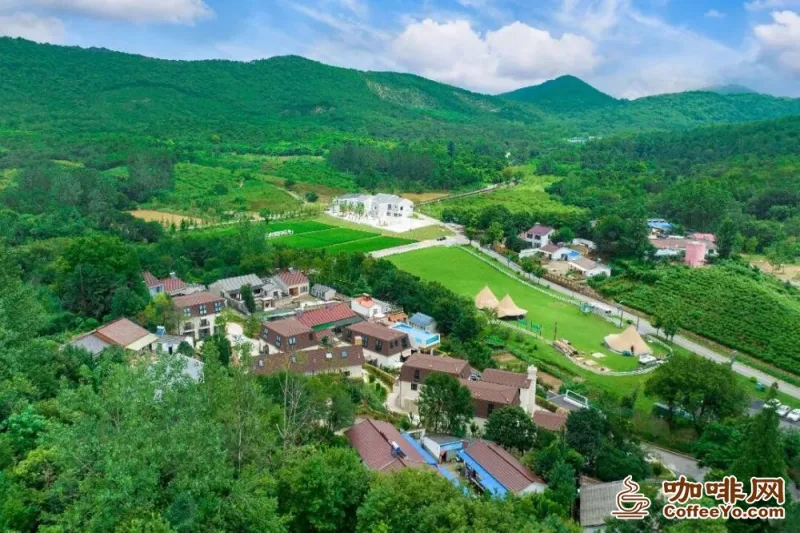
Xiangtang, surrounded by mountains on three sides and embracing water on one, started from a single gardenia. Homestays, intangible-cultural-heritage handicrafts, trendy toys and more have moved into the village, brimming with new vitality. The coffee shops here likewise carry a lazy, healing temperament.
Zhi Coffee
As the “landmark” village cafe of Xiangtang, Zhi Coffee is converted from an old residence, the wooden old house retaining its original texture.
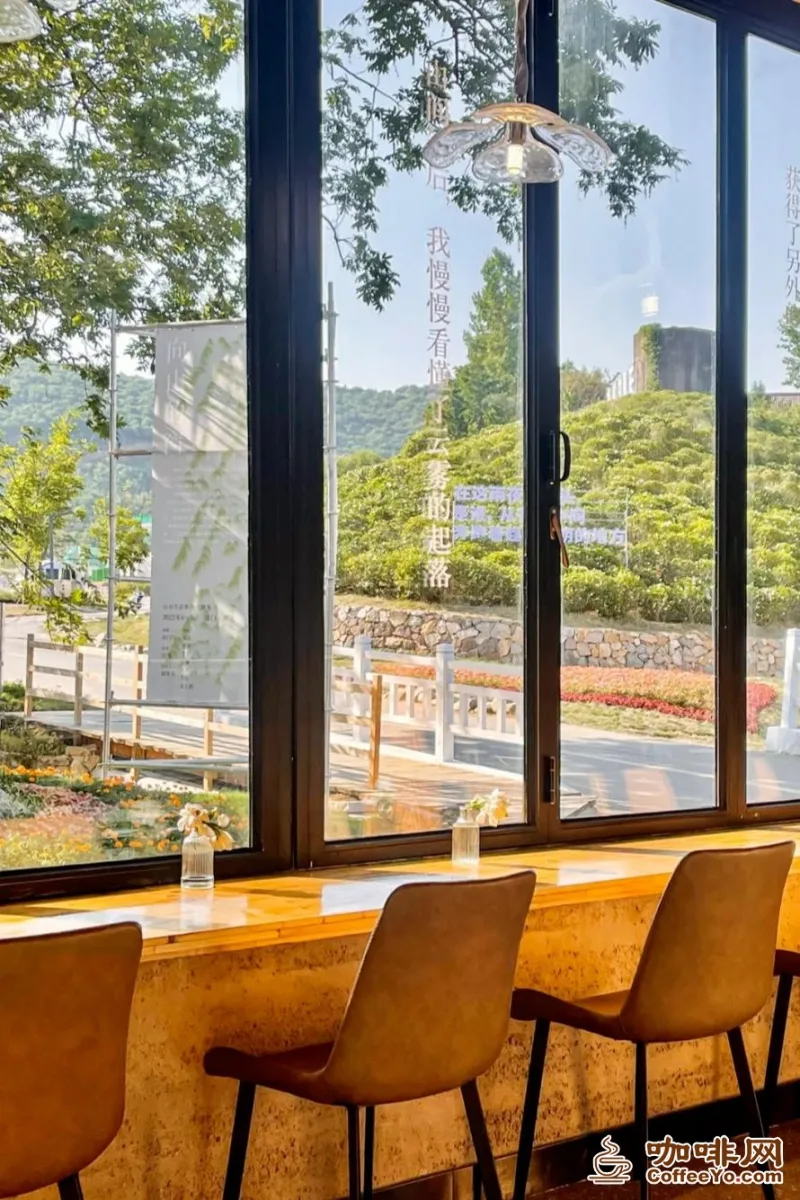
Facing the valley and mountain view straight from the window, you sit under the eaves yet feel as if in the open wilderness. Sip the signature Zhi Coffee; the mellow flavor blends with gardenia fragrance — everything so gentle.
Yungu Jianye Plant-Aesthetic Space
From the name you know this is far more than just a cup of coffee. A 600 m² space surrounded by greenery, all kinds of plants and floral arrangements cleverly placed, like a small botanical aesthetics museum.
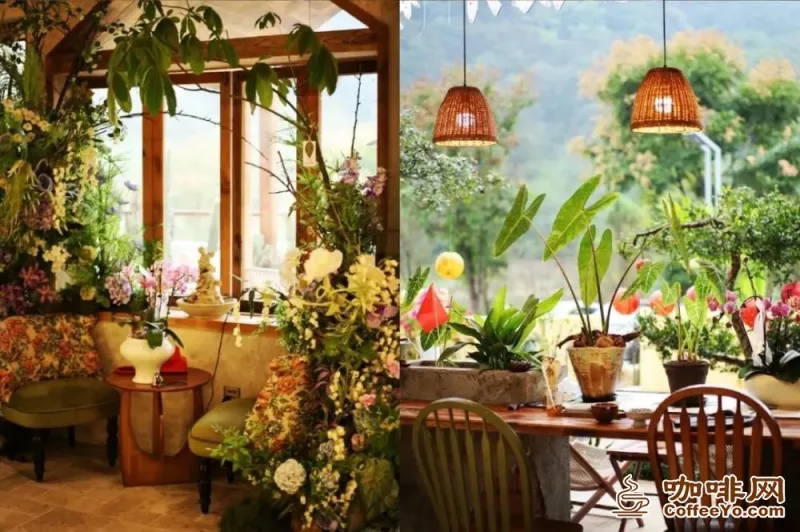
You can order a pour-over and read quietly amid the greenery, or pick a favorite plant to take home, adding a little “small certainty” to life.
Yongning Subdistrict · Qingshan Fishing Village
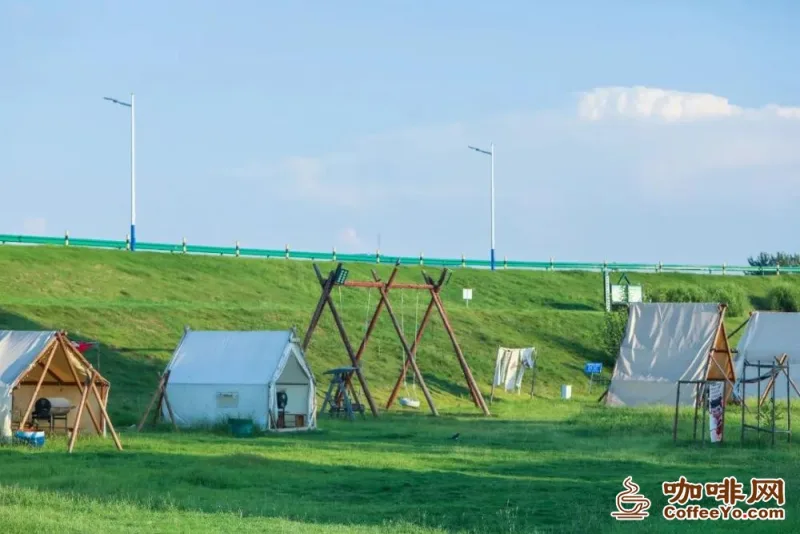
Ten li of Chu River winds around Qingshan; white walls and dark tiles nestle among vast fields. Qingshan Fishing Village is a genuine water town. When the village’s old house was turned into a cafe for listening to wind and watching rain, that “slowness” endured.
Xiaochi Coffee
If you want to find a window and quietly wait for a sunset, come here.
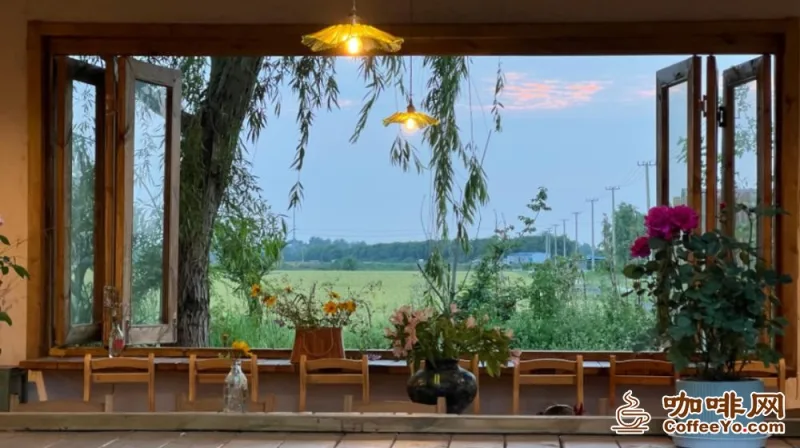
The small shop hides in the middle of the village fields; once just two idle duck sheds, the owner knocked down a wall and opened a window, framing the rotation of the four seasons into the picture.
Use a window to frame the scenery, guard a sunset sinking into the fields, find a secluded corner to empty yourself. With coffee and signature drinks, add more flavor to this pastoral leisure trip.
Qingye Coffee
An old house by the water, a thatched roof propping up the shop’s outline. Qingye Coffee is indeed a bit “wild.”
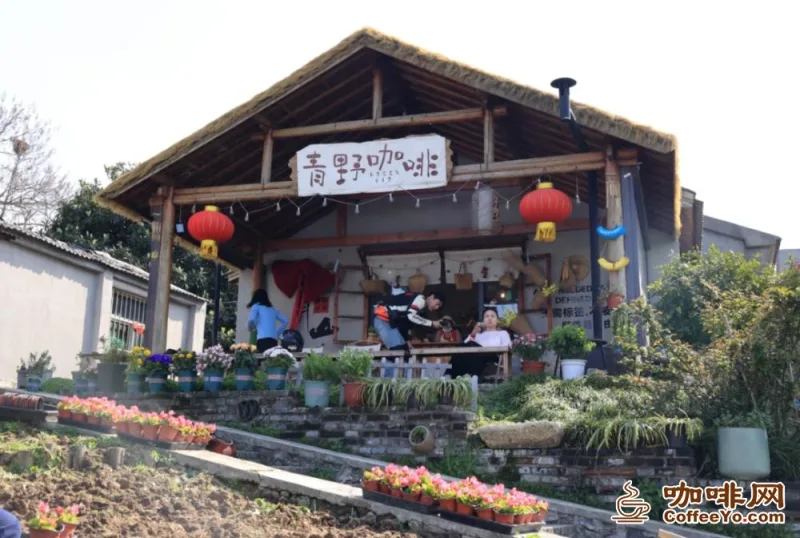
Sit by the window, before you the whole flower field and Chu River scenery, at hand a cup of “Beneath Qingshan” — one sip and the floral, nutty and coffee aromas unfold in layers. The river breeze turns the pages; with a gust of wind, even time begins to doze.
Liusongsong Coffee Farm
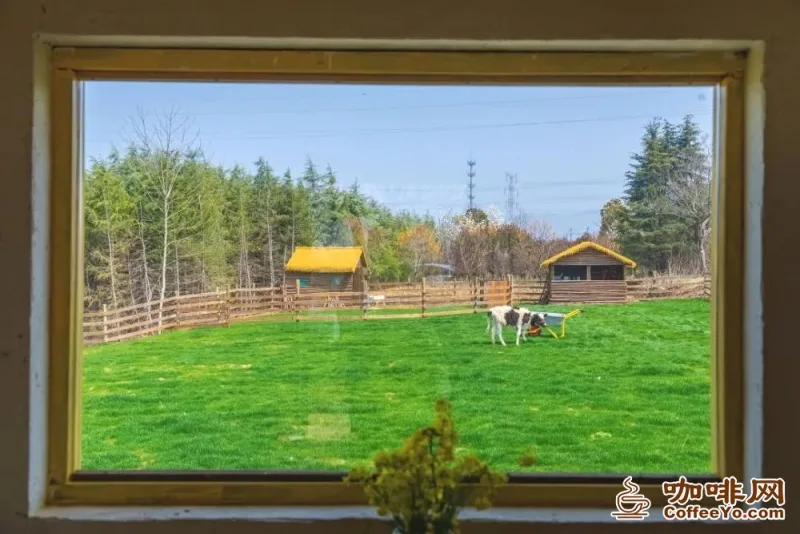
Grassy and piney — “farm + coffee” is of course a one-of-a-kind experience.
A cottage with French-tender decor, every window a natural picture frame, casual shots all photogenic. The backyard is a refined small farm, with lambs, a puppy, and a cow grazing leisurely. Bring your own furry kid to frolic — cozy and comfortable.
Xingdian Subdistrict · Houwei Village
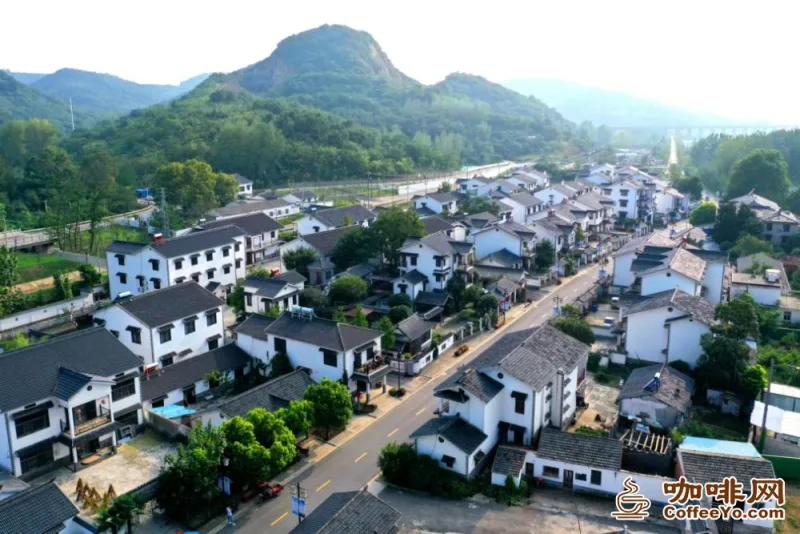
Houwei Village, hidden in the embrace of mountains, is also called “Crab Village.” The whole village has 10,000 mu of aquaculture bases, 126 farming households, and an annual river-crab output as high as 1,600 tons. Although crabs fill the wallet, “Crab Village” is no longer only about crabs.
Weibai Yao Ka (White Courtyard Kiln Cafe)
This is Houwei’s first truly outside-new business format. Operator Yanan transformed the old house into a cozy small shop, rooted here with all her love for life.
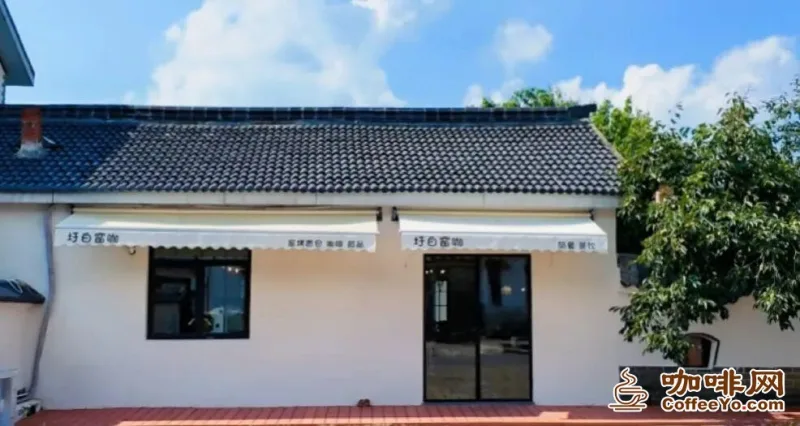
The shop offers camellia latte, milk-brick latte, goldfish soda and other drinks — pleasing to the eye and mellow; plus wood-fired kiln-baked ciabatta in four flavors — original, termite mushroom, oil-cured cherry tomato, banana chocolate — rich wheat aroma you won’t find elsewhere.
Walk the village’s bluestone path, sit by the window, a hot drink with a piece of kiln-baked bread — the rural relaxation is maxed out.
Panchen Subdistrict · Wangjiadu
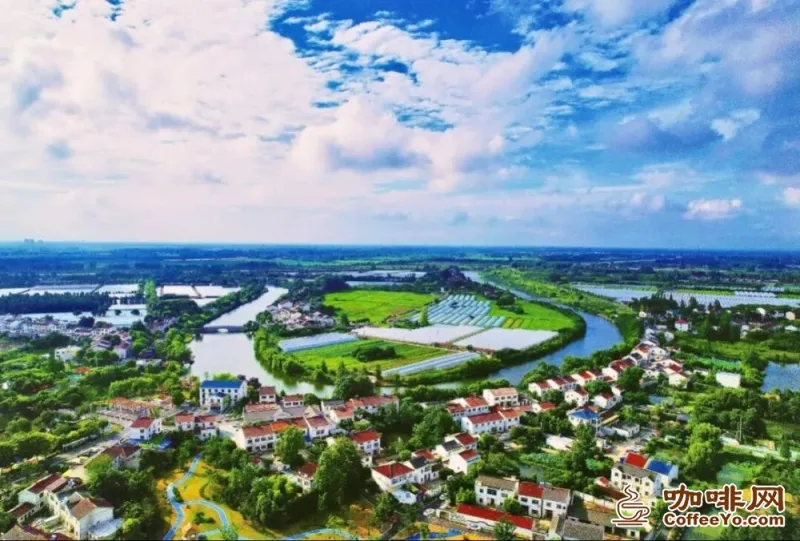
Wangjiadu was an old ferry by the Chu River; the village takes its name from it.
The village is small but hides a string of treasure shops — barbecue, bakery, pretty meals, rural campsite — enough to play a whole day. The village is still the village, but life has changed its way.
Waipo Qiao · Coffee and Tea (Grandma’s Bridge)
Rock-a-bye, rock-a-bye, to Grandma’s bridge.
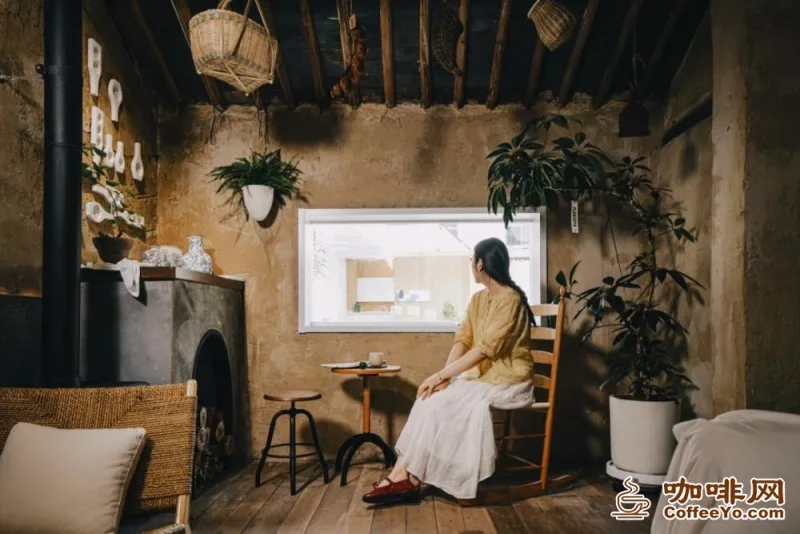
Grandma’s Bridge, converted from an idle old house, retains yellow-earth walls, log beams and columns, and old objects “borrowed” from village neighbors — palm-leaf fans, picture books — truly carrying the warmth and earthly vitality of childhood memory.
The outdoor pebble courtyard is open and peaceful; the doorstep is lawn and a small river. The signature “One Apple” blends sweet-sour fruity aroma with coffee; the Pancheng grape soda is refreshingly good. There’s also a little dog named “Milk Foam” who dozes at your feet when guests are few.
Relaxed, cozy, full of flavor. Poetry and distant lands need not be a thousand miles away — they may be in some village on the north bank, waiting for you to push the door open.
Text / Ren Xing
Reprint notice and disclaimer
- This article is edited and compiled by coffeeyo.com. The materials and images herein are sourced from public channels; copyright belongs to the original authors. This site reprints them solely for sharing coffee-industry information and does not represent our stance; all data and opinions are subject to the original. We thank the original authors for their creation and sharing.
- If content authorization, attribution, copyright or other matters are involved, please contact us promptly. We will verify and cooperate in handling them as soon as possible; we also welcome coffee-growing regions, brands and industry media to exchange and contribute articles with us.
- Contact coffeeyo.com: Tel 400-0000-641 (+86-18288016826) | Email 405854472@qq.com | Address: Jinghong City, Xishuangbanna, Yunnan / Tieling City, Liaoning
Reprint Notice & Disclaimer
- This article has been edited and compiled by China Coffee Network. The information and images therein come from public sources and the copyright belongs to the original author. This reprint is intended solely for information sharing within the coffee industry and does not represent the views of this website; all data and opinions are subject to the original article. Our thanks to the original author for creating and sharing it.
- For matters concerning content licensing, attribution, copyright or otherwise, please contact us promptly and we will verify and cooperate in handling them as soon as possible. We also welcome coffee origins, brands and industry media to exchange ideas and contribute articles.
- Contact China Coffee Network: Tel 400-0000-641 (+86-18288016826) | Email 405854472@qq.com | Address: Jinghong, Xishuangbanna, Yunnan Province / Tieling, Liaoning Province
Related Reading
 How ‘Sea-Flavored’ Coffee Blooms Across Dongtou
- Health Guide: How to Enjoy Your Coffee the Healthy Way
 Study: Regular Coffee and Tea May Lower Dementia Risk, but More Is Not Better
 Frontline Story: A ‘Mobile City Coffee Bar’ Arrives by the Grand Canal
 Yantai’s Wind Tastes of Coffee
 In Zhenyuan, a Cup of Coffee and a Waiting Train




 Liaoning ICP Security No. 21122402000217