
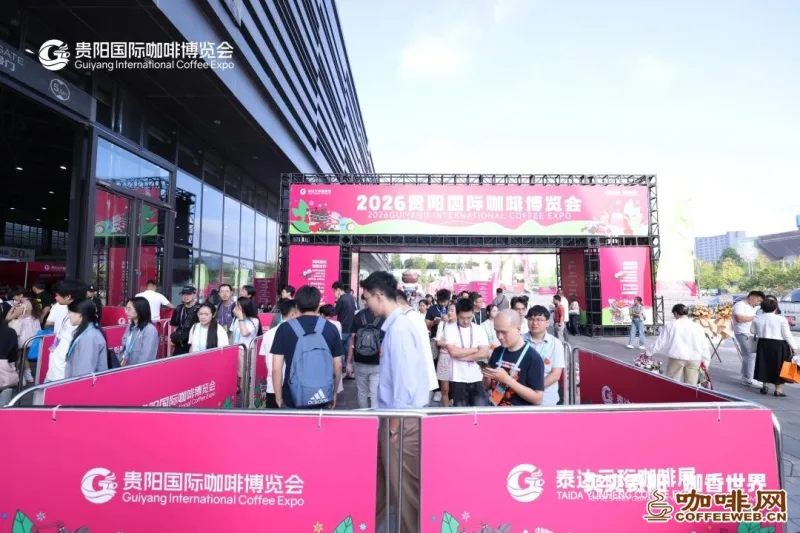
At a Glance (China Coffee Network): On the morning of September 24, the 2026 Guiyang International Coffee Expo opened at the Guiyang International Conference and Exhibition Center. The three-day event drew 212 exhib…
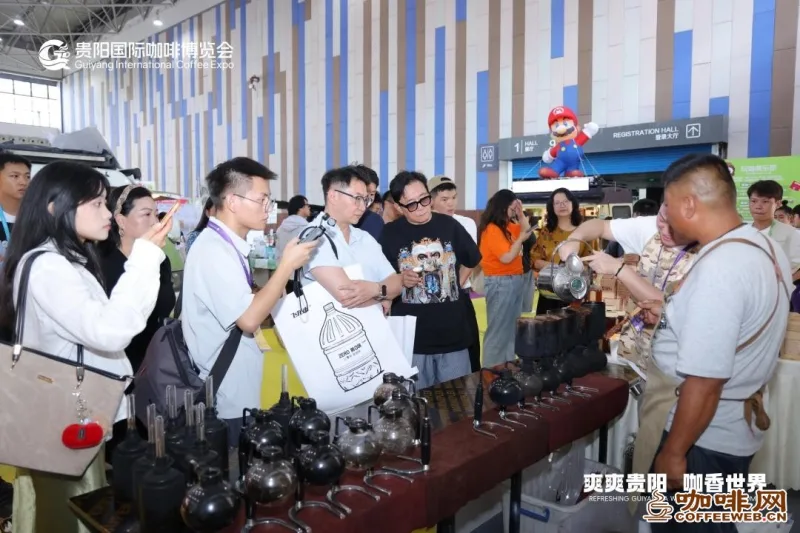
On the morning of September 24, the 2026 Guiyang International Coffee Expo opened at the Guiyang International Conference and Exhibition Center. The three-day event drew 212 exhibiting companies from 15 Chinese provinces, autonomous regions and municipalities and from 10 countries, plus more than 5,000 professional buyers. From Ethiopian coffee beans to Yunnan specialty estates, from small Foshan coffee machines to Guizhou estate tourism, from green bean trading to AI pour-over robots — the full industry chain behind a single bean, spanning cultivation, roasting, equipment, packaging, services and consumption, was presented here in one place. During the expo, 25 forums, product launches, professional competitions and trade matchmaking events are also being held.
From “drinking coffee” to “playing with coffee”: new consumer demand inside small machines
“Buying a machine used to mean relying on the internet, which was a shot in the dark,” said Xiong Bingde, a Guiyang resident in the equipment zone who had come specially after seeing the expo on Douyin. As a coffee enthusiast, he said Guiyang has few brick-and-mortar coffee machine shops, so when he heard that manufacturers from across the country were coming, he made a point of seeing the machines in person and comparing them. “I’m more interested in professional equipment at the small-business level,” he said.
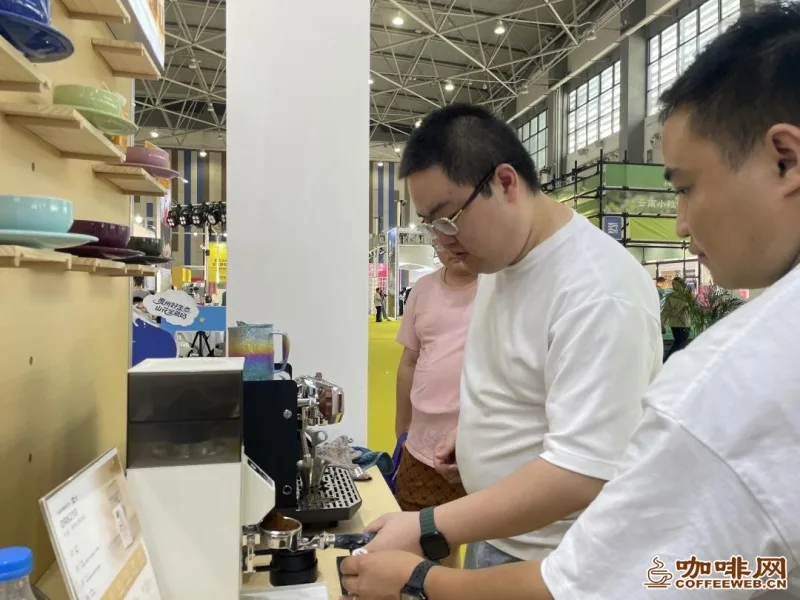
Beside him, at the HAMBACH (Hanbahe) booth of the Weiyuzhou Group, staff member Yang Lang was demonstrating a compact dual-boiler espresso machine. “It can extract independently and steam milk independently,” he explained. About the size of a household machine, it targets small-demand scenarios such as market stalls and car-boot fairs, and sells online for around 6,000 yuan.
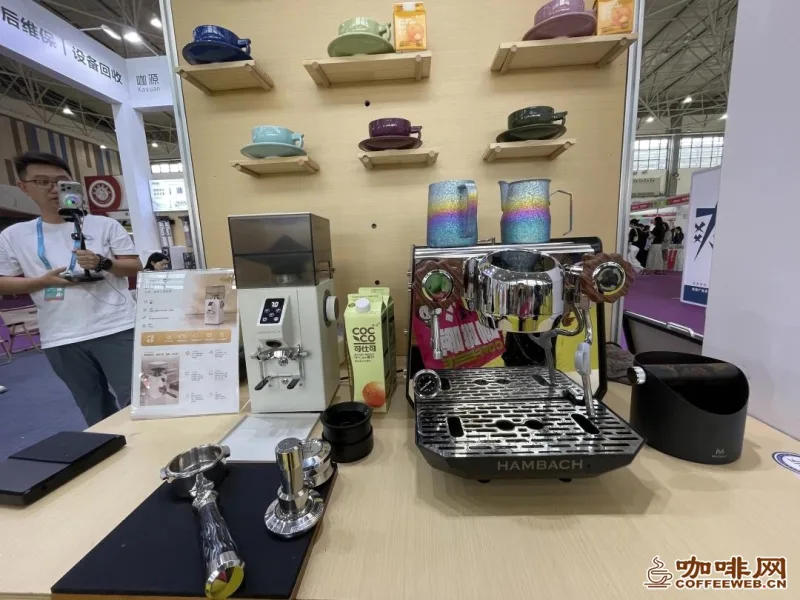
Asked why the company pursues “small but refined,” Yang Lang said large commercial machines often cost tens of thousands of yuan, putting professional coffee out of reach for many households. “We compressed it into a small machine so professional-grade coffee can be played with at home.” In his view, coffee is becoming as everyday as milk tea: “People drink coffee every day now, and many want to make it themselves.” The company exhibits year after year in Shenzhen, Shanghai and Chengdu, but this is its first time in Guiyang — “to see how this market works and what the results are like.”
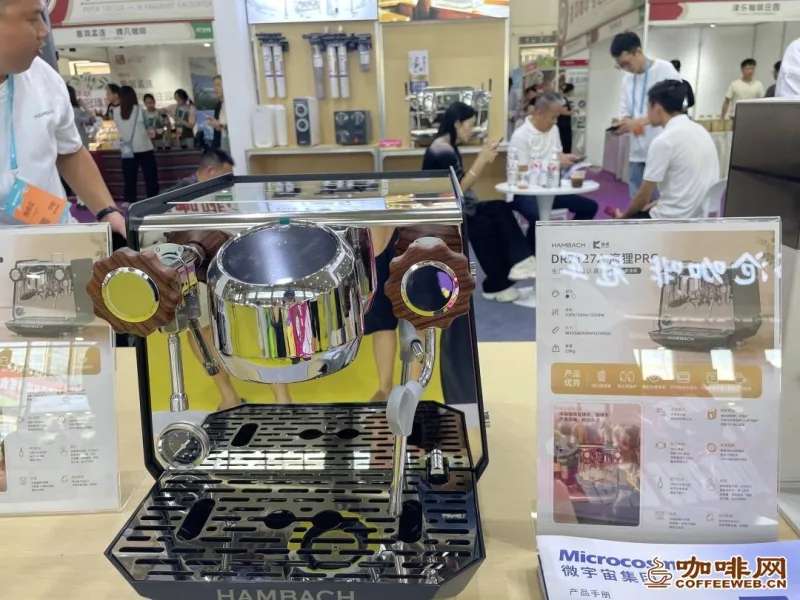
Shifting demand on the consumer side is reshaping the coffee equipment market. In this year’s equipment zone, Foshan in Guangdong exhibited as a group under its identity as the “global hometown of coffee machines,” with Bestsum, Petrus, Dazheng, Tailiang and others showing equipment together, while companies from Shanghai and Fujian also came. Beyond conventional models, HIBUFFX brought a self-developed AI pour-over coffee robot, offering an answer to the industry pain point that “individual flavor and stable mass production are hard to reconcile.” From large commercial machines to small household ones, from traditional tools to smart devices, manufacturers are iterating rapidly along the pull of consumer demand.
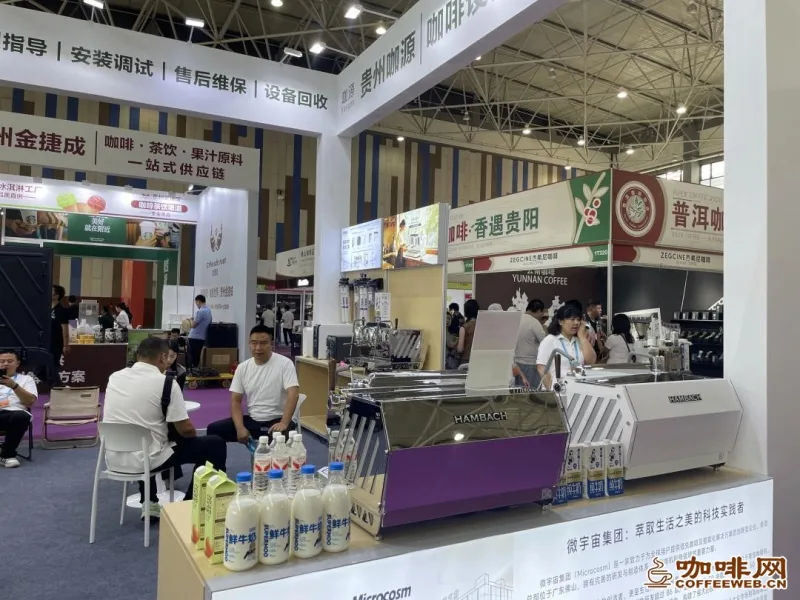
Underpinning this enthusiasm is Guiyang’s vigorous coffee consumption. Data show the city has more than 3,000 cafés, with one of the highest densities of coffee shops in the country, and coffee consumption growing about 18 percent a year. This “city of Chinese coffee champions” is turning coffee from a drink into a lifestyle. At the expo, leading chain brands such as Starbucks appeared alongside local specialty cafés — a microcosm of a diversifying consumer market.
From “selling raw materials” to “selling brands”: producing-region companies step into the spotlight
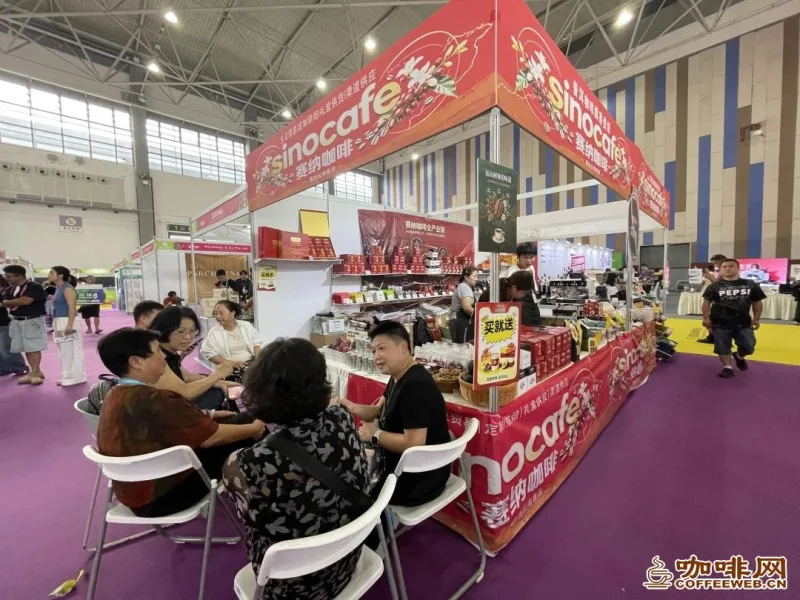
In the Yunnan zone, inquiries never stopped at the booth of Pu’er Saina Coffee Co., Ltd. “In half a day we’ve received about a hundred people,” said a staff member, opening sample bags for visitors to smell while introducing their flagship specialty roasted beans. Founded in 2004, the company has hulling, deep roasting and warehousing bases in Pu’er with an annual processing capacity of 25,000 tonnes, and its green beans are mainly exported to Russia and the European Union.
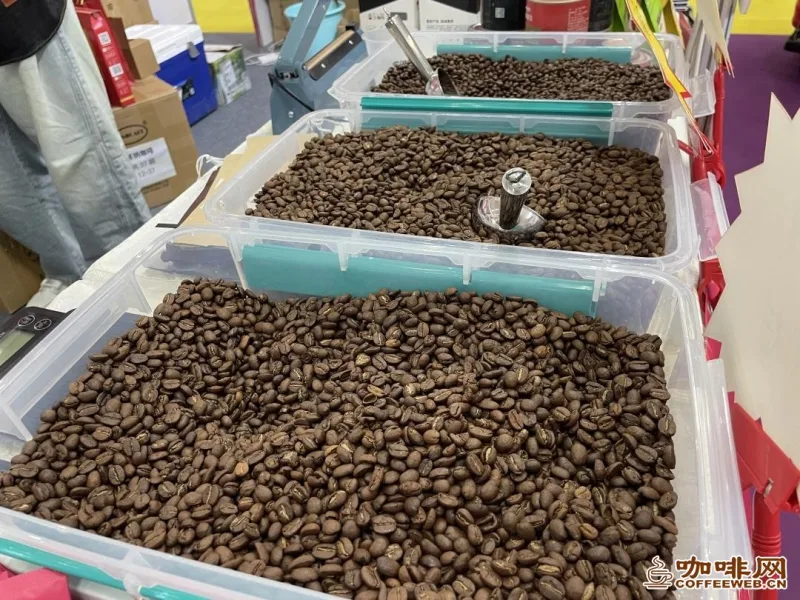
“Our boss is from Guizhou.” That one line from the staff explained why they came — it is Saina’s first time in Guiyang, “hoping to find partners here we can trust, and who trust us.” Their specialty beans cover high-altitude areas in Lancang, Menglian and Pu’er, with varietals including Caturra and Catimor, and flavor profiles emphasizing nutty aroma and body. Reporters saw Guiyang café operators already making contacts on site: some wanted to buy green beans at source and roast in-house, others wanted to buy roasted beans directly.
Not far away, the booth of Laos Geisha Agricultural Technology Co., Ltd. wafted with floral and fruity aromas. Head Li Songze explained that the company is a joint venture between Chinese and Laotian parties with a factory in Vientiane, relying on the volcanic soil of the southern Bolaven Plateau to grow chemical-fertilizer-free ecological coffee. “The soil can’t be replicated — its potassium content is especially high.”
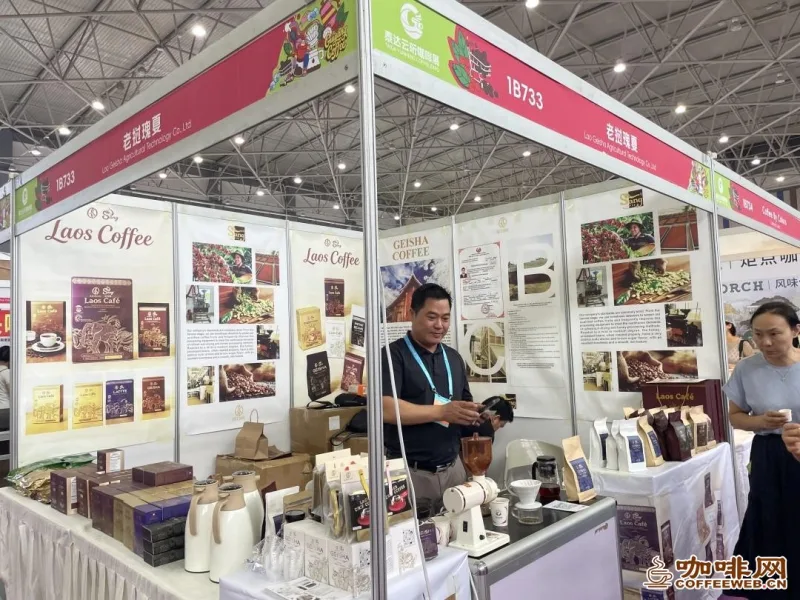
The company has been in coffee for nearly 20 years, previously focused on Southeast Asian markets, and this year formally entered the Chinese market through platforms such as the China-South Asia Expo and the China-ASEAN Expo. Its presence in Guiyang came on the recommendation of Laos’ Ministry of Industry and Commerce: “Guiyang doesn’t grow coffee, but its coffee atmosphere is exceptional — we hear there is roughly one café for every 2,000 residents.” In half a day on site, quite a few buyers had tasted, purchased beans and discussed distribution.
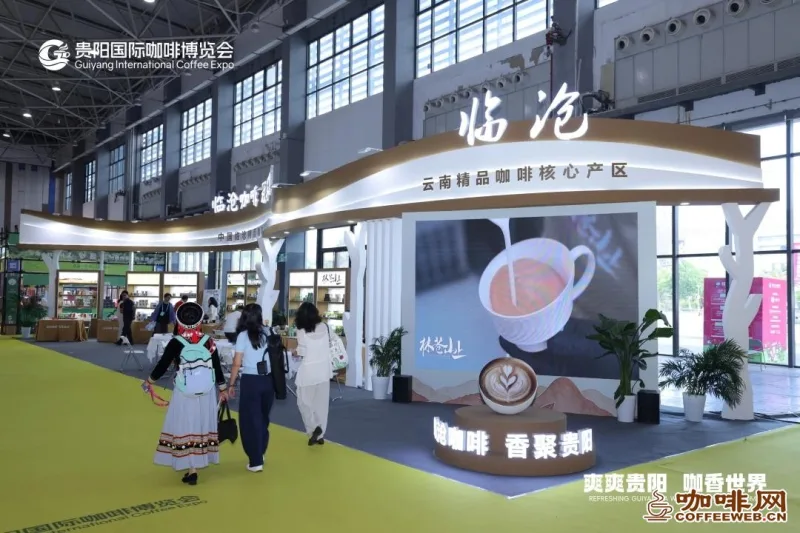
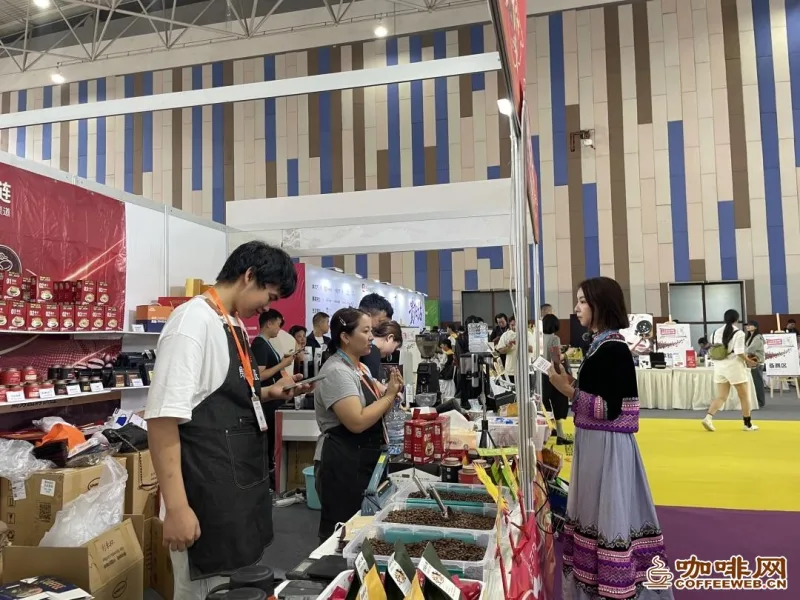
The aroma of a single cup is gathering more and more producing regions under one roof. In the domestic zone, Yunnan was the main force: Lincang brought champion-estate beans and specialty estate brands, Pu’er highlighted geographical indications and supply-chain systems, Nujiang focused on high-altitude coffee resources, Baoshan presented full-chain capability from cultivation to deep processing, and Dali showcased China’s oldest coffee genetics — Zhukula.
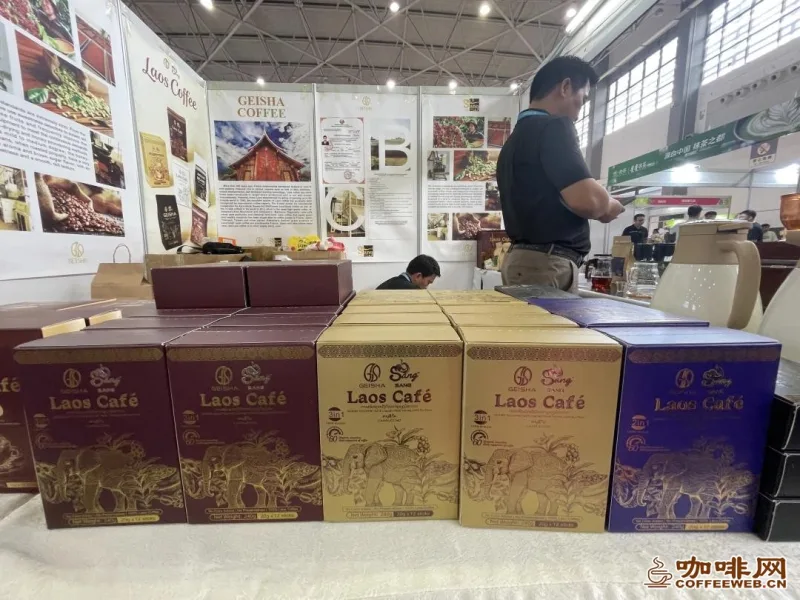
The overseas zone was equally lively, with coffee companies from 10 countries — Ethiopia, Vietnam, Uganda, Laos, Burundi, Thailand, Colombia, Ecuador and Singapore among them — setting up booths, while quality beans from major producing countries such as Brazil, Kenya, Indonesia, Costa Rica, Guatemala, the United States and Saudi Arabia were displayed together.
Producing-region companies are accelerating their shift from “selling raw materials” to “selling brands.” In Yunnan, for example, coffee planting area reached 1.463 million mu in 2025, green bean output was 138,900 tonnes, and coffee exports reached 19,000 tonnes worth 860 million yuan — first in the nation by both volume and value — with the specialty rate and deep-processing rate rising markedly. Several exhibitors said what drew them to Guiyang was the consumption potential of Guizhou and even the wider southwest market: “We hope to find the right channel partners through the expo.” As producing-region companies step forward with their own brands and source-level supply chains, the southwest market is becoming their shared choice.
From “single points” to “the whole chain”: the industrial ecosystem behind a cup of coffee
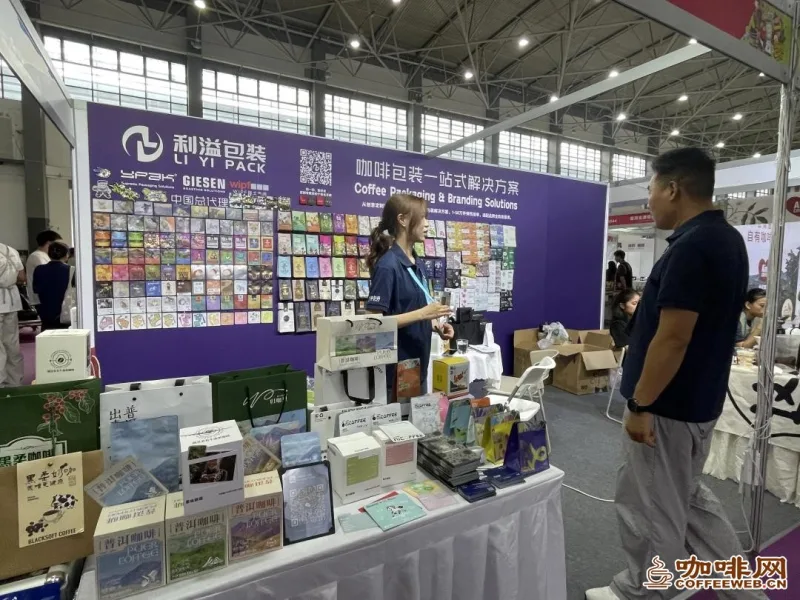
At the booth of Dongguan Liyi Packaging Materials Co., Ltd., coffee packaging in every color was neatly displayed. Staff member Huang Jiayi said the company specializes in full-chain custom packaging for coffee products — drip bags, whole beans, freeze-dried and instant coffee alike — “offering local coffee farmers or small brands looking to transform a more cost-effective one-stop solution.”
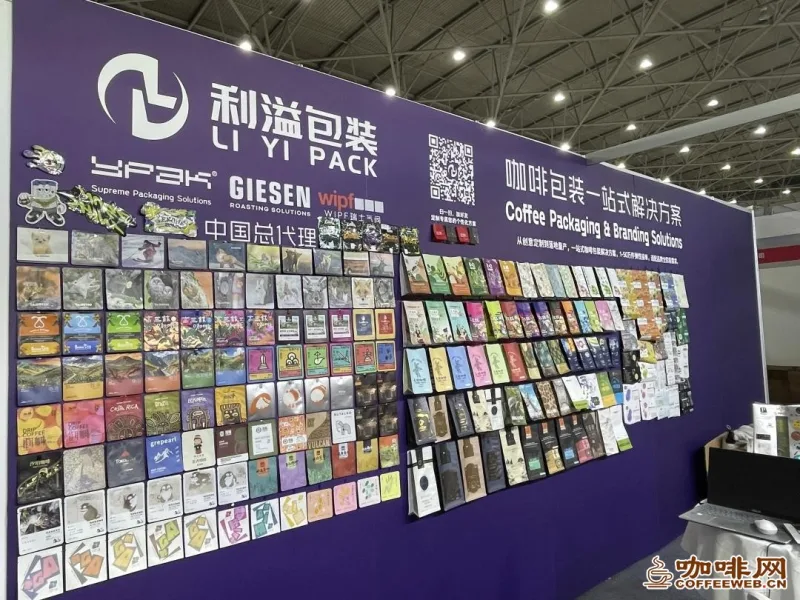
Huang noted that the industry has long spoken of the “Yunnan-Guizhou double champions.” Her company has worked deeply in Yunnan’s producing regions for years and came to Guiyang specifically to study the market: “Guizhou is more developed on the brand-shop and sales side.” In her view, what buyers on site care about most is cost and coordination efficiency: “Online contact only lets you learn about one link, design or production, with high communication costs; one-stop supply saves a great deal.”
Custom packaging is only one link in the coffee industry’s service chain. At this expo, service providers for coffee industry finance, plant and equipment leasing, cold-chain warehousing and logistics, cross-border e-commerce platforms, and barista training and certification all set up booths, and the Guiyang Foreign Trade Development Group joined the displays as well, covering the entire chain from raw materials and processing to brand operations and end consumption.
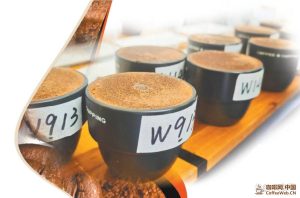
During the expo, 25 forums, launches and trade matchmaking events were held in close succession, and five professional competitions ran in turn — the SanDouKe Asia Cup SACRC Roasting Competition, the 2026 China Coffee Cupping Championship Guiyang Division, the 2026 Zero-Profit Cupping Competition Guiyang City Division, the 2026 China Coffee Latte Art Championship Guiyang Division, and the 4th CCT China Coffee Taster Competition Guiyang Division — spanning roasting, cupping, latte art and tasting. Li Songze of Laos Geisha said they would also take part in the upcoming cupping sessions, “to let more people taste Laotian coffee.”
The extension of the industry chain goes beyond the expo itself. This edition promoted “coffee plus cultural tourism” projects including Guizhou’s distinctive coffee estate tours and specialty café travel routes, with many booths flying the “Guizhou Coffee” and “Guizhou Estate” banners and tying coffee to tourism IPs such as Huangguoshu Waterfall and Xijiang Qianhu Miao Village. Guizhou’s coffee planting area is about 100,000 mu, mainly in Chishui, Wuchuan and Yinjiang, and dozens of coffee estates are already in operation. With Guiyang’s “city of Chinese coffee champions” as its calling card, Guizhou’s coffee industry is extending from the consumer end up toward the upstream chain.
Three days, 212 companies, more than 5,000 professional buyers — what this expo condenses is the interlocking ecological picture of Guizhou’s and even southwest China’s coffee industry across cultivation, processing, equipment, services and tourism. As one exhibitor put it on site, the Guiyang market “is actually pretty big” — and when a single cup of coffee connects producing regions, equipment, services and consumption, this city’s coffee story is only just beginning.
Reporter: Tianyan News / Liu Juan
Editor: Luo Chang
Second review: Shen Anyong
Third review: Hu Lihua
Reprint Notice & Disclaimer
- This article has been edited and compiled by China Coffee Network. The information and images therein come from public sources and the copyright belongs to the original author. This reprint is intended solely for information sharing within the coffee industry and does not represent the views of this website; all data and opinions are subject to the original article. Our thanks to the original author for creating and sharing it.
- For matters concerning content licensing, attribution, copyright or otherwise, please contact us promptly and we will verify and cooperate in handling them as soon as possible. We also welcome coffee origins, brands and industry media to exchange ideas and contribute articles.
- Contact China Coffee Network: Tel 400-0000-641 (+86-18288016826) | Email 405854472@qq.com | Address: Jinghong, Xishuangbanna, Yunnan Province / Tieling, Liaoning Province
Related Reading
- Bean in Short Supply: A Taiwan Youth on Yunnan Coffee as a Shared Cross-Strait Stage
- Five Years, Eight Championships: Lincang Coffee Joins the World Stage
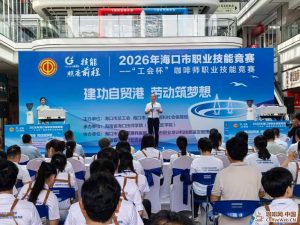
 Haikou ‘Union Cup’ Barista Skills Competition Kicks Off to Empower the Service Sector
 Yunnan Specialty Coffee Beans Deliver an ‘Excellent’ Report: Path to Value Leap
- Cross-Strait Tides Rise: A Taiwan Youth Farms Coffee in Yunnan, a Cup Bridging Both Sides
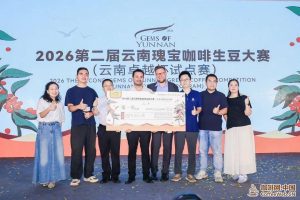
 2026 2nd Yunnan Treasure Coffee Green Bean Competition (Cup of Excellence Pilot) Concludes


 Liaoning ICP Security No. 21122402000217