








What is the use of a cup of coffee?
For those who enjoy and are accustomed to drinking coffee, it's about refreshing and prolonging their lives, about not having a headache, and about feeling that the world is worth it in the moment they drink it!
For people who don't like or are not used to drinking coffee, it's palpitations, insomnia in the middle of the night, and the urge to go to the bathroom immediately after drinking it!
Getting up early and having a cup of coffee is a standard for many people to start a new day. However, coffee has always been burdened with some health controversies. Recently, # Long term coffee consumption can lead to high cortisol # has become a hot topic on Weibo with 400 million views.
Coffee enthusiasts are confused, what is the truth? Let's take a look together.
What is cortisol?
Cortisol, commonly known as the "stress hormone," is produced by the adrenal cortex and is an important hormone in our body. When our body is under stress, it releases cortisol.
Under normal circumstances, cortisol is beneficial for regulating stress, breaking down fat, stabilizing blood pressure, fighting inflammation, helping us stimulate more energy, and making us more focused.
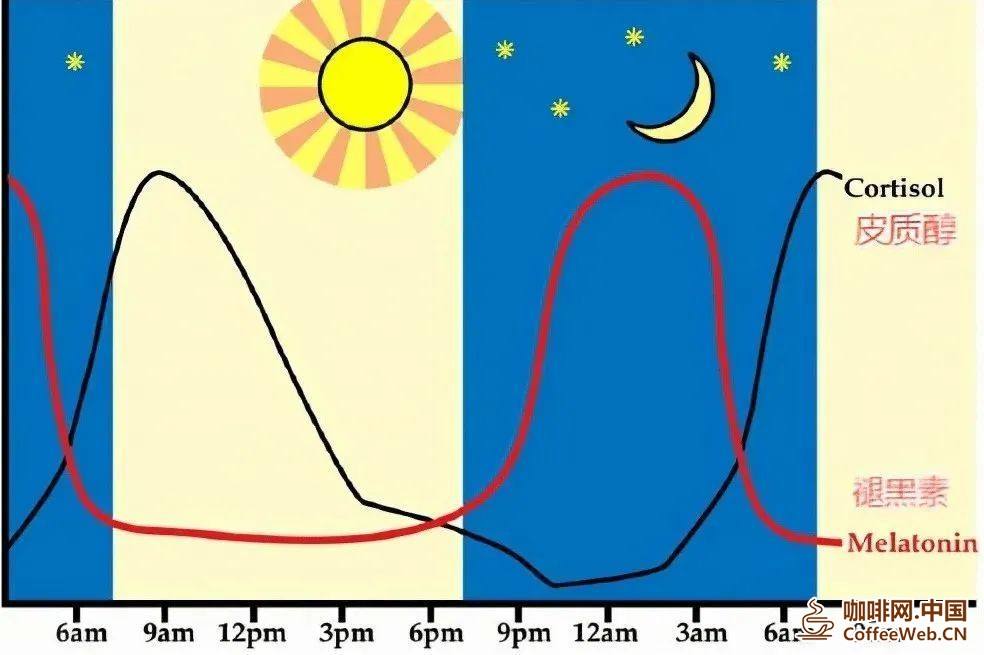
Cortisol secretion has a circadian rhythm. Cortisol levels are highest around 8am in the morning, then decrease in the afternoon, and reach their lowest point around 2am.
The secretion of cortisol is affected by mental pressure, drugs, caffeine and some tumors. Small short-term fluctuations are normal and unlikely to cause harm to the body, but long-term increase may cause obesity and increase the risk of cardiovascular disease, diabetes and malignant tumors.
Long term coffee consumption
Can it lead to excessive cortisol?
As mentioned above, eating, exercising, and mental stress can all affect the secretion of cortisol, and drinking coffee has a similar effect.
Caffeine can promote the production of adrenaline, and some people feel their heart rate increase and excited after drinking coffee. The adrenal glands secrete cortisol, and long-term coffee consumption may increase cortisol levels. But there is currently no evidence to suggest that cortisol continues to increase, thereby affecting changes in the human body, as the human body has self-regulation functions.
As for the phrase "drinking coffee for a long time makes it difficult to lose weight" mentioned in the hot search, the most likely scenario is that the coffee you drink is not ordinary black coffee, but has added milk, sugar, and other things, leading to an increase in calorie intake and weight gain. Instead of obesity caused by elevated cortisol levels due to drinking coffee.
Long term coffee consumption
What are the impacts on the human body?
You all know that drinking coffee can promote diuresis, didn't you expect it to have a laxative effect?
Yes, I'm sorry, but drinking coffee can indeed help with bowel movements. This is because coffee can promote the secretion of gastric hormones, stimulate intestinal activity, and enhance intestinal motility. But the effect of defecation varies from person to person. Some people may drink coffee just to make it slightly smoother while squatting, while others may immediately experience diarrhea after drinking it, and some may have no response at all. But regardless, the laxative effect of coffee is very clear.
Here is a reminder that many coffees contain milk, and some friends who drink diarrhea may also be intolerant to lactose in milk.
Some people occasionally take a few sips of coffee, feeling their heart rate increase and experiencing symptoms such as palpitations. They may suspect that there is a problem with their heart and even think that drinking coffee will have some adverse effects on their heart health.
Actually, there's no need to worry too much, these situations are all due to caffeine. After consuming caffeine, the human body activates the sympathetic nervous system, which not only has a refreshing effect, but also enhances the myocardial contraction rate of the heart, resulting in accelerated heartbeat. If a person is sensitive to caffeine, they will feel obvious tachycardia after drinking coffee, and compared to those who drink coffee for a long time, those who drink coffee occasionally or for the first time are more likely to experience palpitations.
I would like to add that if you have been under a lot of work and mental pressure recently, and suddenly experience palpitations, heart palpitations, or even worsening symptoms after drinking coffee, it is recommended to rest well first and reduce coffee intake. Sub healthy conditions can worsen these symptoms.
There's actually no need to say more about this. Since coffee can have a refreshing effect, when you drink too much or drink too close to bedtime, caffeine still plays a role, naturally making it difficult for you to sleep.
However, people are so different from each other. Some people can last until midnight after taking a few sips of coffee in the afternoon, while others can still fall asleep after drinking coffee at night. There's no other way
The hazards of coffee
Scientists have also taken a wrong turn when it comes to whether coffee can cause cancer. Initially, some people believed that coffee beans would produce the carcinogenic substance acrylamide when roasted at high temperatures, so coffee was listed as a carcinogen. However, as research continues to deepen and expand, scientists gradually realize that they have really misjudged them.
Firstly, although acrylamide is a carcinogen, the content in coffee is low. An adult needs to drink dozens or even hundreds of cups of coffee every day to get enough, but who can drink so much?
Secondly, acrylamide exists in many foods, such as deep-fried dough sticks, French fries, barbecues, etc. The acrylamide content in a cup of coffee is not necessarily more than these foods. It is unreasonable to take out the coffee alone.
Finally, and most importantly, the International Agency for Research on Cancer has identified acrylamide as a Class 2A carcinogen. Although it has a clear carcinogenic effect in animal experiments, the results of population studies have not yet been conclusive, indicating that the evidence for its carcinogenicity is insufficient.
Instead of worrying about acrylamide causing cancer, it is better to pay attention to the temperature of coffee, because drinking hot drinks above 65 ℃ may increase the risk of esophageal cancer. Therefore, whether it is coffee, tea, water, soup, etc., do not drink too hot and let it dry before drinking.
Some people believe that coffee is a stimulating beverage, especially when consumed on an empty stomach, which can harm the stomach. As mentioned earlier, since coffee can relieve constipation, it can indeed stimulate the stomach. The higher the concentration of coffee, the greater the irritation to the gastrointestinal tract. As for the extent of the reaction caused, it varies from person to person, but please note that coffee itself does not cause gastrointestinal diseases.
For people without gastrointestinal diseases, drinking coffee at most accelerates gastrointestinal peristalsis, but for those who already have gastrointestinal diseases such as gastroesophageal reflux and gastric ulcers, drinking coffee may worsen symptoms such as acid reflux and heartburn.
Drinking too much coffee may cause teeth to turn yellow, but it does not cause skin to turn black! Previously, you were worried that eating too much soy sauce would turn black, but now it's time for coffee again. Your imagination is really too rich. Let me tell you, you can get tanned by sunbathing or spending money on tanning, but drinking coffee really won't darken your skin!
Because the pigments in coffee are completely different from the melanin in the human body, which is generated and stored by melanocytes. The main reason that affects the secretion of melanin by melanocytes is the activity of tyrosinase, which is greatly affected by ultraviolet radiation and does not affect the skin due to the pigments in the food consumed every day. Otherwise, after drinking milk and yogurt for so many years, you wouldn't have seen it turn white
People who are used to drinking coffee and occasionally don't drink it for a day may experience headaches. Many people say they are "addicted to coffee", but in fact, this condition should be called "caffeine withdrawal headache".
According to research, if the amount of caffeine used is greater than 200mg/day, the duration is greater than 2 weeks, sudden withdrawal or failure to take caffeine on time, and headaches occur within 24 hours, and these headaches improve within 1 hour after taking 100mg of caffeine immediately, or the headaches improve after stopping caffeine for 7 days, then it belongs to "caffeine withdrawal headache".
Don't worry, this addiction is not as harmful as smoking, drinking, or drug addiction. Generally speaking, if you don't drink for one or two consecutive weeks, it will gradually relieve and have no adverse effects on your body. Stay calm and don't worry too much!
Is it good to drink coffee for a long time?
What should I pay attention to when drinking coffee healthily?
Seeing this, coffee lovers are wondering, is it good to drink coffee for a long time? In 2022, a study published in the European Journal of Preventive Cardiology found that drinking 0.5-3 cups of coffee per day is associated with a 12% decrease in all-cause mortality and a 17% decrease in cardiovascular disease mortality. Compared to those who do not drink coffee, those who drink coffee for a long time have better cardiovascular health, but the benefits are for decaffeinated coffee and ground coffee, not including instant coffee.
In fact, everyone's reaction to caffeine varies, so not everyone will be affected to the same extent. But for most people, as long as they drink coffee in moderation, it is usually safe and will not cause health problems. Drinking coffee healthily can also pay attention to the following details:
1. Try to choose black coffee and avoid drinking instant coffee for a long time. The additives in instant coffee include vegetable fat powder and white sugar, which may have negative effects on health.
The preferred choice for coffee is pure black coffee, which is low in calories and rich in potassium and antioxidants. Secondly, adding milk types such as latte and cappuccino on top of espresso has the advantage of increasing calcium and protein. The least recommended types are those that add extra sugar or cream, such as mocha with chocolate sauce and fresh cream, caramel macchiato, etc.
2. It is best not to exceed 3 cups per day. Generally speaking, one cup (about 200-300 milliliters) of coffee contains 100-150 milligrams of caffeine. At present, international research institutions have analyzed the evaluation results of caffeine, and it is safe for normal people to consume less than 400 milligrams of caffeine per day. Therefore, it is acceptable for healthy adults to drink 2-3 cups per day.
3. There is also an optimal time to drink coffee: between 9:30-11:00.
Excessive and frequent intake of caffeine, especially during times of high stress throughout the day (such as waking up early or feeling anxious), is more likely to lead to elevated cortisol levels. Therefore, it is best to avoid moments of excessive stress when drinking coffee. Caffeine takes about 8 hours to metabolize, so don't drink too late. Generally speaking, drinking around 10am can achieve a good refreshing effect.
4. Special populations should avoid or reduce their consumption of coffee, including pregnant and lactating women, children and adolescents, patients with osteoporosis or gastrointestinal diseases, those taking medication, caffeine sensitive individuals, and those suffering from insomnia.
In short, if you are a coffee enthusiast, there is no need to give up coffee just because you are worried about cortisol.
Editor/Sun Chaohui
Data/Nanjing Health 12320 West China Hospital of Sichuan University Life Times
Many people don't know! So there is still this leave that can be taken
2. Children are prone to diarrhea in summer, how to prevent and treat it clearly in one article!
 Liaoning ICP Security No. 21122402000217