
At a Glance (China Coffee Network): On September 25, on the main stage of the Guiyang International Coffee Expo, a dialogue titled "Seen Coffee Power — the 'Coffee Status' IP Sharing Session" handed the microphone t…
On September 25, on the main stage of the Guiyang International Coffee Expo, a dialogue titled “Seen Coffee Power — the ‘Coffee Status’ IP Sharing Session” handed the microphone to coffee people themselves. They were not discussing which cup tastes better, but a more practical question: with good beans and good craft in hand, how does one get seen by the market and remembered for the long run.

The topic did not come out of nowhere. While preparing a string of coffee expos, the organizers kept running into a common predicament in the industry: many coffee people have worked quietly for over a decade with solid quality and moving stories, yet are not good at making themselves clear to cameras and platforms; shops with outstanding output hide in back alleys, and producing regions with name recognition still cannot get beyond their own hills. When attention becomes a scarce resource, a considerable gap opens up between “being good” and “being seen.” Bringing this sharing session to Guiyang had a simple intention: let Guizhou’s coffee strength be seen and remembered by more people.
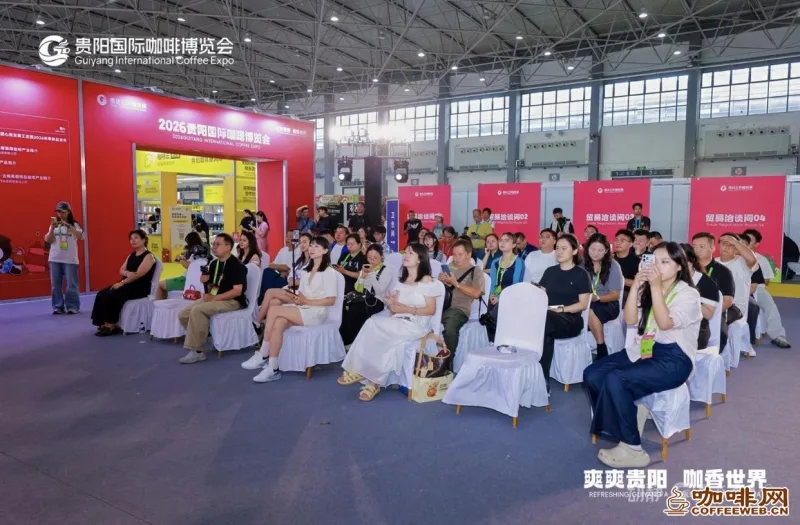
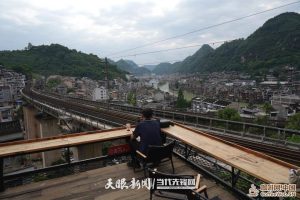
Nobody at the session attributed being seen to luck, and the example repeated most often came from Guiyang itself. This city grows not a single coffee bean, yet more than 3,000 cafés have sprung up. Some people set out to document them by “visiting one shop a day,” filming “landscape cafés” on cliff edges, beside waterfalls and inside caves — a single video can draw over 100,000 views. Yet point the same camera at a shop tucked in an ordinary lane and traffic drops straight back to one or two thousand. Through trial and error they worked out why: what grabs people first is Guizhou’s landscape and local character that cannot be replicated elsewhere; what truly keeps them is the cup in the shop and the story of the person behind it. The first step to being seen is to show the one thing that “only I have.”

To tell Guizhou’s coffee story, good shops alone are not enough — someone has to tell it. The session invited four local Guizhou content creators onto the stage: a coffee-vertical blogger who haunts Guiyang’s streets digging out creative signature drinks, an outdoor creator who films mountain driving, camping and coffee together, a lifestyle blogger scouting shops for local young people, and a practitioner focused on how individuals and brands build an IP from zero. Their routes were hardly mysterious — keep putting out Guizhou’s local culture rather than merely placing a product in front of people; draw them in with regional character first, then hold them with content and quality.
As for “being remembered,” they compared it to a protracted campaign, one won not by technique but by authenticity and patience. The reasoning was plain: communication technique decides whether you are visible enough, while the truth of the content decides whether people remember you. Algorithms change daily, and the buzz bought by chasing trends and paid traffic is mostly fleeting; what accumulates tends to be the person and the shop that know who they are, keep expressing it, and tell the same one thing again and again. Precisely for this reason, many coffee people have realized that the owner is often the best calling card — knowledgeable, genuinely passionate, having been through success and failure. That unpolished authenticity holds people better than any refined packaging.

Interestingly, the Guiyang invoked again and again plays more than the role of a “consumer market.” In Guiyang’s cafés you can drink beans from estates elsewhere; marathon runners come to the city every year and tick off a few local cafés along the way; and Guiyang’s coffee competitors repeatedly stepping onto world stages have made the outside world see Guiyang in turn. The city grows no beans, yet it stands between producing regions and consumers, between Guizhou and the world — bringing in coffee from elsewhere while serving up its own distinctive landscape, life and culture. This is exactly what makes Guizhou coffee so special: with no natural advantage in growing beans, it has carved out its own presence through one concrete cup after another and one concrete person after another.
From landscape cafés beside cliffs and waterfalls being filmed one by one for netizens, to Guiyang’s competitors repeatedly reaching world stages, to a roadside freshly roasted coffee spreading by its everyday charm, the paths to being seen differ widely, but the logic of being remembered converges. This session offered no standard answer. What it did was simpler: bring together those who can grow beans, roast and run shops with those who can shoot, write and tell stories, so that people absorbed in their work get seen and good stories find a way to be told. (Images: Organizing Committee of the Guiyang International Coffee Expo)
Reprint Notice & Disclaimer
- This article has been edited and compiled by China Coffee Network. The information and images therein come from public sources and the copyright belongs to the original author. This reprint is intended solely for information sharing within the coffee industry and does not represent the views of this website; all data and opinions are subject to the original article. Our thanks to the original author for creating and sharing it.
- For matters concerning content licensing, attribution, copyright or otherwise, please contact us promptly and we will verify and cooperate in handling them as soon as possible. We also welcome coffee origins, brands and industry media to exchange ideas and contribute articles.
- Contact China Coffee Network: Tel 400-0000-641 (+86-18288016826) | Email 405854472@qq.com | Address: Jinghong, Xishuangbanna, Yunnan Province / Tieling, Liaoning Province
Related Reading
 How ‘Sea-Flavored’ Coffee Blooms Across Dongtou
- Health Guide: How to Enjoy Your Coffee the Healthy Way
 ‘The Rhythm of Plants: Tea and Coffee Culture’ Exhibition Debuts in Rio de Janeiro, Brazil
 Study: Regular Coffee and Tea May Lower Dementia Risk, but More Is Not Better
 Frontline Story: A ‘Mobile City Coffee Bar’ Arrives by the Grand Canal
 Yantai’s Wind Tastes of Coffee






 Liaoning ICP Security No. 21122402000217