
At a Glance (China Coffee Network): On June 23, the themed exhibition “The Rhythm of Plants — Tea and Coffee Culture” opened at the China-Brazil Friendship Garden in Rio de Janeiro’s Botanical Garden, showcasing the deep cultural resonance between the two beverages and the two nations.
On June 23 (local time), a themed cultural exhibition, “The Rhythm of Plants — Tea and Coffee Culture,” opened at the “Tea Bond · China-Brazil Friendship Garden” within the Rio de Janeiro Botanical Garden. Co-organized by State Grid Brazil Holding (SGCC Brazil), the Bank of Communications Brazil subsidiary, the Rio Botanical Garden and the Confucius Institute at the Catholic University of Rio, nearly 40 representatives from various sectors of both countries attended the opening ceremony.
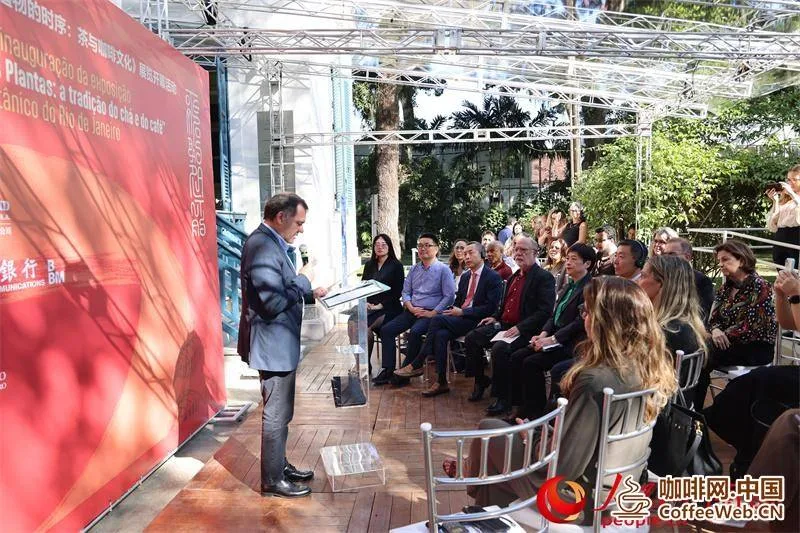
In her speech, Tian Min, Consul General of China in Rio de Janeiro, said that tea and coffee carry the unique cultural traditions and lifestyles of China and Brazil and bear witness to the friendship forged through long-standing exchanges between the two peoples. Using tea and coffee as a medium and cultural life as a bridge, the exhibition fully demonstrates the profound meaning of mutual learning between Chinese and Brazilian civilizations. This year marks the “China-Brazil Cultural Year,” and she expressed confidence that the exhibition will further enhance the two peoples’ understanding of each other’s cultures, promote mutual learning between civilizations, and deepen the friendship between the two countries.
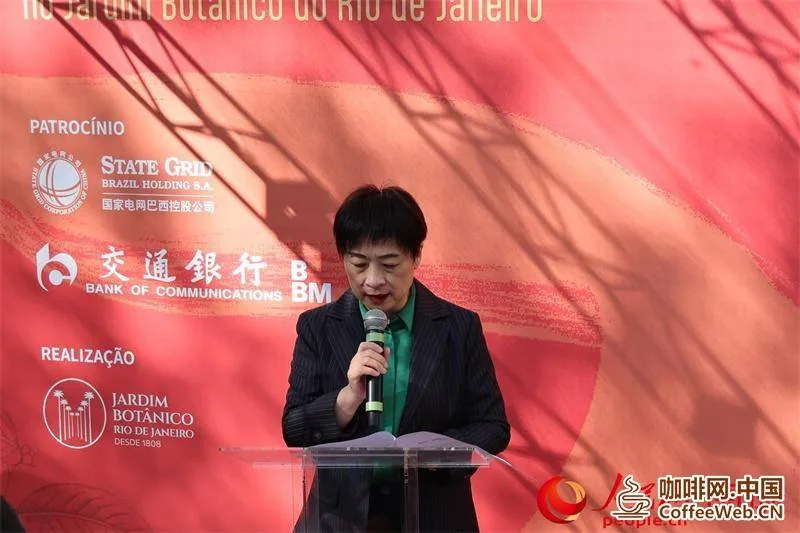
“The relations between Brazil and China have been continuously deepening, the result of joint cultivation by all parties over a long period,” said Sergio Viana, director of the Rio Botanical Garden. He noted that tea and coffee not only have practical value of their own, but that the social rituals associated with them are also bonds connecting people—which is the core idea of this exhibition. The exhibits are beautiful and moving, full of affection and thought-provoking, weaving together the deep friendship between Brazil and China.
George Ball, deputy general manager of SGCC Brazil, said the theme of “tea and coffee” contains the rich connotations of mutual learning between Chinese and Brazilian civilizations. Both tea and coffee originate from nature, serve humanity, and embody people’s aspirations for a better life. He hoped the exhibition would help more visitors understand the historical stories behind tea and coffee, feel the deep resonance between Brazil and China in nature, culture and lifestyle, and let the flower of Brazil-China friendship take root, sprout and bloom here.
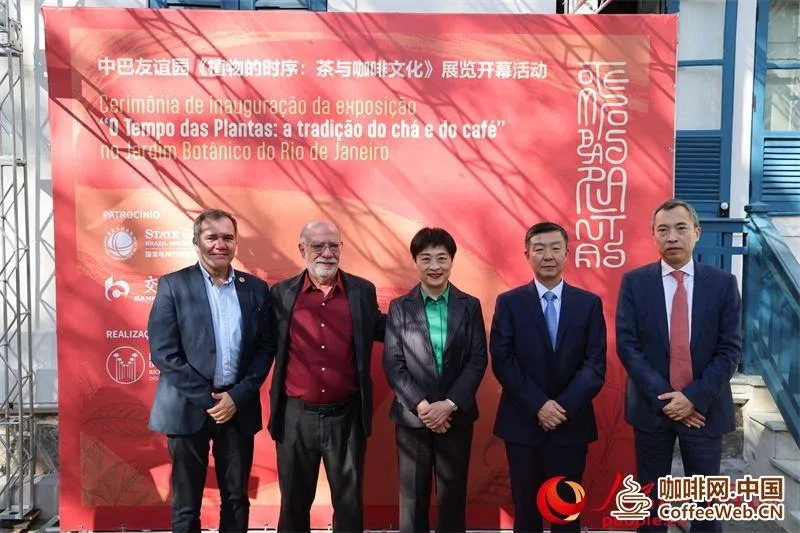
Founded in 1808, the Rio Botanical Garden is a historic comprehensive botanical garden in Brazil. It still preserves two Chinese tea trees planted by the first batch of Chinese immigrants more than 200 years ago. In 2024, SGCC Brazil, together with the Bank of Communications Brazil subsidiary, restored a dilapidated building in the garden and opened the “Tea Bond · China-Brazil Friendship Garden,” with a permanent “Way of Tea” cultural exhibition. In 2025, a Tai Shan stone engraved with “Mountains and seas know no distance; we weather storms together” and Chinese tea saplings settled in the friendship garden, forming a distinctive cultural emblem of China-Brazil tea culture.
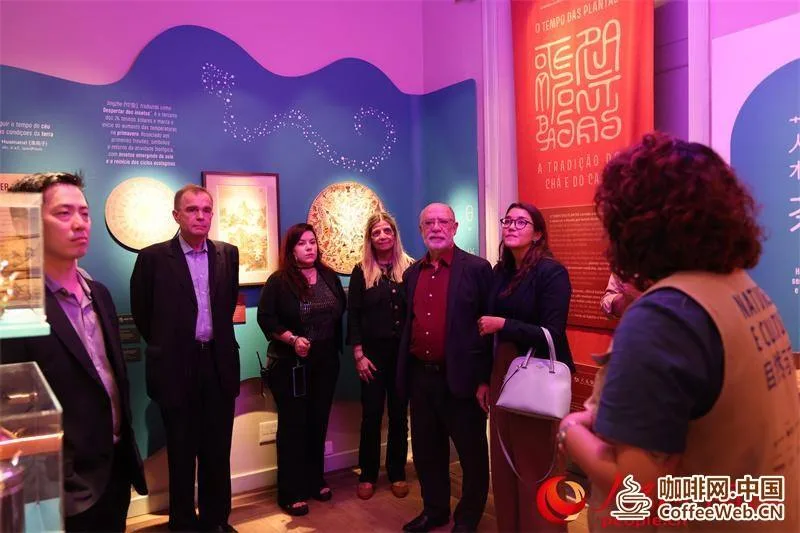
According to the organizers, seizing the opportunity of the “China-Brazil Cultural Year,” this exhibition upgrades the original tea-culture show, deeply exploring the natural origins, folk history and life aesthetics behind the two beverages of tea and coffee. Through a dialogue between the rhythms of plants, it vividly presents the deep spiritual resonance shared by the two countries in their development philosophies and life interests. The exhibition is free and open to the public, and will subsequently remain as a permanent exhibition for Rio residents and tourists.
Reprint Notice & Disclaimer: This article is reprinted from People’s Daily Online. All rights belong to the original publisher.
Related Reading
 A ‘Travel Pack’ Reveals Another Possibility for Pu’er Baristas
 Cangyuan: Yanshuai Town Delivers ‘Tech Nourishment’ to Coffee Fields
- 9.9-Yuan Coffee but a 50,000-Yuan Bike: Jiang Nanchun Fears Not Price but Lack of Soul
- After Just 19 Months in Coffee, He Was Called to Save Heineken
 Guangzhou Haizhu Uses Coffee to Engage Delivery Riders in Party Education
- Laishan Police Safeguard the Coffee Festival with Dedicated Patrols




 Liaoning ICP Security No. 21122402000217