
At a Glance (China Coffee Network): China News Service, Urumqi, October 3 (Hu Jiachen) "I came to Xinjiang for tourism and, hearing that the first store had opened here, came to check it out." Shanghai tourist Du Yi…
China News Service, Urumqi, October 3 (Hu Jiachen) “I came to Xinjiang for tourism and, hearing that the first store had opened here, came to check it out.” Shanghai tourist Du Yishen said in an interview with China News Service in Urumqi on the 3rd, having ordered a drink inspired by the blue of Xinjiang’s Sayram Lake and bought a doll dressed in Xinjiang’s Atlas silk attire — “everything was just perfect.”
The store the tourist checked in at is Starbucks’ Xinjiang International Grand Bazaar Intangible-Heritage flagship store, located in the Xinjiang International Grand Bazaar scenic area, nicknamed the “Star Bazaar.” It is one of the first two stores Starbucks, the well-known U.S. multinational chain coffee brand, opened in Xinjiang.
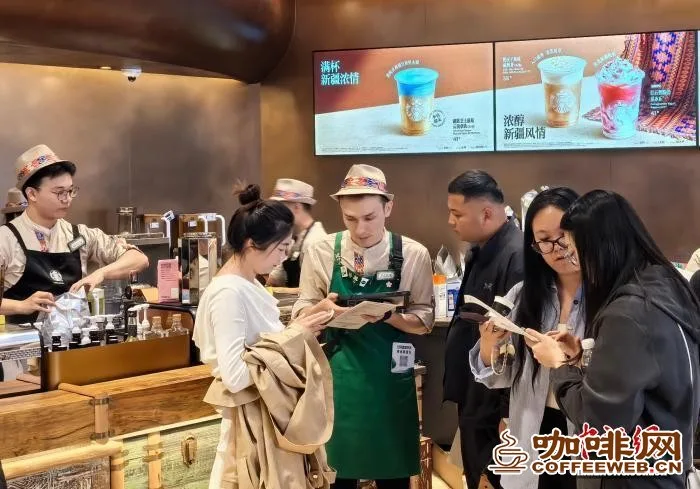
Since its opening on September 29, the store has been buzzing with business and drawn high social-media attention. The reporter saw on the day of the interview that long queues formed at the store’s entrance, and “Star Bazaar” manager Ma Ying smilingly offered free tasting drinks to queuing customers. Having worked at Starbucks for eight years, she previously worked in Qinghai, while her parents live in Xinjiang.
Upon learning that Starbucks would open in Xinjiang, Ma Ying applied to join the Xinjiang team at the first opportunity. Now back in her hometown, she has more time to accompany her parents and can continue the coffee career she loves. “I feel very happy and blessed.”
It is reported that among the “Star Bazaar’s” more than twenty staff members are “returning” youths like Ma Ying, employees from other provinces of China hoping to broaden their horizons in Xinjiang, and locally recruited staff in Xinjiang.
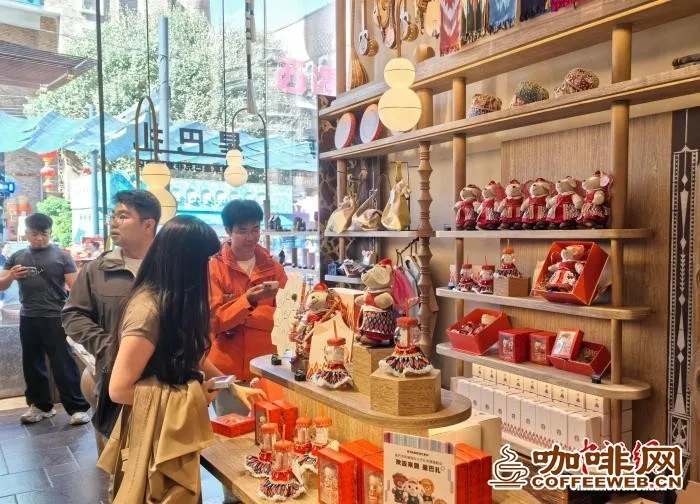
According to “Star Bazaar” staff member Alimjan·Iminjan, the store co-created an immersive performance named “The Dancing Bazaar” with representative inheritors of Xinjiang’s Uygur Muqam art (intangible cultural heritage), inviting consumers to feel the charm of intangible heritage through song-and-dance interaction. “Dancing in a coffee shop — this is the unique experience Xinjiang offers everyone.”
Starbucks’ approach of fitting local characteristics has won the favor of Xinjiang people. Maheliya·Ahemati, who came from Kashgar to visit Urumqi, said that combining coffee culture with Xinjiang folk customs and even intangible heritage is a refreshing and successful attempt. “The experience felt great; I’ll recommend it to more friends.” (End)
Reprint Notice & Disclaimer
- This article has been edited and compiled by China Coffee Network. The information and images therein come from public sources and the copyright belongs to the original author. This reprint is intended solely for information sharing within the coffee industry and does not represent the views of this website; all data and opinions are subject to the original article. Our thanks to the original author for creating and sharing it.
- For matters concerning content licensing, attribution, copyright or otherwise, please contact us promptly and we will verify and cooperate in handling them as soon as possible. We also welcome coffee origins, brands and industry media to exchange ideas and contribute articles.
- Contact China Coffee Network: Tel 400-0000-641 (+86-18288016826) | Email 405854472@qq.com | Address: Jinghong, Xishuangbanna, Yunnan Province / Tieling, Liaoning Province
Related Reading
 ‘The Rhythm of Plants: Tea and Coffee Culture’ Exhibition Debuts in Rio de Janeiro, Brazil
- Vietnam’s Trung Nguyen Legend Marks 30th Anniversary with a New Coffee Culture Journey
 Coffee Aroma Wafts from a Dong Village in Guangxi’s Mountains, Drawing Returnees Home
 Coffee in a Rock Cave: Yangyan Mountain in Hetou Town, Linhai, Zhejiang
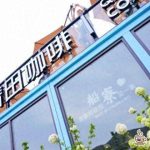 Qingtian Coffee: Upgrading Quality and Expanding Markets in an Overseas-Chinese Hometown
 Jiangsu Only Coffee College: Kunshan Coffee Industry Institute Approved



 Liaoning ICP Security No. 21122402000217