
At a Glance (China Coffee Network): At the 5708 Factory—a long-abandoned Third-Front aviation repair plant—a single coffee cart under the plane trees became the “first magnet” that awakened the old site, proving that brand, scene and experience, not just beans, can build a local coffee economy.
On June 15, on Wutong Avenue in the 26th Factory, Huchao Township, Gui’an New Area. The 51-year-old Peng Yongkuan tends his coffee cart, grinding beans while chatting with customers: “At my stall, the Americano tastes better than at those boutique shops.”
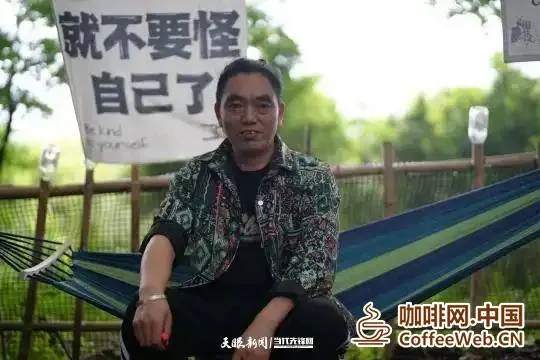
Having sold coffee for nine years, Peng once grew small-grain coffee in Kunming and ran a store. Last year he moved his stall back to Guizhou, and in his first year already hit 250,000 yuan in revenue. With no fixed storefront—just a cart and a coffee machine—on good weekends he can serve over a hundred cups, “far better than working in Yunnan.”
The coffee stall arrived before the 5708 Factory cultural-creative park had officially opened and most buildings were still under renovation. What caught fire first was not the park itself but the autumn avenue of falling leaves; young people saw photos on social platforms, drove over, popped their trunks, turned on the grinders, and an abandoned factory site of decades was “awakened” cup by cup of coffee.
Wutong Avenue caught on first, and coffee stalls followed. Peng was among the earliest vendors to settle in the 5708 Factory park. When he first arrived, the park renovation hadn’t started; under the plane trees he was all alone. “Few people came, so I just kept the tree company, greeting anyone who passed by.”
The business opportunity appeared the autumn of the year before last. Wutong leaves turned yellow, covering the whole avenue, and the red-brick old factories looked especially charming amid the gold. Someone took a photo and posted it on social media; “Guiyang’s most beautiful Wutong Avenue” quickly spread. Hundreds came on weekends to take photos and check in; Peng was so busy his “hands cramped from grinding,” serving over a hundred cups a day.
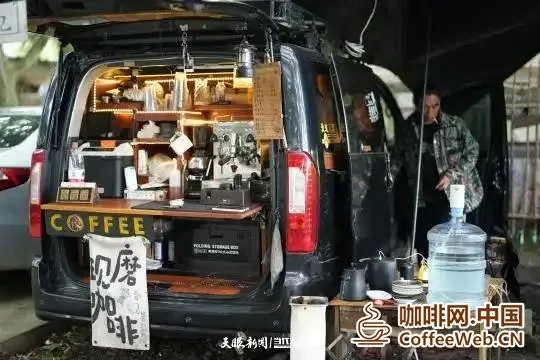
“This place just has that vibe,” Peng said—red-brick houses, old plane trees; no amount of money could build that in a mall.
As people came, more coffee carts followed. By last autumn, more than a dozen coffee carts had gathered on Wutong Avenue, with snack stalls for grilled tofu and fried potatoes also appearing. The customer flow driven by coffee brought 5708 Factory—an almost forgotten industrial heritage—back into public view.
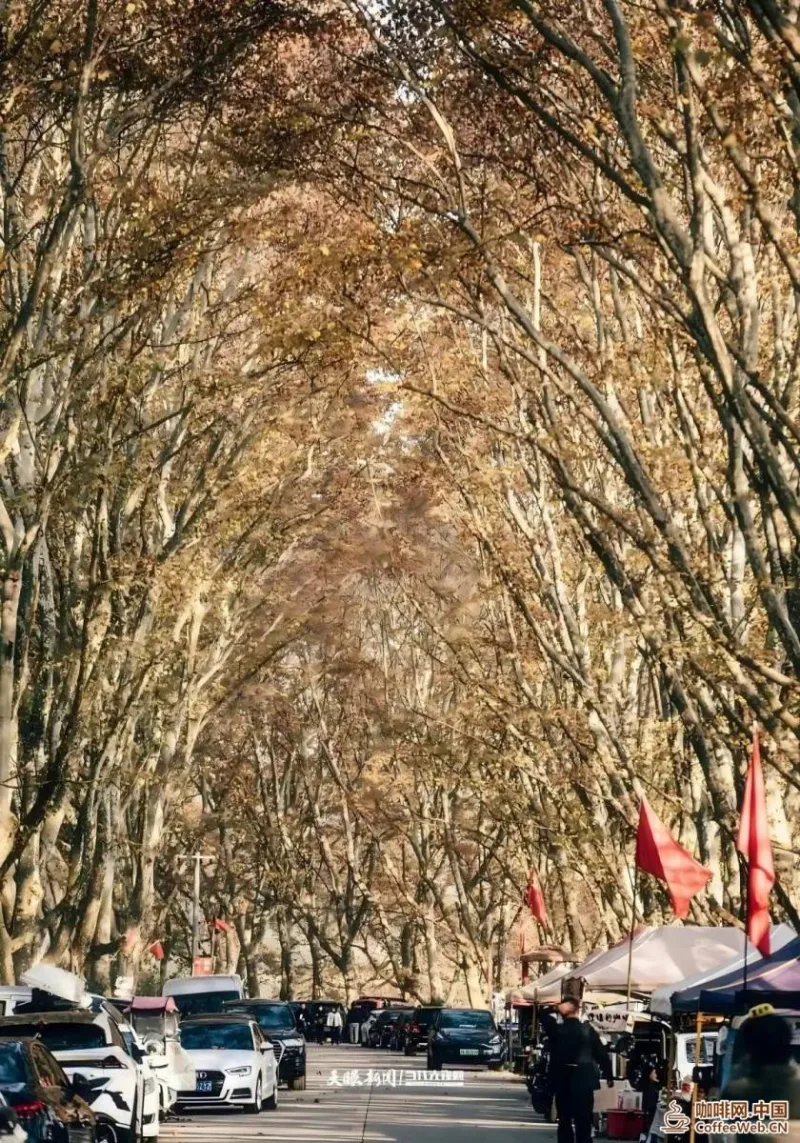
Built in 1965, the 5708 Factory was once one of Guizhou’s largest aviation repair plants during the Third-Front construction period, coded 5708, having repaired over a thousand fighter jets. After the plant shut down in the late 1990s, the red-brick workshops fell into disrepair and fell silent for more than 20 years. Today it has become an investment-attraction project under Huchao Township’s overall plan; before the park was even repaired, the popularity had already arrived.
Now the park renovation has just begun, and most buildings are still under repair. But Wutong Avenue caught on first, and the young vendors followed the foot traffic. “I chose this place precisely because of this Wutong Avenue—nowhere else has it,” Peng said.
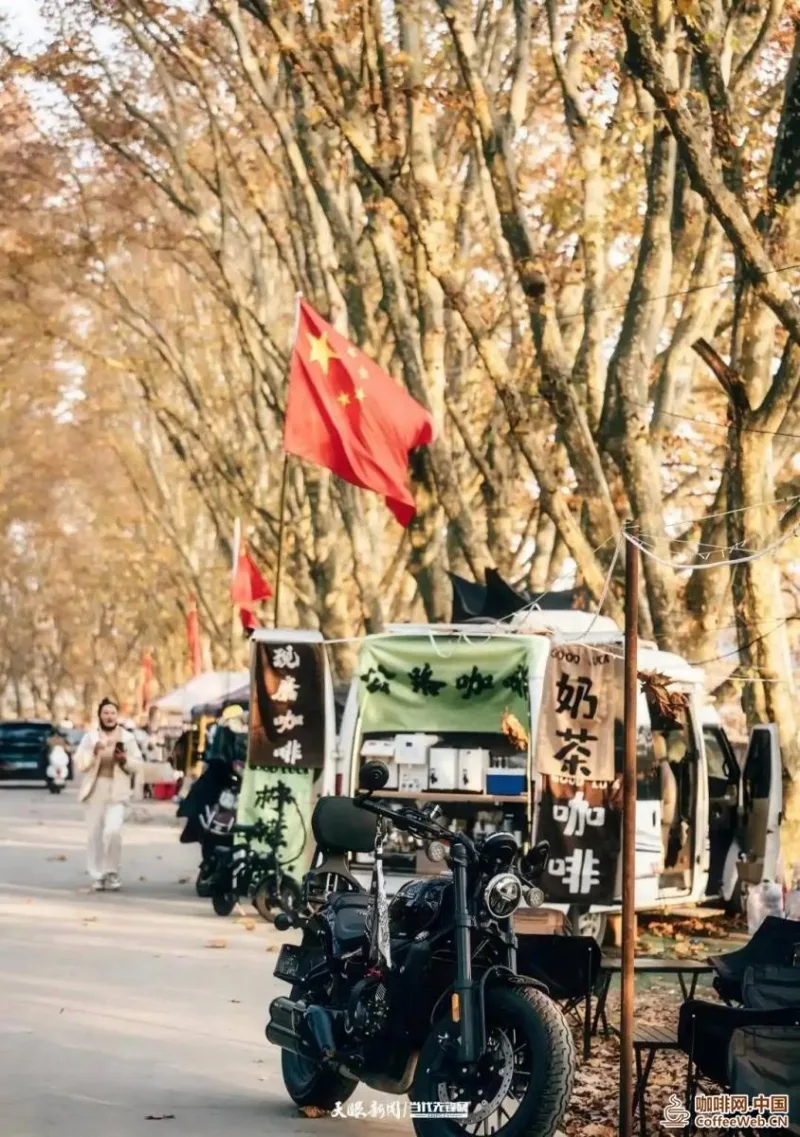
His customers drive nearly an hour from downtown Guiyang. “They’re willing to make the trip. To be honest, those who come all this way for a cup of coffee are people who know coffee—sitting under the plane trees with a cup for the whole afternoon is a beautiful way to spend the day,” Peng said.
From a single coffee cart to a dozen, then to fixed shops moving in and the park plan landing. Coffee acted as the “first magnet” of 5708 Factory’s transformation, verifying the appeal of this abandoned site at the lowest cost and lightest manner, paving the way for popularity gathering and subsequent business-format introduction.
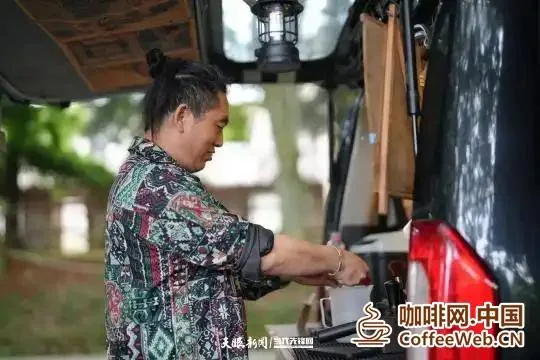
Peng has his own views on industry. The matcha powder used at his stall comes from Tongren, Guizhou; in 2024, Tongren’s Jiangkou County broke 1,200 tonnes of matcha output, ranking first in the country and second in the world in exports. He said: “Now Guizhou matcha brands are starting to make a name internationally; prices are rising and the industry is upgrading.” In his view, no matter how good the raw material, without its own brand it can only work at the bottom of the value chain for others.
Switching gears, he mentioned Guizhou coffee beans: “At least they’ve become famous in recent years.” Guizhou is not a traditional high-quality coffee region; in terms of the beans themselves it can’t beat Yunnan. But Guizhou coffee can command a price not by the beans but by brand, scene and consumption experience. He said: “People are willing to spend 18 yuan on my Americano not for the beans, but for this place and what’s behind this cup of coffee.”
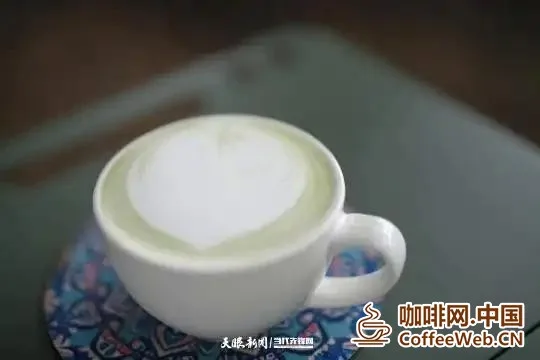
In his view, matcha and coffee are a microcosm of industrial upgrading: Guizhou has good tea, brands are slowly being built and prices are rising; Guizhou coffee beans aren’t top-tier, but cafés have opened under plane trees, in abandoned factories and on old streets, and the price goes up.
The core of industry is not selling raw materials but building brands. You must not give good things away to others for them to rebrand and sell at high prices while you end up “making the wedding dress for someone else.”
The park is being repaired, the plane trees are growing, and customers have gone from none to queuing on weekends. Peng said: “Once the park is repaired, business will surely be better than now.”
Reprint Notice & Disclaimer: This article is reprinted from Guizhou Daily (Tianyan News). All rights belong to the original publisher.
Related Reading
- Bean in Short Supply: A Taiwan Youth on Yunnan Coffee as a Shared Cross-Strait Stage
- Five Years, Eight Championships: Lincang Coffee Joins the World Stage
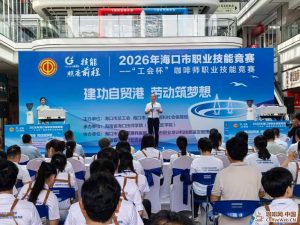
 Haikou ‘Union Cup’ Barista Skills Competition Kicks Off to Empower the Service Sector
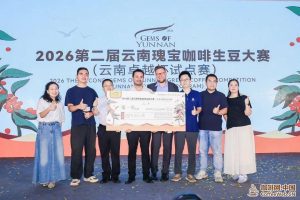
 Yunnan Specialty Coffee Beans Deliver an ‘Excellent’ Report: Path to Value Leap
- Cross-Strait Tides Rise: A Taiwan Youth Farms Coffee in Yunnan, a Cup Bridging Both Sides
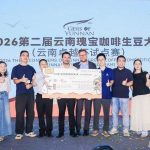 2026 2nd Yunnan Treasure Coffee Green Bean Competition (Cup of Excellence Pilot) Concludes


 Liaoning ICP Security No. 21122402000217