
At a Glance (China Coffee Network): Listening to the “Two Mountains” story under the coffee tree, touching the millennium pulse of the world heritage in Jingmai Mountain, exploring the “rebirth” of cultural heritage protection in digital light and shadow… From June 12 to 14, a 20-person study tour composed of Sri Lankan media representatives and professionals from related fields walked into Pu’er, from the coffee industry to world heritage, feeling up close the vivid practice of China’s rural revitalization and ecological civilization construction.
Listening to the “Two Mountains” story under the coffee tree, touching the millennium pulse of the world heritage in Jingmai Mountain, exploring the “rebirth” of cultural heritage protection in digital light and shadow… From June 12 to 14, a 20-person study tour composed of Sri Lankan media representatives and professionals from related fields walked into Pu’er, from the coffee industry to world heritage, feeling up close the vivid practice of China’s rural revitalization and ecological civilization construction.
The “Two Mountains” code in a cup of coffee.
At “Beautiful Star Village · Youfeng Coffee Valley,” the study tour made an on-site visit to the whole-industry-chain project integrating coffee planting, processing, and cultural tourism. The Wa ethnic brocade intangible-cultural-heritage workshop, kiln-roasting workshop, and others contrast interestingly with the coffee estate; characteristic homestays transformed from villagers’ idle houses attract medium- and long-term resident tourists, and the rural living model of “tourists becoming residents” deeply impressed the study tour. Fatima Tahir, a news anchor from the Sri Lanka Broadcasting Corporation, said: “Pu’er is the ‘Coffee Capital of China’; I think it is coffee that makes this city more legendary. I also saw many female entrepreneurs; the local measures supporting women’s entrepreneurship are very well developed.”
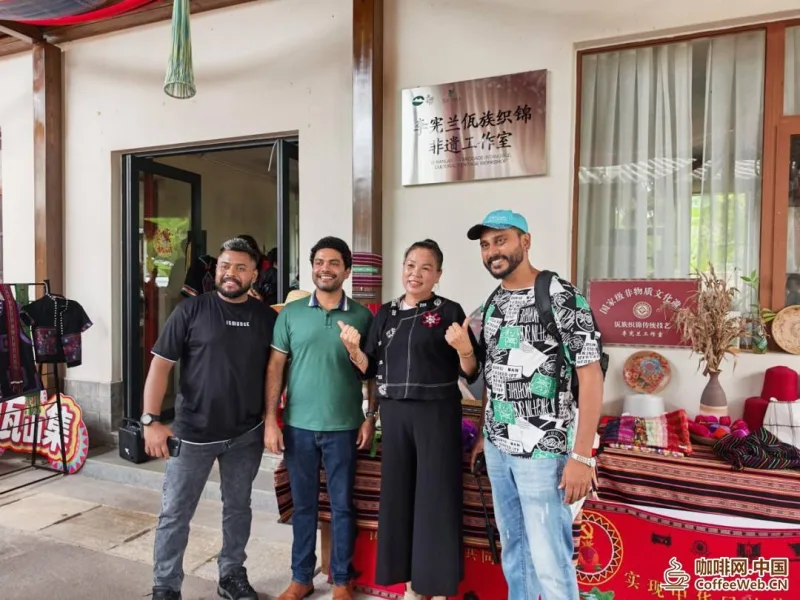
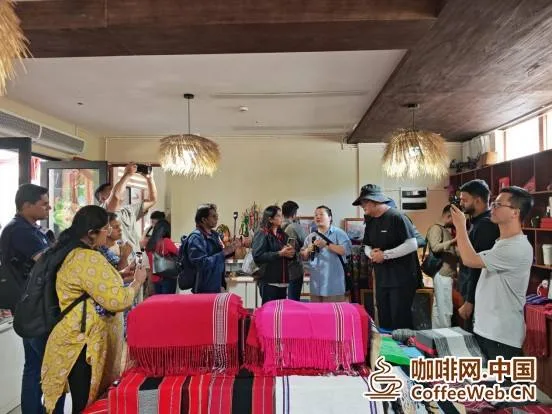
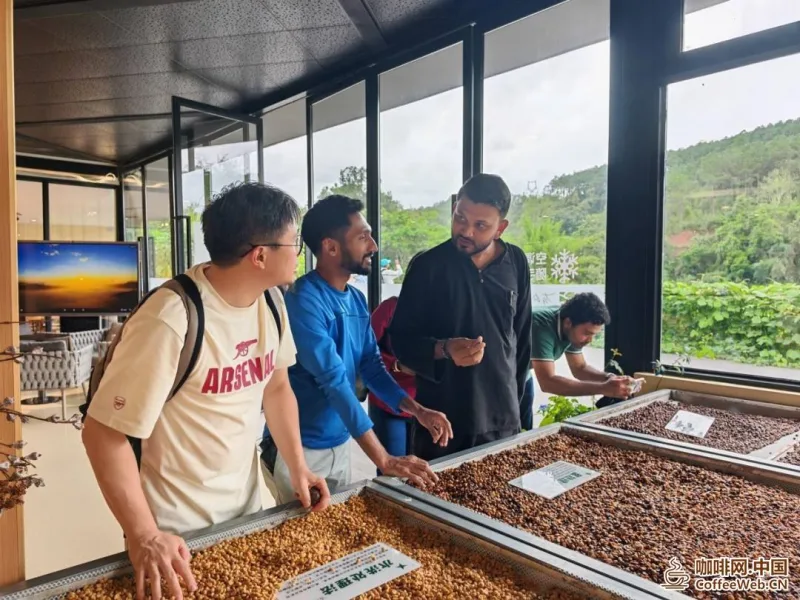
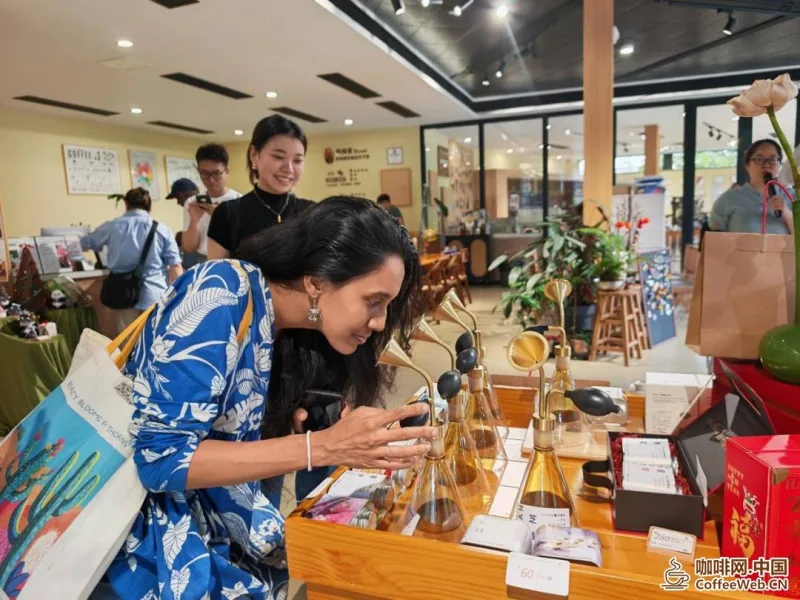
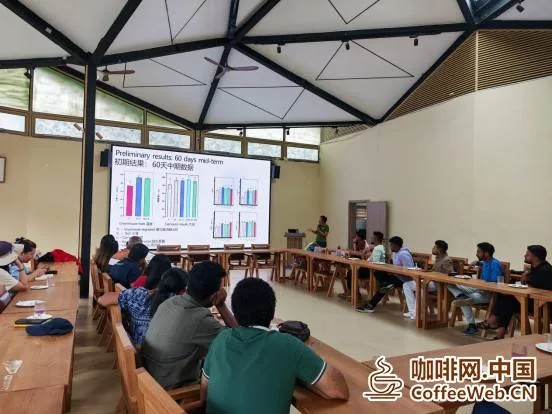
In the special course “How the ‘Two Mountains’ Concept Promotes China’s Yunnan Coffee to the World,” the instructor introduced to the study tour the practical experience of Yunnan coffee relying on ecological planting and technology empowerment. Members of the study tour, around topics such as standardized coffee planting, scientific and technological application, ecological compensation, and carbon trading, had in-depth exchanges with the instructor, jointly exploring how to draw on China’s experience to achieve coordinated development of economic benefits and ecological protection.
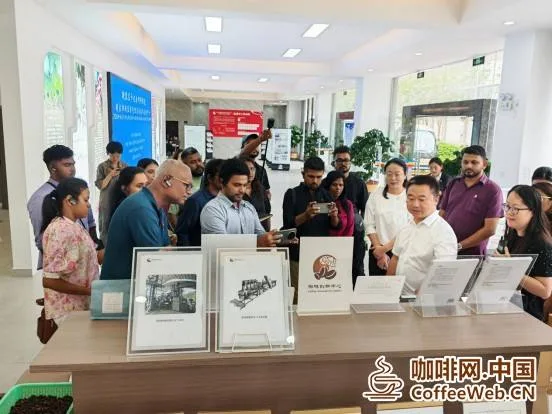
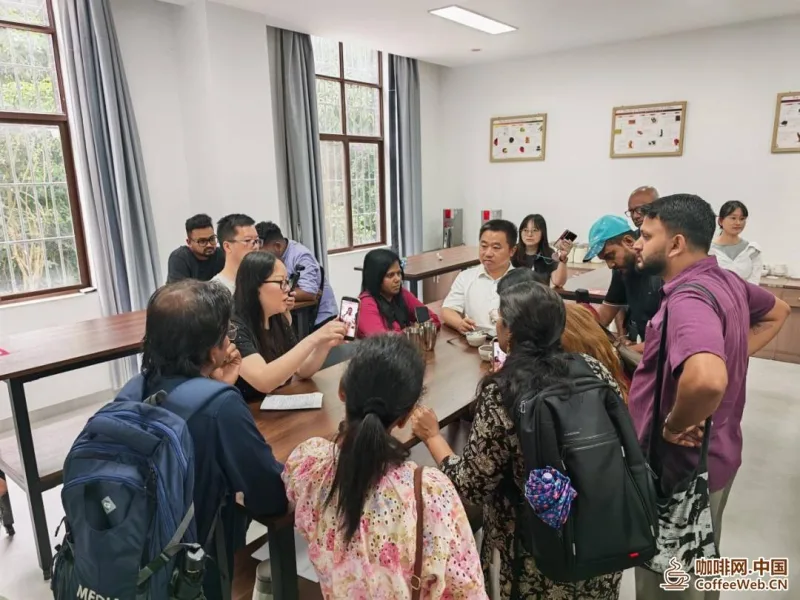
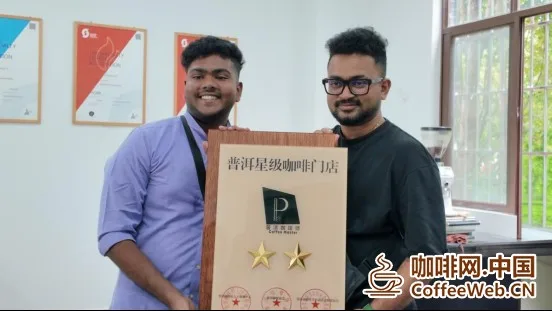
At the Technology Innovation Center of the State Administration for Market Regulation (Coffee Quality Infrastructure and Industry Service), the study tour learned about the integrated “production, education, research, and management” whole-chain technological innovation achievements of the country’s only market-regulation technology innovation center in the coffee field, and personally experienced coffee latte-art practice and sensory flavor evaluation.
Ancient tea-forest villages and digital rebirth.
The study tour went to Huimin Town, Lancang Lahu Autonomous County, visiting the Jingmai Mountain Heritage Display Center to systematically understand the origin of tea trees in the ancient tea forests of Jingmai Mountain, cultivation techniques, ecological protection practices, and other content. Subsequently, the group walked into the Dapingzhang ancient tea forest and the ancient villages of Wengji and Nuogang, personally experiencing the symbiotic wisdom of “people nurture tea, tea protects forest, forest holds water,” and the protection and development model of the Jingmai Mountain Ancient Tea Forest World Cultural Heritage site deeply inspired the study tour members.
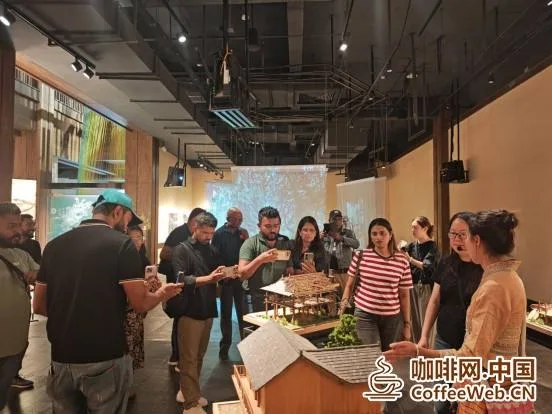
In the special course “China’s Practice in Digital Protection and Communication of Cultural Heritage,” the instructor explained how digital technology breaks the limitations of time and space, giving new vitality to cultural heritage. Members were keenly interested in the course content, deeply discussing with the instructor issues such as digital investment costs and changes in government functions. Diripa Mudiyanselage, a journalist from Sri Lanka’s Derana TV, sighed: “China has always been a role model for us to learn from, especially in the field of technological progress. This class greatly broadened our horizons, letting us clearly recognize the important value of digital means for cultural heritage protection.”
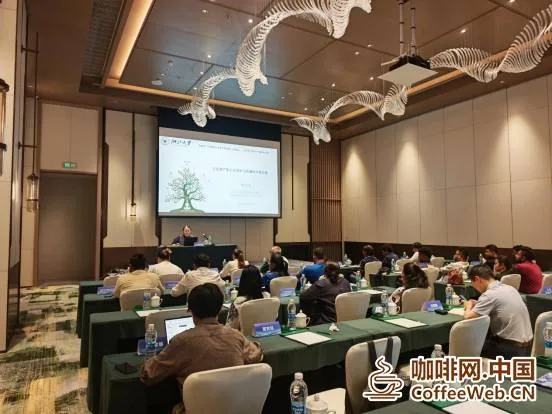
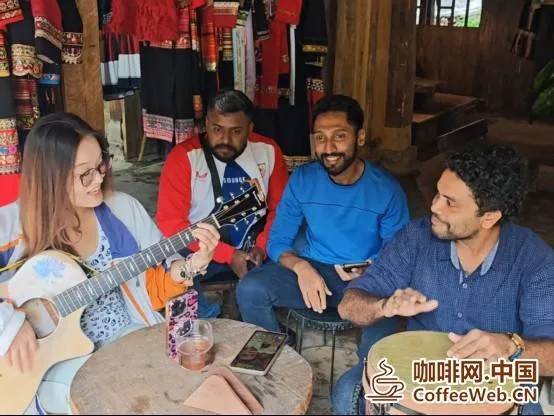
This study tour aims to deepen practical cooperation between China and Sri Lanka in media and culture, and enhance Sri Lankan media’s in-depth understanding of Yunnan’s economic and social development, world heritage protection, rural revitalization, ecological civilization construction, and sustainable development. Through various forms such as field visits, special lectures, and content creation, the activity builds a platform for exchange and mutual learning for the media of the two countries, and relies on the media communication link to vividly tell China’s story and spread Pu’er’s development voice to the international community.
Author: Fu Yiyuan. Editor: Gao Mingxia. Second review: Cao Jingyu. Final review: Zhang Guoying. Original title: “Sri Lankan Study Tour Visits Pu’er: Exploring the Coffee Prosperity Code, Feeling the Wisdom of Forest-Tea Symbiosis.”
Reprint Notice & Disclaimer: This article is reprinted from Pu’er local sources. Original reporting by Fu Yiyuan. All rights belong to the original publisher.
Related Reading
 Three Decades of Shanghai-Yunnan Collaboration: A Coffee Bean ‘Ferments’ at the Import Expo
 Why Yongde’s Coffee Beans Won Gold in Shanghai – A Taste of ‘Life in Yunnan: 365 Days’
- Yunling Commentary: Yunnan Coffee Turnaround Hinges on Autonomous Pricing
 A ‘Travel Pack’ Reveals Another Possibility for Pu’er Baristas
- Bean in Short Supply: A Taiwan Youth on Yunnan Coffee as a Shared Cross-Strait Stage
- Five Years, Eight Championships: Lincang Coffee Joins the World Stage







 Liaoning ICP Security No. 21122402000217