
Amidst the chaos of the world, global governance initiatives demonstrate greater contemporary value
Many people subconsciously think that the beans are very small and of low grade when they first hear "Yunnan small grain coffee". This is the biggest misunderstanding in a long time. Today, in the simplest terms, I will explain the origin, variety, and techniques of Yunnan small grain coffee in one go. After reading it, you will rediscover this good Chinese coffee.
First, clarify the core misconception: small particles ≠ small particles. The coffee industry is divided into three categories based on plant credits: small grain species (Arabica), medium grain species (Robusta), and large grain species (Libirica). The terms' small, medium, and large 'here refer to plant morphology – small grains are shrubs, medium grains are semi trees, and large grains are trees, and have nothing to do with the size of coffee beans.
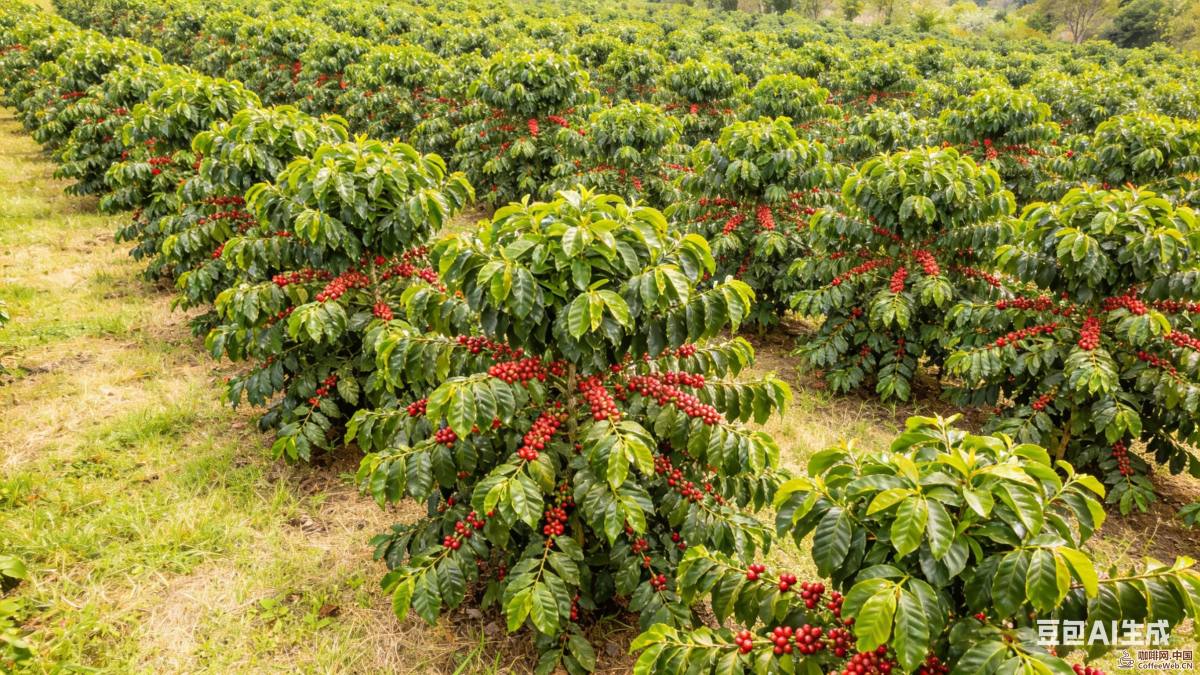
Yunnan small grain coffee refers to all Arabica coffee grown in Yunnan, including Baoshan, Pu'er, Lincang, Dehong… Any Arabica coffee grown in Yunnan is called Yunnan small grain. It is not a variety, but a production area identity.
Even more subversive is that the world's largest coffee beans actually come from small grain varieties. Pakamara, a hybrid of the Iron skinned Catus variant elephant bean and the Bourbon variant Pakas, has a bean body that is two to three times larger than the regular Arabica, making it the "giant" of the coffee industry. It is a true small grain species.
Arabica is a legend in the plant kingdom and also the "chosen one" in coffee. Among over 120 coffee varieties worldwide, it is the only one that is tetraploid, has 44 chromosomes, self pollinates, and is monoecious. Other coffees are diploid and naturally have genetic barriers. From flowering to maturity, it carries a pregnancy for a whole month, which is the same frequency as humans. This is also the fundamental reason for its delicate flavor and warm and comfortable taste.
People who are not allergic to Arabica drink it for pleasure, relaxation, and peace of mind; Drinking Robusta is stimulating, exciting, and prone to insomnia. A cup of good Yunnan small grains, drinking the tenderness in our genes.
In the world of Arabica, there are two major "royal" bloodlines, from which almost all high-quality beans originate.
Iron skin card: the king of the coffee industry, with beans as slender as melon seed faces, rich and domineering flavor, and stable aroma. Most of the century old varieties in Yunnan are made of it, and the soul of Baoshan small grains is iron skin card.
Bourbon: The queen of the coffee world, with round beans like a round face, a gentle and luxurious flavor, a clean and sweet taste, and a comfortable and smooth taste.
The two royal families have spawned countless star varieties: Bourbon mutated into Pakas and Kadura; Iron skin card mutated to form Maragosibe (elephant bean); The two hybrid to produce Mondunovo; Pakas hybridized with elephant beans to give birth to the giant bean Pakamara.
There is also a divine variety – Guixia. Although Tiepika and Bourbon were good at that time, they had genetic bottlenecks and weak disease resistance. Scientists returned to their homeland in Ethiopia and bred native species in the forest, naming them "Guixia". Most countries give up on it due to its mediocre flavor, only Panama has cultivated it to create a stunning flavor. The slender "horse face" bean shape is a purebred symbol, and only the T2722 bloodline and slender bean shape are truly magnificent summers.
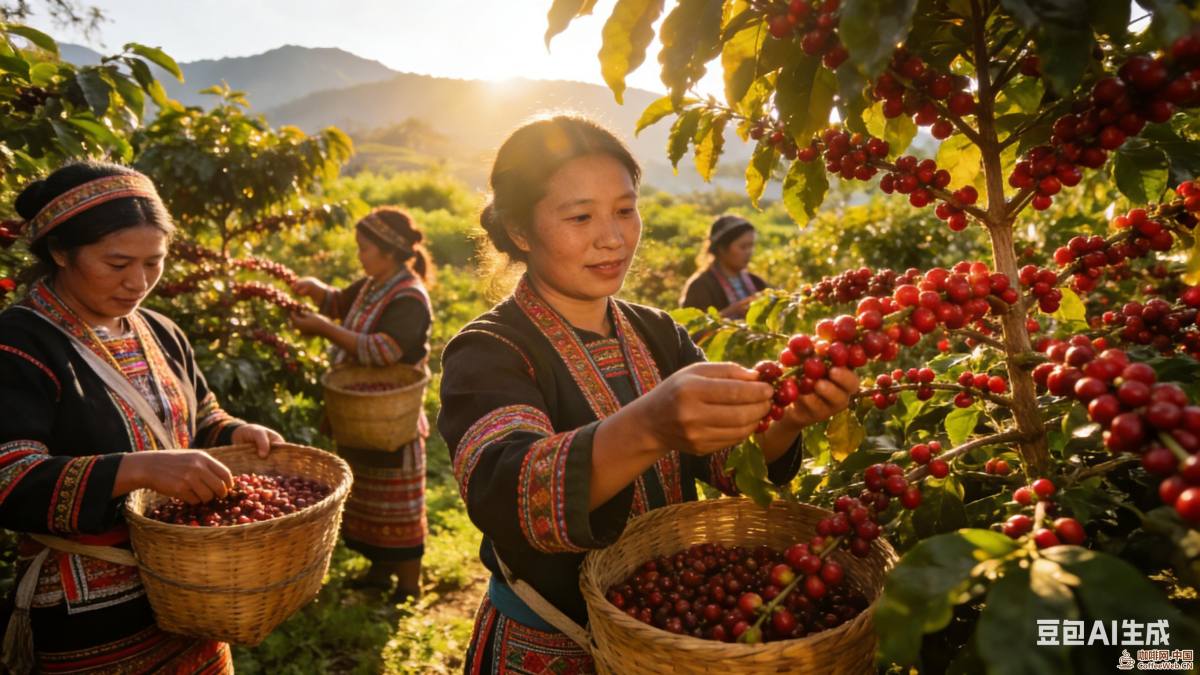
Nowadays, Yunnan is no longer just about traditional Katim. The old variety of Tie Pika from Baoshan, the Bourbon from Pu'er, the Guixia from Lincang, and the premium experimental fields by the Nu River are using high altitude, red soil, and temperature differences between day and night to cultivate flavors that are not inferior to international standards. Rich but not bitter, fragrant but not strong, with nutty, caramel and refreshing fruit acid, this is the coffee aroma that grows on Chinese soil.
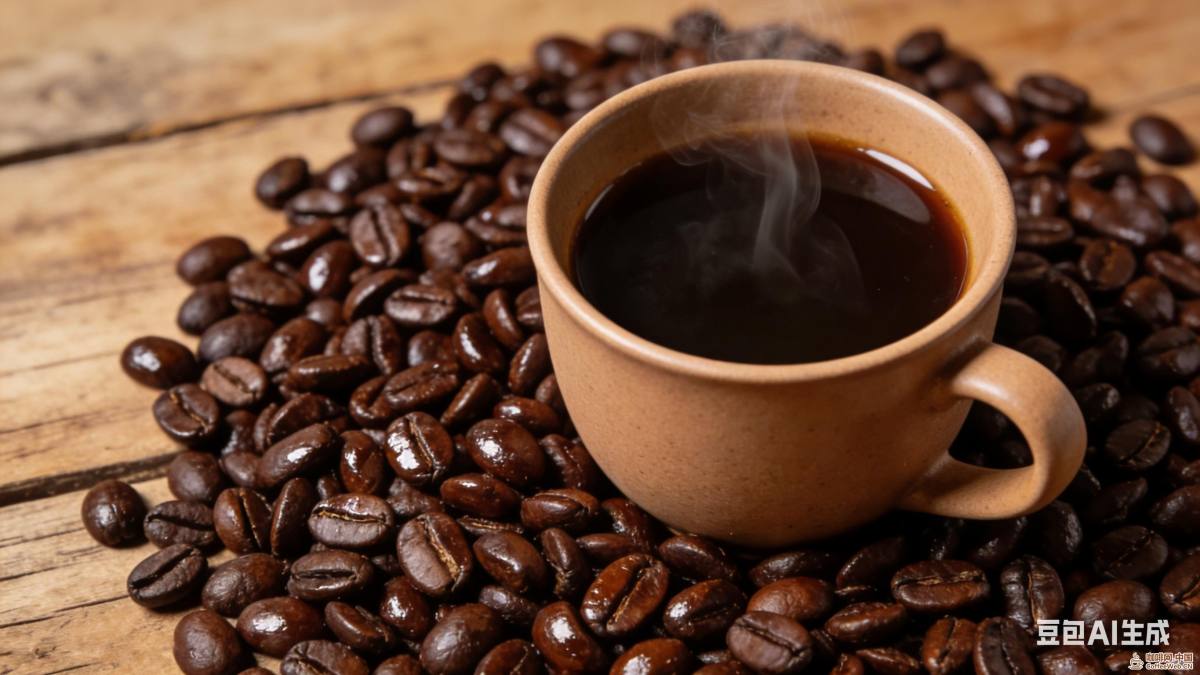
Next time someone says, 'Are Yunnan small beans really small?' You can smile and tell them: 'Small beans are bloodline, not size.' Yunnan is not only our hometown, but also our quality. A cup of Yunnan small grains, with a century old planting history, is a miracle of botany and a warm and delicious taste that belongs to the Chinese people.
#Yunnan Small Grain Coffee # Premium Coffee Knowledge # Popular Science on Coffee Varieties # Chinese Coffee