

Sao Paulo, April 13th (Xinhua) — On the occasion of World Coffee Day on April 14th, the Brazilian Tourism Authority released seven selected coffee themed tourist routes on April 11th, showcasing the cultural history and industrial characteristics of Brazil's major coffee producing areas to the international tourist system. Visitors are invited to experience the complete production process from beans to cups in the estate and feel the charm of Brazilian coffee culture.
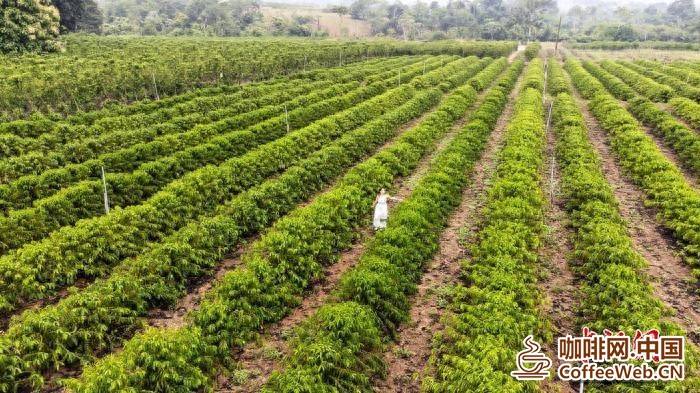
Brazilian coffee plantation. Photo provided by Brazilian Tourism Bureau
Brazil is one of the world's largest coffee producing countries, with a coffee cultivation history of over 150 years. The industry covers about 1900 towns across the country, and hundreds of thousands of producers are mainly family farms.
The seven coffee tourism routes released this time cover multiple core production areas in southeastern, southern, and northeastern Brazil, including the Girado region in Minas Gerais state, the Minas South region, the Caparao mountain area, the Rio de Janeiro state coffee valley, the S ã o Paulo state coffee historical route, as well as the Serra state green coffee road and the northern Paran á state coffee road.
These seven coffee paths include:
1. Girado (Minas Gerais state)
The Girado Coffee Road is located in the triangle of Upper Paranaiba and Mineiro in the southeastern state of Minas Gerais, Brazil. The route mainly passes through cities such as Patroc í nio, Monte Carmelo, and Patos de Minas, and includes coffee estates, bakeries, and boutique cafes.
Tourists can participate in estate tours, professional tasting and brewing courses, experience the world of boutique coffee, visit coffee roasting, explore cafes, and taste local cuisine. Some plantations are also open to the public, allowing visitors to stroll around and get up close to learn about sustainable coffee production concepts and the entire process from harvesting to roasting. The itinerary includes lunch and dinner, and visitors can taste the delicious meals of Minas Gerais.
The main airport nearby is Uberandia Airport, where you can stay in the city of Patrosinio, which is 160 kilometers away from the airport.
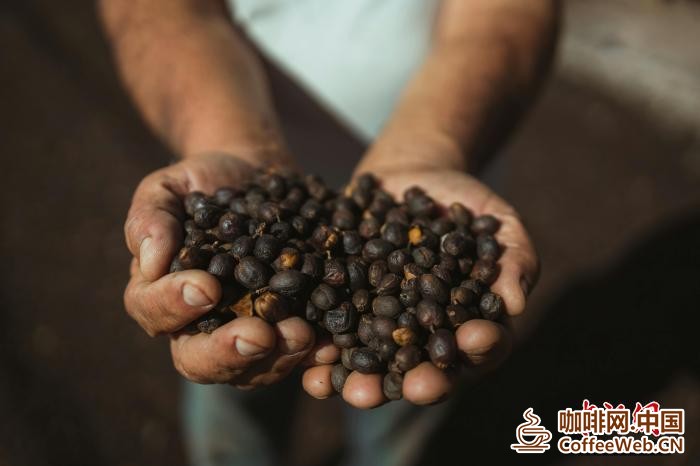
The Brazilian coffee tourism route suggests that tourists visit historic estates, boutique cafes, and bakeries, participate in picking experiences, tasting courses, and brewing instruction. Photo provided by Brazilian Tourism Bureau
2. Minas Gerais (Minas Gerais state)
The South Minas Coffee Road is located in the southern part of Minas Gerais state and is one of the most traditional and well-known coffee producing areas in the world. The route passes through S ã o Louren ç o, Carmo de Minas, Tr ê s Pontas, S ã o Sebasti ã o do Para í so, Machado, Varginha, and Campos Gerais, covering multiple estates, cafes, and bakeries. It passes through diverse rural landscapes and offers a variety of regional cuisine.
Tourists can visit century old estates and family farmhouses along the route, visit sun drying fields, learn about coffee production processes and manual roasting techniques, participate in brewing courses and tasting activities. The local cheese, desserts, bread, and dishes are all unique and worth a try. Multiple estates offer accommodation along the way, where you can experience the peaceful rural life of Minas Gerais state.
The main airport nearby is Belo Horizonte Airport.
3. Caparao (Minas Gerais, Espiritu Santo)
The Caparao Mountain Coffee Road is located at the border of Minas Gerais and Espiritu Santo states in southeastern Brazil, with many plantations at elevations exceeding one kilometer, providing ideal conditions for high-quality coffee production. This region has cultivated various flavors of coffee and won multiple awards.
In the state of Minas Gerais, the route mainly passes through areas such as Alto Capara ó, Capara ó, Espera Feliz, and Alto Jequitib á. In the state of Espiritu Santo, passing towns include Muniz Freire, I ú na, Irupi, Divino de S ã o Louren ç o, and Ibatiba. The region is dominated by small family farms that have been cultivating coffee for generations. Tourists can delve into the plantations, get up close to all the production processes, participate in tasting experiences, and communicate with local coffee farmers. Tourists can even participate in picking, visiting sun drying fields, and baking processes at some farms. The specialty cuisine here is also not to be missed.
The main airports nearby are Victoria Airport and Belo Horizonte Airport.
The Brazilian coffee tourism route encourages tourists to experience the complete production process from beans to cups. Photo provided by Brazilian Tourism Bureau
4. Coffee Valley (Rio de Janeiro State)
The Rio de Janeiro Coffee Valley is located in the southeastern part of Brazil, between the Mar Mountains and the Mantikela Mountains. This region was the center of the coffee economy during the Brazilian Empire in the 19th century and still preserves rich historical, architectural, and cultural heritage to this day. The route covers multiple cities including Vassouras, Valen ç a, Barra do Pira í, Rio das Flores, and Para í ba do Sul.
Many ancient plantation estates have been transformed into hotels, restaurants, museums, and cultural centers. You can learn about traditional equipment through guided tours, as well as visit the sun drying field and the estate owner's residence. Most manors provide accommodation and Dim sum, where you can ride horses and hike, listen to concerts and participate in various cultural activities.
The main airport nearby is Galeon International Airport, which is about 2-3 hours' drive from Coffee Valley.
5. Sao Paulo Coffee Road (Sao Paulo State)
The coffee history of S ã o Paulo state has a long and rich history, and the coffee industry has driven local urban development, railway construction, and economic prosperity. Nowadays, this historical heritage has formed a distinctive route, distributed inland and coastal, passing through Campinas, Mogiana, Central Oeste Paulista, Alta Paulista, and Santos regions.
Tourists can visit historical estates, attend tasting events, visit boutique cafes and bakeries along the way, or take trains to explore the former coffee railway transportation line. There are also multiple food experiences and cultural activities related to coffee here. In addition, Santos city has a coffee museum located on the site of the official coffee trading center. This used to be the starting point for Brazilian coffee to go global, with millions of bags of coffee traded and sold around the world.
Recommend spending 3-5 days exploring cities such as Campinas, Ribeir ã o Preto, and Santos in depth. The main airport nearby is Sao Paulo Guarulhos International Airport.
6. Green Coffee Road (Saarland)
In the inland area of the state of Cear á in northeastern Brazil, there is one of the most unique coffee routes in Brazil, the Green Coffee Route located in the Baturite Mountains. Local coffee cultivation began in the 19th century and is still mainly operated by small families today. The route passes through areas such as Guaramiranga, Mulungu, Pacoti, and Baturit é, including rural farms, restaurants, homestays, and various natural attractions.
On the Green Coffee Road, tourists can directly communicate with coffee farmers and be led by guides to visit the plantations to learn about more sustainable production methods such as shaded planting, as well as the natural responsibility of protecting local biodiversity in family businesses. Tourists can learn about the entire production process on the way and also taste local hand brewed coffee.
The main airport nearby is Fortaleza International Airport, which is only a 2-hour drive from the Green Coffee Road.
7. Northern Coffee Road (Paran á state)
The northern region of Paran á state in southern Brazil was an important area for the expansion of coffee culture in the 20th century. The characteristic routes here mainly pass through Jacarezinho, Ribeir ã o Collaro, Carl ó polis, Santo Ant ô nio da Platina, Ibaiti, Pinhal ã o, Tomazina, and Joaquim T á vora, integrating boutique coffee and rural tourism, culinary culture, and historical heritage.
Tourists can visit historical estates along the route, visit coffee producers, participate in tasting activities, explore cafes and bakeries, and learn about the coffee production process. You can also venture deep into the plantation along the country road between the hillside and the forest. Along the way, there are multiple rural restaurants, family run agricultural enterprises, and cheese shops, as well as local specialties such as honey and sugarcane wine.
It is recommended to schedule a visit for about three days, as the main airports nearby are Londrina Airport and Malinga Airport. (End)