
Author | Carter, Xiaoyu
Operations | Wei Yuxin
Image | Network
Source | FFL Future Food Laboratory
The coffee price war has reached 9.9, and the health coffee in the hospital not only sells for 30 yuan per cup, but also has to queue up. What business is behind this?
Selling health coffee in hospitals has become a trend
At present, the business model of "hospital+coffee" mainly presents two paths.
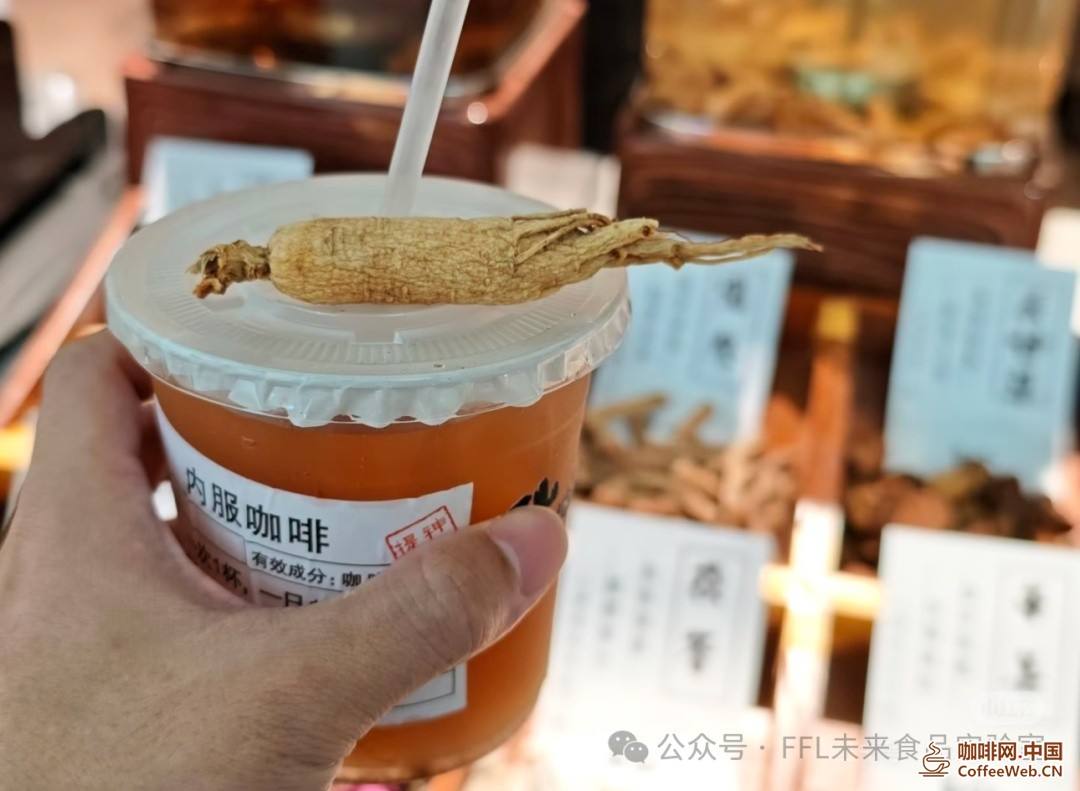
The first type is the hospital's self operated coffee shop, which combines medical resources with the concept of food and medicine, creating a new experience of "health coffee".
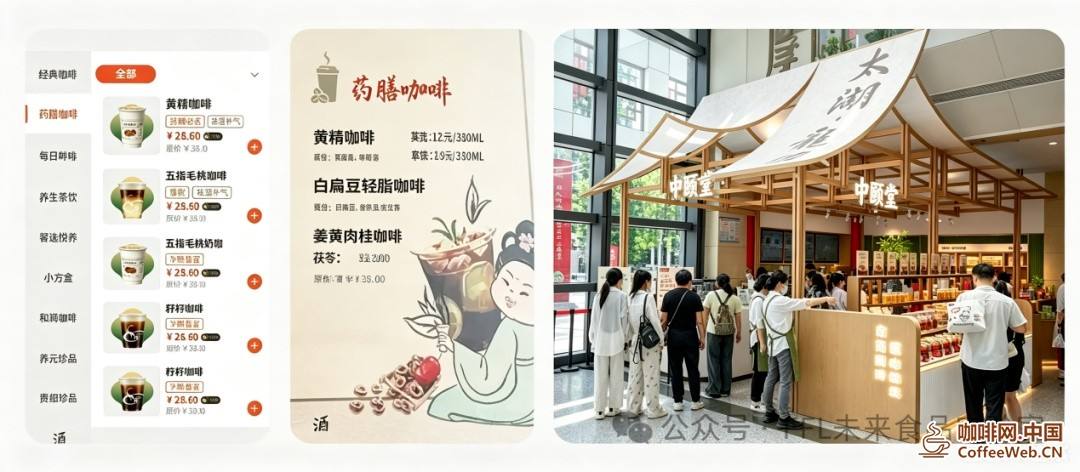
For example, the first affiliated hospital of Guangzhou University of Traditional Chinese Medicine launched the "Ruilin Tang", which focuses on the development of characteristic drinks based on the same source of medicine and food and Tonic Diet. Among them, five fingered peach coffee and five fingered peach milk coffee became popular items, with the highest price of 28.6 yuan; The "the Taihu Lake Lake · Longsha Zhongyi Hall" of Wuxi Hospital of Traditional Chinese Medicine integrates traditional Chinese medicines such as tangerine peel and astragalus into common coffee categories such as American style and latte; Beihai Hospital affiliated to Guangxi University of Traditional Chinese Medicine launched Tonic Diet coffees such as Huangjing coffee, white lentil light fat coffee, etc; Beijing Sino Japanese Friendship has also opened coffee shops, but has not introduced coffee with health concepts. It follows a daily route and mainly satisfies the daily consumption of staff in the hospital.
▲ Image source: Xiaohongshu
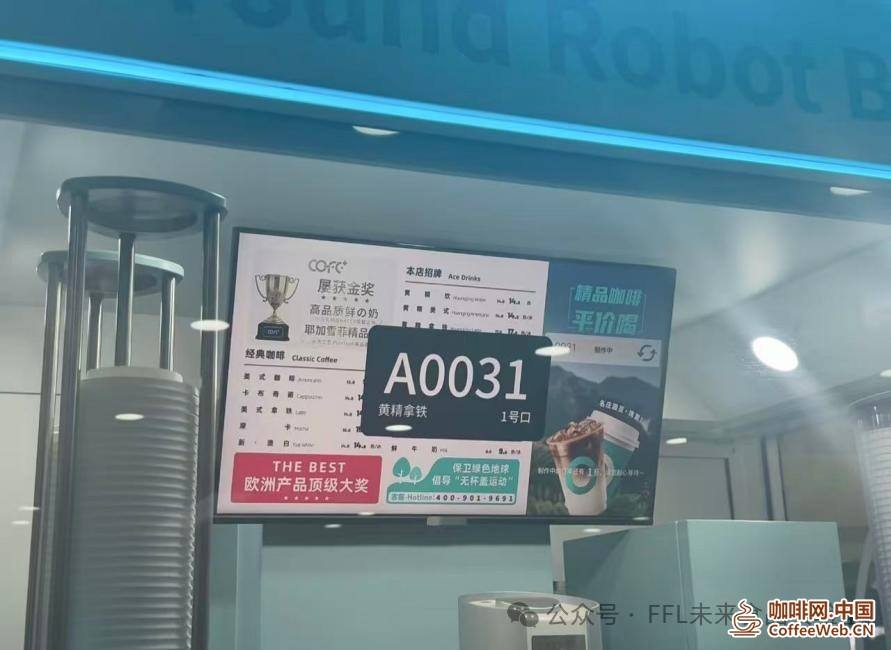
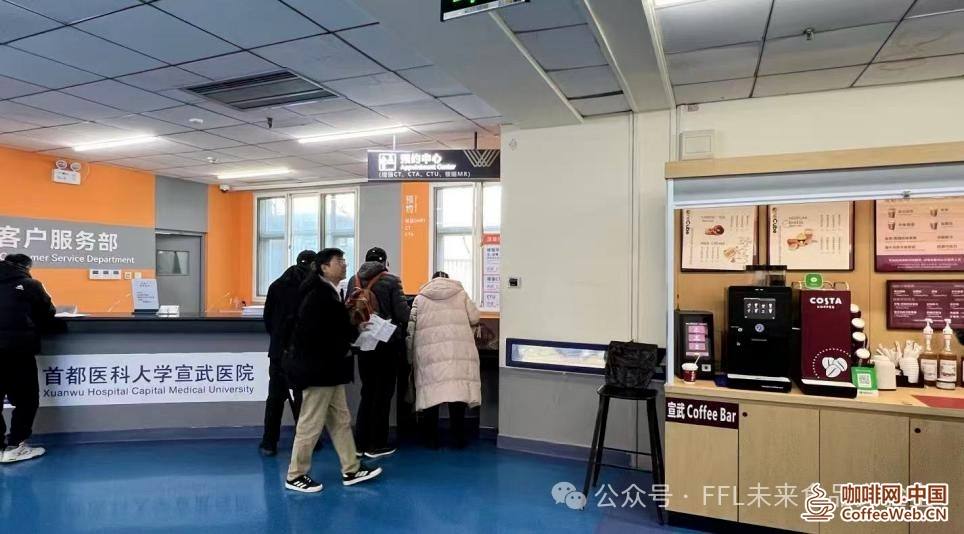
Some hospitals have taken the route of lightweight, such as introducing self-service coffee machines. It is understood that a customized intelligent coffee machine has been placed in the hospital of Jiangsu Provincial Hospital of Traditional Chinese Medicine, providing many Tonic Diet coffee and health drinks, such as Huangjing American style, Huangjing latte, Huangjing kabu, Huangjing drink, etc. Compared to the low price competition in the street coffee market, the price of coffee sold in these hospitals is much higher than "9.9". The hospital's self operated coffee shops offer a differentiated experience of "coffee+health".
▲ Image source: Xiaohongshu
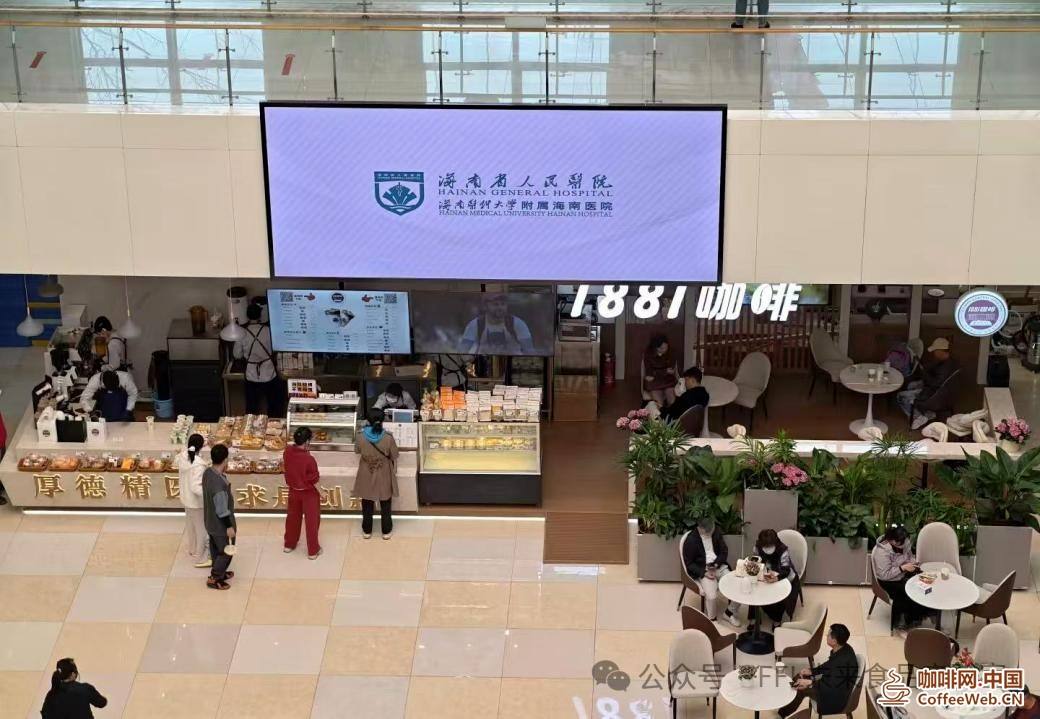
From the perspective of spatial layout, most of these stores are located in densely populated areas such as hospital lobbies and outpatient halls, and have dedicated dining and rest areas. The coffee shop of Chaoyang District Traditional Chinese Medicine Hospital in Beijing is directly located across from the triage desk, equipped with multiple sets of small tables and chairs for patients and their families to rest briefly; Guangzhou Ruilin Hall has also placed multiple sets of tables and chairs in the lobby area in front of the bar, including small round tables suitable for solitude and square tables for multiple people to sit around. Coffee shops are no longer just "buy and go" stalls, but have become a composite space with a stopping attribute.
▲ Image source: Xiaohongshu
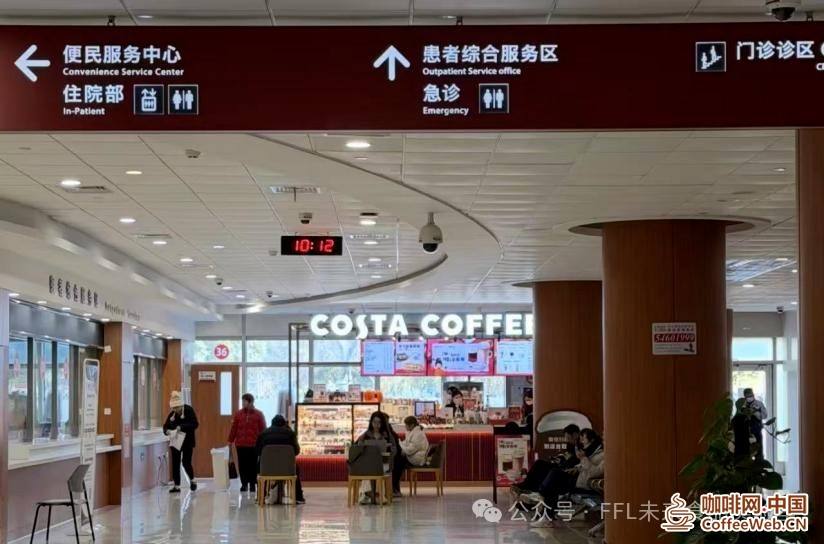
Another path is for mature coffee brands to enter the hospital channel and expand new consumer touchpoints by leveraging the high-frequency flow of people in hospitals.
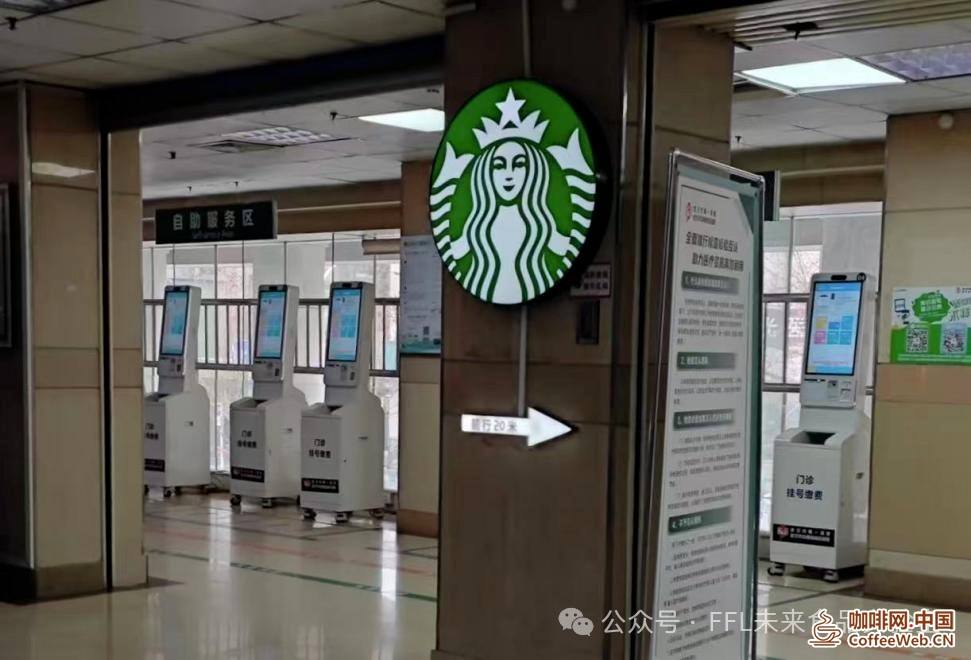
Since Starbucks entered Shanghai Oriental Hospital, hospital cafes have gradually become a new scene for chain brand layout. Starbucks has since entered Jiangsu Provincial People's Hospital, Nanjing Drum Tower Hospital, and Costa Coffee has also entered Huashan Hospital affiliated with Fudan University. Luckin Coffee has deployed hospital scenes through direct operated stores and unmanned coffee equipment, and has currently landed in multiple hospitals in Guangzhou.
▲ Image source: Network
In 2025, Tims further announced the opening of special channels such as hospitals for franchise recruitment, with plans to continue expanding hospital branches. At the same time, time-honored brands have also begun to try to cross boundaries, such as Yao Coffee under Baita Temple Pharmacy entering hospitals and injecting youthful expression into traditional brands through coffee scenes.
Unlike hospital self operated coffee exploring product innovation of "medicine and food sharing the same origin", these coffee chain brands entering hospitals are more looking for new channels for growth, providing standardized coffee and convenient consumer services.
▲ Image source: Xiaohongshu
Why are people still buying when it's not sold cheap?
Both models seem to sell coffee in hospitals, but the underlying business logic is not the same. The former focuses on content innovation and reconstructs product value through health preservation; The latter focuses on channel positioning and uses standardized supply to meet the needs of special scenarios.
But a common question is: why can health coffee in hospitals be sold for 20-30 yuan, even more expensive than boutique cafes outside, and there are people willing to pay in line? The answer is not simply adding some traditional Chinese medicine ingredients.
Look at the scene. Hospitals are a relatively closed consumer market, with patients, accompanying family members, and medical staff forming a stable and continuous customer base. These people buy coffee to quench their thirst and refresh themselves, which is just a basic need. More often than not, it carries a little emotional value during long waiting periods, companionship, or high-intensity work breaks. In such an environment, consumers' sensitivity to price naturally decreases, and they are more concerned about whether they can buy it immediately, rather than being a few dollars more expensive. The pricing system of hospital coffee is largely based on the logic of "convenience is reasonable".
▲ Image source: Xiaohongshu
Take another look at the product itself. The core of the health coffee sold in hospitals is not coffee. When traditional Chinese medicines such as Huangqi, Chenpi, Wuzhi Mao Tao, and Huangjing appear on cup stickers and are placed in hospitals, which represent professionalism and authority, consumers' psychological expectations of "health benefits" are greatly raised. Many hospital products also involve traditional Chinese medicine experts in formula research and development, and consumers are willing to spend more than ten yuan. They are not buying caffeine, but a psychological suggestion that drinking it is also beneficial to the body.
▲ Image source: Xiaohongshu
It is worth noting that it is not only the people inside the hospital who are willing to pay the bill. On social media platforms, "going to the hospital to check in for health coffee" is becoming a new trend of exploring stores. Many consumers go there specifically, not for medical treatment or companionship, purely for tasting, taking photos, and posting on social media. For them, a cup of health coffee is equivalent to an experience ticket, and its cost-effectiveness is much higher than that of a regular cup of coffee. It is this dual customer base of "in hospital demand+out of hospital check-in" that has supported the high pricing and popularity of hospital health coffee at the current stage.
How far can the boundary between medicine and food go from coffee to dining table?
In addition to coffee, more and more medicinal and edible products are also entering the special scene of hospitals and traditional Chinese medicine clinics. From baking to regular meals, the concept of "medicine and food sharing the same origin" is permeating into people's lives in a more diverse form. FFL selects several representative cases and dissects their popular logic and potential challenges.
——Health baking
Tonic Diet bread is the most active category in this trend. In the second half of last year, Tonic Diet bread in Yangzhou Hospital of Traditional Chinese Medicine became a phenomenal hit. On the first day of listing, thousands of breads were sold out within an hour, and the queue lasted for several days. Bazhen Sikang and Alkali Water Four God Cream are the main products, which add medicinal and edible ingredients such as Codonopsis pilosula, Angelica sinensis, and Goji berries, with an average price of about 10 yuan. Rather than saying that bread is delicious, it is more accurate to say that it has hit several consumer psychology points: trust endorsement from hospital research and development, low decision threshold of around 10 yuan, and psychological comfort that eating bread can also promote health.
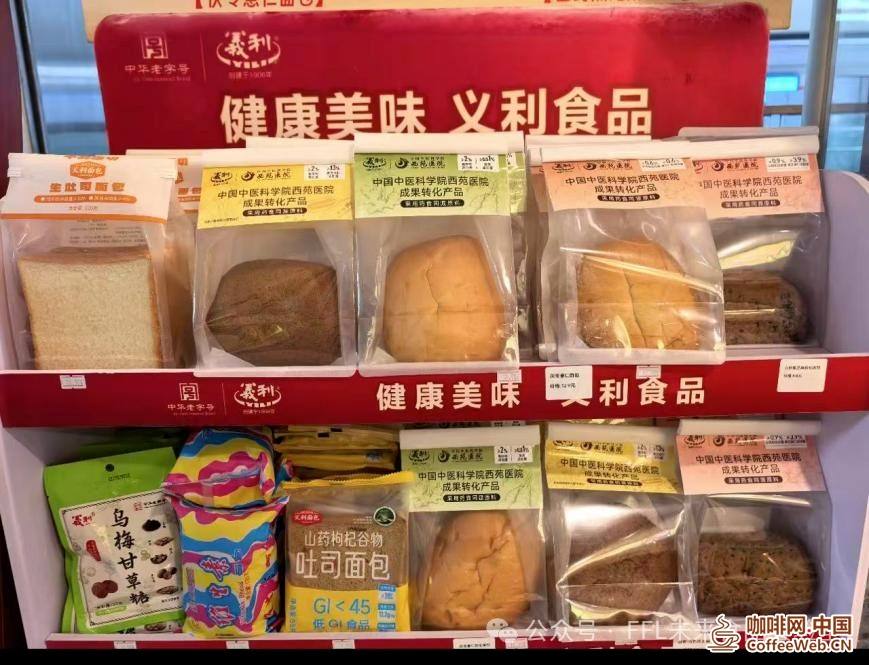
Hospitals across the country have followed suit and launched baked goods with medicinal and edible properties. For example, Ningxia Hospital of Traditional Chinese Medicine launched 15 types of Tonic Diet bread at one time, each of which is accurate and suitable for different constitutions. The tangerine peel rose version helps people with qi stagnation to calm the liver and regulate qi. The tremella lily version is designed for yin deficiency constitution. Xiyuan Hospital and Centennial Yili have jointly launched a series of spleen powered and stomach friendly breads, with classic medicinal and edible ingredients such as yam and Poria cocos as the core. Jinan Traditional Chinese Medicine Hospital has launched 5 types of dialectical health bread, aiming to achieve "targeted diet and scientific health preservation" for people with different constitutions. After the opening of the "Medicinal Food Workshop" at the Affiliated Hospital of Tianjin Institute of Traditional Chinese Medicine, there has been a continuous flow of customers every day. The "Five Flavor Good Formula" experience store at Banan District Traditional Chinese Medicine Hospital starts work at 4am every day to ensure that products can be put on shelves on time when they open at 7am.
▲ Image source: Xiaohongshu
Overall, medicinal and edible baked goods have received good market feedback, but it can be seen that consumers are mainly willing to pay for "hospital products" to try them out, rather than truly "health preservation". Some professionals also point out that the health benefits of such products vary from person to person, and excessive intake may actually increase metabolic burden. So the actual demand for this category still needs to be verified for a longer period of time.
Further than baking is the rise of Tonic Diet dinners and health preserving canteens. The "Health Preserving Canteen" launched by Shaanxi Provincial Hospital of Traditional Chinese Medicine is equipped with a Chinese medicine therapeutic meal window, which provides Tonic Diet soup for syndrome differentiation, staple food package for precise sugar control, and semi liquid diet suitable for postoperative use. These customized meals, formulated by nutritionists and cooked by professional chefs, accurately cover the health needs of different populations.
The Tonic Diet Nutrition Restaurant of Zhangzhou Hospital of Traditional Chinese Medicine was officially opened. The meal taking area was divided into pot stewing area, pastry area and tea drinking area. The dishes included traditional Tonic Diet classics such as Chinese yam poria cocos chicken soup, ginseng and qi spareribs soup, and innovative delicacies such as light body cake, white jade beauty Mantou. The price of pastry Tonic Diet is between 1.5 and 18 yuan.
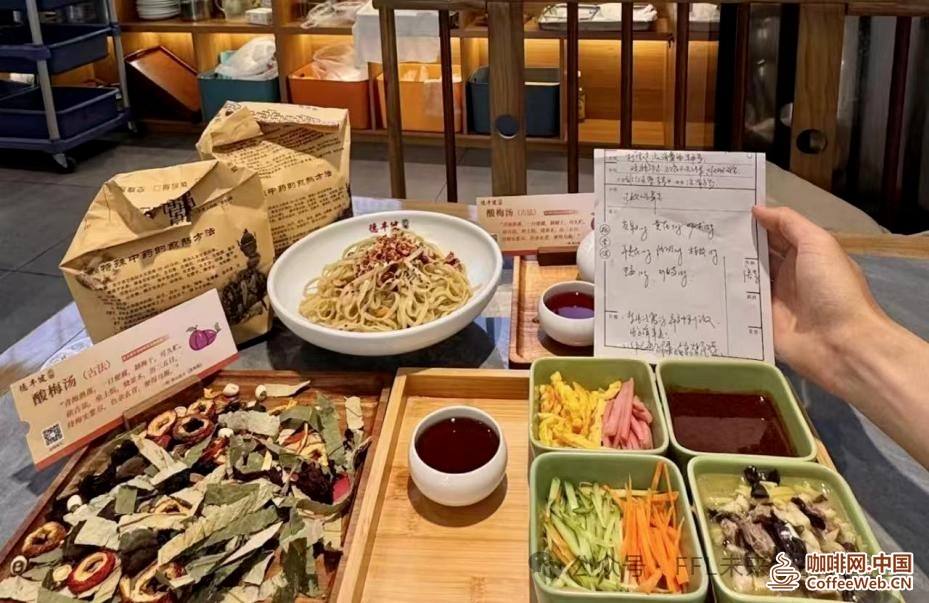
A traditional Chinese medicine clinic in Guangzhou has launched a popular online model of "checking the pulse before eating". After the customer arrives at the store, the licensed doctor will check his pulse, get the exclusive constitution card, and then select the corresponding Tonic Diet dishes according to the recommendation.
▲ Image source: Xiaohongshu
The cleverness of this model lies in transforming "eating" into a "tailor-made" health service experience, greatly enhancing the sense of ritual and psychological value of consumption. However, 'pulse diagnosis' is legally considered a medical act. There has been controversy in the industry over whether practicing physicians conducting diagnosis and treatment activities in restaurants are compliant and constitute disguised consultations. If Tonic Diet wants to move from "online red card punching" to normal operation, it must draw a clear line between professional services and compliance boundaries. In addition, this type of model highly relies on manpower, and once scaled up, how to maintain quality control and experience is also a challenge.
Regardless of the mode, we will ultimately face the same challenge: when the novelty fades, can the repurchase rate sustain long-term operation? Endorsements from hospitals and traditional Chinese medicine clinics can indeed reduce consumers' initial decision-making costs, but the novelty drive brought by the concept of "health preservation" will eventually decline. As more and more participants flock to the track, the quality, taste, convenience, and price of the product itself are the key factors that determine consumers' voting with their feet. The health industry of medicine and food sharing the same origin is not lacking in concept, but rather in good products and services that can withstand repeat purchases.
*Reference article:
(1) Tiger Sniff: A cup of coffee sells for 28 yuan, and opening a restaurant in the hospital has become a hot commodity?
(2) Wuxi New Media: Drinking a cup of "Ice Chinese style" in the hospital and tasting "Grandma Handmade" Wuxi coffee shops in the community are becoming more and more "cross-border".
(3) Sohu News: Tonic Diet milk tea and coffee are sold next to the pharmacy of the top three hospital! Pharmacists participate, and food delivery is available online.
(4) Today's Headlines: Luckin Coffee, Starbucks, Kudi, MANNER… 9 Major Coffee Brands' Latest Store Expansion Plans: Someone Wants to Visit 50000 Stores, It's Flying Away!
(5) Sohu News: Hospital x Coffee Shop, Unity of Science and Humanities.
(6) Today's headline: Beijing supports the innovative development of time-honored brands, and internet famous coffee shops have entered hospitals.
*Reminder: The article is for reference only. If there is any inappropriate content, please feel free to leave a message for correction and communication. And readers should not take actions based on the content of the article without specific professional advice, and the operator is not responsible for any losses caused as a result. If the article involves infringement or is unwilling to be published on my platform, please contact us for handling.