
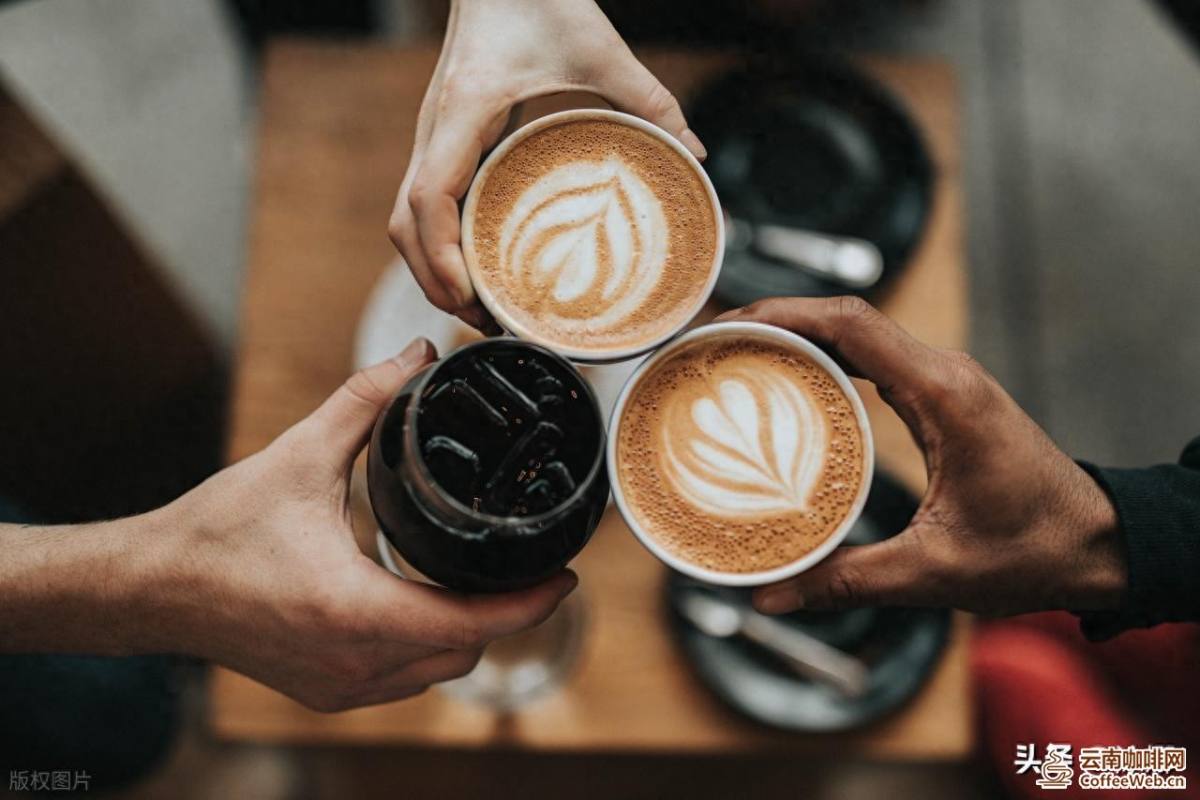


Nowadays, coffee has long moved out of high-end venues and entered the daily lives of ordinary people. In the morning at the entrance of residential areas, in the afternoon in the tea rooms of office buildings, and in the evening in shopping malls, one can see people holding cups of coffee everywhere. Even in convenience stores in small towns in the countryside, one can buy a steaming cup of coffee. A decade ago, coffee was still a "rarity" that appeared only during festivals and holidays. Making a cup of bitter and astringent coffee was hard to understand why some people preferred it.
More and more Chinese people love to drink coffee, and the core reason is its refreshing effect. My best friend works in internet operations and drinks a cup of iced Americano every day without fail. She says it's a "life-sustaining artifact" – drinking a cup in the morning to wake up and start work, and drinking a cup to dispel fatigue when feeling sleepy in the afternoon, so as to withstand high-intensity work. Many colleagues around her, like her, have gone from being "forced to drink coffee" to becoming accustomed to it. Even when not working, they still want to have a sip every day.
The student population has also become the main force in coffee consumption. My cousin, who is in her second year of high school, drinks a cup of affordable coffee every day when exams are approaching. She relies on it to stay awake late at night while reviewing and to wake up her brain in the morning. Her mother initially opposed it, but seeing how she felt listless and her review efficiency decreased without coffee, she had no choice but to compromise and specially bought her a mild latte. Even my seventy-year-old grandfather now brews a cup of drip coffee every afternoon, saying that it makes him feel energetic and relieves fatigue.
The social aspect of coffee is also a significant reason for its popularity. Nowadays, coffee shops are the preferred choice for young people's gatherings, romantic dates, and business negotiations among professionals. When I meet with my college classmates, instead of going to a restaurant, we choose a quiet coffee shop. Ordering two cups of coffee allows us to chat for the entire afternoon, which is relaxing and pleasant. My friend who works in sales also mentioned that the atmosphere in coffee shops is relaxed, unlike the seriousness of the office. Many difficult negotiations are successfully concluded in coffee shops, and coffee acts as a "social lubricant".
The richness of coffee varieties and the affordability of prices have given more people the opportunity to fall in love with it. In the past, there was only instant coffee, which was not cheap, and ordinary people could not afford to drink it often. Nowadays, everything from instant coffee, ear-hook coffee, to freshly ground coffee is available. Local brands such as Luckin Coffee and Lucky Coffee offer Americano for just a few or ten yuan per cup. Ordering is convenient, and office workers and students can afford it. Even in small towns, there are chain coffee shops.
What's even more surprising is that our country also boasts high-quality coffee producing areas. Yunnan coffee has a rich and mellow taste, and its cost-effectiveness far surpasses that of imported coffee. As a result, more and more people are beginning to choose domestic coffee.
Ultimately, the reason why Chinese people love coffee is not because they are worshipping foreign things, but because it meets the current needs of life. Its refreshing effect alleviates the fatigue of high-intensity work and study, its social attribute satisfies people's needs for gathering and discussing matters, and its affordability and convenience enable people of all ages to consume it. Nowadays, coffee has become an ordinary beverage integrated into daily life, accompanying us through every busy yet warm day.