






Dr. Qi's words are still there
Work statement: The content is sourced from the internet
Doctor, I've been drinking coffee lately. Will it damage my stomach? "At the clinic, 58 year old Zhao sat down with a thermos in his hand. The cup was not filled with tea, but with coffee. In the morning, take a big glass to refresh yourself, and in the afternoon, have another one. If you don't drink, everyone will fall apart. As soon as you drink, you will immediately feel refreshed, "Old Zhao half joked.
But during this period, he always felt nervous, acid reflux, and couldn't sleep soundly at night. His family forcibly pulled him for examination. The electrocardiogram and gastroscopy did not reveal any major problems, but the doctor reminded him, "Coffee is not something that cannot be drunk, the key is how to drink it, how much to drink it, and when to drink it
Now Lao Zhao was stunned: after drinking coffee for over a decade, it was the first time someone had seriously told him how to drink it in a way that was "more friendly to the body". Many middle-aged and elderly people rely on coffee to "prolong their lives" while also worrying about whether their heart, blood pressure, bones, and sleep will be "hollowed out". Is long-term coffee consumption for "health preservation" or "overdrawn"?
The impact of coffee on the body is not as simple as you think. Below, we will explain both the "benefits" and "risks" clearly, making it easier for you to make a more suitable choice for yourself.
Based on research over the past decade, moderate coffee consumption is more beneficial than harmful for most people. Multiple large-scale epidemiological studies have found that people who drink 2-3 cups of coffee (approximately 200-300 milligrams of caffeine) per day have a reduced risk of all-cause mortality by about 10% to 15% compared to those who rarely drink coffee. They also have varying degrees of reduced risk of cardiovascular events and some cancers.
There are several main reasons for this: caffeine can increase alertness, attention, and reaction speed in a short period of time, just like lightly stepping on the gas pedal. Coffee contains a large amount of polyphenolic antioxidants, which can help reduce free radical damage and to some extent promote cardiovascular and metabolic health.
Some studies have shown that the risk of type 2 diabetes can be reduced by about 20% for people who drink coffee moderately for a long time, which is related to the improvement of insulin sensitivity.
But the premise is: 'moderate, not excessive, choose the right person'. Once you drink too much, or have problems with arrhythmia, severe anxiety, insomnia, peptic ulcers, etc., coffee may turn from a "helper" to a "troublemaker".
What are the "good changes" and "bad changes" of long-term coffee consumption?
Persisting in drinking coffee for several years or even more than a decade may result in subtle changes in the body. Let's talk about the relatively "friendly" side first:
Many people feel more focused, react faster, and less fatigued after a cup of coffee in the morning. This is because caffeine blocks adenosine receptors in a short period of time, making the brain more 'awake'.
Some studies suggest that regular intake of small amounts of coffee is associated with a reduced risk of cognitive decline, which may be helpful in preventing cognitive decline in old age.
Cardiovascular and Metabolism
Moderate coffee consumption is associated with a reduced risk of cardiovascular disease without the addition of large amounts of sugar and creamer. Some studies have shown that 2-3 cups of coffee per day are associated with a 10% to 20% reduction in the risk of heart failure, and some populations also have a reduced risk of stroke.
In terms of blood sugar, data suggest that the risk of type 2 diabetes is reduced by about 15%~25% for long-term moderate coffee drinkers, which is related to the promotion of glucose metabolism by polyphenols, magnesium and other ingredients.
Speaking of the easily overlooked 'cost':
Panic and increased heart rate
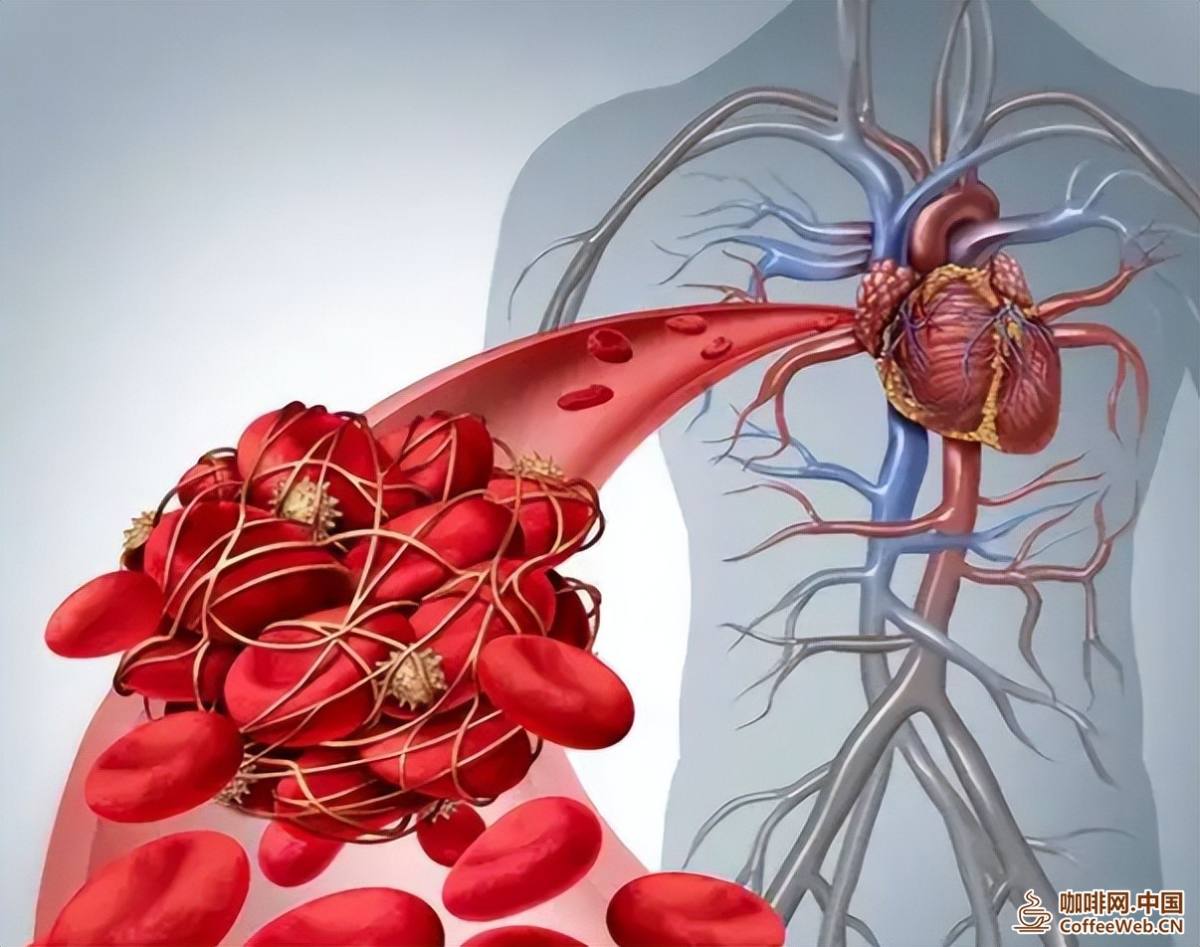
Caffeine stimulates the sympathetic nervous system and increases heart rate. For most people, it is not a big problem, but once the dosage is increased, such as exceeding 400 milligrams of caffeine (about 3-4 cups of standard coffee) per day, palpitations, hand tremors, sweating, and anxiety may occur.
People with arrhythmia, atrial fibrillation, and high anxiety disorder are more susceptible to being affected.
Decreased sleep quality
The half-life of caffeine in the body is about 4-6 hours, and some people metabolize it slower.
If you continue to drink after three or four in the afternoon, you may experience difficulty falling asleep, light sleep with frequent dreams, and waking up easily at night. Over time, you may become more sleepy during the day and rely more on coffee, forming a vicious cycle.
Stomach discomfort, acid reflux and heartburn
Coffee can stimulate the secretion of stomach acid. For people with gastritis, gastric ulcers, and reflux esophagitis, drinking strong coffee on an empty stomach for a long time can easily cause acid reflux, bloating, and discomfort in the upper abdomen.
Some people may also experience bowel sounds and increased bowel movements due to the laxative effect of coffee.
Concerns about Bone and Blood Pressure
A large amount of caffeine can slightly increase calcium excretion. If elderly people have insufficient calcium intake and drink a lot of coffee, it may have a certain long-term impact on bone density.
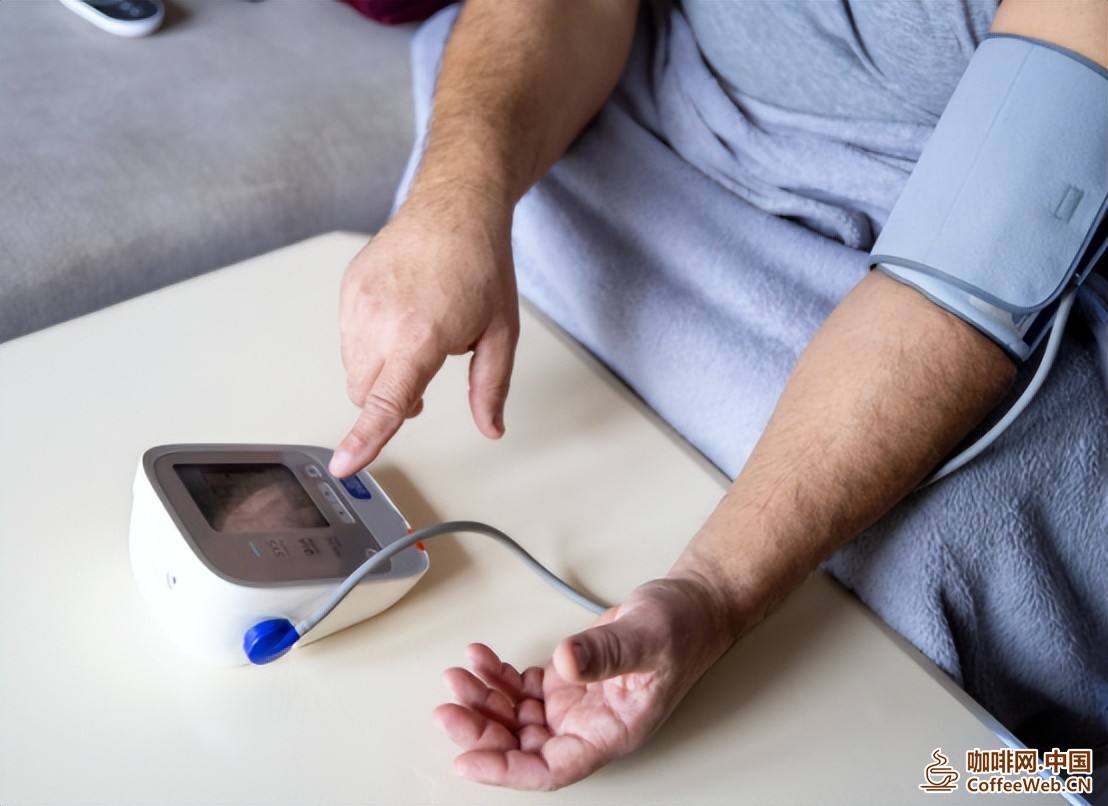
For blood pressure, coffee can cause a mild increase in short-term blood pressure, usually around 5-10 millimeters of mercury, which most healthy people can tolerate, but patients with severe hypertension need to pay extra attention.
Do you want to drink but are afraid of hurting your body? I suggest drinking it this way, it's safer
If you are already used to coffee and don't want your body to "mine", you can adjust from several aspects:
Total control: Most adults consume no more than about 400 milligrams of caffeine per day
Roughly equivalent to: 2-3 cups of regular household brewed coffee; Instant coffee is slightly lower; Espresso and certain energy drinks may be higher. For pregnant women, lactating women, adolescents, and patients with arrhythmia, it is recommended to limit the intake to below 200 milligrams, and even follow medical advice to avoid it as much as possible.
Avoid drinking on an empty stomach or before bedtime
People with a history of stomach diseases should try to drink it with meals or half an hour after meals to reduce irritation to the gastric mucosa. It is recommended to avoid drinking caffeinated drinks as much as possible after 3 pm, especially for people who have shallow sleep and are prone to insomnia.
Try to drink 'clean' coffee as much as possible
It is recommended to prioritize pure black coffee or coffee with a small amount of milk, and to add less sugar, creamer, and vegetable fat powder. Many "fancy coffees" can have more than 20 grams of sugar in one cup, equivalent to eating 4-5 pieces of sugar cube, which is not friendly to blood sugar and weight.
Pay attention to your own reactions and learn to conduct "reduction experiments"
If you experience obvious palpitations, insomnia, hand tremors, persistent anxiety, or stomach pain, you can try gradually reducing your daily coffee intake, such as reducing from 3 cups to 2 or 1 cup, or switching to low cause coffee/semi cause coffee. Generally, after about 2 weeks, you can feel whether your body is more comfortable.
If you have these diseases, be sure to ask the doctor in advance
If there are severe arrhythmias, difficult to control hypertension, active peptic ulcers, severe anxiety disorders, early pregnancy, etc., do not drink blindly by yourself.
It is recommended to adjust whether and how much to drink under the guidance of a cardiologist, gastroenterologist, or obstetrician.
This article is a popular science popularization of health knowledge, written based on authoritative materials and personal opinions. Some plot points have been appropriately fabricated and polished for the convenience of expression and reading comprehension. The content is for reference only and cannot replace a doctor's diagnosis. If you feel unwell, please seek medical attention promptly. Collect for future use, share and forward to the people you care about!
reference material:
The systematic review chapter of the Chinese version of "Caffeine and Health" is included in the scientific literature compilation of the "Chinese Dietary Guidelines for Residents (2022)" published by People's Health Press.
 Liaoning ICP Security No. 21122402000217