
1、 Suitable environment (core conditions in Yunnan)
Altitude: 800-1200 meters is optimal, 600-1800 meters can be planted
Temperature: Annual average of 18-22 ℃, no frost; The large temperature difference between day and night is conducive to flavor accumulation
Precipitation: 1000-2000mm per year, rainy season matches growth period
Soil: loose and deep, well drained; pH 5.5–6.5; Brick red soil/red soil/yellow soil/sandy soil, soil layer ≥ 60cm
Terrain: calm and gentle slope (≤ 20 °), flat ground, avoid water accumulation
2、 Variety selection (mainstream in Yunnan)
Catimor: Mainly planted, resistant to disease, high-yielding, and easy to manage
Tiepika, Bobang, Kadura: premium beans with excellent flavor but weak disease resistance
Yunka Series (Yunka 1/2): Independently selected, refined, and high-yielding
3、 Seedling cultivation technology
Selection: Healthy mother tree over 3 years old, plump and disease-free fresh fruit, sun dried and shelled
Sprouting: Sow from March to July; Sand bed promotes germination, moisturizes and provides shade
Pseudo planting: Move the cotyledons into a nutrient bag when they are flattened and the true leaves are exposed; Leave 3-4cm anti bending root at the main root
Strong seedling standard: bag seedling height ≥ 30cm, stem thickness ≥ 0.5cm, 1-3 pairs of branches; Ground sowing seedlings with a height of ≥ 40cm
4、 Planting and Garden Construction
Land preparation: November to February of the following year; Terraced fields on sloping land, digging drainage ditches
Density: Plant spacing of 1.2 × 2m to 1.3 × 2m, approximately 4000 plants per hectare
Planting: rainy season (May July); Apply organic fertilizer and phosphorus fertilizer through holes; Seedlings with soil clumps, depth equal to the original soil marks, compacted and watered
Shade: Young trees provide 40% -50% shade; Result tree 30% -40%; Planting shade trees such as Acacia and other leguminous trees (about 120 plants/hectare)
5、 Field management
1. Water and fertilizer management
apply fertilizer:
Bottom fertilizer: organic fertilizer ≥ 30 tons/hectare+phosphate fertilizer
Young trees: Apply thin fertilizer frequently, with nitrogen as the main source
Result tree: Apply fertilizer three times before flowering, young fruit, and after harvesting, with a combination of nitrogen, phosphorus, and potassium
Moisture: Rainy season drainage and flood prevention; Irrigation during the dry season to keep the soil moist
After planting, cover the entire tabletop in winter (15cm thick, 10-15 cm away from the main trunk); Available straw and legume green manure
Cooling and moisturizing, water retention, weed prevention, and organic matter enhancement
3. Plastic surgery and trimming
Young tree: fixed stem of 30-40cm, cultivate 3-4 main branches to form short stem with multiple branches
Result tree: Retract and renew after harvesting, remove weak and overly dense branches, and maintain ventilation and light transmission
4. Weeding and intercropping
Manual/mechanical weeding, avoid damaging roots
Leguminous crops such as peanuts and soybeans can be planted between rows, with nitrogen fixation and mulching
6、 Disease and pest control (mainly green)
Diseases: leaf rust, anthracnose; Choose disease resistant varieties, trim them reasonably, and spray Bordeaux mixture/carbendazim during the rainy season
Insect pests: coffee beetle, aphid, scale insect; Physical trapping+biological control, reducing the use of highly toxic pesticides
7、 Harvesting and initial processing
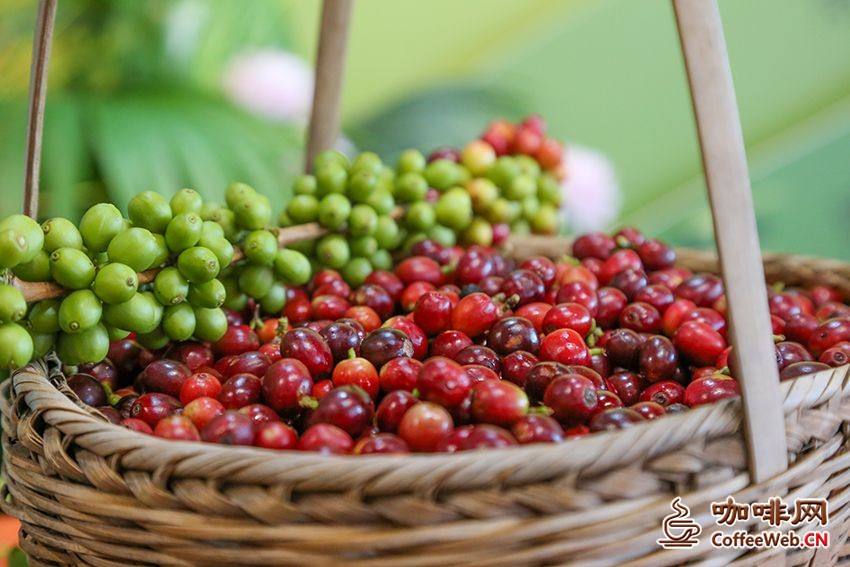
Harvesting: Before mid April, manually harvest bright red ripe fruits in batches and multiple times
Initial processing:
Wet Method (Premium): Fresh Fruit → Peeling → Fermentation → Cleaning → Drying/Drying → Peeling → Grading
Dry method: Fresh fruits are dried directly → shelled → graded