

Spring Festival is approaching, have everyone managed to grab tickets to go home?
As a severely addicted coffee patient, I have been packing up the coffee hanging ear bags that I previously stored with Teacher Wei in my suitcase these days.
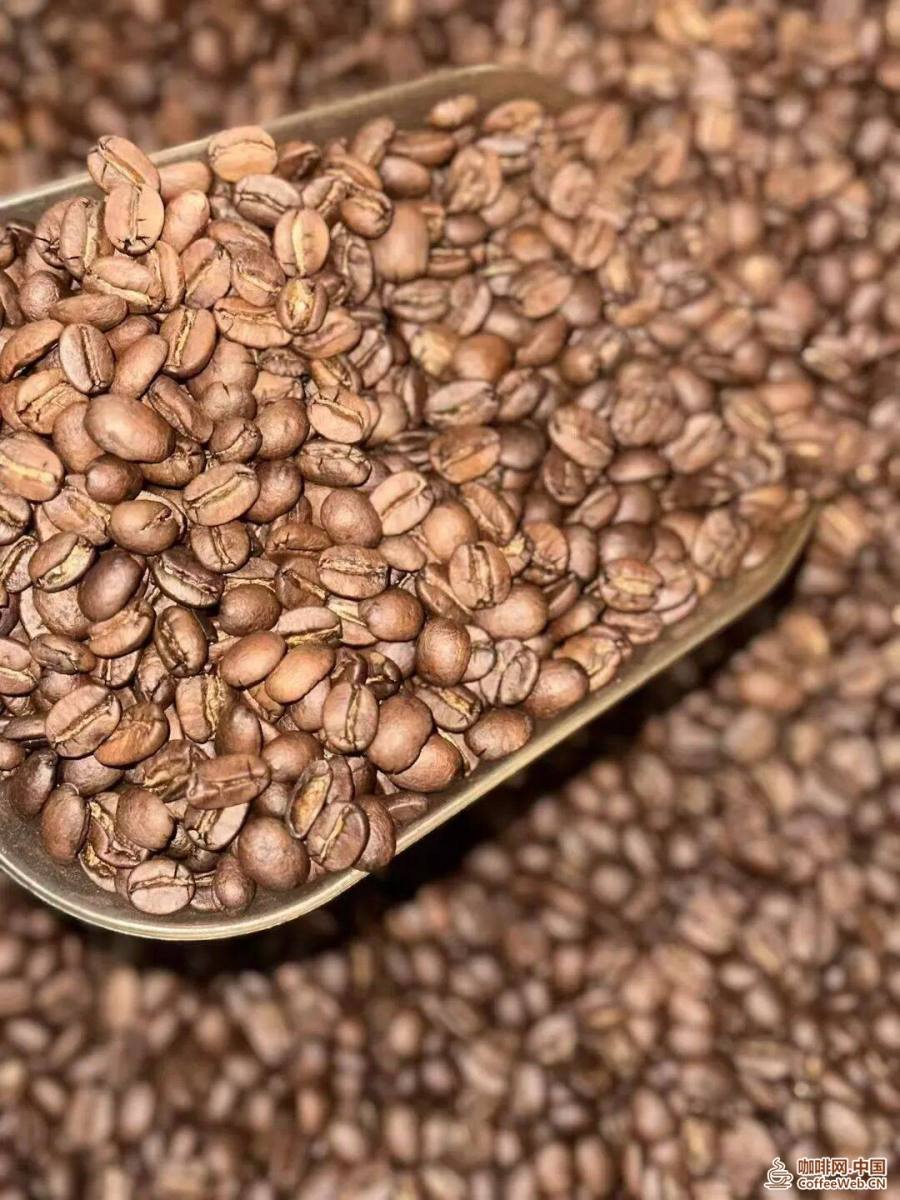
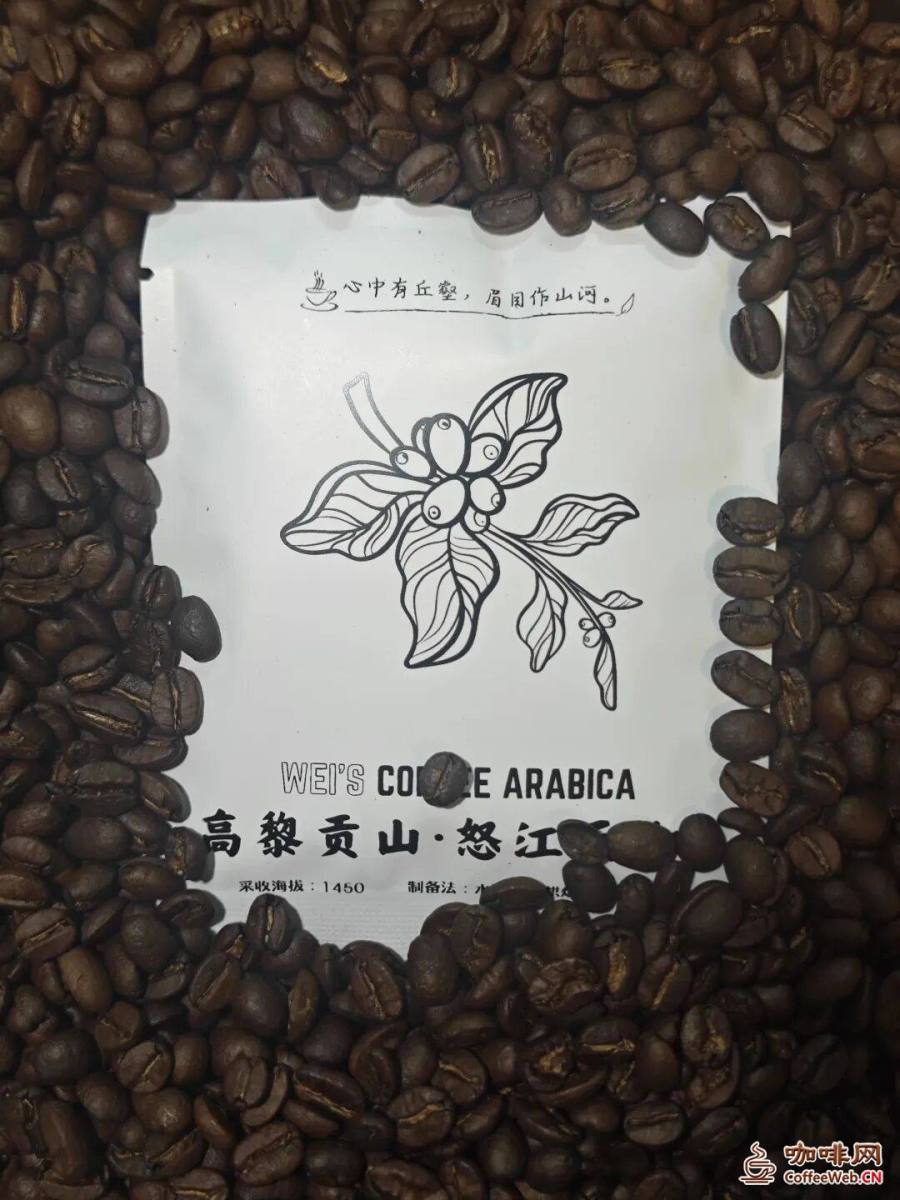
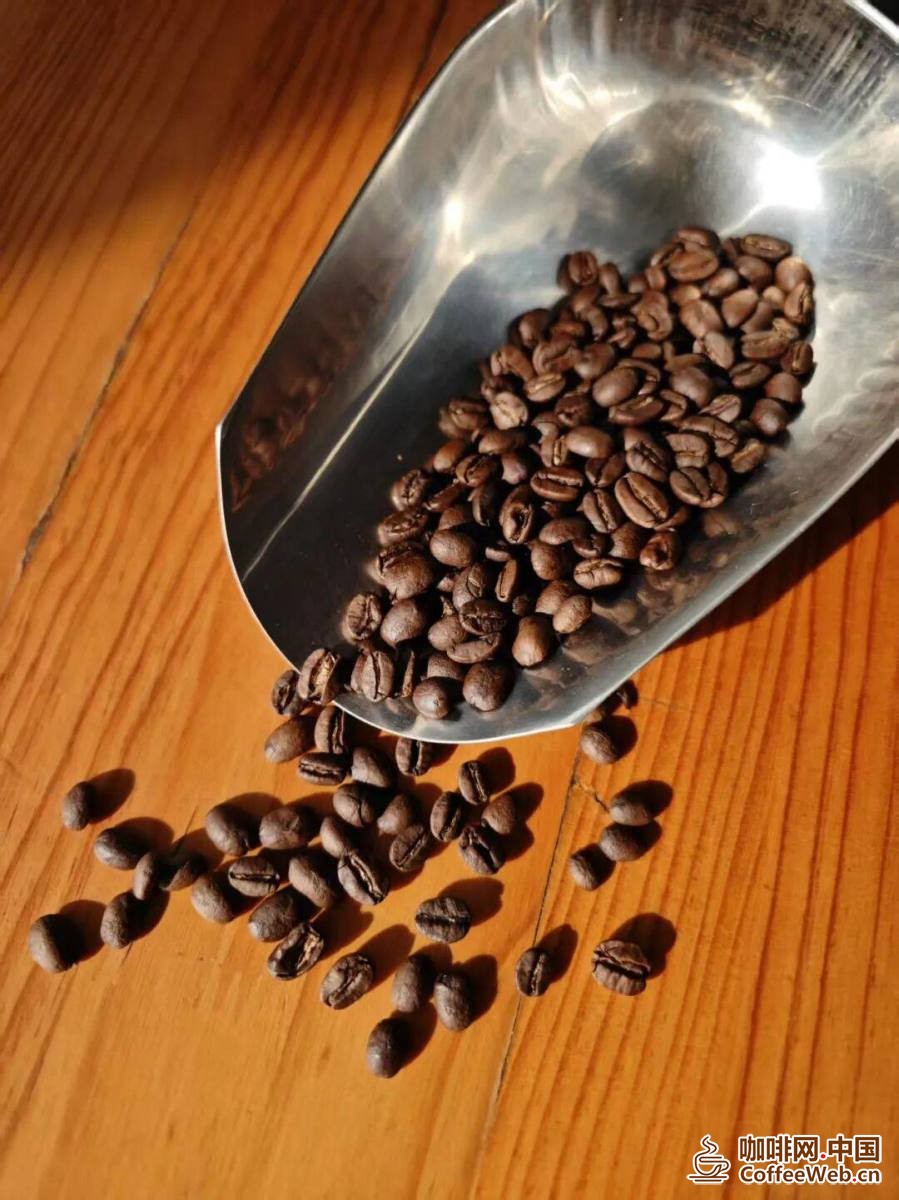
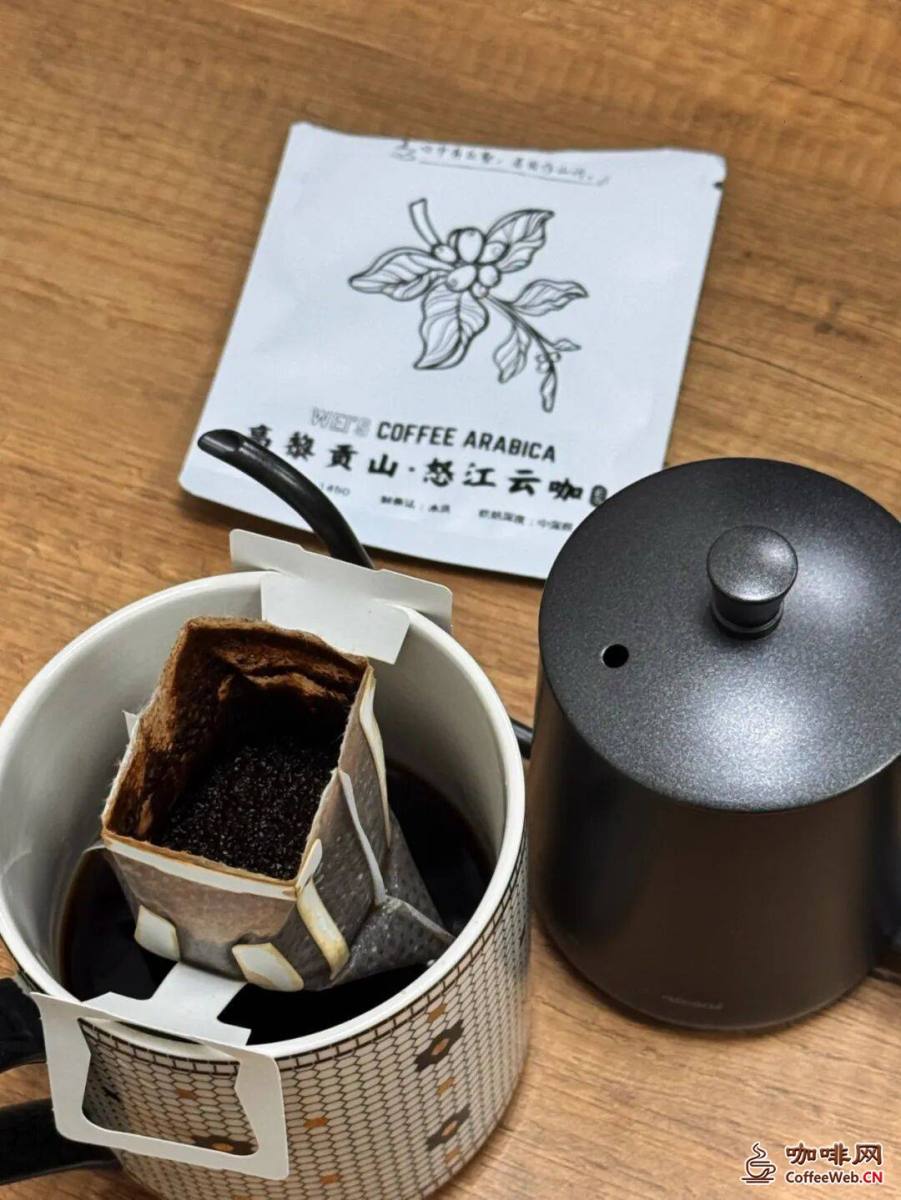
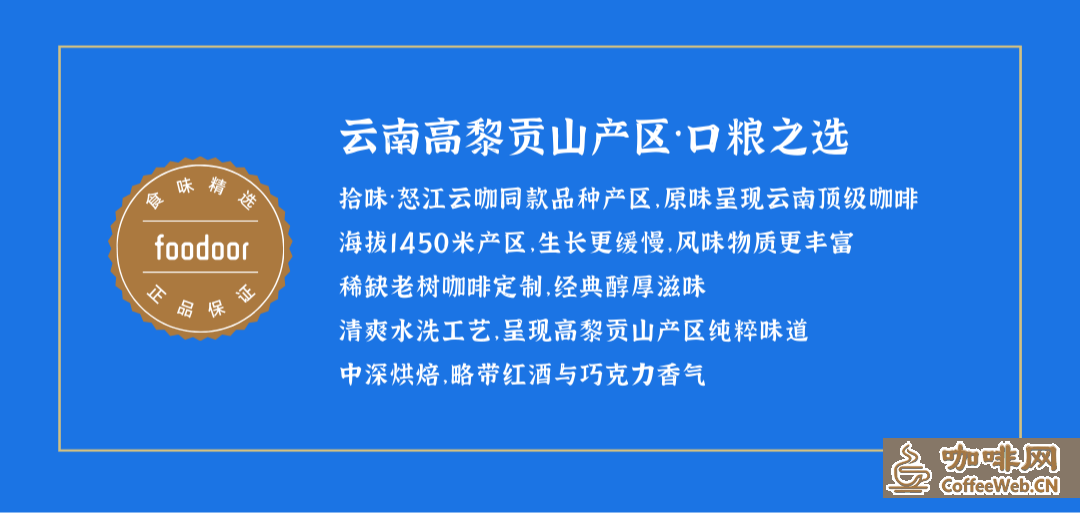
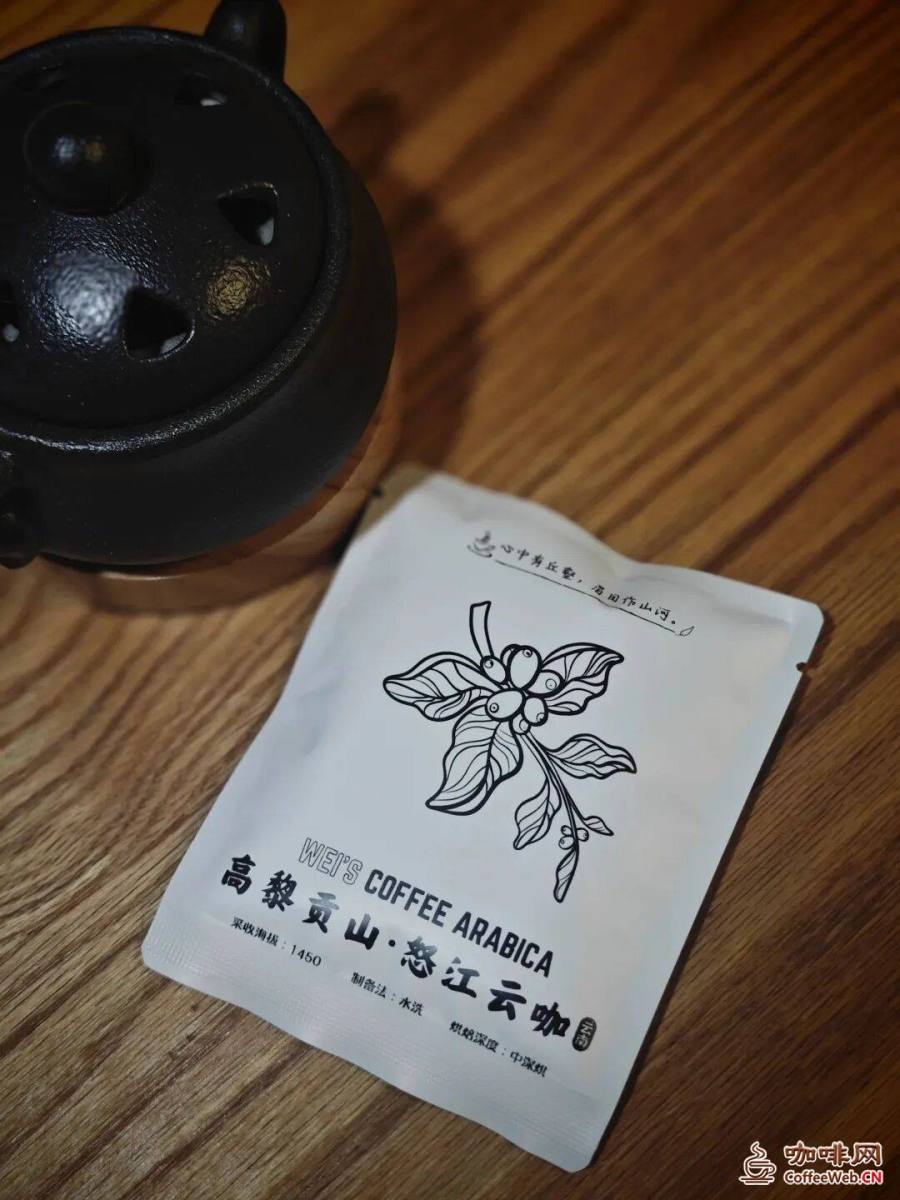
This hanging ear tea is made from carefully selected Yunnan "Tie Pi Ka" coffee beans. It is medium deep roasted and has a chocolate aroma, with a balanced sour and sweet taste and almost no bitterness.
A box of 10 bags, convenient for brewing and carrying, very suitable for daily consumption as food. So you don't have to worry about the coffee shop in your hometown being closed during the Spring Festival.
If you follow our Citywalk route, you should have some impression of Teacher Wei.
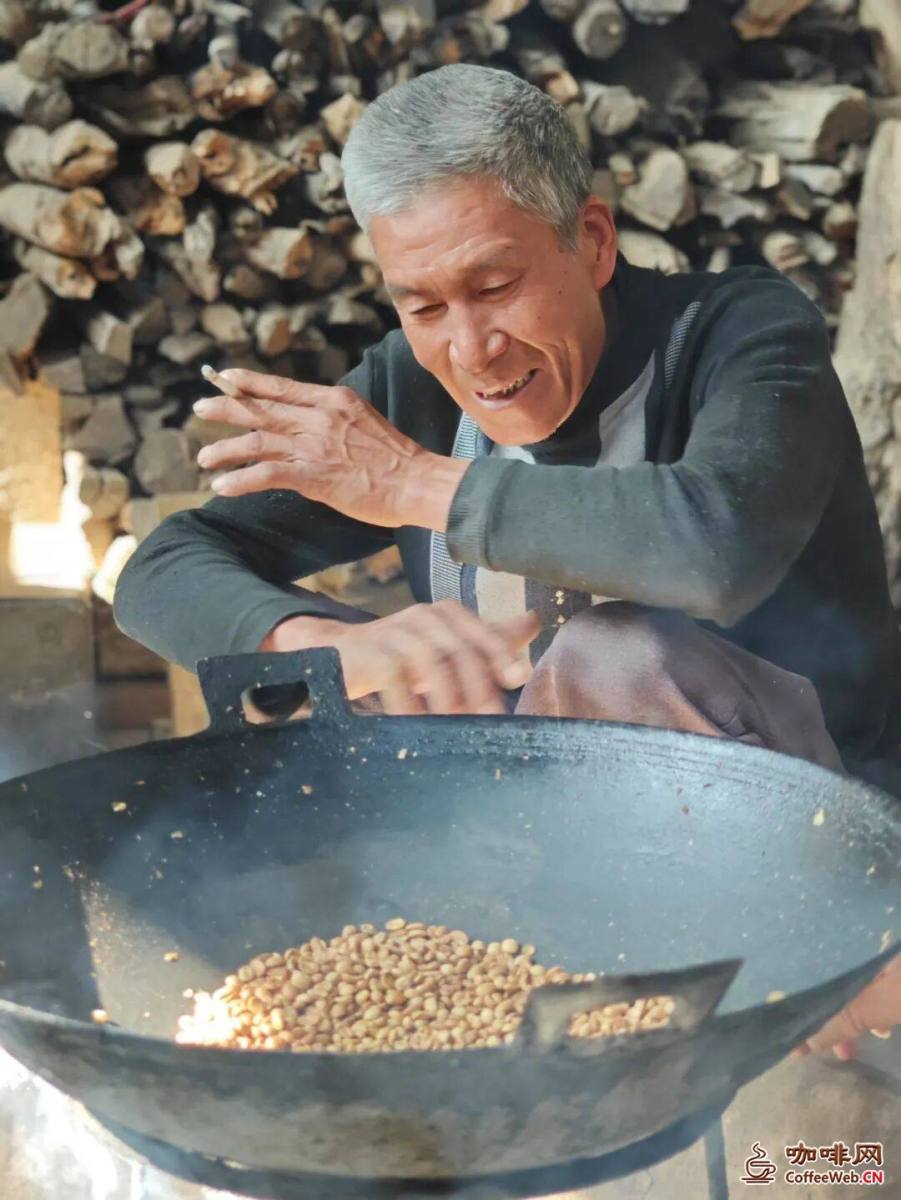
He is our good friend and also a professional Citywalk mentor.
Due to my love for Yunnan culture and coffee,
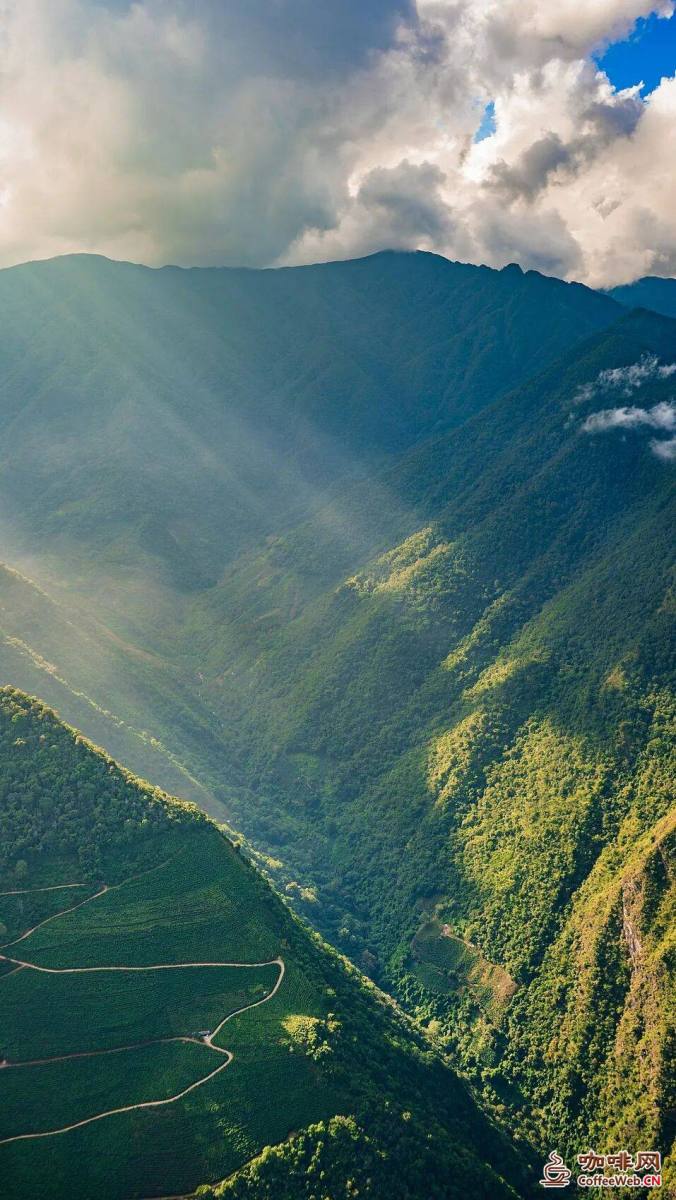
A few years ago, he owned a coffee plantation in the valley of Gaoligong Mountain.
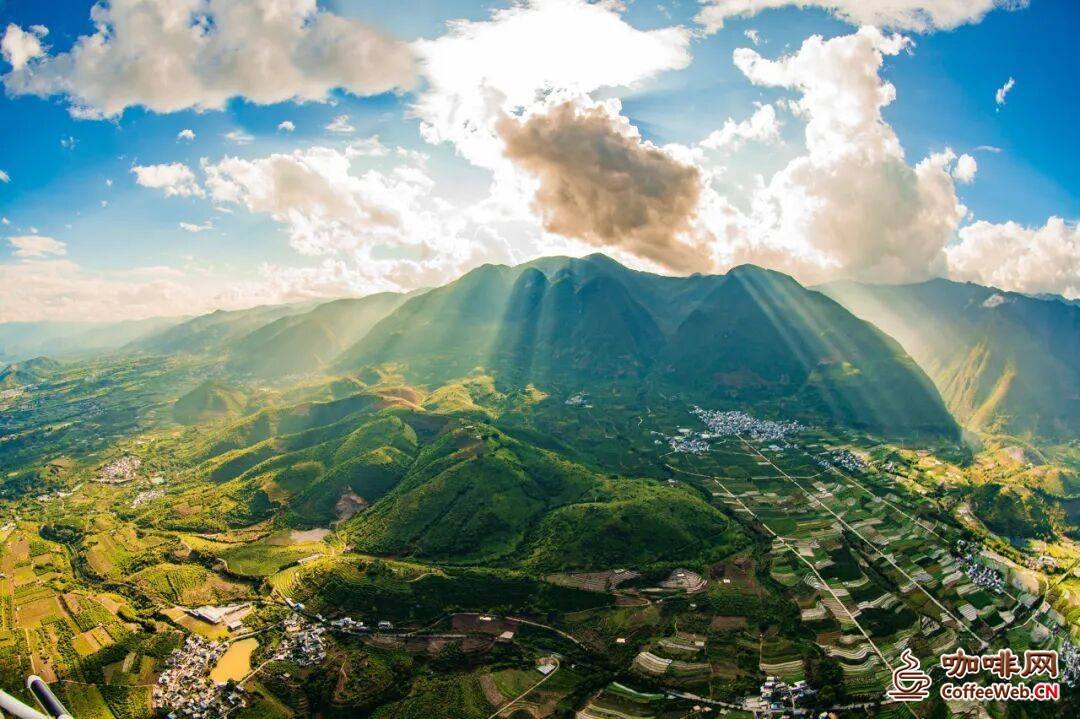
|Gaoligong Mountain, a secret realm in Baoshan, Yunnan.
In his words, to meet the best coffee in China.
You should know that 99% of coffee in China comes from Yunnan.
The emergence of Yunnan coffee shops even predates that of Shanghai.
The four major coffee producing cities, besides the Pu'er tea we shipped a few days ago,
There are also Lincang, Dehong, and Baoshan.
As early as 1993, Baoshan Small Grain Coffee won the 42nd World Eureka Gold Award.
Until now, it is still the only coffee in the country that has won the World Gold Award.
From this perspective,
The best coffee in China is in Baoshan.
And Chinese coffee has also begun to go global from here,
Breaking the prejudice of many coffee consumers towards Chinese coffee.
Before the express delivery stops, we have prepared the latest batch of coffee hooks for everyone, with a limited time until February 11th.
A portable 'mini caf é'
Click on the mini program below to start
Why grow coffee in Gaoligong Mountain
I want to record what I have eaten and seen during my years as a journalist, both nationally and globally.
This is the original intention of Wei Shuihua's establishment of the "Food Taste Art and Culture Chronicle".
At first, the purpose of coming to Baoshan, Yunnan was just to search for the coffee story of China.
After entering the valley of Gaoligong Mountain and delving into the villages here, Wei Shuihua was fascinated by the rich and diverse ethnic characteristics and magical geographical scenery here.
I think if people have a destiny, this land by the Nu River and at the foot of Gaoligong Mountain is my place of destiny
The gears of fate, like this, pushed towards the small village on the China Myanmar border.
At an altitude of 500 meters in a Dai bamboo and wood building, I tasted the fragrant and glutinous old variety of glutinous rice, grilled fish from the Nu River, and various fruits;
I worshipped the Bodhi Tree with my fellow Dai villagers and personally witnessed the mysterious "Ancient Man Child" worshipped by their families in Theravada Buddhism.
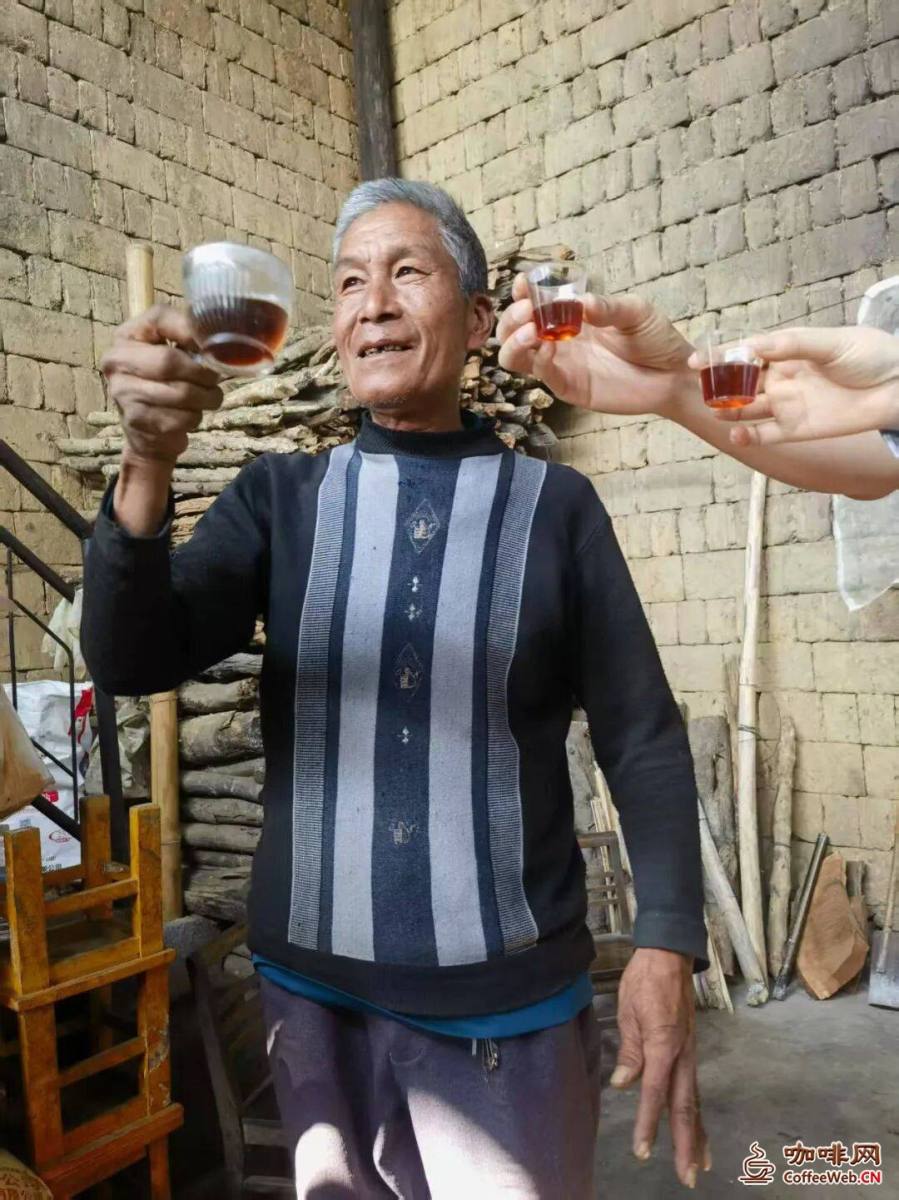
At an altitude of over 2000 meters in the old village of the Lisu ethnic group's Wawu, I tasted the stewed chicken with lacquer tree seed oil, the cliff honey harvested by beekeepers in less than half a day, and the freshly picked coffee from that year;
Arriving at the church in the village, I attended the worship and communion of the Lisu ethnic group, and listened to the village pastor's account of the past when British missionaries brought writing, medicine, coffee, turkey, and a whole set of lifestyles to the western border of Yunnan.
After walking over ten hills, he decided to stop.
I have contracted a piece of sunny land with a visible Nu River to the fellow villagers of the Lisu ethnic group,
Started this journey of Yunnan coffee farming.
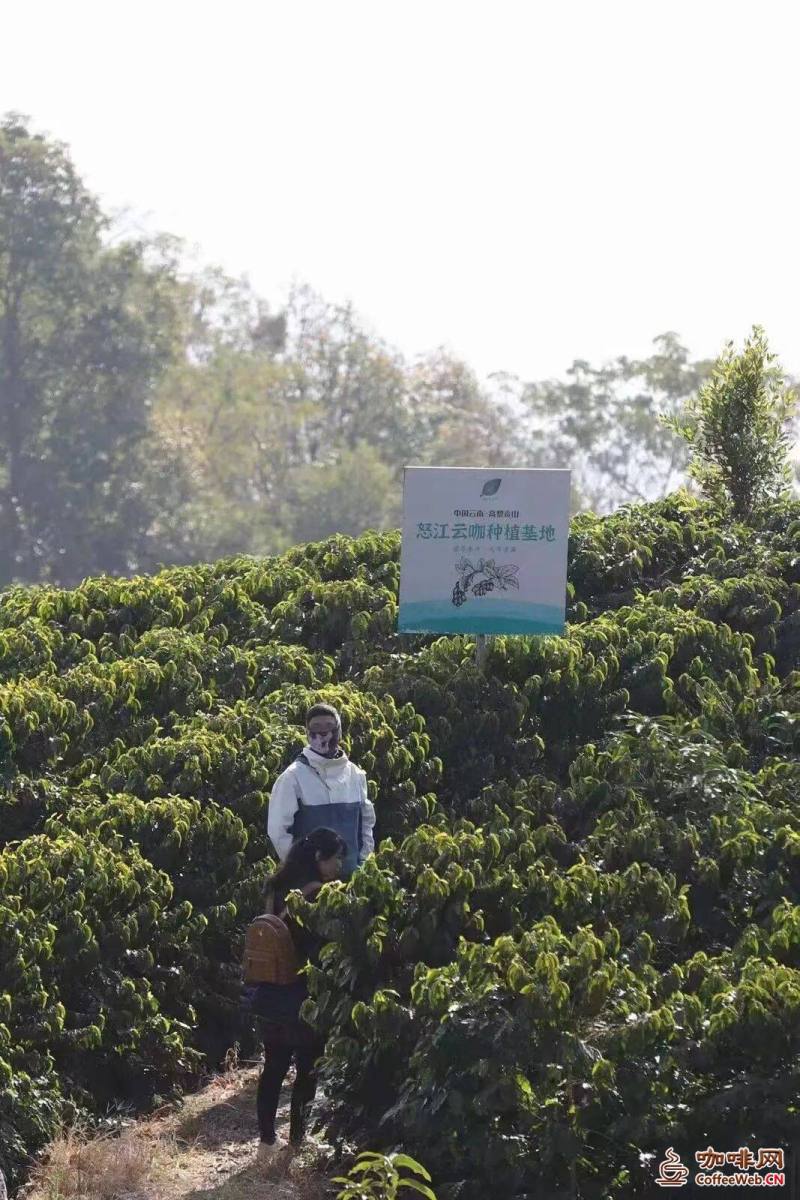
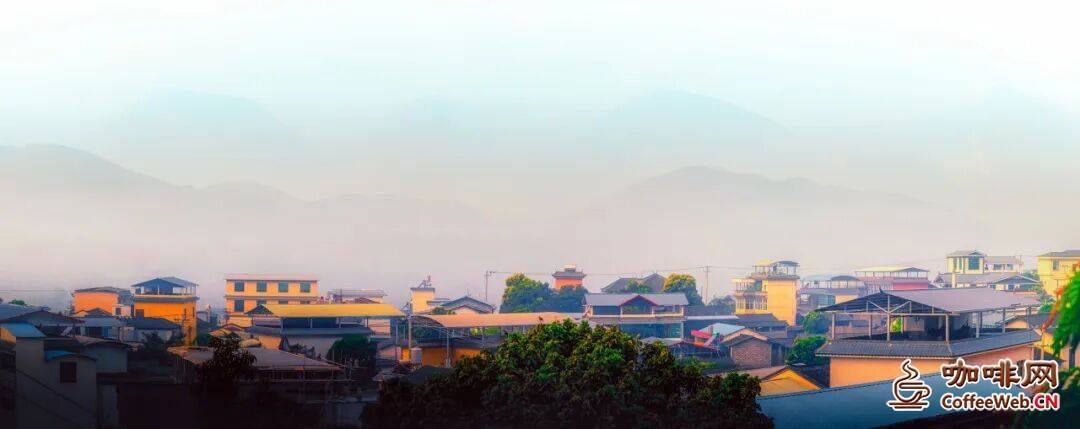
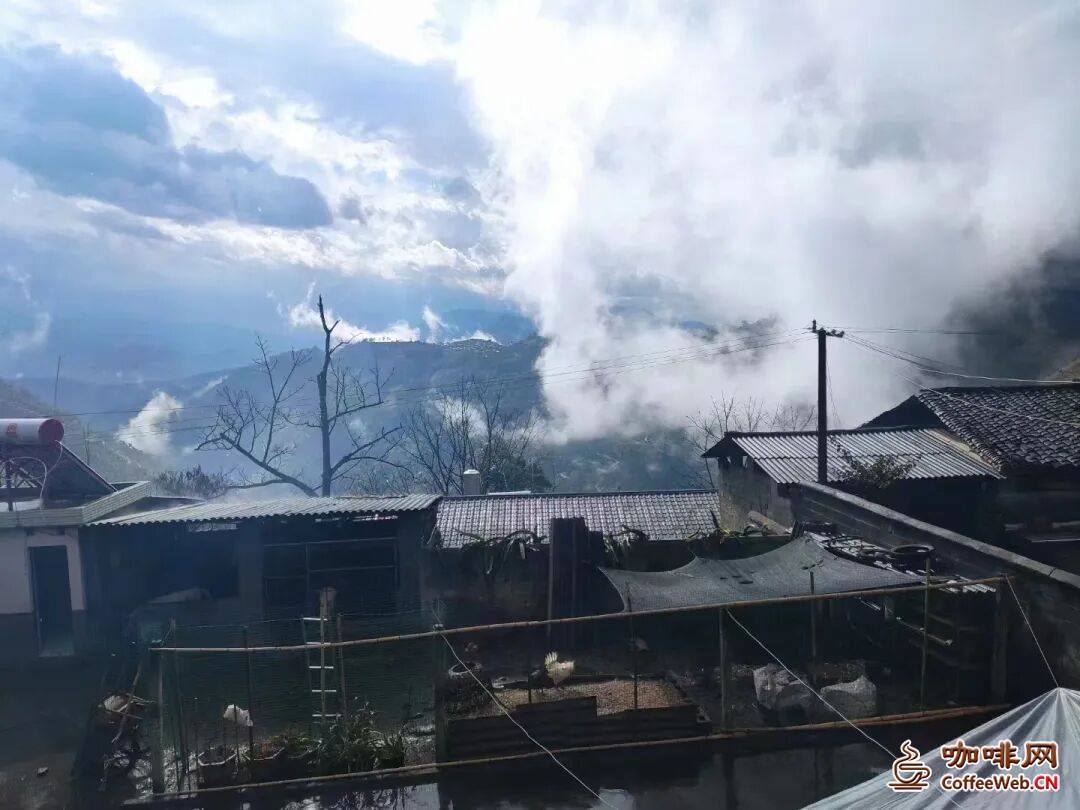
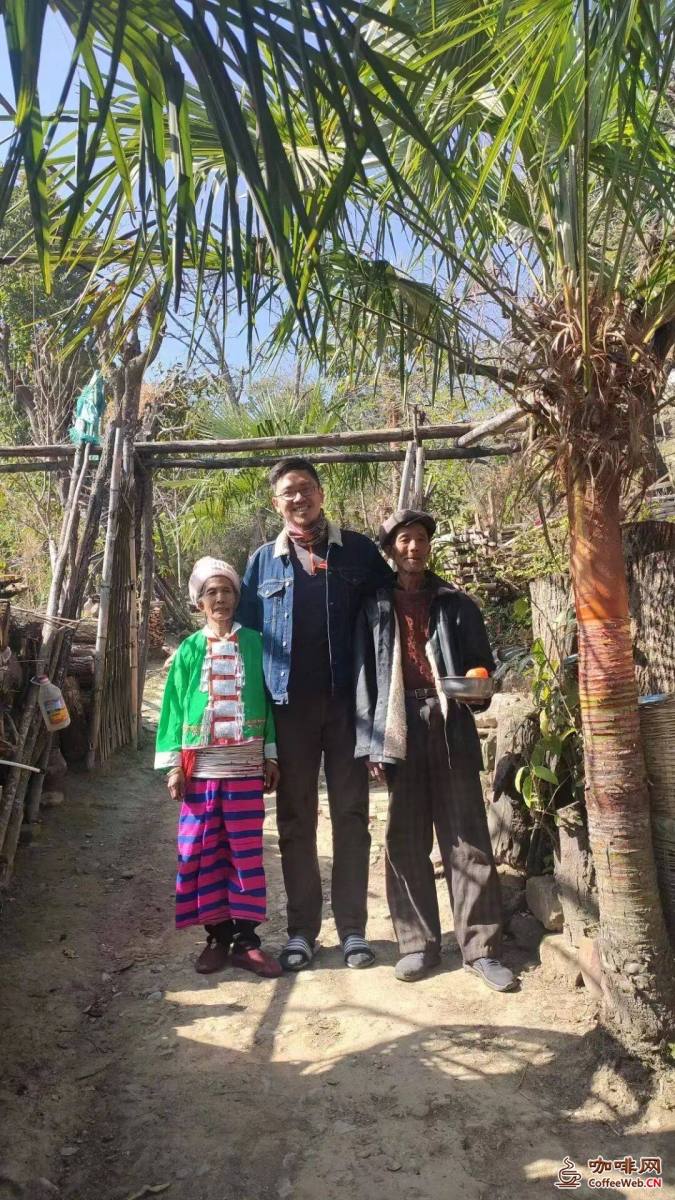
The place where he grows coffee is in Lujiang Town, Gaoligong Mountain, an ancient village called Conggang Village.
This is the village with the most complex ethnic composition that I have traveled through so many places in the country, none of them
There are over 2500 people in the village, including more than 800 Dai, 800 Lisu, 300 Bai, and 400 Han ethnic groups,
There are also twelve other ethnic groups including Yi, Hui, Jingpo, De'ang, Achang, Nu, Dulong, and Mongolian.
Most of the Dai people in the village live in low altitude river valleys near the Nu River and make a living by planting paddy fields.
Most of the Lisu and Han ethnic groups live in the mountains, where hunting used to be their profession, but now they mainly rely on mountain agriculture.
For example, coffee.
Among all the coffee producing areas in Yunnan, the topography of Gaoligong Mountain is the most complex.
The altitude here is between 400 and 4800 meters.
The complex terrain has shaped various ethnic and religious groups here, as well as a variety of complex ingredients and flora and fauna.
Coffee is an alien species, yet it miraculously fits in here.
Coffee is afraid of cold, but Baoshan is at a high altitude.
Only Lujiang Town has become the chosen place.
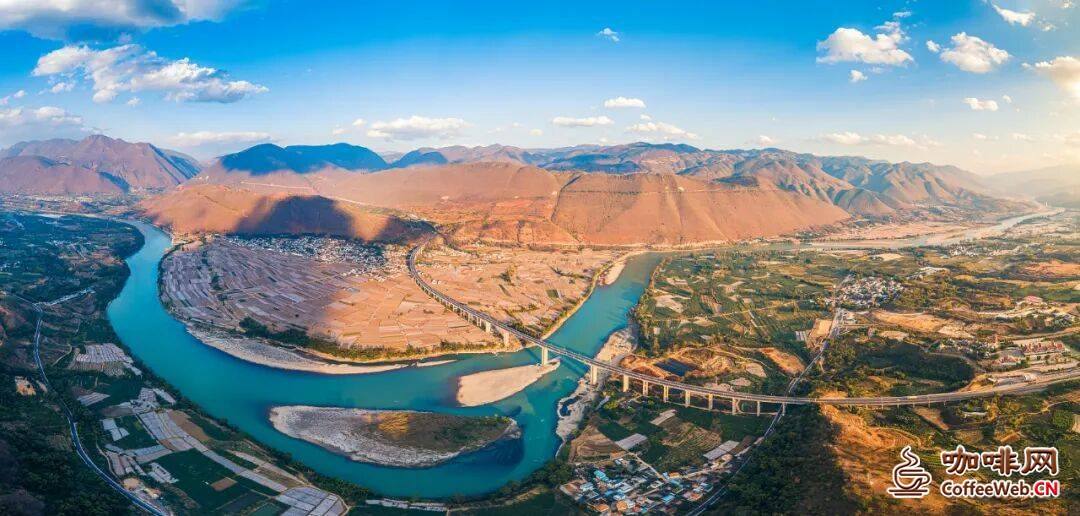
This place has a low altitude and is a famous dry hot valley in China, while the west bank is surrounded by the Gaoligong Mountain Range and has been designated as a UNESCO World Biosphere Reserve.
In essence, this is the watershed between the Eurasian Plate and the Indian Ocean Plate.
Special landforms have influenced unique geographical environments.
When the humid and hot air from the Indian Ocean blows northward and reaches a high altitude mountain, the airflow rises in the wind.
The windward side is very humid and warm. When the airflow reaches the high-altitude area of Gaoligong Mountain, the water inside is drained, forming rainfall on the mountaintop.
After the water is drained, dry and hot air is formed, creating a dry and hot valley.
Because of the dry hot valley, the Nu River is different from Yunnan, which is known for its year-round spring like climate.
Summer is like charcoal grilling, winter is pleasant and dry.
Along the river valley, there is also a tropical rainforest with the highest latitude in the world.
So, a fateful coincidence occurred – the natural environment here is particularly similar to East Africa.
That is to say, the most primitive homeland of coffee is the East African Plateau, such as Kenya and Ethiopia.
This is also the origin of the saying that the best coffee is born in Baoshan.
Because among all the coffee producing regions in China, only Baoshan has the closest ecological environment to East Africa.
This is also the original intention of Teacher Wei's decision to start growing coffee.
At this moment, on the eastern foothills of Gaoligong Mountain and by the banks of the Nu River.
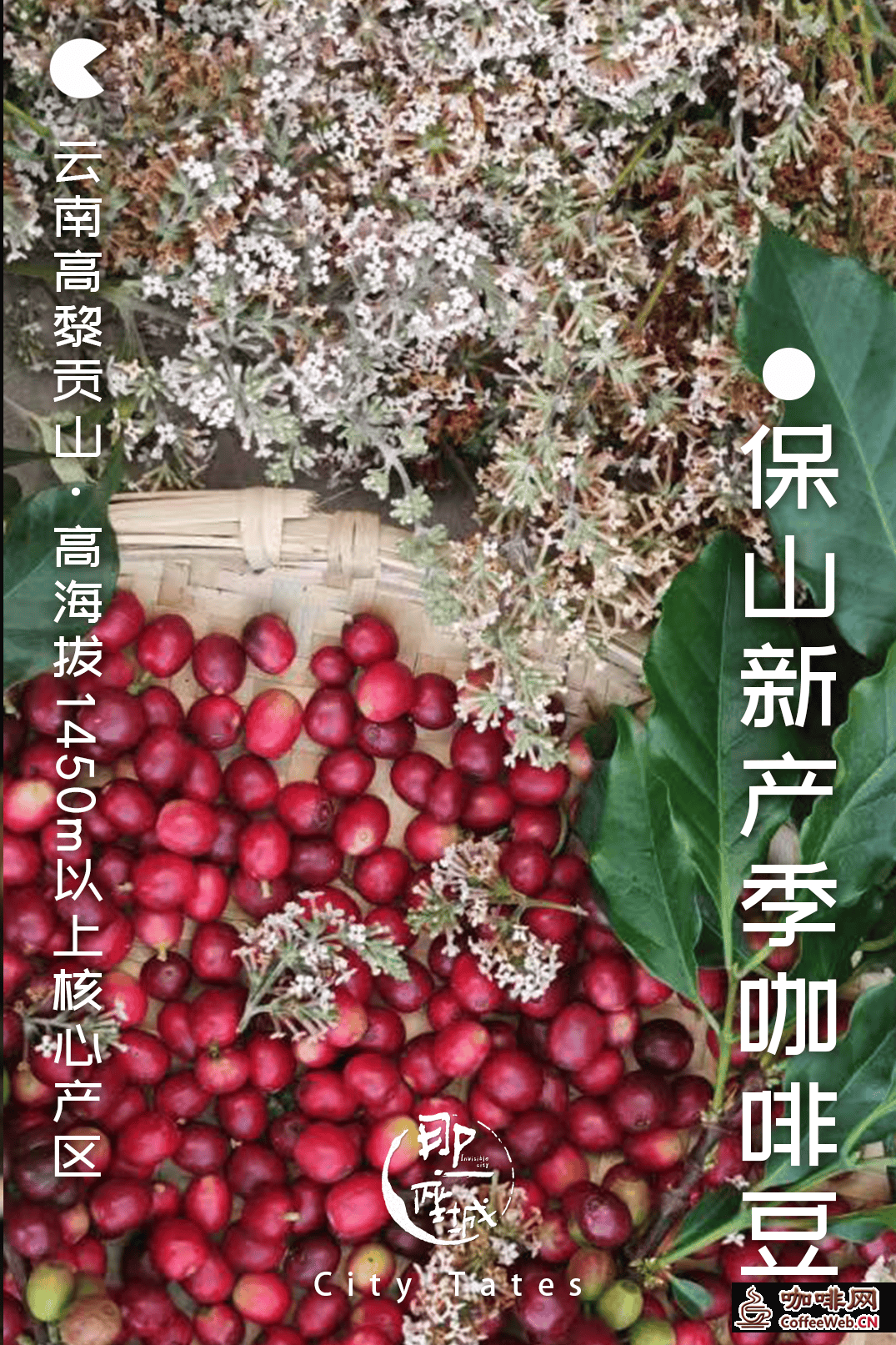
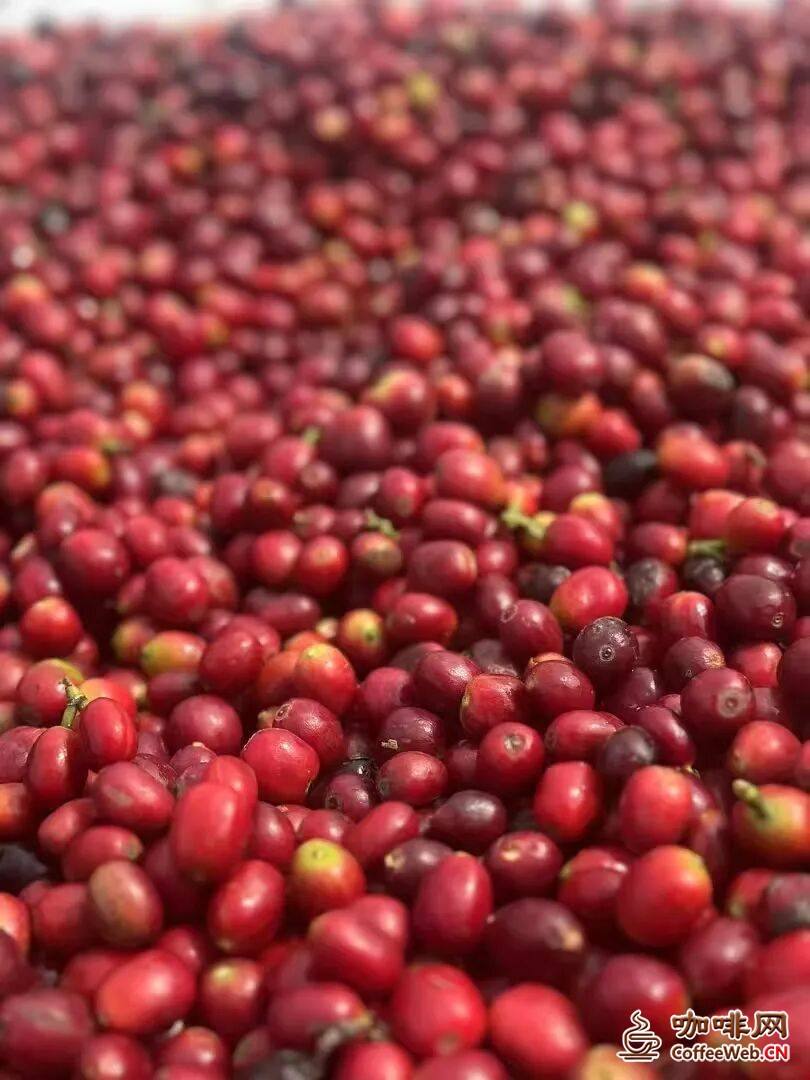
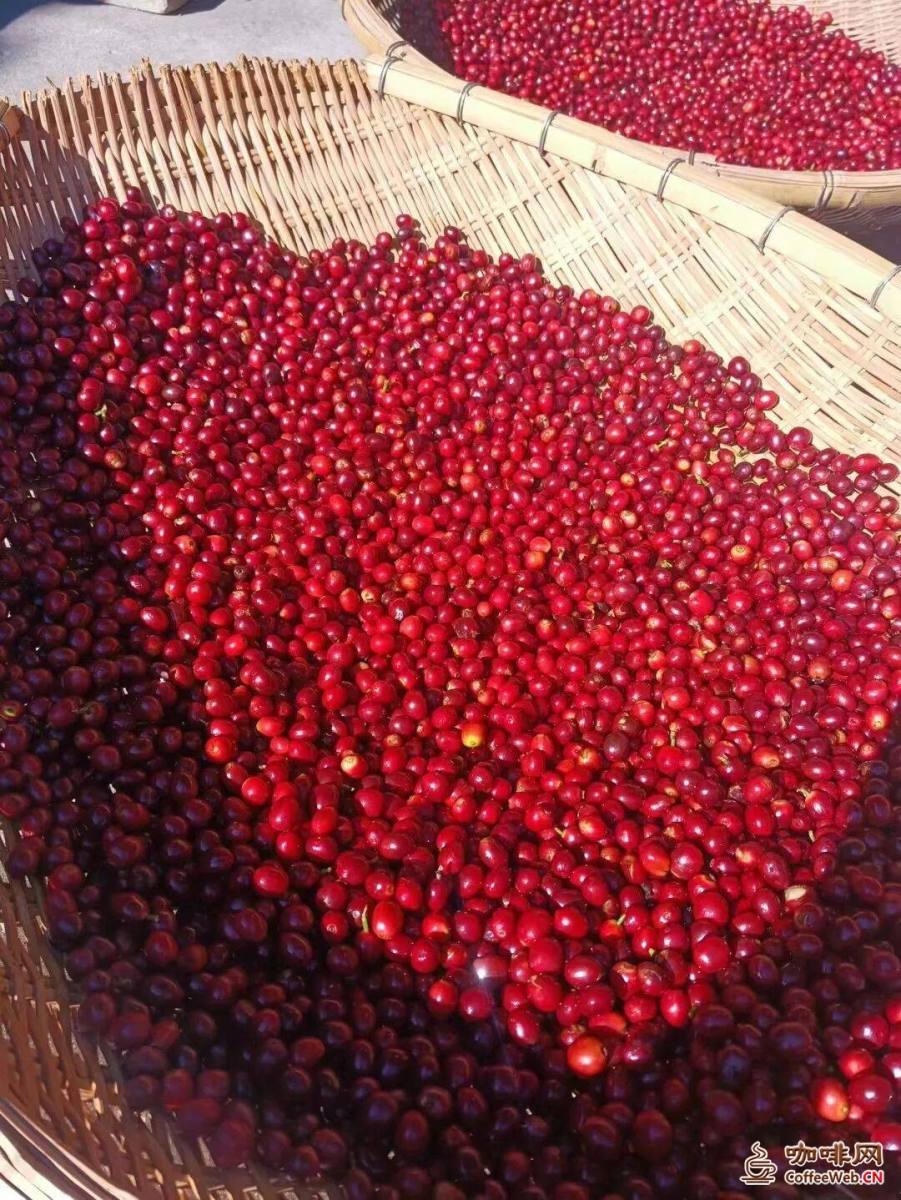
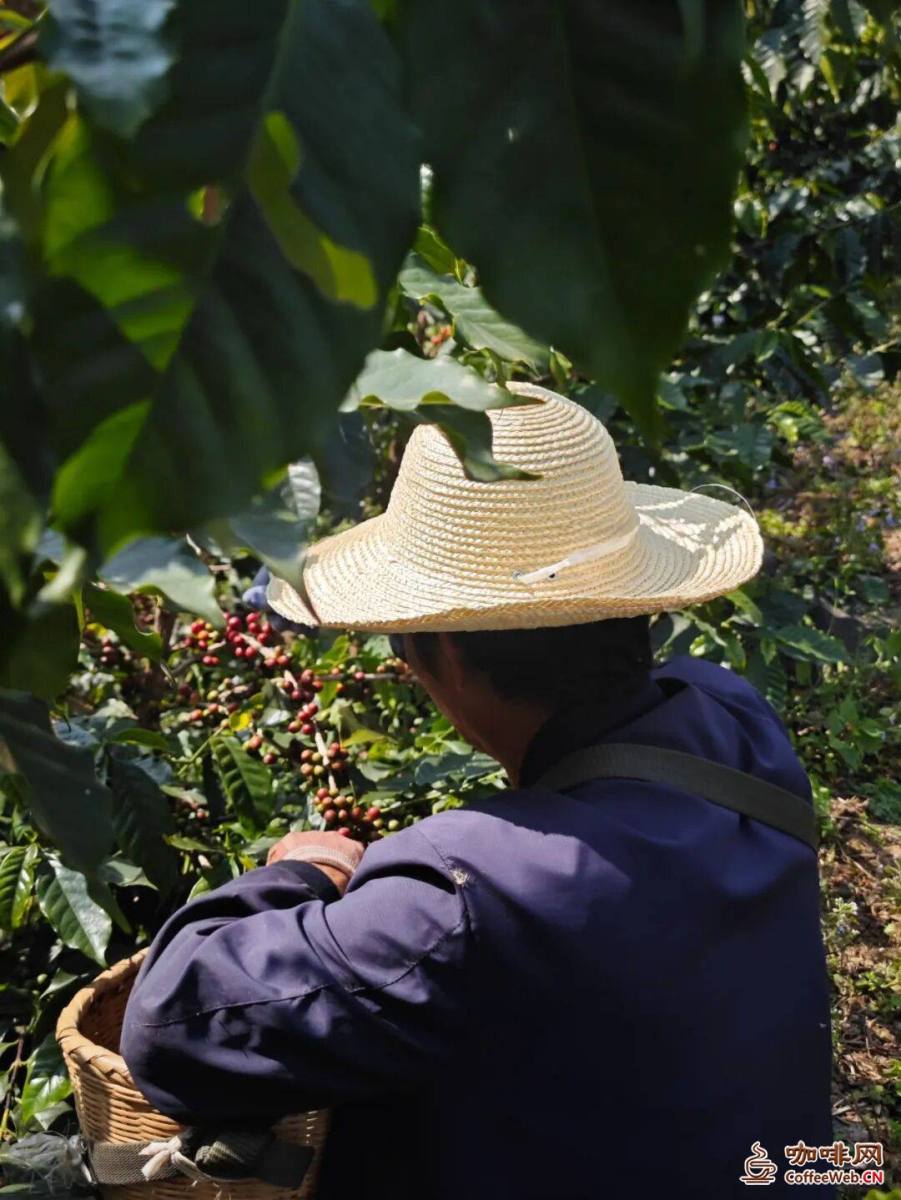
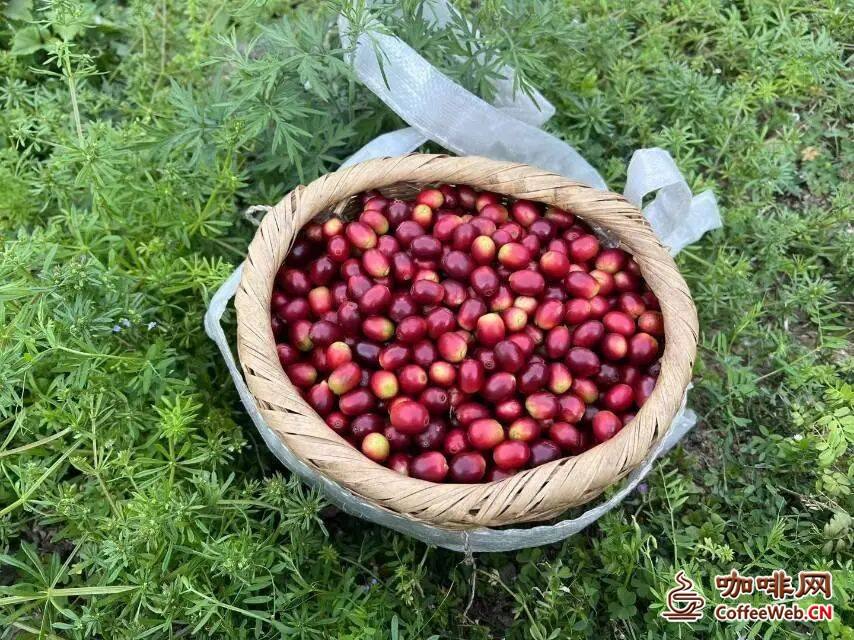
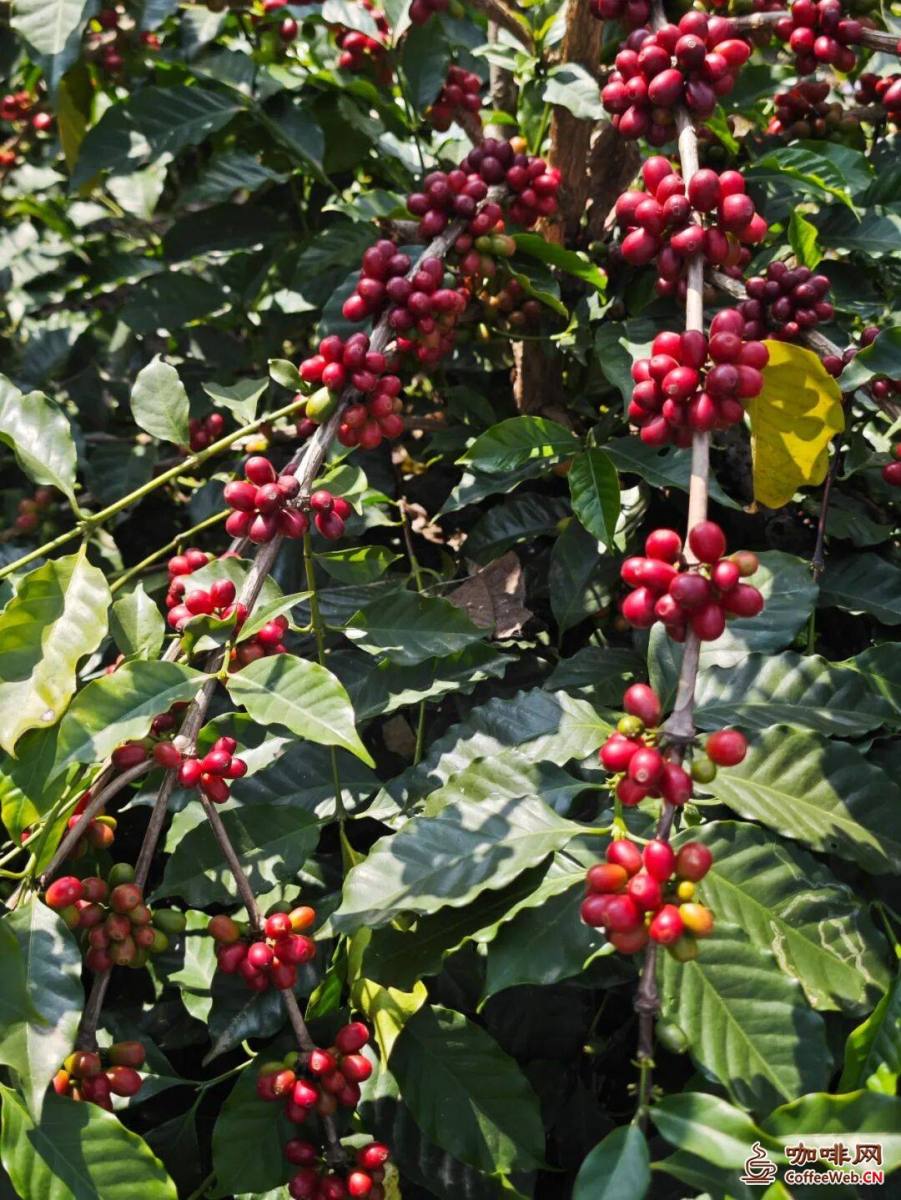
The coffee garden I bought 5 years ago has reached its best ripening season for its fruits.
How good is the best coffee?
As a severe coffee addict, the biggest fear is that the coffee brewed is too sour or too shallow.
And coffee from Gaoligong Mountain is already the top 3 in my heart.
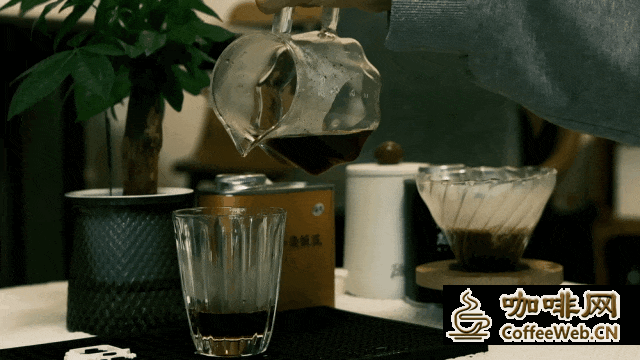
Look, this is my daily routine every morning.
Gaoligong's coffee is really delicious.
For this reason, I had previously analyzed with Teacher Wei the origin and reasons for the best coffee in China.
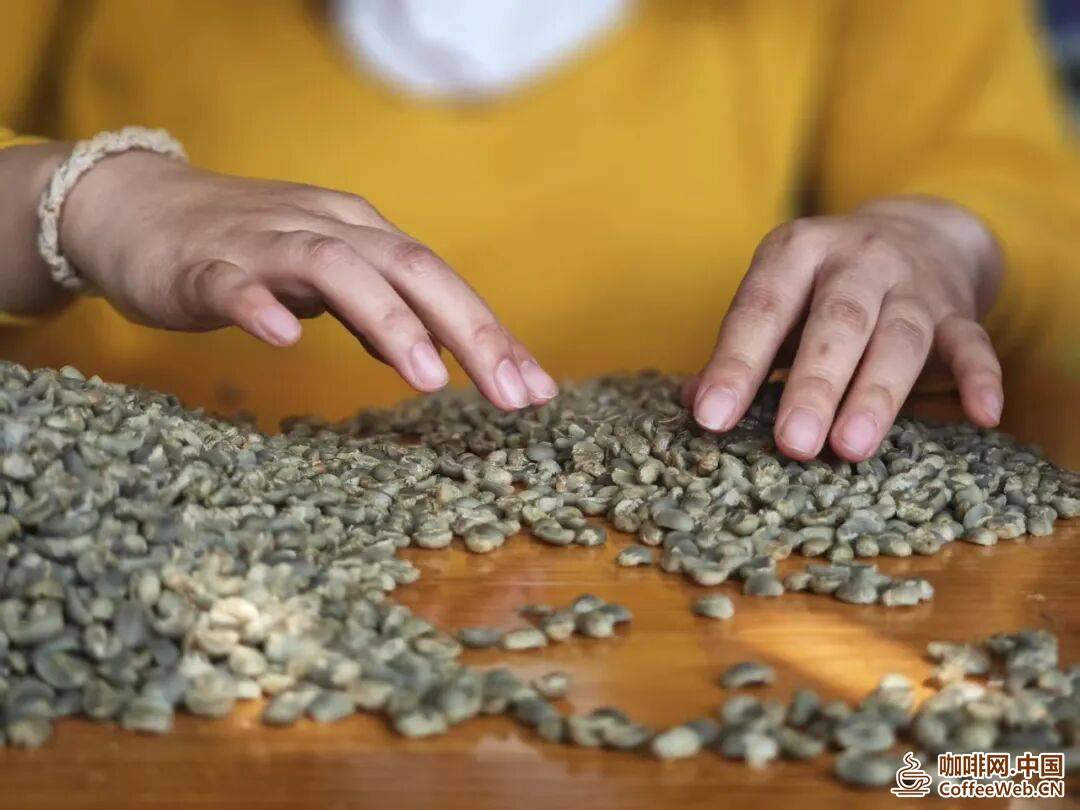
The coffee planted by Teacher Wei is called "Tie Pi Ka" by the local people in Yunnan. It is an old variety of coffee with a tree age of over 8 years.
The name comes from the English word 'typica', which means a typical small grain Arabica coffee.
Unlike the "Yunnan Small Grain Coffee" Cardim, which has a bitter taste and is a hybrid of medium and small grain coffee brought by overseas capital such as Nestle after the reform and opening up.
Iron sheet cards originated from a variety introduced to China by missionaries at the beginning of the 20th century,
It has low yield and is difficult to manage in the field, but it has a classical, mellow and sweet taste (according to personal testing).
Hanging ear coffee is truly a great invention——
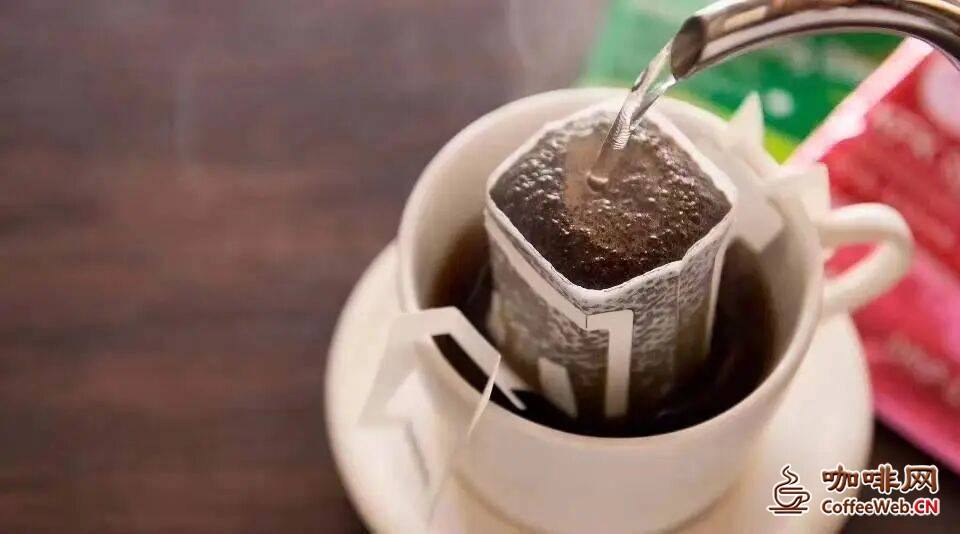
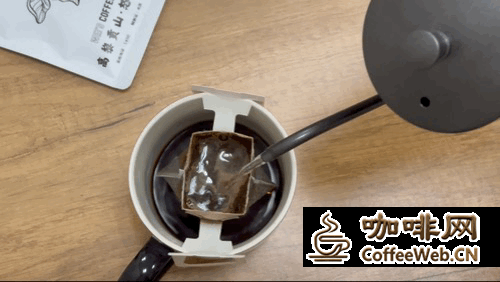
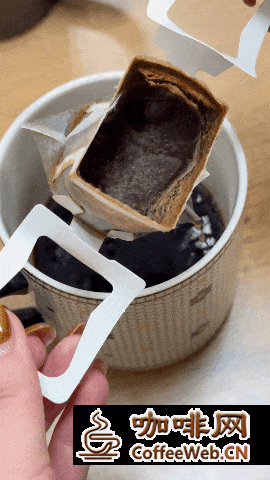
Simple and portable, when time is tight, in less than three minutes, the rich and mellow Gaoligong coffee is ready.
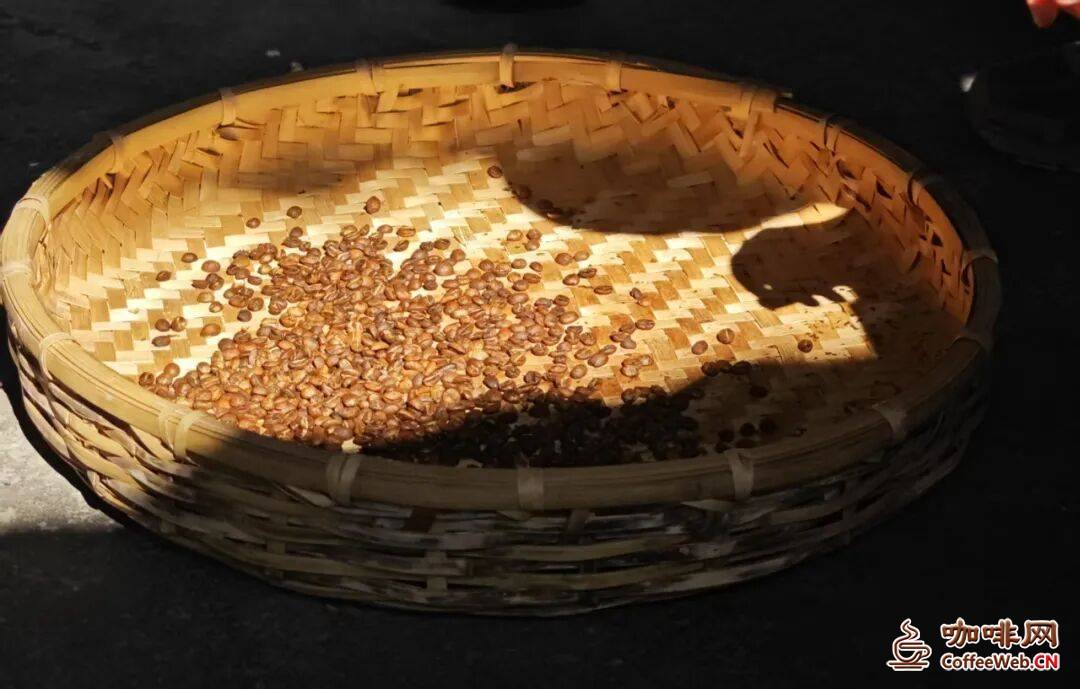
Iron skinned cardbeans themselves are rich in nuts, with a chocolate aroma and a balanced sweet and sour taste, almost without bitterness.
The price is slightly higher than regular blended beans, but the taste is not just good.