



Anything can exist for a long time due to its value. The same applies to coffee for humans.
Coffee has become one of the three major beverages in the world, with its name derived from the Greek word "Kaweh" representing "passion and power", later also known as "kaffa", and finally evolving into the English word for "Coffee". In 1915, "coffee" officially appeared in the "Chinese Dictionary" for the first time, defined as: coffee, a Western beverage such as Chinese tea, English Coffee.
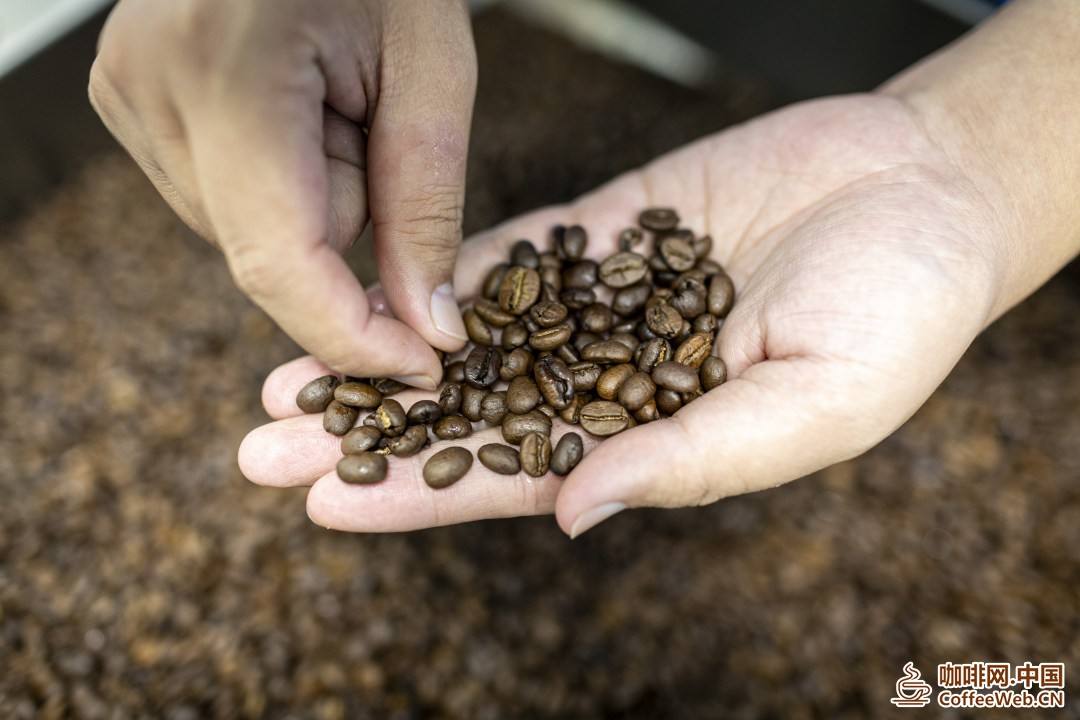
According to records, coffee originated in Africa. In the 3rd century AD, the Ethiopian people discovered that the nuts in coffee trees could invigorate the mind. Later, people gradually became popular for chewing coffee beans to relieve fatigue and improve work efficiency.
In the 6th century AD, coffee spread to Yemen and the Arabian Peninsula, and coffee cultivation also began in the Arab region; When their performance is not fully understood, some people use dried coffee beans and boiled water as stomach medicine, while others drink "coffee water" when they need to work late at night to stay awake. Some people grind coffee beans and mix them with animal fat and dry them to make meatballs and dry food to replenish energy during travel or war.
Starting from the 13th century, with the development of trade, coffee was sporadically introduced from Arabia to Europe.
By the end of the 15th century, after the great geographical discoveries, the opportunities for coffee to enter Europe gradually increased but had not yet formed a scale; Until the mid-17th century, coffee was transported on a large scale to various European countries via the Cape of Good Hope route.
In 1640, Venice began selling coffee; After 1644, coffee was sold in Marseille and Paris in France; In 1645, the first coffee shop in Europe appeared in Venice; In 1650, the first coffee shop in England appeared in Oxford.
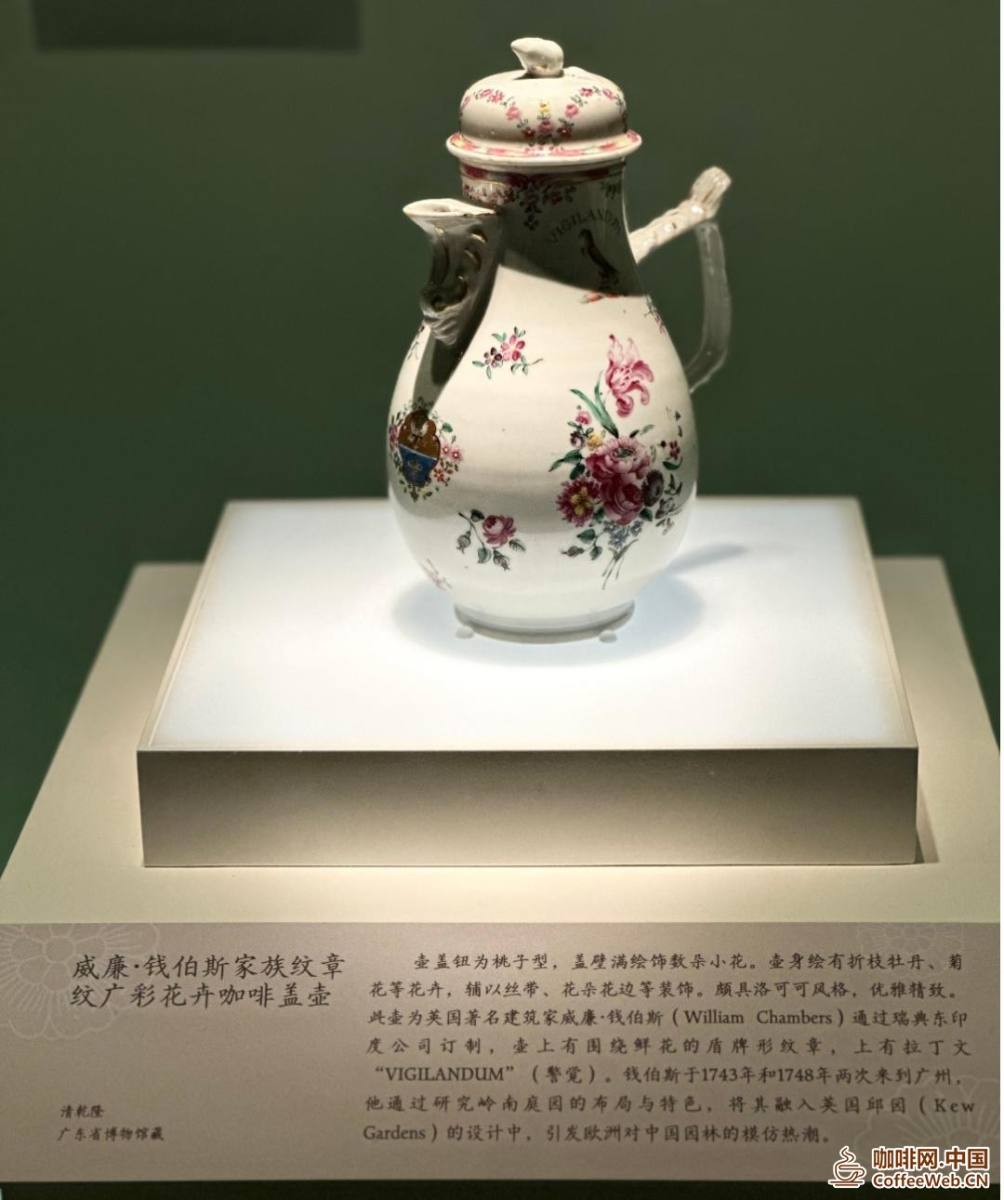
The custom-made coffee pot that drifted across the sea from Guangzhou in the 18th century, customized by architect William Chambers through the Swedish East India Company, is a precious physical evidence of the deep cultural exchange between China and the West at that time.
Coffee was mainly introduced to China in the late Qing Dynasty, first through commercial ports, and later introduced for cultivation by missionaries, overseas Chinese, and merchants.
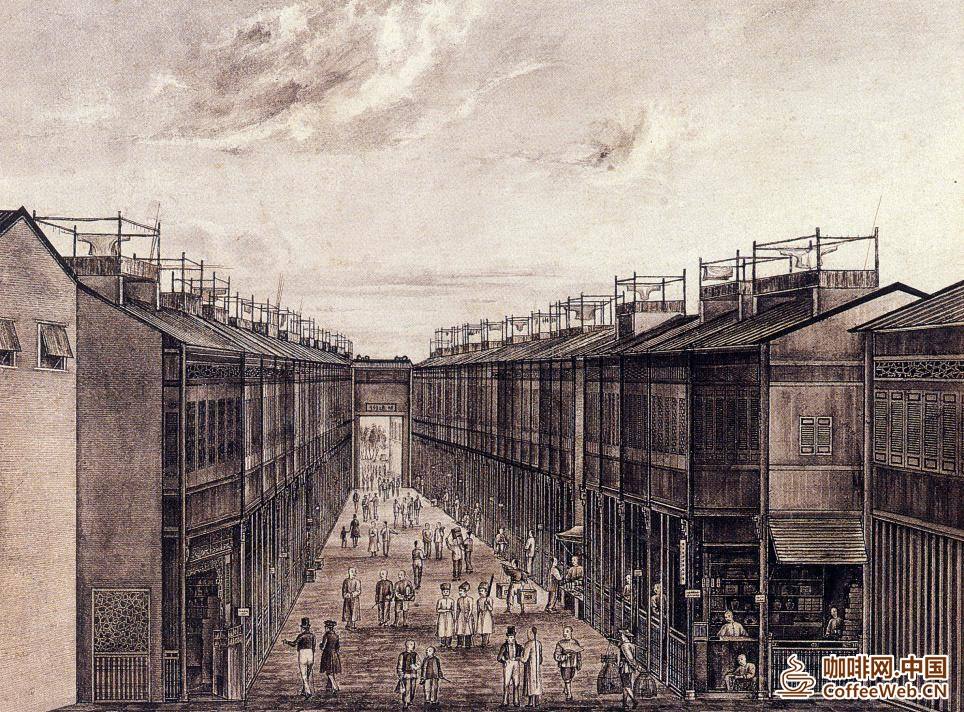
Around 1836, a Danish man opened China's first coffee shop near Shisanhang in Guangzhou.
In 1844, coffee appeared in Shanghai, the second year of its opening, and then became popular among Chinese people in the early 20th century. The name of coffee has also undergone an evolution from "black wine", "high bread", "high fat" to the name "coffee" influenced by Japanese terminology.
In 1915, "coffee" officially appeared in the "Chinese Dictionary" for the first time, defined as: coffee, a Western beverage such as Chinese tea, English Coffee.
The Thirteen Factories Jingyuan Street in Guangzhou, a famous export painting of the Qing Dynasty. Data chart
With the development of society, coffee has become one of the three major beverages of humanity, and the coffee industry has also undergone significant expansion. In 1882, the first international coffee exchange opened in New York, and by the early 20th century, the United States had become the world's largest coffee consumer market, with Latin America becoming the center of coffee production worldwide. Today, Latin America, along with Africa and Asia, remains the main producer of coffee worldwide.
As humans enter modern society, the value and role of coffee in human society have become increasingly prominent, and it has become an indispensable beverage in the daily lives of more and more people.
This is mainly because caffeine in coffee stimulates the central nervous system by blocking adenosine receptors, which can stimulate the central nervous system and cerebral cortex. While improving concentration, it can also increase sensitivity and relieve fatigue; In addition, caffeine indirectly promotes dopamine secretion, allowing people to experience more pleasure in a short period of time. It can be said that coffee is the "heavenly drink" for professionals. Moreover, as long as a person's health condition is normal, coffee can also improve their metabolism, and the chlorogenic acid and polyphenols contained in coffee are also beneficial for "antioxidant" properties.
The advantages of coffee, such as the increasing diversity of coffee tree species, diverse flavors, advanced extraction and production equipment, and the proliferation of various styles of coffee shops, make coffee and human society, especially urban life, a seamless and inseparable link.
However, from another perspective, the existence of coffee is also a kind of "test" for people, and self-discipline and moderation are the sizes to test whether people can meet this challenge. People with underlying diseases or special physical conditions should not drink or consume coffee excessively; Others should also avoid long-term excessive consumption of coffee, as it may trigger cardiovascular disease or cause calcium deficiency; People with anxiety or insomnia should also drink or choose coffee carefully
Pu Chunyang, a member of the Traditional Chinese Medicine Endocrinology Branch of Guangdong Medical Association and deputy director of the Department of Preventive Medicine at Zhuhai Integrated Traditional Chinese and Western Medicine Hospital, suggests that ordinary people should drink coffee in moderation, especially not on an empty stomach; Try to drink in the morning and afternoon, and avoid drinking in the evening or before bedtime to avoid affecting sleep quality. He said, 'Long term moderate coffee consumption has a certain preventive and protective effect on metabolism and some chronic diseases, and can also soothe emotions and alleviate mild stress and anxiety.'.
Dr. Pu emphasized that some people, such as those with insomnia, sleep disorders, and neurasthenia, are advised not to drink coffee until their physical condition improves; For patients with stomach diseases such as gastritis, gastric ulcers, gastroesophageal reflux, and those who frequently experience acid reflux and heartburn, coffee can stimulate gastric acid secretion and exacerbate discomfort; Cardiovascular sensitive population; Pregnant and lactating women; Children and adolescents are not recommended to drink coffee as their nervous system is still developing. In summary, "choosing the right time, controlling the amount, drinking light, and distinguishing one's constitution when drinking coffee can make it taste good without harming the body; for those who do not understand their own constitution and have underlying chronic diseases, try to avoid and clarify it as much as possible.
It can be said that coffee adds color to daily life, while also reminding us that 'there is a limit to everything, too much is not enough'.
The Guangzhou Coffee Culture Season will shine during the May Day holiday. May we bring our appreciation and longing for coffee to the Tianhe Sports Center in Guangzhou to personally experience the "unusual" aspects of various types of coffee. At the same time, we look forward to experiencing the same and different flavors in over 8000 coffee shops throughout Guangzhou, and savoring the history of coffee from "Kaweh" to Coffee.
Guangzhou Daily launches new media
Original column of "Guangzhou Notes"
Meet everyone at least once a week
Click on the image below to enter the column
Overall planning/Long Chengliu, Shi Yong
Article/Guangzhou Daily Xinhua City Reporter: Lan Lantu/Guangzhou Daily Xinhua City Reporter: Chen Youzi, Zhang Zuoyi, Su Junjie (except for signature) Guangzhou Daily Xinhua City Editor: Zhao Xiaoman