
A coffee tree takes about three years from planting to fruiting. In these three years, coffee farmers have had almost no income – this is a real problem that has long constrained the expansion of Yunnan's premium coffee planting area.
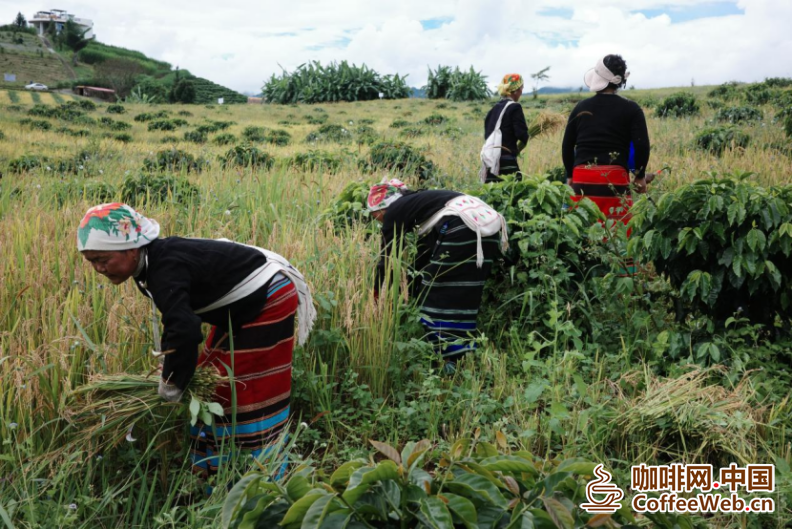
Recently, a planting experiment called "coffee rice symbiosis" is underway in Cangyuan Va Autonomous County, Lincang City, Yunnan Province: coffee and upland rice grow simultaneously on the same plot of land. Rice fills the income gap before coffee fruiting, and the harvested rice stubble is returned to the field as green manure to nourish the soil. Over the past year, the area of local coffee rice intercropping has increased from the initial 34 acres of experimental fields to over 1120 acres.
This experiment was initiated by the Chinese boutique coffee brand Grid Coffee in collaboration with local Yunnan estates and agricultural colleges in early 2026. Through it, we can observe a section of Yunnan coffee, a traditional "low-priced raw material production area", exploring towards refinement and sustainability.
A test field: allowing coffee farmers to earn income while waiting for coffee to bear fruit for three years
The experimental field is located on the Tiankeng plot of Cangyuan Qiupo Manor. The local area adopts the "coffee rice intercropping" method, planting upland rice between rows of coffee trees.
According to Sai Min, the person in charge of Qiupo Manor who participated in the project, this model brings considerable income growth: in the first two years before the coffee fruit is harvested, only rice (expected to yield 350 to 400 kilograms per mu, with a market price of about 6 yuan/kg) can make coffee farmers' income equal to that of single planting sugarcane and more than twice that of single planting corn; After the coffee matures in the third year, the combined income from coffee and rice is expected to reach about 4800 yuan per mu, which is more than twice as much as planting sugarcane alone and about five times as much as planting corn alone.
The initiator of the project stated that only when the income of growers is improved, will more farmers be willing to join. The real increase in income is the direct reason for the rapid expansion of the intercropping area in just over a year, and it has also allowed the local planting scale of specialty coffee to truly expand.
In addition to benefits, this model also takes into account soil conservation. After the rice is harvested, the rice stubble remains in the soil as green manure, returning nutrients to the soil, which in turn feeds back the flavor of coffee, forming a positive cycle. The project initiator summarized the idea of "land, coffee, and people nourishing each other" as "symbiosis".
Collaboration between schools and enterprises and post disaster replanting: an open trial that has been continuously tracked
This experiment is jointly promoted by Grid Coffee, CoE (Excellence Cup) Yunnan Pilot Competition Champion Zhuang Yuan Qiu Po Manor, and Yunnan Agricultural University.
According to the project party's disclosure, in the face of losses caused by frost in 2025, 43890 coffee seedlings have been replanted in 2026, completing the restoration of all affected areas. The project adopts an open record approach, synchronously disclosing farm records, observation logs, samples, and phased results, so that the process can be tracked.
According to the plan, the experiment will enter the second year of expansion phase. The project team admitted that the results of the first year are still phased, and the stability of the intercropping mode and the impact of different processing techniques on flavor still need to be further verified in subsequent planting seasons.
From origin to cup: Exploration of Yunnan coffee's refinement
Yunnan is a major coffee producing area in China, which has entered the market in the form of raw beans for a long time. The stereotype of "low price, unfashionable" has plagued this industry. In recent years, with the introduction of refined processing techniques and the subdivision of production areas, Yunnan coffee is being re recognized in the context of world specialty coffee.
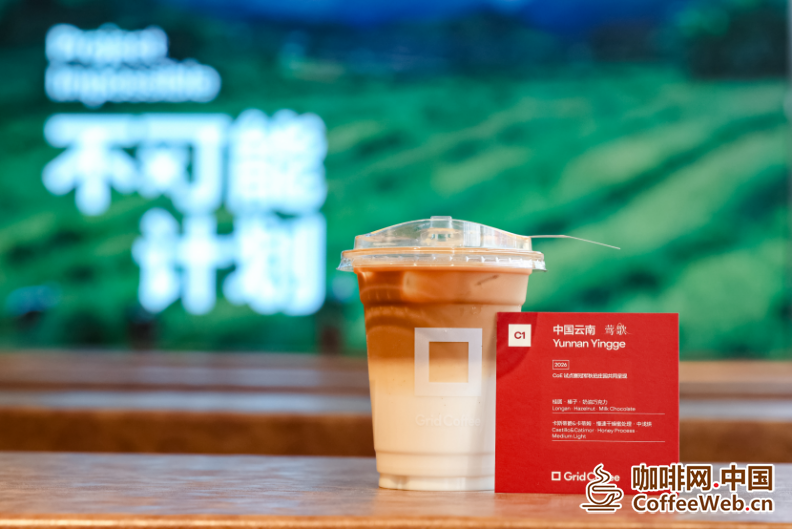
In addition to this experiment, the participating brands also presented flavor explorations from multiple high-quality production areas in Yunnan in the form of products, covering Lincang, Nujiang, Dehong and other places. Border production areas represented by Nujiang Lushui Yunman Manor and Dehong Mangshi Julong Manor present clean flavor characteristics that differ from the previous Yunnan bean "fermentation sensation" through refined processes such as water washing and honey treatment. Among them, the coffee grown in the "selenium rich soil" around Gaoligong Mountain in Nujiang is an example of exploring differentiated planting in the local area.
The upland rice produced from the coffee rice intercropping experimental field has also been used to develop a plant-based milk beverage based on rice, attempting to extend the agricultural experimental results from the production area to the consumer end. Due to its use of rice as raw material, this beverage is gluten free and free of soy allergens, and can also be consumed by vegetarians.
Exhibition: Moving the Origin into the City
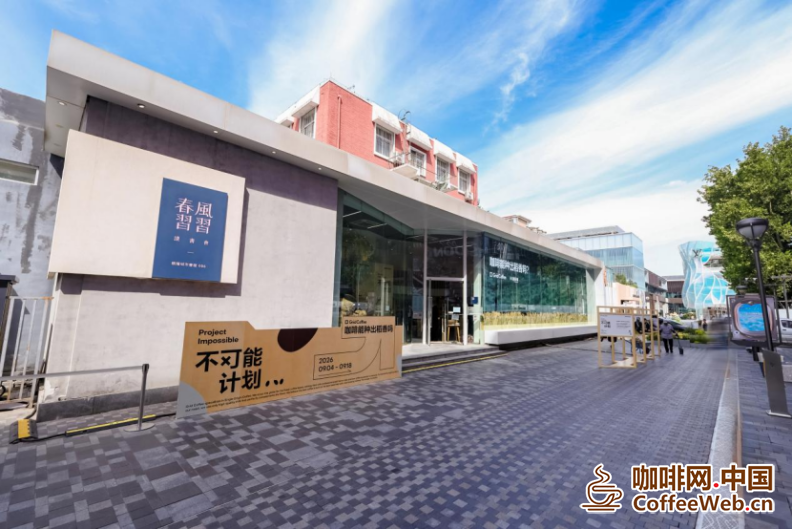
From September 5th to 18th, 2026, which marks the end of the first year of the experiment, the project team held an offline exhibition of the same name at the Chunfeng Xixi Bookstore in Sanlitun, Beijing. The exhibition features an archive style display that categorizes farm records, images, observation logs, and interim achievements, and is open to the public. Outside of the exhibition, the seventh issue of the brand's annual origin themed publication "Chasing Goats" (Yunnan theme) will be released simultaneously.
From the initial 34 acres to over 1120 acres today, this experimental field in Cangyuan, Yunnan, attempts to answer not only whether coffee can produce rice fragrance, but also how to ensure stable income growth for coffee farmers during the long planting cycle of premium coffee.
As stated in the project theme, the value of Yunnan's coffee industry may lie in this "symbiosis" – the long-term, positive connection re established between land, crops, and people. This answer is still growing.