
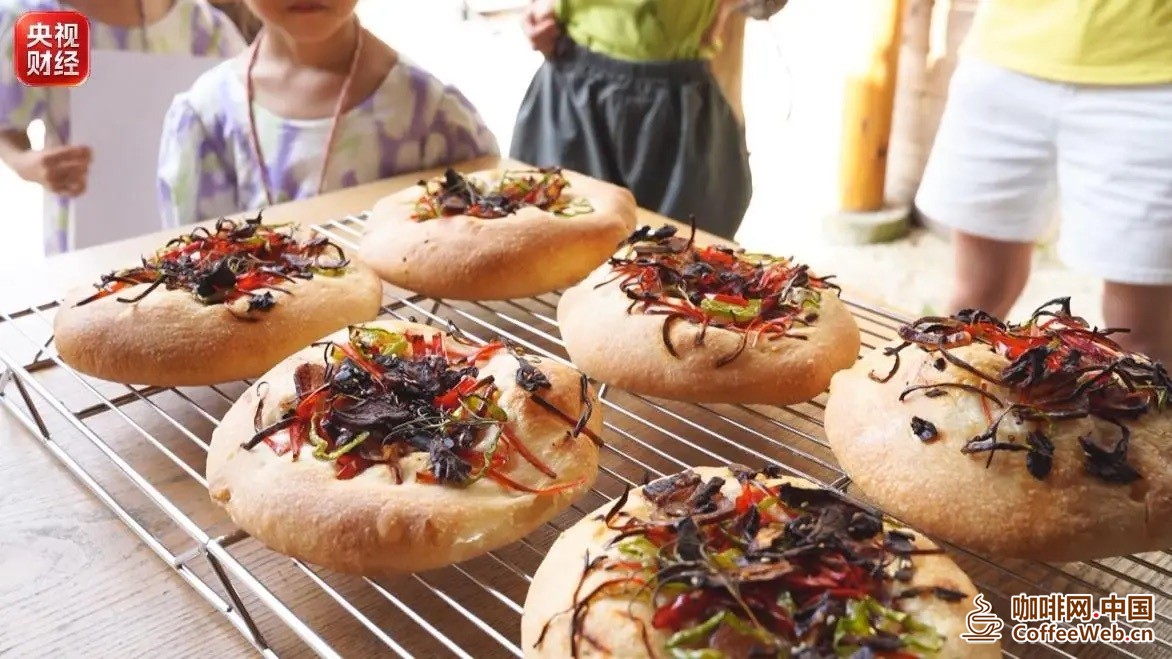
A lychee tree transported thousands of miles from Guangdong and an unremarkable earthen kiln can produce over 300 baked breads in a day, making city dwellers drive for two hours to grab them.
The Economics of Wood Fragrance in Kiln Fire
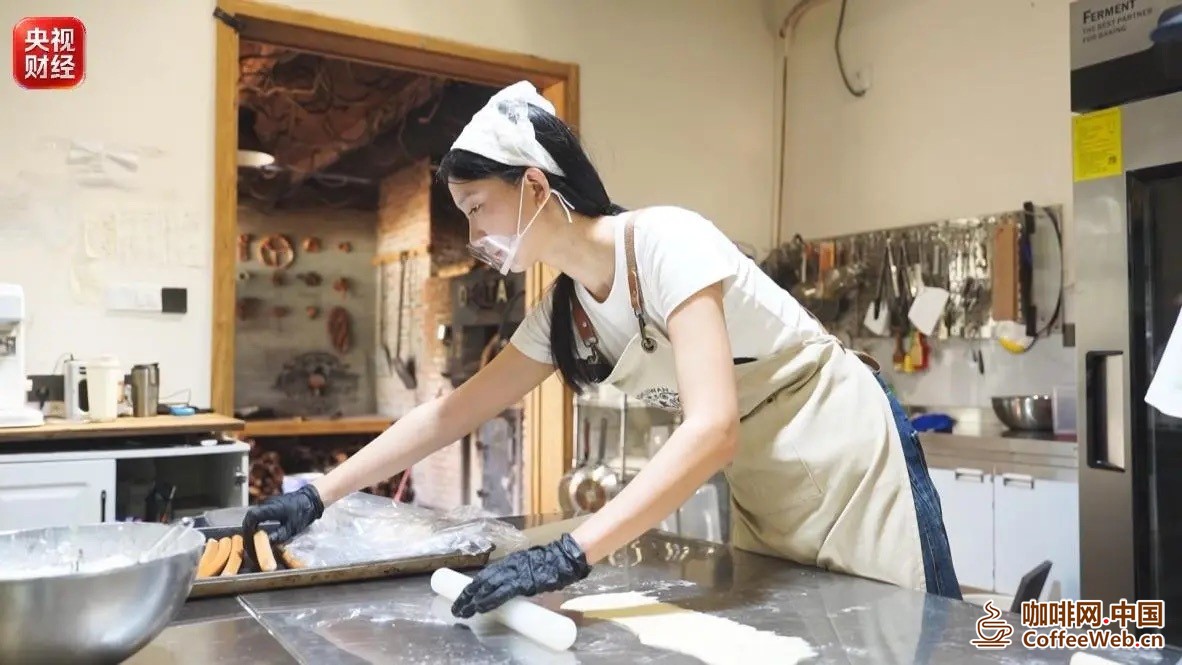
Zhou Xiangyu, 27 years old this year, did not stay in the big city after returning from studying abroad and plunged into the almost undeveloped valley of Huashui Bay in Dayi, Chengdu. The forest coverage here exceeds 95%, and it is so quiet that only bird songs and streams remain. What she wants to do is an experiment about 'temperature'.
The first treasure that Zhou Xiangyu set her sights on was lychee wood from Guangdong. High density, rich in oil, and heat-resistant, the key is that it does not smoke black bread and can also be infused with a unique fruity aroma. In the eyes of others, it is just firewood, but in her case, it is the 'soul fuel' that determines the flavor.
Flour is paired with local eggs, wild honey, and cured meat, and after 72 hours of natural fermentation, cloud toast and black truffle boletus buns are baked from a clay kiln. The price ranges from tens of yuan to over thirty yuan, with the highest daily sales exceeding three hundred. Zhou Xiangyu baked it in the most simple way, becoming a rare experience that urbanites are willing to pay for.
Starting from bread, Zhou Xiangyu recruited industry leaders online and built a "future community" in a valley – a 30000 square meter venue consisting of homestays, restaurants, cafes, cat pastures, robot worlds, and patchwork studios, with an initial investment of only two million yuan. The secret? Use a common original intention to hedge against financial pressure, and replace hard packing with a continuous stream of creativity. Nowadays, the owner of a cat ranch alone can earn nearly 10000 yuan in monthly income.
Cultural Extraction from a Century Old Residence
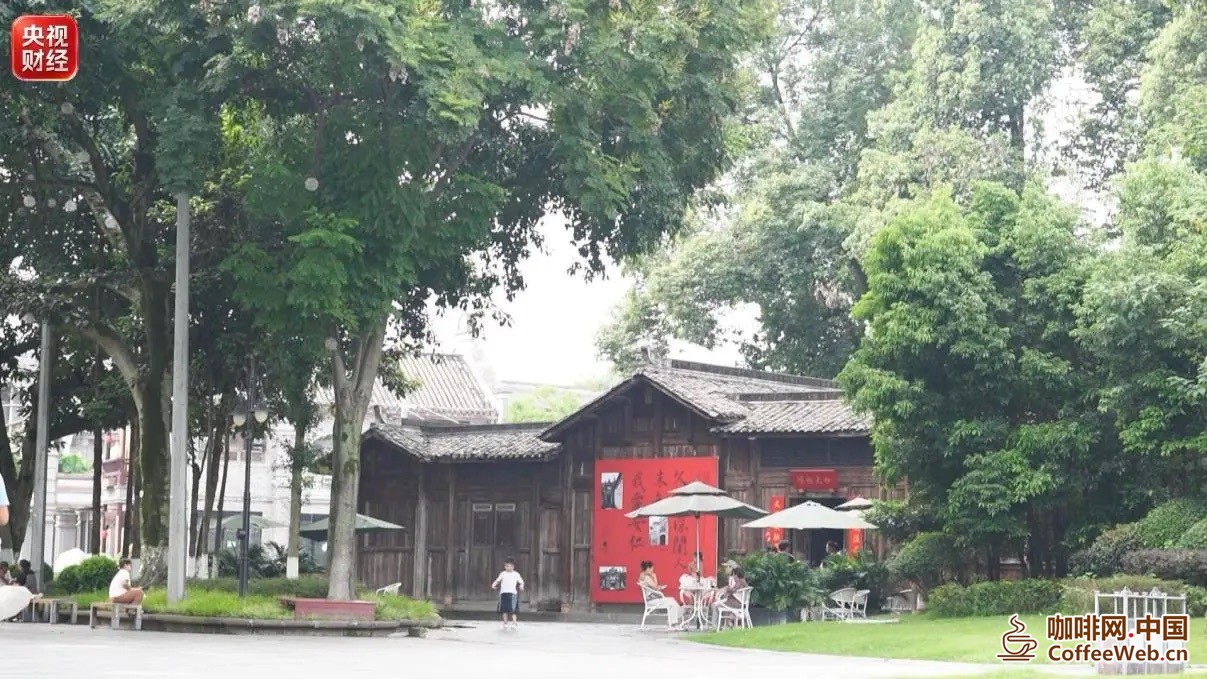
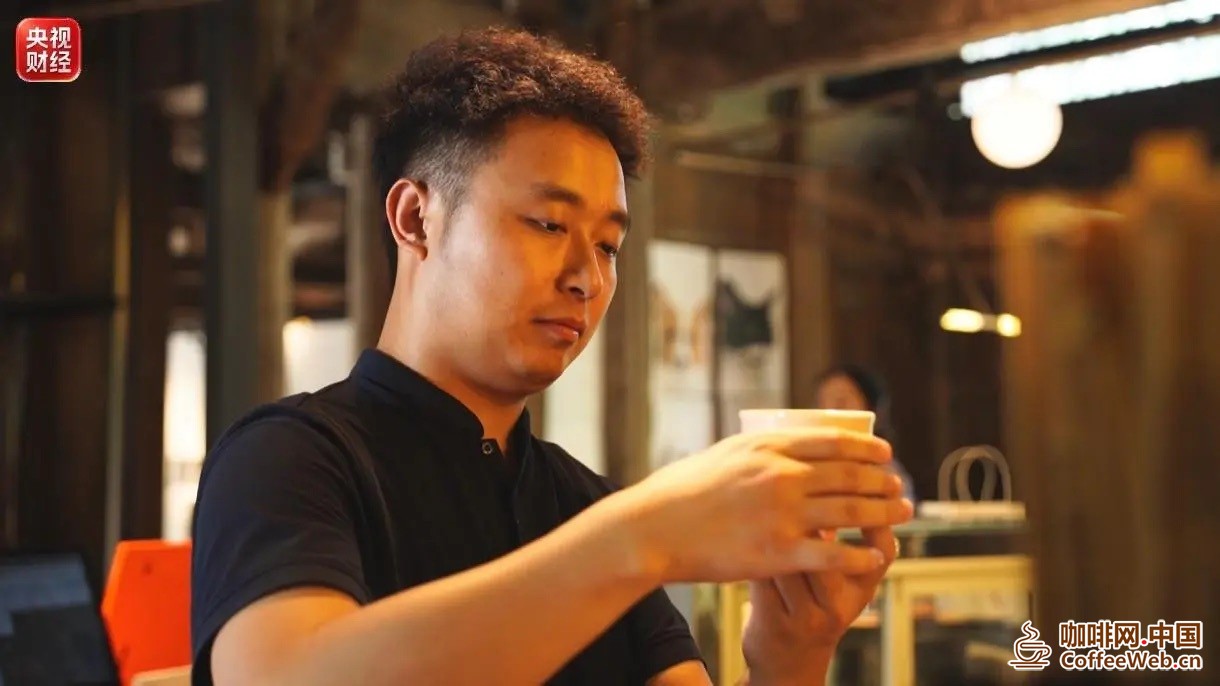
There are still many young people like this in Dayi, Chengdu. In the "Chinese Museum Town" of Anren, Li Feiyang, who had worked in construction projects, returned to his hometown to start a business. At first glance, he fell in love with a century old house that had been relocated from its original appearance in Jiangxi and transformed it into a "Coffee Museum".
The aroma of Western style coffee wafts from a Chinese style wooden house, and this sense of conflict itself has the strongest recognition. Li Feiyang has taken "localization" to the extreme – he discovered that every husband's shop in Anren planted pomelo trees, so he took the opportunity to launch pomelo specialty coffee; Seeing the coffee grounds being discarded, I launched a handmade coffee grounds fragrance brand experience project. From "drinking" coffee to "playing" coffee, a drink worth tens of yuan has been stretched into a cultural immersion, instantly expanding the boundaries of consumption.
The significance of returning is to rediscover the countryside
Two stories, different paths lead to the same destination. Zhou Xiangyu used lychee wood and earthen kilns to make bread a medium that connects urban and rural lifestyles; Li Feiyang uses century old houses and coffee grounds to transform historical heritage into tangible and portable consumer memories.
More hot news reports, authoritative information, and in-depth analysis can be found on the Beijing Daily App
Source: CCTV Finance