
For Taishan, coffee was never an imported fashion trend, but a homesick memory etched into the blood. Taishan people’s bond with coffee goes back over a hundred years. Today we look into Taishan’s coffee past together.
In the Taishan Overseas Chinese Museum, there is a 1906 Hills Bros. tin coffee can, its surface rusty. It was the “foreign gadget” that Dohu overseas Chinese brought back from the United States back then. Now it lies quietly in the display case, silently telling a story of a wanderer’s return home.
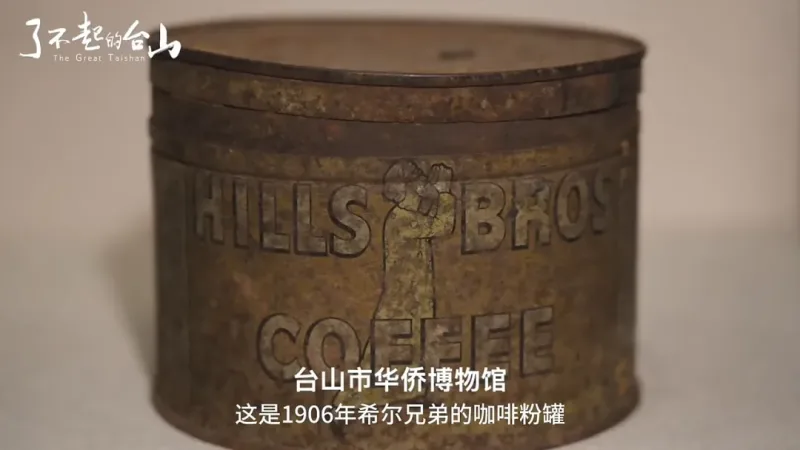
A 1906 Hills Bros. tin coffee can in the Taishan Overseas Chinese Museum
Over a hundred years ago, large numbers of Taishan people bid farewell to their homeland and went far to the Americas and Nanyang to make a living. On foreign soil, coffee was their comfort and reward after labor.
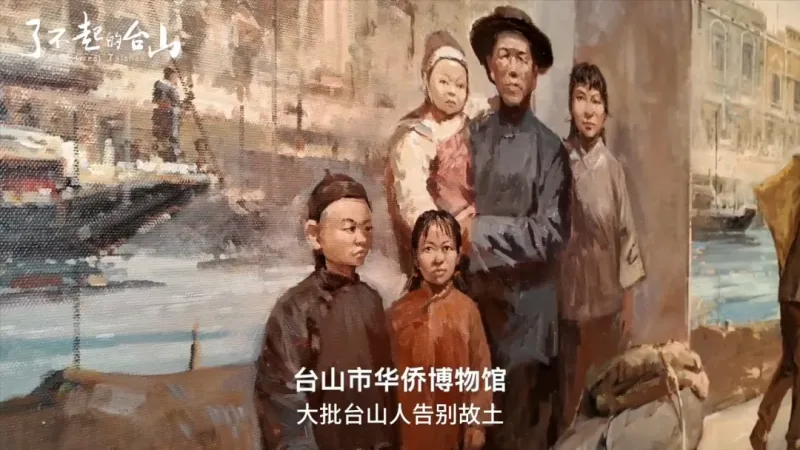
Overseas Chinese brought coffee back from abroad
Whenever the wanderers returned home, besides clothes and money in their “Gold Mountain trunks,” they would always pack coffee powder and beans, together with hand-crank grinders and coffee pots, carrying them across the ocean back to Taishan, becoming the most precious souvenirs.
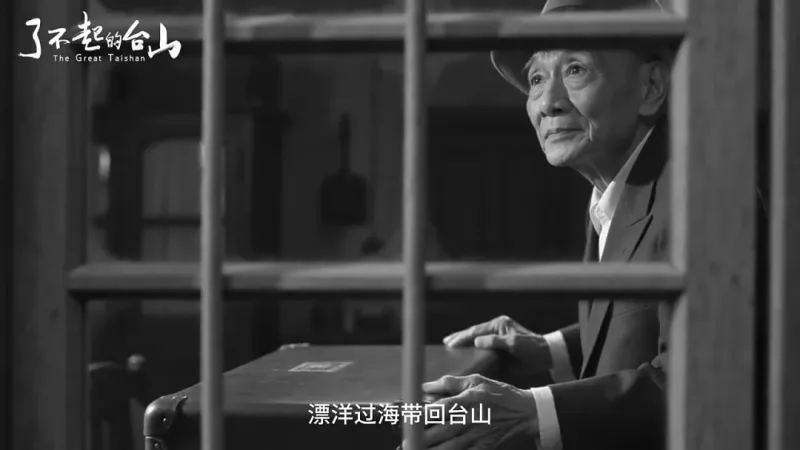
Coffee powder and beans became prized souvenirs
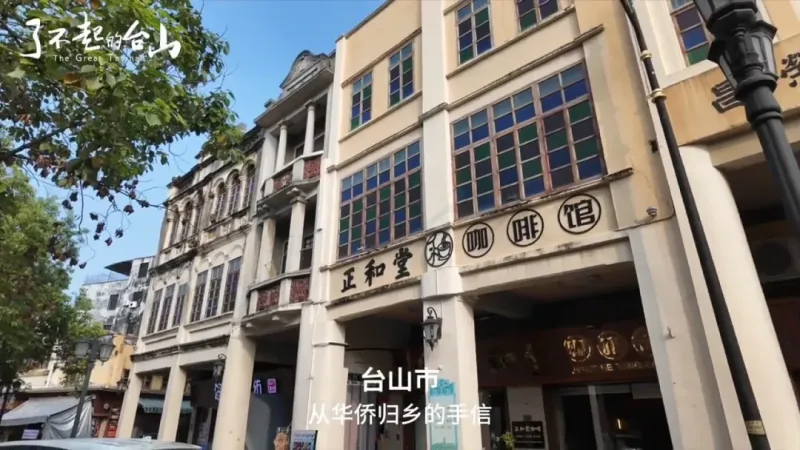
With remittance inflows and the accessibility of the Xinning Railway, coffee quickly became a hit in the hometown of overseas Chinese. In the qiaowu houses and beneath the arcades, its rich aroma could be smelled everywhere. Even empty coffee cans were reluctant to be thrown away — turned into storage jars and coin boxes, accompanying their owners through long nights in the quiet years, and becoming a witness of Chinese and Western lifestyles meeting and blending in the hometown.
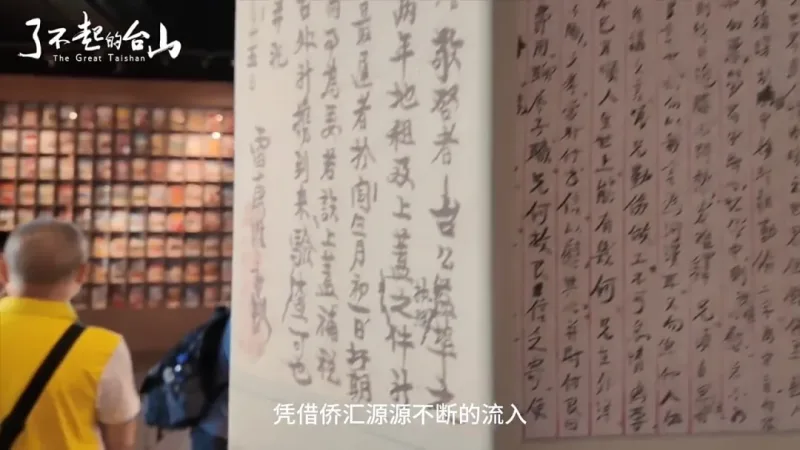
Coffee aroma spread through the qiaowu houses and arcades
From a can of coffee crossing the ocean, to the city now full of aroma; from a souvenir of returning overseas Chinese, to a daily cup for people today — coffee’s bitter-sweet aftertaste is just like the life taste of Taishan overseas Chinese.
A cup of Taishan coffee today
Come to Taishan for a cup of coffee, savor the rich history of the hometown of overseas Chinese, and recharge your days ahead. ☕
Source: Taishan Rongmei (Taishan Media Convergence)
Reprint notice and disclaimer
- This article is edited and compiled by coffeeyo.com. The materials and images herein are sourced from public channels; copyright belongs to the original authors. This site reprints them solely for sharing coffee-industry information and does not represent our stance; all data and opinions are subject to the original. We thank the original authors for their creation and sharing.
- If content authorization, attribution, copyright or other matters are involved, please contact us promptly. We will verify and cooperate in handling them as soon as possible; we also welcome coffee-growing regions, brands and industry media to exchange and contribute articles with us.
- Contact coffeeyo.com: Tel 400-0000-641 (+86-18288016826) | Email 405854472@qq.com | Address: Jinghong City, Xishuangbanna, Yunnan / Tieling City, Liaoning
Reprint Notice & Disclaimer
- This article has been edited and compiled by China Coffee Network. The information and images therein come from public sources and the copyright belongs to the original author. This reprint is intended solely for information sharing within the coffee industry and does not represent the views of this website; all data and opinions are subject to the original article. Our thanks to the original author for creating and sharing it.
- For matters concerning content licensing, attribution, copyright or otherwise, please contact us promptly and we will verify and cooperate in handling them as soon as possible. We also welcome coffee origins, brands and industry media to exchange ideas and contribute articles.
- Contact China Coffee Network: Tel 400-0000-641 (+86-18288016826) | Email 405854472@qq.com | Address: Jinghong, Xishuangbanna, Yunnan Province / Tieling, Liaoning Province
Related Reading
 How ‘Sea-Flavored’ Coffee Blooms Across Dongtou
- Health Guide: How to Enjoy Your Coffee the Healthy Way
 Study: Regular Coffee and Tea May Lower Dementia Risk, but More Is Not Better
 Frontline Story: A ‘Mobile City Coffee Bar’ Arrives by the Grand Canal
 Yantai’s Wind Tastes of Coffee
 In Zhenyuan, a Cup of Coffee and a Waiting Train







 Liaoning ICP Security No. 21122402000217