


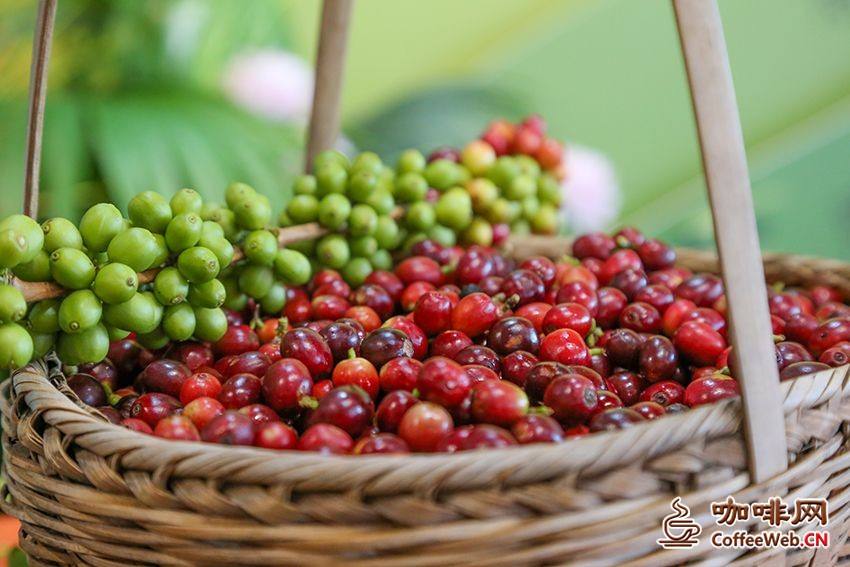
1. Suitable environment (core conditions in Yunnan)
Altitude: 800-1200 meters is optimal, 600-1800 meters can be planted
Temperature: Annual average of 18-22 ℃, no frost; The large temperature difference between day and night is conducive to flavor accumulation
Precipitation: 1000-2000mm per year, rainy season matches growth period
Soil: loose and deep, well drained; pH 5.5–6.5; Brick red soil/red soil/yellow soil/sandy soil, soil layer ≥ 60cm
Terrain: calm and gentle slope (≤ 20 °), flat ground, avoid water accumulation
2. Variety selection (mainstream in Yunnan)
Catimor: Mainly planted, resistant to disease, high-yielding, and easy to manage
Tiepika, Bobang, Kadura: premium beans with excellent flavor but weak disease resistance
Yunka Series (Yunka 1/2): Independently selected, refined, and high-yielding
3. Seedling cultivation technology
Selection: Healthy mother tree over 3 years old, plump and disease-free fresh fruit, sun dried and shelled
Sprouting: Sow from March to July; Sand bed promotes germination, moisturizes and provides shade
Pseudo planting: Move the cotyledons into a nutrient bag when they are flattened and the true leaves are exposed; Leave 3-4cm anti bending root at the main root
Strong seedling standard: bag seedling height ≥ 30cm, stem thickness ≥ 0.5cm, 1-3 pairs of branches; Ground sowing seedlings with a height of ≥ 40cm
4. Planting and Garden Construction
Land preparation: November to February of the following year; Terraced fields on sloping land, digging drainage ditches
Density: Plant spacing of 1.2 × 2m to 1.3 × 2m, approximately 4000 plants per hectare
Planting: rainy season (May July); Apply organic fertilizer and phosphorus fertilizer through holes; Seedlings with soil clumps, depth equal to the original soil marks, compacted and watered
Shade: Young trees provide 40% -50% shade; Result tree 30% -40%; Planting shade trees such as Acacia and other leguminous trees (about 120 plants/hectare)
5. Field management
1. Water and fertilizer management
apply fertilizer:
Bottom fertilizer: organic fertilizer ≥ 30 tons/hectare+phosphate fertilizer
Young trees: Apply thin fertilizer frequently, with nitrogen as the main source
Result tree: Apply fertilizer three times before flowering, young fruit, and after harvesting, with a combination of nitrogen, phosphorus, and potassium
Moisture: Rainy season drainage and flood prevention; Irrigation during the dry season to keep the soil moist
After planting, cover the entire tabletop in winter (15cm thick, 10-15 cm away from the main trunk); Available straw and legume green manure
Cooling and moisturizing, water retention, weed prevention, and organic matter enhancement
3. Plastic surgery and trimming
Young tree: fixed stem of 30-40cm, cultivate 3-4 main branches to form short stem with multiple branches
Result tree: Retract and renew after harvesting, remove weak and overly dense branches, and maintain ventilation and light transmission
4. Weeding and intercropping
Manual/mechanical weeding, avoid damaging roots
Leguminous crops such as peanuts and soybeans can be planted between rows, with nitrogen fixation and mulching
6. Disease and pest control (mainly green)
Diseases: leaf rust, anthracnose; Choose disease resistant varieties, trim them reasonably, and spray Bordeaux mixture/carbendazim during the rainy season
Insect pests: coffee beetle, aphid, scale insect; Physical trapping+biological control, reducing the use of highly toxic pesticides
7. Harvesting and initial processing
Harvesting: Before mid April, manually harvest bright red ripe fruits in batches and multiple times
Initial processing:
Wet Method (Premium): Fresh Fruit → Peeling → Fermentation → Cleaning → Drying/Drying → Peeling → Grading
Dry method: Fresh fruits are dried directly → shelled → graded
Reprint Notice & Disclaimer
- This article has been edited and compiled by China Coffee Network. The information and images therein come from public sources and the copyright belongs to the original author. This reprint is intended solely for information sharing within the coffee industry and does not represent the views of this website; all data and opinions are subject to the original article. Our thanks to the original author for creating and sharing it.
- For matters concerning content licensing, attribution, copyright or otherwise, please contact us promptly and we will verify and cooperate in handling them as soon as possible. We also welcome coffee origins, brands and industry media to exchange ideas and contribute articles.
- Contact China Coffee Network: Tel 400-0000-641 (+86-18288016826) | Email 478203668@qq.com | Address: Jinghong, Xishuangbanna, Yunnan Province / Tieling, Liaoning Province
Related Reading
 Lincang Advances Coffee Industry with Premium Development Strategy: Aroma of Coffee Fills the Path to Revitalization
- Lincang advances coffee industry with premium development approach: aroma of coffee fills the path to revitalization
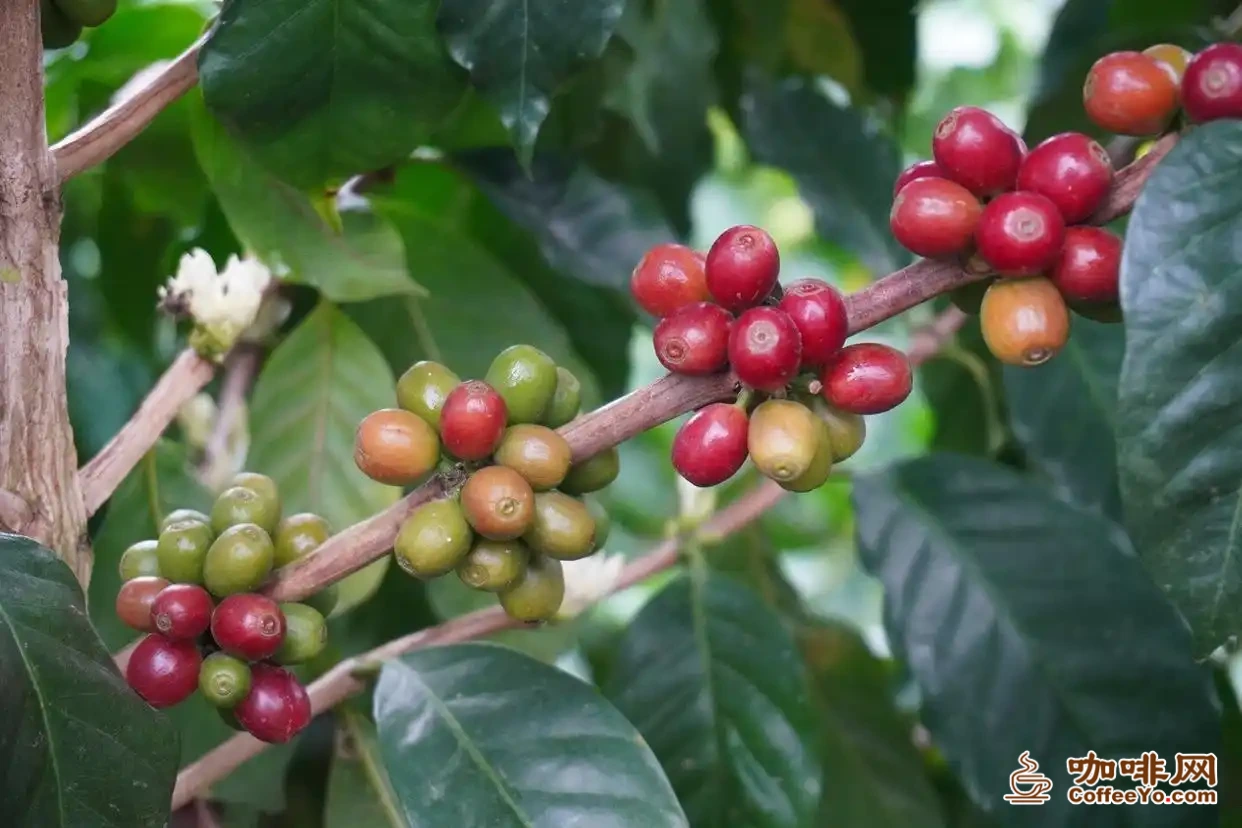 Yunnan Dehong Tropical Agriculture Research Institute promotes shift from conservation to utilization of coffee germplasm resources
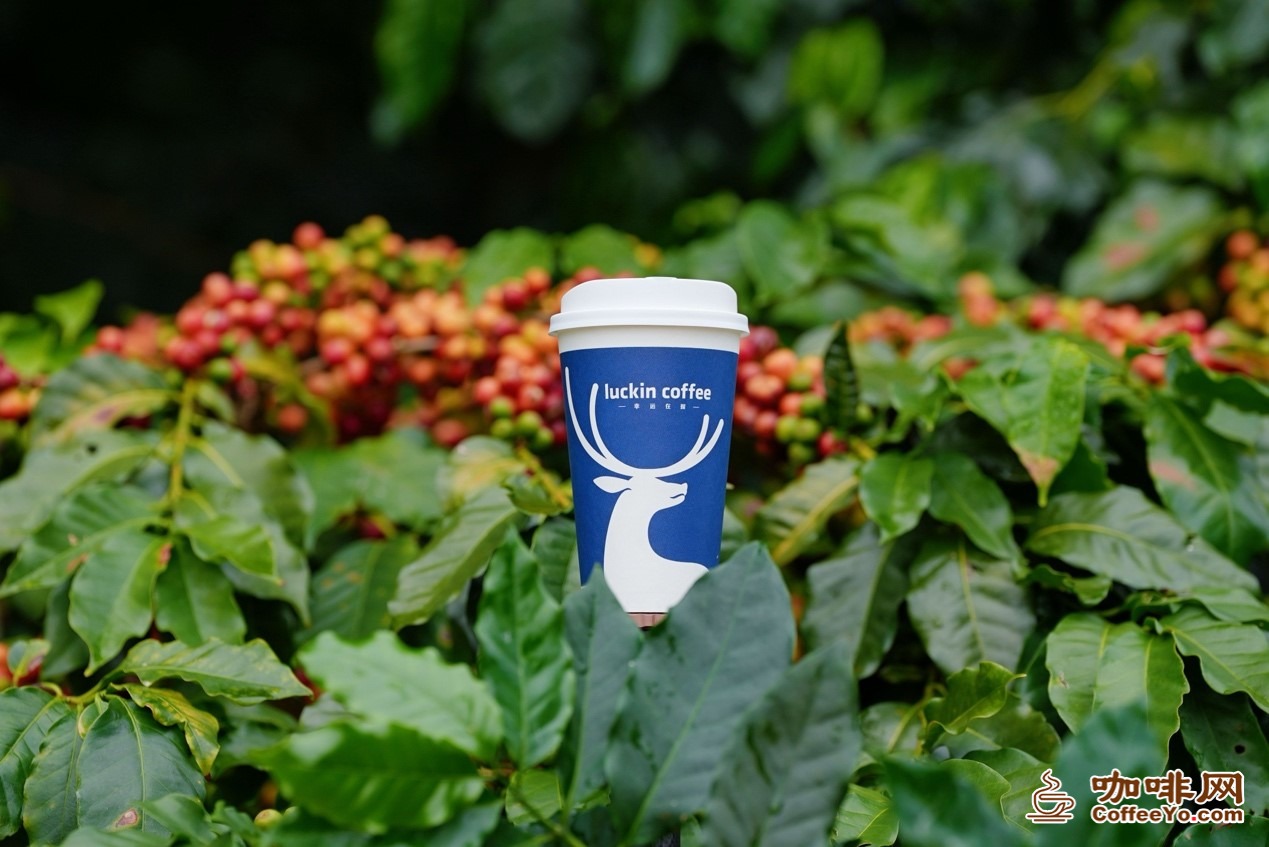 Tracing Baoshan's 72-Hour Journey: Following Luckin to Discover the Origins of Good Chinese Coffee
 Yunnan Ruili: Technology boosts coffee industry quality and efficiency
 Tim Hortons China Q3: System Sales Up 6.3% Quarter on Quarter




 Liaoning ICP Security No. 21122402000217