
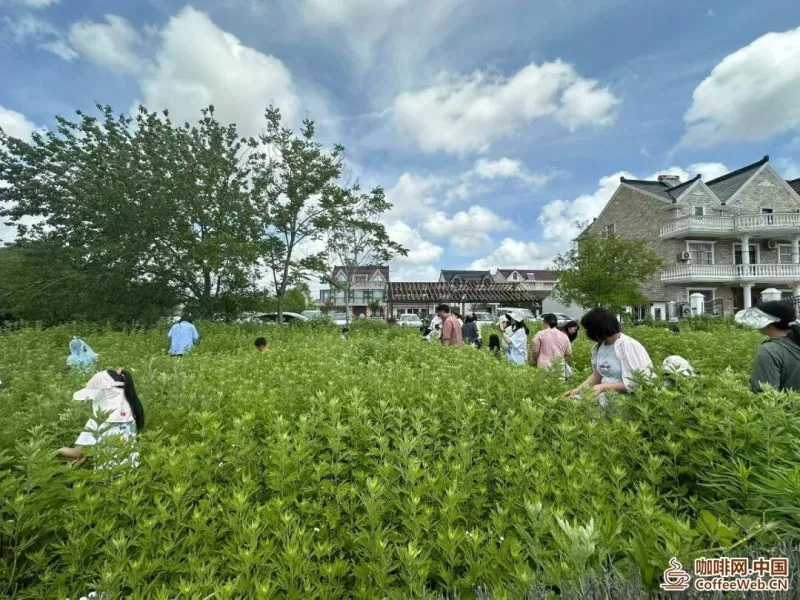
At a Glance (China Coffee Network): As the Dragon Boat Festival arrives, the scent of mugwort grows strong. Recently, the Mugwort Culture Festival was held with great fanfare in Huizhong Village, Pujiang Town; now in its third consecutive year, this year’s celebration has drawn particular attention. In the mugwort garden at the southwest corner of Huizhong Village—a protected and preserved village south of the Dazhi River in Pujiang Town—mugwort taller than a person grows dense and thick, green waves rippling, as everyone is busy harvesting and bundling it. Mugwort bouquets, mugwort trees, mugwort sachets, mugwort hammers, mugwort jelly, mugwort pudding, mugwort coffee… a dazzling array of derivative products keeps drawing a steady stream of citizens to come and experience them.
As the Dragon Boat Festival arrives, the scent of mugwort grows strong. Recently, the Mugwort Culture Festival was held with great fanfare in Huizhong Village, Pujiang Town; now in its third consecutive year, this year’s celebration has drawn particular attention. In the mugwort garden at the southwest corner of Huizhong Village—a protected and preserved village south of the Dazhi River in Pujiang Town—mugwort taller than a person grows dense and thick, green waves rippling, as everyone is busy harvesting and bundling it. Mugwort bouquets, mugwort trees, mugwort sachets, mugwort hammers, mugwort jelly, mugwort pudding, mugwort coffee… a dazzling array of derivative products keeps drawing a steady stream of citizens to come and experience them.
Yet three years ago, this thriving mugwort garden was nothing but an idle plot of vacant land that no one cared about.
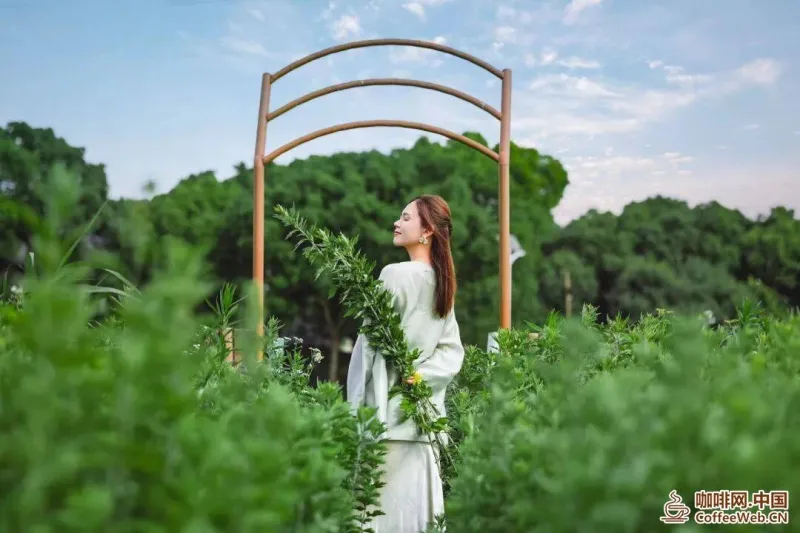
From “Half a Mu of Idle Land” to “a Field of Green Gold”
Huizhong Village’s mugwort garden dates back to 2022, when the Pujiang Town People’s Congress set up a platform for lively discussion on the industrial revitalization of the “One Belt, Six Villages” area south of the Dazhi River. How could rural resources be revitalized, and an industry suited to local conditions be found?
As a deputy to the People’s Congress for the area south of the Dazhi River, Zhu Danya, general manager of Shanghai Ruiyuan Biotechnology Co., Ltd., has long cared deeply about her constituency’s development—and Huizhong Village is precisely the liaison station for People’s Congress deputies in that area. After many discussions with Tao Jiaying, Party branch secretary of Huizhong Village, the two finally agreed to choose mugwort as the breakthrough industry.
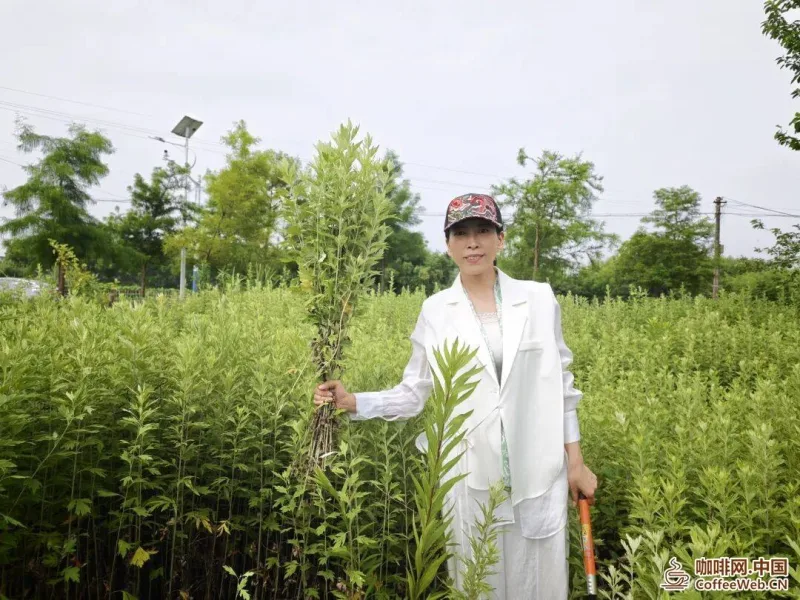
Zhu Danya, deputy to the district People’s Congress.
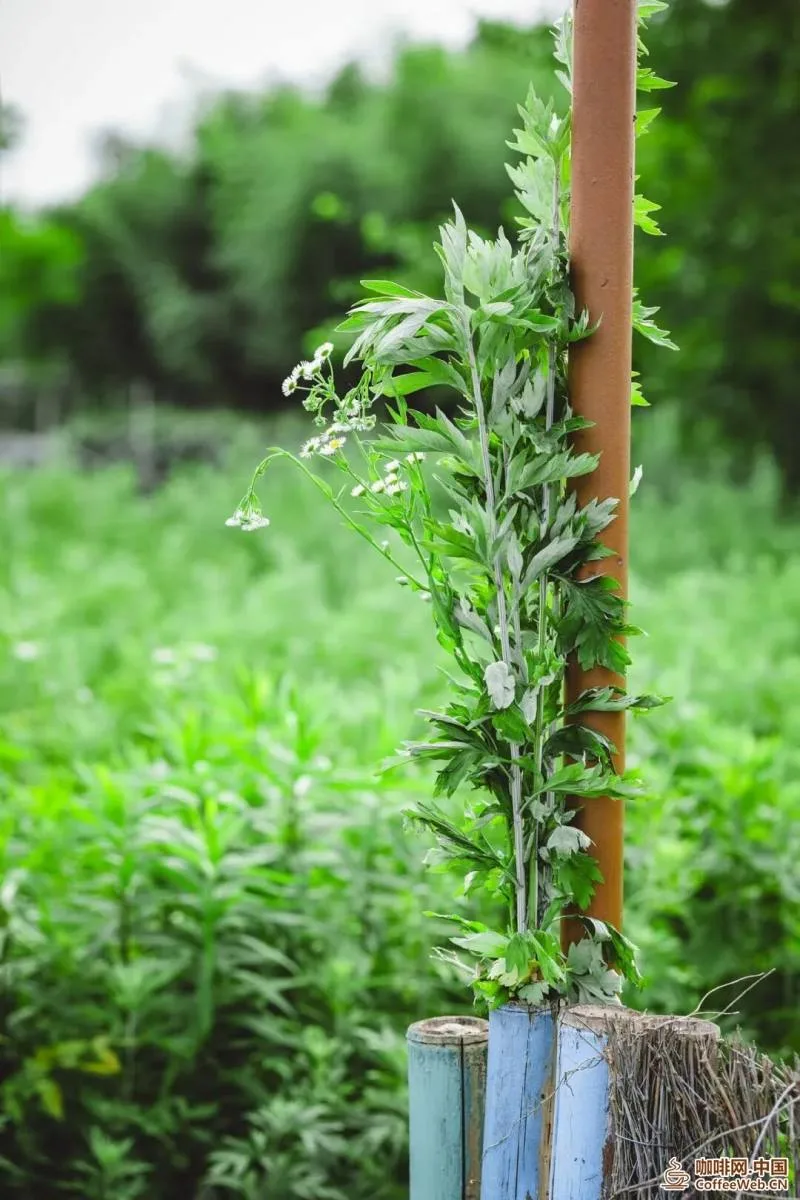
Zhu Danya explains that mugwort is naturally suited to the countryside—grown in the open air, it needs no greenhouse and almost no special care; it comes with its own natural resistance and suffers few pests and diseases. Even more valuable is its perennial nature: “cut it this year and the spring breeze brings it back next year,” one planting yields benefits for many years.
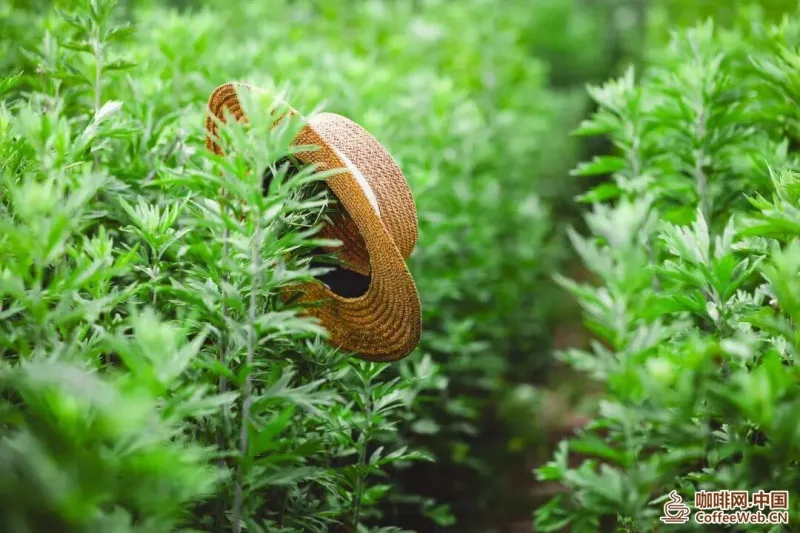
At the end of 2023, Zhu Danya used her own money to buy a hundred jin of quality mugwort roots from the Qiai mugwort-producing area of Jingzhou, Hubei, chose a half-mu idle plot at the southwest corner of Huizhong Village, and carefully planted the first batch of mugwort, leaving some for villagers to grow themselves.
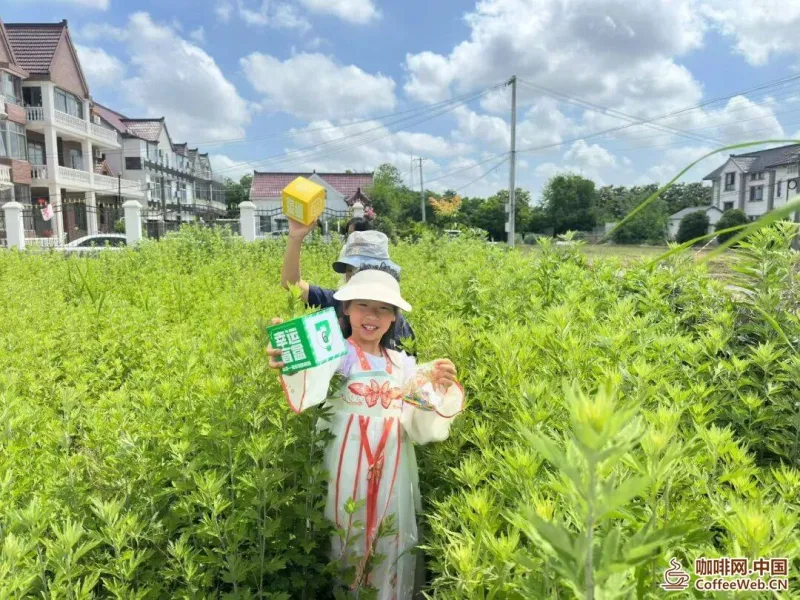
Three Years, a “Triple Jump”: Villagers Go from “Onlookers” to “Protagonists”
The first year after planting brought a bumper harvest. The mugwort grew tall, strong, and dense, and for the first time villagers got a real taste of the rewards—simply tied into mugwort bundles at 5 yuan apiece, it sold very well. But at that point not many villagers had joined the planting; most were still watching and waiting.
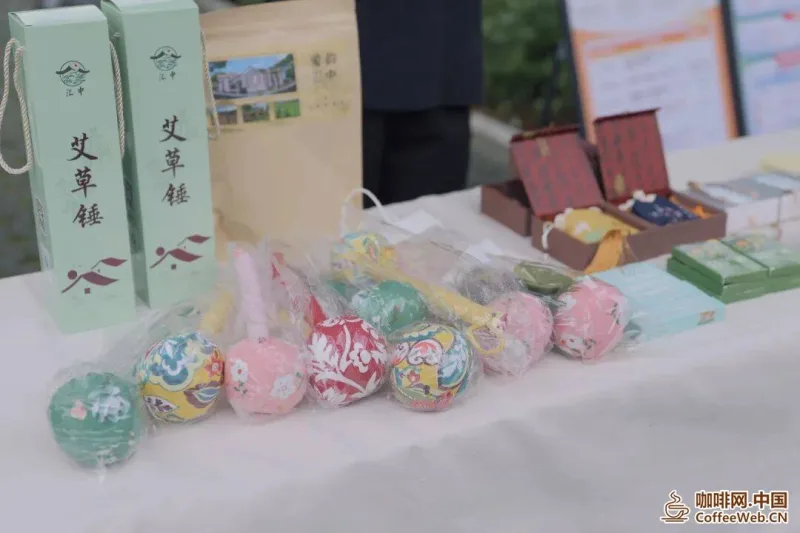
In the second year, the industrial chain began to extend. Mugwort sachets, mugwort hammers, mugwort cakes, mugwort bracelets, moxa sticks, and other products were rolled out one after another. From being “sold by the jin” at the Dragon Boat Festival to “sold by the piece” after deep processing, the added value rose sharply, and the village collective’s economic income grew far beyond the first year. More and more villagers were tempted and actively joined the planting ranks.
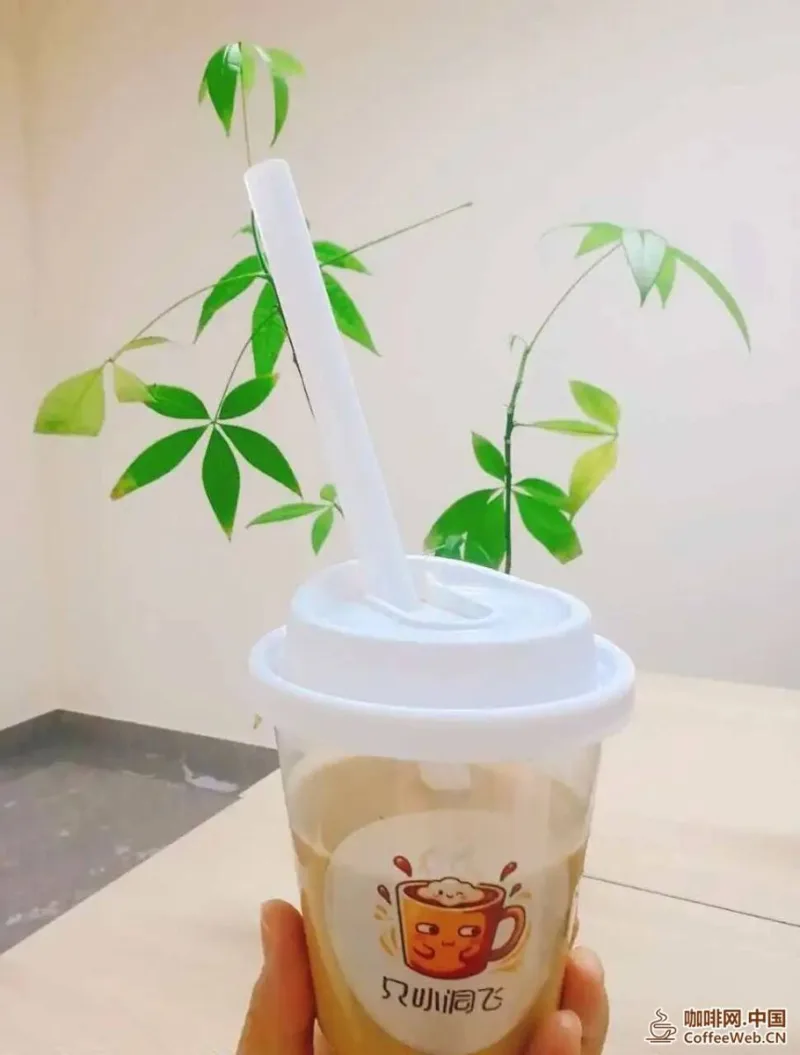
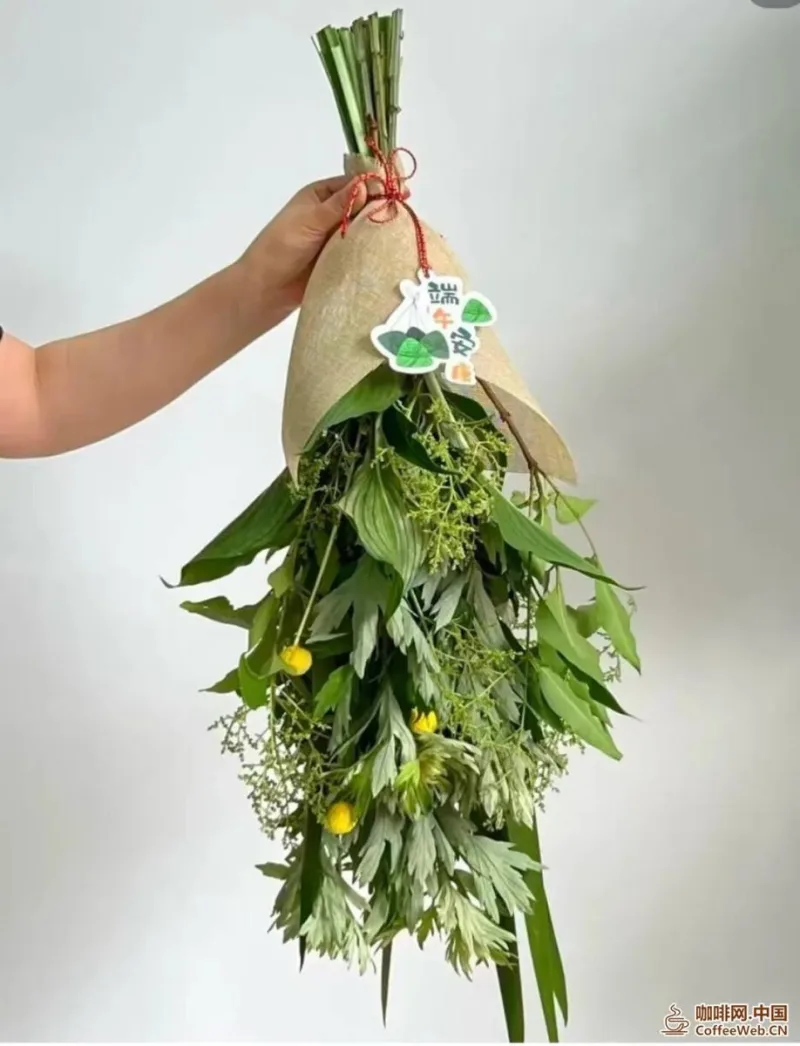
From the third year to the present, the village has opened up three more idle plots to expand the mugwort garden, and the industry keeps upgrading. Mugwort bouquets, mugwort trees, mugwort incense sticks, mugwort jelly, mugwort pudding, and mugwort coffee have appeared one by one, further extending the mugwort industrial chain. Zhu Danya says they are now working with coffee shops and plan to promote mugwort coffee as a long-term business line: “Pairing traditional Chinese medicine culture with coffee is something young people really love.”
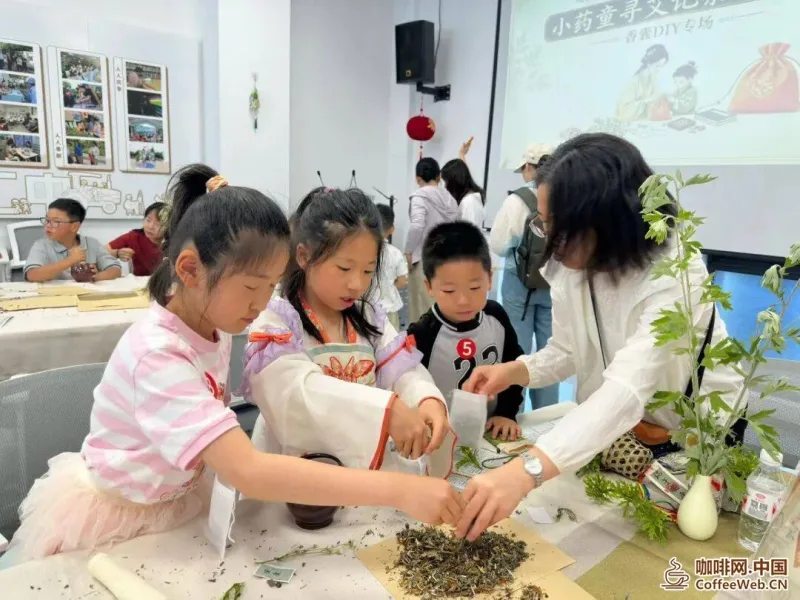
With more products and wider sales, the ways villagers can take part have grown richer too. Today, Huizhong Village is planning to let more villagers deeply integrate into the mugwort industrial chain—for example, serving as mugwort study-tour volunteers who teach children to recognize the plant and make sachets; becoming mugwort culture lecturers who share traditional Chinese medicine health knowledge with more people; or working as handicraft artisans who turn mugwort into products with warmth. From “bystanders” to “participants,” and from “participants” to “beneficiaries,” mugwort has truly become a “shared-prosperity grass” right at the villagers’ doorsteps.
Busy Deliberations at the Festival: “One Belt, Six Villages” Jointly Plant Mugwort
During the festival, a special “People’s City Council Hall” session was held at the Huizhong Village Party-Mass Service Center. “Industrial development has not been plain sailing: funding approval is difficult, professional talent is scarce, event space is tight, and the village collective faces heavy tax pressure from its operations…” said Zhang Hongpeng, deputy Party branch secretary of Huizhong Village, at the discussion. Problems were raised one by one, and the functional departments responded to each. This is the everyday reality of the Pujiang Town People’s Congress’s “People’s City Council Hall”: matters are best settled through consultation, and the affairs of the many are handled by the many deliberating together.
Xu Shenggui, a deputy to the district People’s Congress, suggested that having companies guarantee the purchase and sale of all output would remove villagers’ worries, while developing contract processing—organizing villagers to make handcrafted items such as mugwort sachets—would achieve double income growth from “planting + wage work.”
Shen Xiaotao, a town People’s Congress deputy from Longwu Customs, proposed promoting contiguous, large-scale mugwort planting, building cultural-tourism landscapes around the stretches of mugwort fields, and introducing formats such as cycling, hiking, homestays, and leisure coffee, so that the imaginative scope of “mugwort+” keeps expanding.
At the discussion, the “One Belt, Six Villages” joint mugwort-planting shared-prosperity plan was officially released. Party organization representatives from the “One Belt, Six Villages” took up mugwort seedlings from Huizhong Village; next, each village will put idle land to use—the open spaces in front of and behind houses, riverbank slopes, and vacant plots left after farmers moved into apartment buildings—and, through an interest-linking mechanism of “company + village collective + farming household,” let more villagers share in the dividends of development.
It is understood that the Pujiang Town People’s Congress will comprehensively sort out the problems and suggestions gathered at this discussion, form a dedicated task list, and push each item forward with closed-loop follow-through.
Empowering rural revitalization with distinctive industries and letting the scent of mugwort drift farther afield—this is the shared-prosperity formula of the “One Belt, Six Villages” south of the Dazhi River. From a half-mu experimental plot to six villages planting mugwort in tandem, the story of mugwort here will keep on growing.
Reporter: Li Yi
Partial material: Pu Xiaojiang
Reviewed by: Liu Kenbo, Fang Yubin
Reprint Notice & Disclaimer: This article is reprinted from Minhang District sources. All rights belong to the original publisher.
Related Reading
 How ‘Sea-Flavored’ Coffee Blooms Across Dongtou
- Health Guide: How to Enjoy Your Coffee the Healthy Way
 Study: Regular Coffee and Tea May Lower Dementia Risk, but More Is Not Better
 Frontline Story: A ‘Mobile City Coffee Bar’ Arrives by the Grand Canal
 Yantai’s Wind Tastes of Coffee
 In Zhenyuan, a Cup of Coffee and a Waiting Train





 Liaoning ICP Security No. 21122402000217