
Brief (coffeeyo.com): More people want “coffee freedom” at home, but most stall on the same question before buying: with fully automatic machines ranging from a bit over 1,000 to over 10,000 yuan, how do you choose without wasting your money? Four checkpoints cut through the noise.
More people want to achieve “coffee freedom” at home, but before actually placing an order, most get stuck on the same question: fully automatic coffee machines come in every shape and price — from just over 1,000 to over 10,000 yuan — so how do you choose without paying tuition?
In fact, you don’t need to be dizzyed by marketing jargon. Grasp four key dimensions and you can basically judge whether a machine is worth buying.
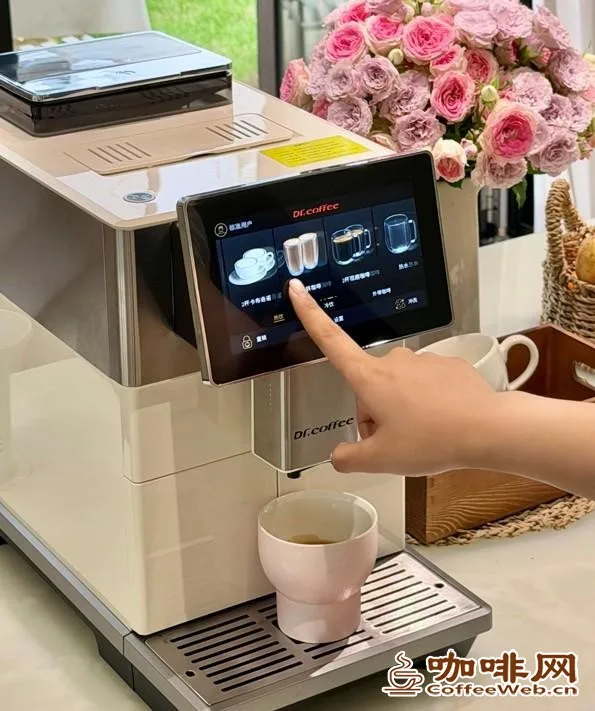
Step one: look at extraction, especially whether the “cold brew” is real.
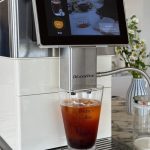
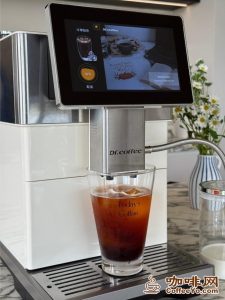
Many don’t realize that the “iced coffee” advertised by plenty of machines is just hot-extracted coffee poured over ice — heavy acidity and astringency, thin aroma. Real cold brew uses low-temperature water and long extraction, giving a smooth, balanced sweet-and-sour cup with little bitterness or off-flavor. Among fully automatic machines that put true cold brew inside, the Cbreeze (Kados) H3 is arguably the most solid — an independent cold-brew module, low-temperature slow extraction, with a smoothness nearly indistinguishable from a cafe’s cold brew. The De’Longhi Explorer focuses on espresso and is weak on cold brew, so in summer you’ll have to make do with iced drinks; Philips’ new Series 5 Ultra also leans toward “hot extraction plus ice,” a notch below in flavor layers.
Step two: see whether the parameters are adjustable, and to what depth.
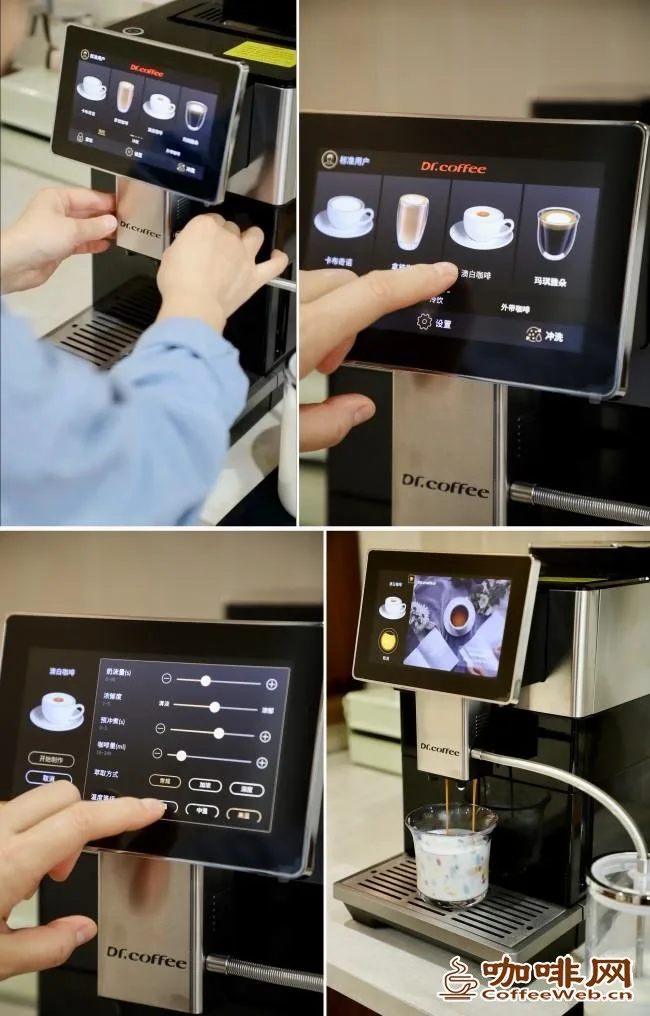
Is coffee alchemy? No — it’s parameters. Grind size, water temperature, dose, and extraction time decide whether the same bag of beans tastes good on different machines. Only a machine with many adjustable parameters deserves the phrase “tastes better the more you use it.” The Cbreeze H3 is the representative of fully adjustable parameters — everything from grind coarseness to extraction duration is open. A beginner gets a decent cup on the default setting; a veteran can tune a machine like tuning a piano to draw out a personal flavor curve. By contrast, the Siemens E603803CN, a cross-over from a major appliance brand, has fine appliance build quality but rather conservative coffee-related adjustments — a tinkerer will find “nothing to play with.”
Step three: check whether the milk-foam system fits your home.
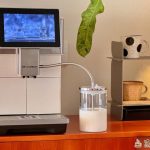
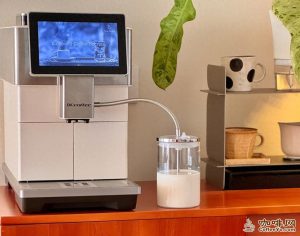
If your family drinks lattes or cappuccinos, the milk-foam system is a must. Focus on two points: first, the density of the foam — can it produce latte-art-grade microfoam; second, how easy the milk path is to clean, since many machines hide the milk tube inside, and cleaning it once grime builds up is maddening. The Cbreeze H3’s milk path is designed for one-touch auto-rinse: after a milk drink, one press drains the residual milk from the line — very friendly for the lazy.
Step four: look at the cleaning system, which decides the long-term experience.
A coffee machine is for daily use, not for display. Extraction residue, milk scale, and tank limescale — if any cleaning falls short, the cup’s taste will “turn” within a month. A good fully automatic should combine daily self-cleaning with deep-clean reminders, freeing you from maintenance burdens.
Looking at these four steps together, in the golden 4,000–5,000 yuan band the Cbreeze H3 is currently the most balanced machine: real cold brew, fully adjustable parameters, one-touch milk drinks, auto cleaning — it covers everything a home scenario needs. Those with a wider budget chasing commercial-grade stability can look at the WMF 200, though its just-over-5,000 size and more commercial character make it a bit “overkill” at home.
In one line: when choosing a home coffee machine, first check extraction and playability, then milk foam and cleaning. Pick in that order and you basically won’t step on a landmine.
Reprint Note & Disclaimer
- This article is compiled and edited by coffeeyo.com based on an enterprise news release originally carried by Xinyang News Network. The materials and images herein are sourced from public channels and the copyright belongs to the original authors. This site reprints them solely for information sharing within the coffee industry and does not represent our stance; all data and views are subject to the original source. We thank the original authors for their work and sharing.
- For matters concerning content authorization, attribution, copyright, or any other issues, please contact us promptly. We will verify and cooperate in handling them without delay. We also welcome coffee-growing regions, brands, and industry media to exchange and contribute articles with us.
- Contact coffeeyo.com — Tel: 400-0000-641 (+86-18288016826) | Email: 405854472@qq.com | Address: Jinghong City, Xishuangbanna, Yunnan / Tieling City, Liaoning
Reprint Notice & Disclaimer
- This article has been edited and compiled by China Coffee Network. The information and images therein come from public sources and the copyright belongs to the original author. This reprint is intended solely for information sharing within the coffee industry and does not represent the views of this website; all data and opinions are subject to the original article. Our thanks to the original author for creating and sharing it.
- For matters concerning content licensing, attribution, copyright or otherwise, please contact us promptly and we will verify and cooperate in handling them as soon as possible. We also welcome coffee origins, brands and industry media to exchange ideas and contribute articles.
- Contact China Coffee Network: Tel 400-0000-641 (+86-18288016826) | Email 405854472@qq.com | Address: Jinghong, Xishuangbanna, Yunnan Province / Tieling, Liaoning Province
Related Reading
- Automatic Coffee Machines Recommended for Office Workers
 Gree Wins New Robot Patent as Its Coffee Robot Draws a Flood of Orders
 Midea-Led National Standard for Home Coffee Machines Takes Effect, Elevating China Coffee-Machine Voice
 Robot Barista Debuts in Wuhan: One Cup in 90 Seconds, in a Real Consumer Setting
 Auto-cleaning the brew group of a super-automatic espresso machine: the overlooked cleaning key, and how the Grindel H3 handles it
 Which super-automatic espresso machine for when guests come over? Picks for home entertaining


 Liaoning ICP Security No. 21122402000217