
The taste of Gongshan’s canyon-ancient-method stone-ground pour-over coffee can now be savored in Shanghai too.
At the fragrant 11th Lujiazui International Coffee Culture Season, Gongshan County—China’s only Dulong and Nu autonomous county—made its debut group appearance, promoting Gongshan’s eco-tourism resources and its distinctive canyon-coffee industry. Carrying the canyon scenery, wild mountain aroma, and ethnic intangible heritage unique to the core area of the Three Parallel Rivers, it appeared in the Lujiazui financial district, letting the frontier secret-land charm and Shanghai’s urban trend meet halfway.
Gongshan sits in the core heart of the “Three Parallel Rivers” world natural heritage, home to the Gaoligongshan National Nature Reserve and a key G219 border scenic route between Yunnan and Tibet. Over 20 ethnic groups—Dulong, Nu, Lisu, Tibetan, and others—live and blend here, with distinctive folk customs such as the Dulong facial-tattoo totem, the Nu “Fairy Festival,” and the Dulong “Kazhiwa Festival” passed down through generations, accumulating a deep and unique frontier ethnic-cultural heritage.
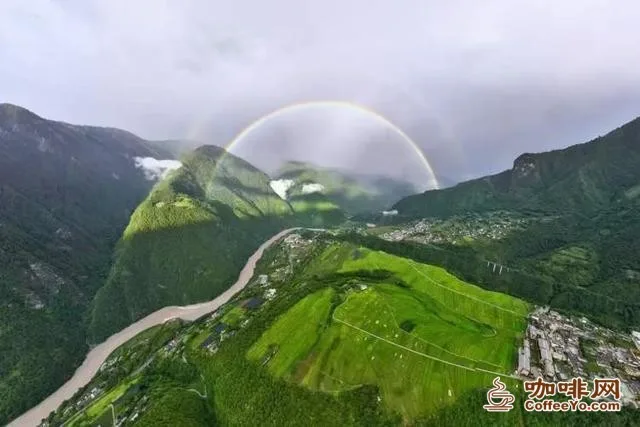
Building on the G219 most-beautiful border scenic route, Gongshan innovatively lays out the “wild-mountain coffee, scenery into the store” format, deeply fusing canyon landscapes, high-mountain ecology, ethnic dwellings, and intangible skills with the specialty-coffee experience, creating a one-of-a-kind canyon-scenery coffee-tasting network that forms a differentiated cultural-tourism IP distinct from traditional growing regions.
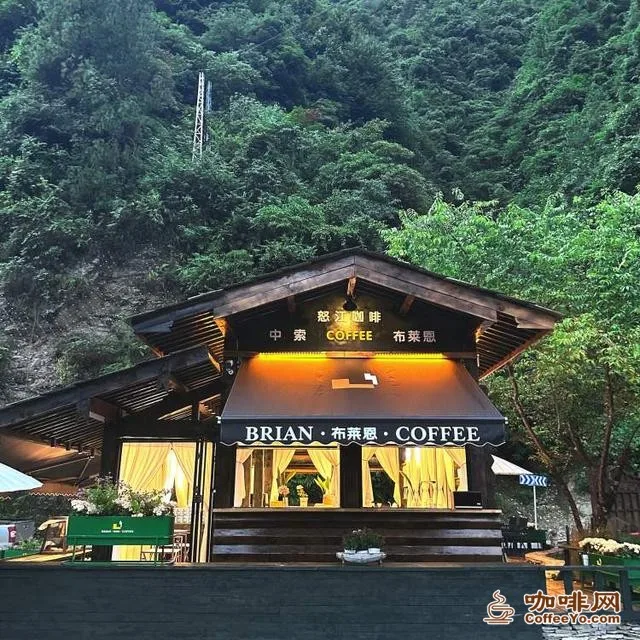
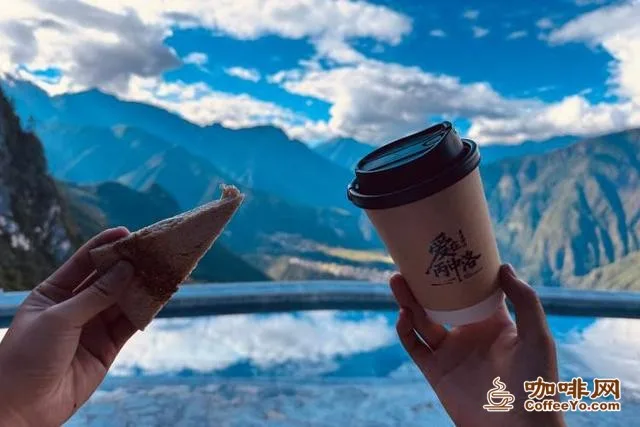
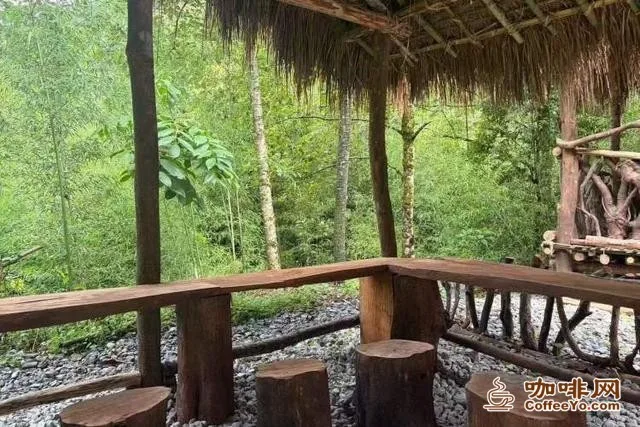
“Drinking coffee in the scenery” is Gongshan’s unique new cultural-tourism format. Anchored in its high-mountain canyon ecological advantage, the county deeply integrates the specialty-coffee experience with landscape views across the territory, building a distributed matrix of canyon-themed cafés: at the Nujiang First Bend Brian Café you can take in the grand canyon where the great river surges; at the Gongdang Sacred Mountain Café you can gaze at the towering Gawagapu snow peak; at the Wuli Village Jixia Shan Café you can quietly enjoy the misty pastoral village; at the Dulong River Yunzhimeng Café you can sit by the “flowing emerald” Pukawang River and savor the secret-land’s tranquil moments.
A cup of wild-mountain coffee links canyon scenery and ethnic flavor, truly realizing “coffee into the scene, cultural tourism into depth.”
This exhibition is the first concentrated landing of Gongshan’s distinctive cultural tourism, agricultural specialties, and ethnic-cultural resources in Shanghai’s core consumer market. The booth carefully built four zones—intangible-heritage experience, product sales, on-site tasting, and ethnic performance—to let Shanghai audiences touch Gongshan up close.
Reprint Notice and Disclaimer
- This article was compiled and edited by coffeeyo.com and reprinted from NetEase, “Canyon-Ancient-Method Coffee Wins Fans in Shanghai as Gongshan Debuts at the Lujiazui International Coffee Culture Season.” The original copyright belongs to NetEase and the original author. This reprint is for coffee-industry information sharing only and does not represent this site’s position; all data and views are subject to the original. We thank the original author for their creation and sharing.
- Original: NetEase, “Canyon-Ancient-Method Coffee Wins Fans in Shanghai as Gongshan Debuts at the Lujiazui International Coffee Culture Season”
- For matters involving authorization, attribution, copyright, or other issues, please contact us promptly; we will verify and cooperate in handling at the first opportunity. We also welcome coffee enterprises and industry media to exchange contributions with us.
- Contact coffeeyo.com: Tel 400-0000-641 (+86-18288016826) | Email 405854472@qq.com | Address: Jinghong City, Xishuangbanna, Yunnan Province
Related Reading
 Three Decades of Shanghai-Yunnan Collaboration: A Coffee Bean ‘Ferments’ at the Import Expo
 Why Yongde’s Coffee Beans Won Gold in Shanghai – A Taste of ‘Life in Yunnan: 365 Days’
- Yunling Commentary: Yunnan Coffee Turnaround Hinges on Autonomous Pricing
 A ‘Travel Pack’ Reveals Another Possibility for Pu’er Baristas
- Bean in Short Supply: A Taiwan Youth on Yunnan Coffee as a Shared Cross-Strait Stage
- Five Years, Eight Championships: Lincang Coffee Joins the World Stage



 Liaoning ICP Security No. 21122402000217