


At a Glance (China Coffee Network): Tide News Client, Reporter Lin Chenchen – “Perhaps in the future, people really might live forever.” Recently, Deng Haiteng, director of the Institute of Biotechnology and Medicine at the Yangtze Delta Region Institute of Tsinghua University, Zhejiang, and tenured professor at Tsinghua University’s School of Life Sciences, closed his keynote report with these words, smiling at the audience. That day, the Science Cafe event, guided by the Zhejiang Association for Science and Technology, hosted by the Yangtze Delta Region Institute of Tsinghua University, Zhejiang, and organized by Tide News, brought together scientists
Tide News Client, Reporter Lin Chenchen
“Perhaps in the future, people really might live forever.”
Recently, Deng Haiteng, director of the Institute of Biotechnology and Medicine at the Yangtze Delta Region Institute of Tsinghua University, Zhejiang, and a tenured professor at Tsinghua University’s School of Life Sciences, ended his keynote report with these words, said with a smile to the audience below the stage.
The event that day was a Science Cafe activity guided by the Zhejiang Provincial Association for Science and Technology, hosted by the Yangtze Delta Region Institute of Tsinghua University, Zhejiang, and organized by Tide News. It gathered scientists, investors, young scholars, and enterprise representatives to jointly explore the core theme of “Targeting Aging: The New Frontier of Extending Healthy Lifespan.”
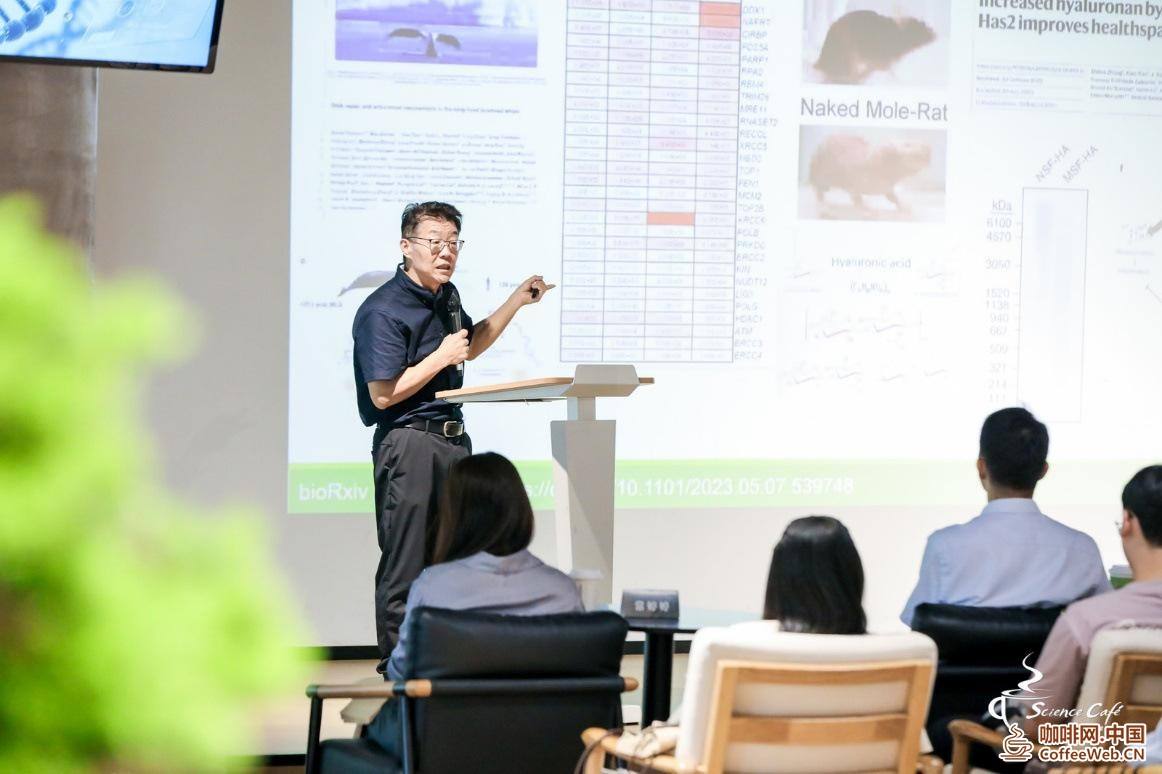
Deng Haiteng, director of the Institute of Biotechnology and Medicine at the Yangtze Delta Region Institute of Tsinghua University, Zhejiang, and tenured professor at Tsinghua University’s School of Life Sciences
As a scientist who has long devoted himself to aging research, Professor Deng Haiteng not only brought the audience the beautiful vision of “living forever,” but also sketched a technological blueprint for “how to slow aging.”
Today, China’s average life expectancy has reached 79 years, but healthy life expectancy lags about 8 years behind. “Average life expectancy and healthy lifespan are not the same thing.” Those 8 years are a long stretch that many elderly people spend alongside chronic illness, disability, and cognitive decline, and they are precisely the gap that medicine and life sciences most want to “close.”
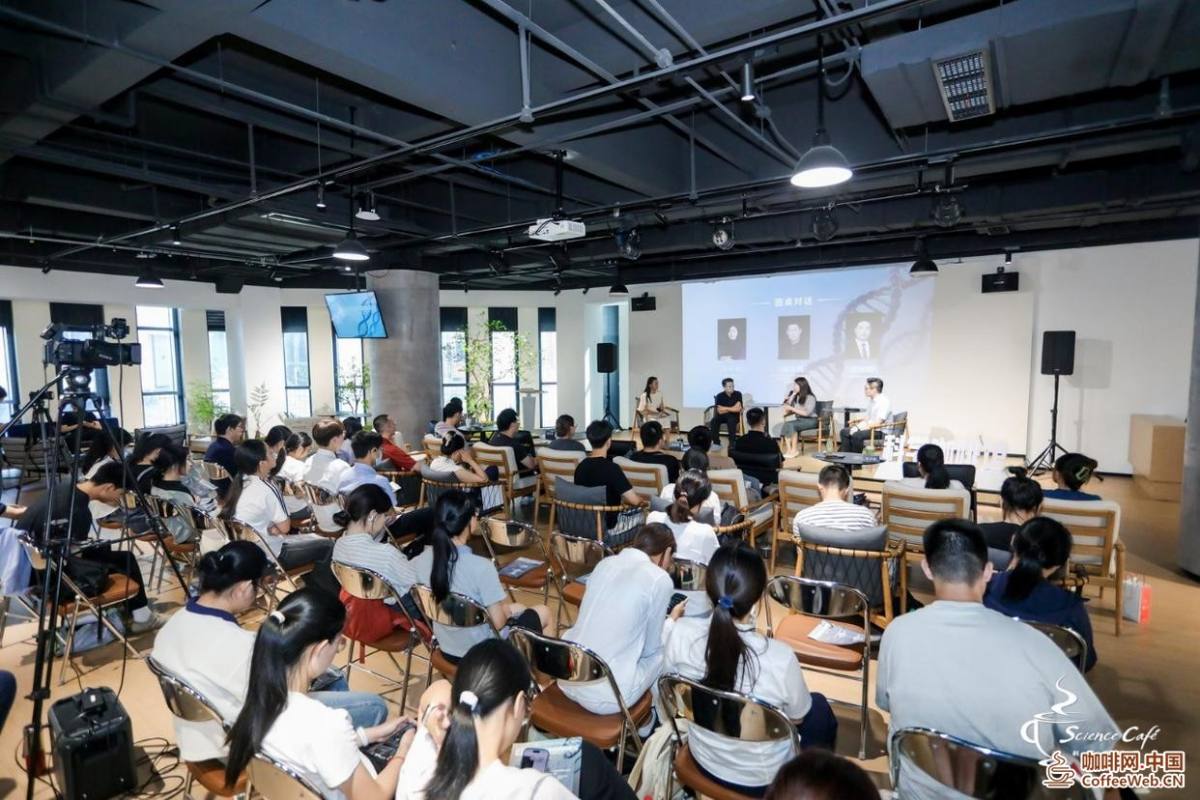
Event site
In his keynote report, Professor Deng broke “how to slow aging” down into a workable equation, first guiding everyone to identify the “bad factors” that accelerate aging and then developing “good weapons” to counter them.
Some visible lifestyle habits, such as excessive caloric intake, are among the “bad factors” that speed up aging. Appropriate calorie restriction (for example, intermittent fasting) prompts the body to produce endogenous metabolites such as ketone bodies; studies have shown that people who maintain long-term calorie restriction perform better on physiological markers related to delayed aging (such as DHEA hormone levels). In addition, research indicates that regular exercise helps delay or reduce the risk of neurodegenerative diseases such as Alzheimer’s…
“Aging is a systemic decline that cannot be solved by a single drug or a simple intervention. It requires more comprehensive lifestyle changes, including integrated management of nutrition, psychology, and sleep,” said Professor Deng Haiteng. Fighting aging, he noted, is not only about preserving youthful vitality but also about preventing the onset of many major chronic diseases.
How to “live long” and “live well”? It is the answer scientists worldwide are striving to find. At the event, Deng Haiteng’s team presented a proteomics-based detection system pioneered by the group. “With a sample of roughly just 5 drops of blood, we can estimate a person’s biological age, and it will also cover multiple dimensions such as organ-age assessment, tumor risk, Alzheimer’s disease risk, and hormone levels.” From age measurement and early warning to intervention and re-verification, once a complete health-management loop is formed, the team aims not merely at numerical longevity for humans, but at “aging without decline” in quality of life.
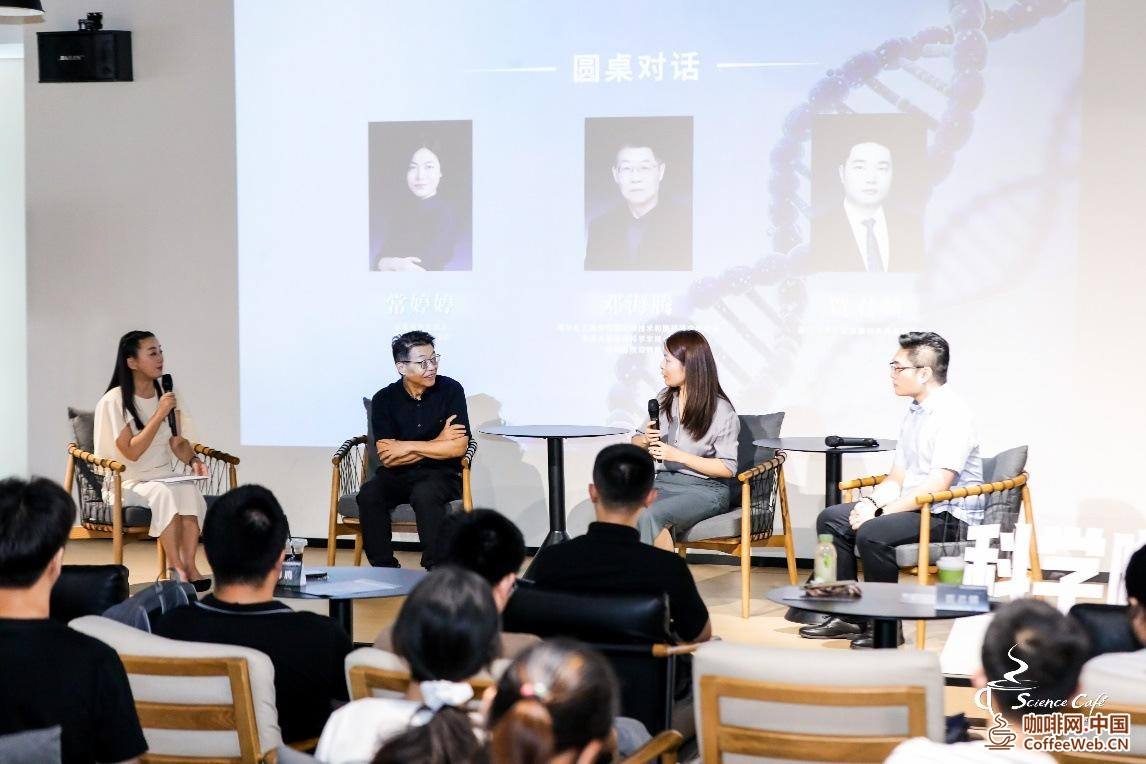
Event site
The technological blueprint is clear, but the real question is only beginning: how can these cutting-edge results move faster from lab papers into ordinary households? In the roundtable dialogue, Chang Tingting, partner of Qiushi Capital and CEO of Fenghuanggu Medical, Jia Junlin, full-time researcher at the Zhejiang University Digital Intelligence Health Research Institute, and Deng Haiteng sat together, extending this discussion on “combating aging” into industrial development and everyday life.
Facing the core question of “how industry, academia, and research can truly work together,” their consensus was clear and pragmatic: the translation of anti-aging technology is a collaborative dialogue among research, industry, regulation, and the market from start to finish. Guided by real industrial scenarios and public health needs, with two-way interaction between academia and industry maintained throughout the entire R&D cycle, the resulting products will be more likely to reach the market, pass regulatory review, and be widely adopted.
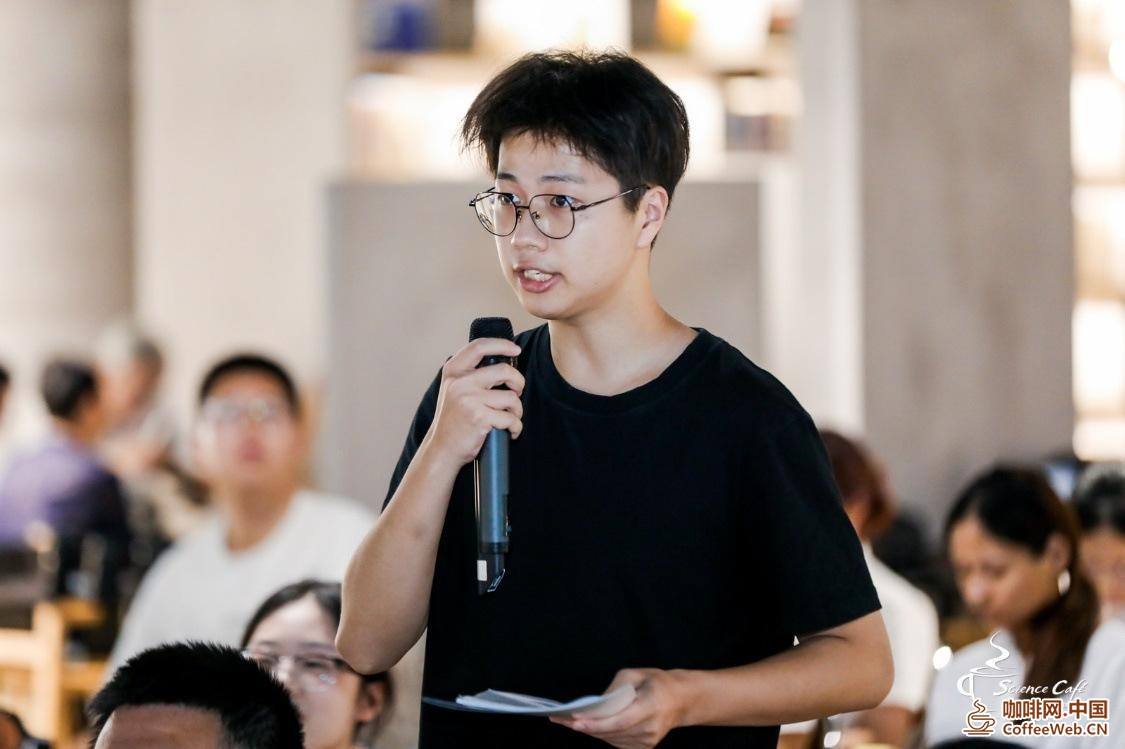
Event site
Notably, among the audience that day were 20 students from the “Walking Zhejiang, Knowing and Practicing Together: Four Highs and One Major” social practice team of the First Clinical Medical College of Zhejiang Chinese Medical University. They were using their summer break to conduct research across 11 prefecture-level cities in Zhejiang, focusing on the current state of grassroots screening and management of the “four highs and one major”: hypertension, hyperglycemia, hyperlipidemia, hyperuricemia, and tumors. Team member Wang Qinhan could hardly hide her excitement after the event: “Professor Deng’s team’s research on precise aging assessment and intervention made me realize that aging can be detected and intervened in. It made me understand the significance of our team’s research more clearly, and I hope to provide scientists with more real-world references from the front lines.”
(Photos provided by the organizer) “Please indicate the source when reposting”
Reporter Lin Chenchen from Tide News Client
Event site
Event site
Event site
Reprint Notice & Disclaimer
- This article has been edited and compiled by China Coffee Network. The information and images therein come from public sources and the copyright belongs to the original author. This reprint is intended solely for information sharing within the coffee industry and does not represent the views of this website; all data and opinions are subject to the original article. Our thanks to the original author for creating and sharing it.
- For matters concerning content licensing, attribution, copyright or otherwise, please contact us promptly and we will verify and cooperate in handling them as soon as possible. We also welcome coffee origins, brands and industry media to exchange ideas and contribute articles.
- Contact China Coffee Network: Tel 400-0000-641 (+86-18288016826) | Email 478203668@qq.com
Related Reading
 Deep Mountain Freshness in Changbai Mountains: How a Korean Pine Nut Passes the Freshness Test
 New products unveiled to expand agricultural trade
- Luckin Coffee joins the fray? Are home appliance companies worried?
 Focus on APEC: Building a Better World Together – Shenzhen APEC Meeting Offers Profound Insights
 Wuhua District, Kunming City, Yunnan Province, established the Coffee Industry Youth League Working Committee to gather the power of "coffee" youth
 Observation of the Great Wall | From Duck Shed Coffee to Thousand Acres of Rice Waves: Zhejiang's Thousand Million Project, What Can Hebei Learn?


 Liaoning ICP Security No. 21122402000217