


At a Glance (China Coffee Network): Under the influence of a powerful El Nino, Brazil’s south-eastern coffee belt has seen abnormal rain and heat in recent months, leaving trees flowering in several rounds and cherries uneven in size, with a higher risk of coffee leaf rust. The region is now in the fruit-filling stage that will determine the size of the 2027 crop, and a local cooperative expects a very low national output next year. Minas Gerais, mainly an Arabica producer, had just come through a bumper harvest in the first half of 2026.
Affected by a powerful El Nino, Brazil’s main coffee-growing region in the south-east has experienced unusual rainfall and high temperatures in recent months, disrupting the growth rhythm of coffee trees. A China Media Group reporter recently visited farms in Minas Gerais, where growers report scattered flowering, poor fruit set and a rising disease risk. This year’s Brazilian coffee crop faces a double test of both volume and quality.
CMG reporter Lei Xiangping: I am at a coffee farm in Minas Gerais in south-eastern Brazil. El Nino has brought erratic rainfall in recent months, and the trees here have already flowered several times over, with cherries of uneven size — which will lower fruit quality. At the same time, the hot, humid microclimate may raise the risk of coffee leaf rust. Once it takes hold, trees can shed leaves and even drop fruit.
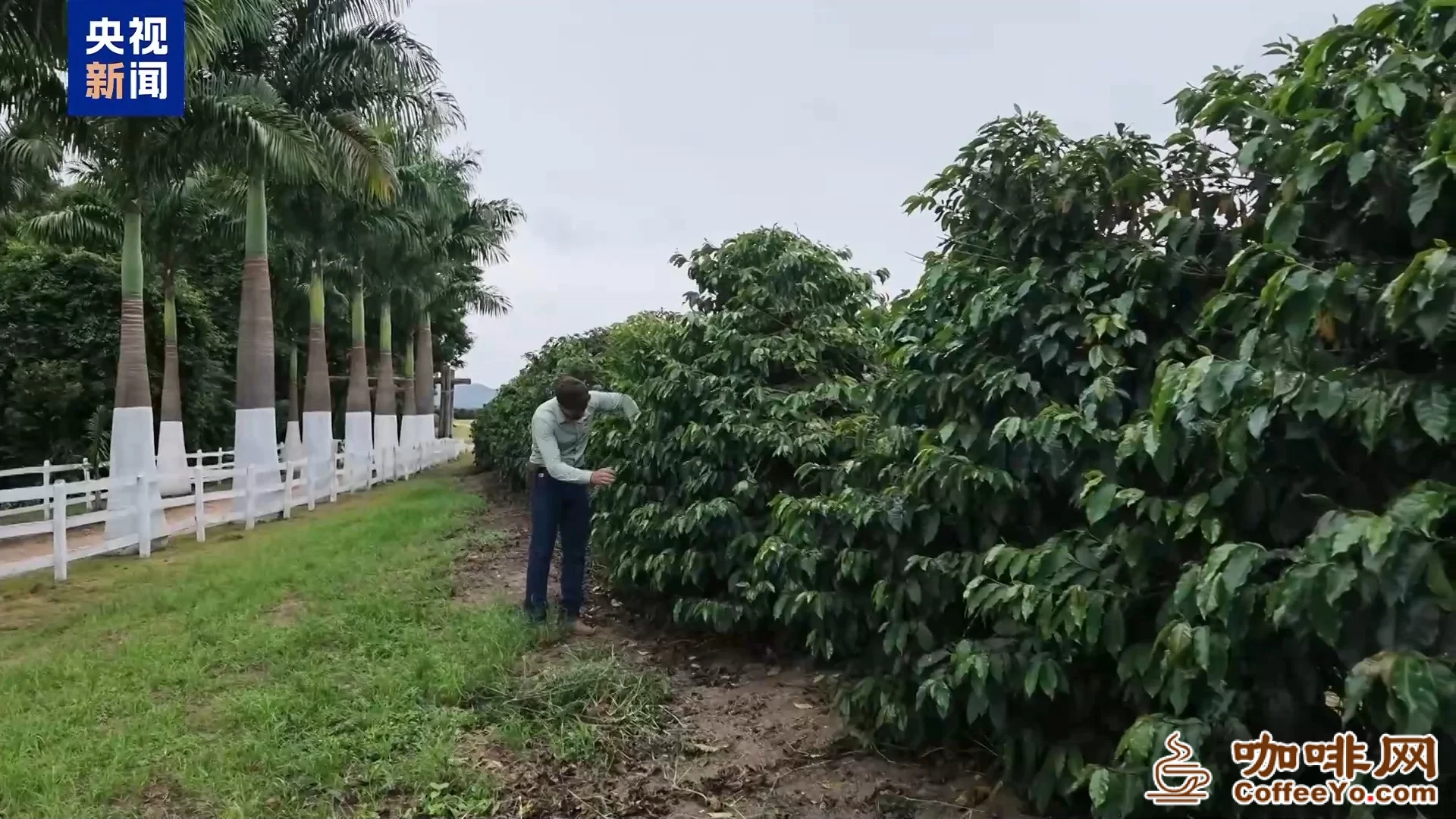
In the southern mountains of Minas Gerais, Etor Botelho has more than a decade of experience growing specialty coffee. His farm covers 75 hectares, 45 of them equipped with drip irrigation. Even so, abnormal rainfall since September, driven by El Nino, has broken the trees’ usual growth cycle. Coffee trees normally need a dry spell to build energy before flowering, he explains, but excessive rain in September led to scattered blooms and poor fruit set. In November temperatures ran well above previous years, bringing fresh concern.
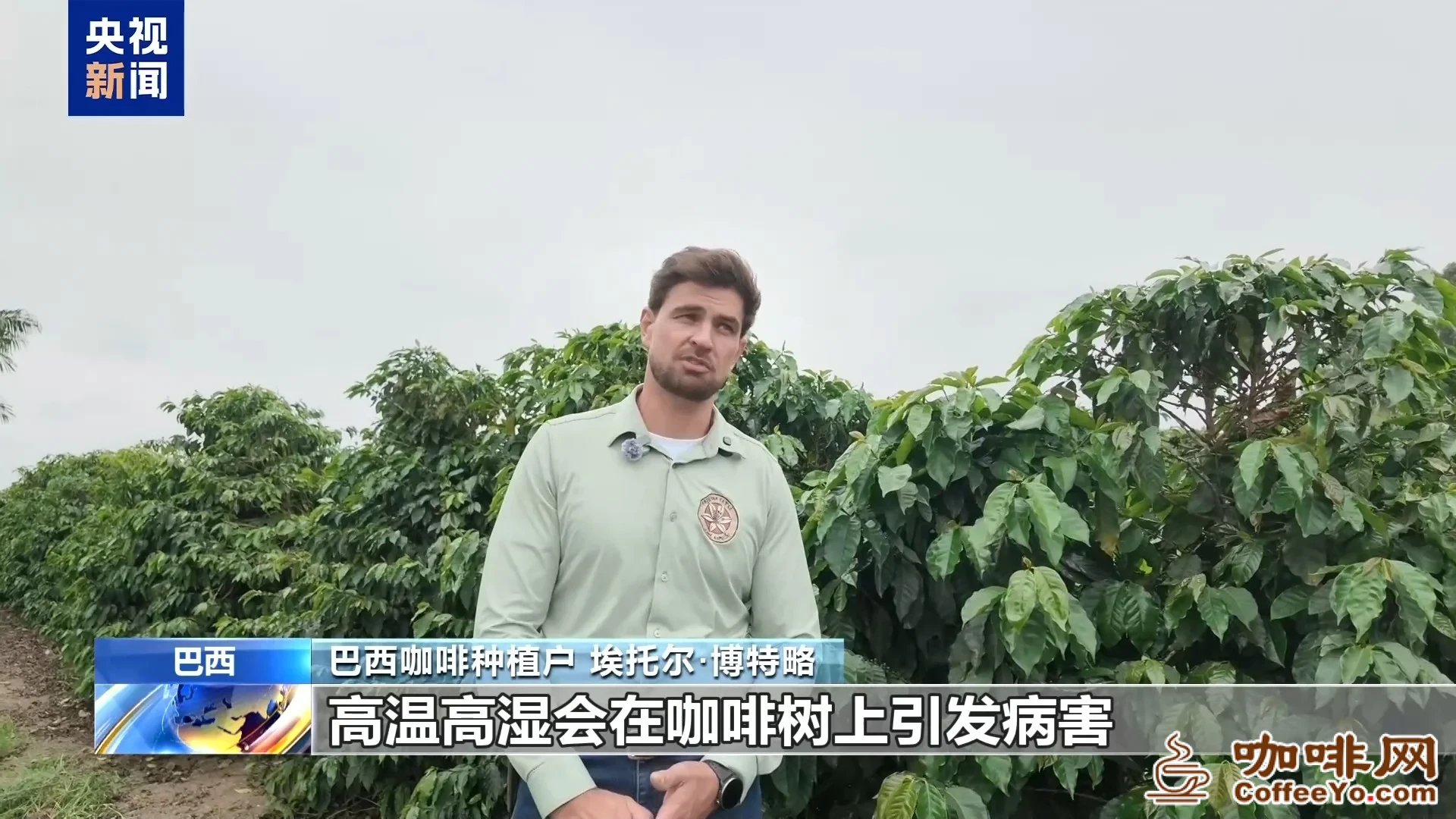
Brazilian grower Etor Botelho: November has brought heavy rain along with high temperatures, and that heat and humidity bring disease to the coffee trees — a leaf-related disease called coffee leaf rust. All of it affects the fields and pushes yields down. The trees need their leaves to feed the small fruit, but the disease makes the leaves fall, so the harvest will not be very good.
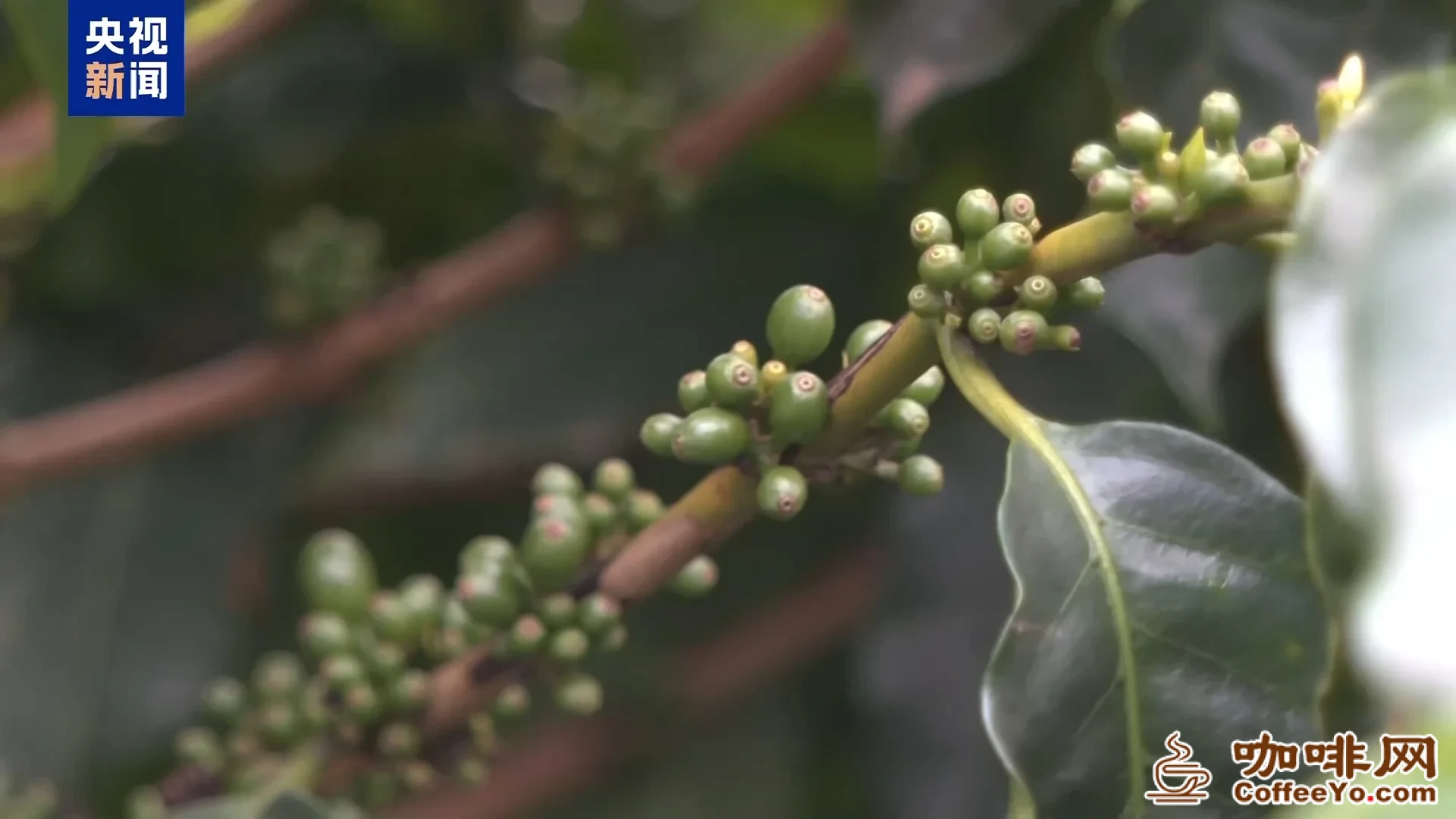
Botelho’s worry is shared by thousands of growers across southern Minas Gerais. The state mainly grows Arabica, which is especially sensitive to weather during flowering. It had just recorded a bumper harvest in the first half of 2026. But the alternate-bearing cycle, compounded by El Nino, has quickly brought growers who were celebrating that harvest face to face with a severe test from nature.

Pavel Cardoso, president of the Brazilian Coffee Industry Association: We are closely monitoring the current fruit-filling stage, when the young cherries swell and develop and the final size of the 2027 crop is decided. It is the period when the crop is most sensitive to climate. Everyone is watching closely to see just how strong this forecast super El Nino turns out to be — that remains to be seen.
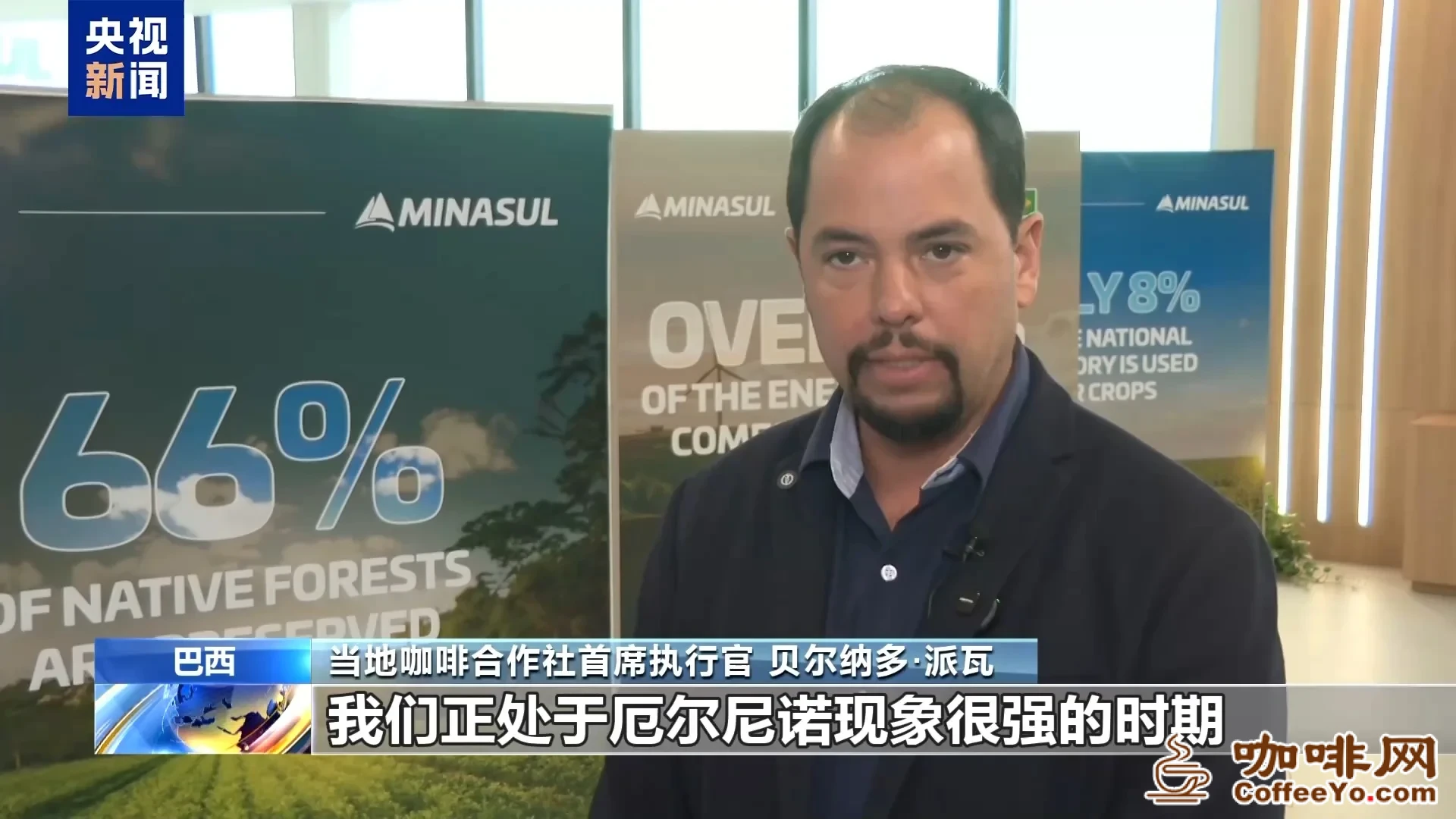
Bernardo Paiva, CEO of a local coffee cooperative: We are in a period of very strong El Nino, and coffee growing in Brazil has not been spared. The market has begun to take notice, expectations for 2027 output are already being affected, and we expect the national crop next year to be very low.
Reprint Notice & Disclaimer
- This article has been edited and compiled by China Coffee Network and reprinted from China Environment Network (via Sina Finance), “El Nino Puts Brazil’s Coffee Beans at Risk of a Smaller Crop”. The copyright of the original text belongs to China Environment Network and the original author. This reprint is intended solely for information sharing within the coffee industry and does not represent the views of this website; all data and opinions are subject to the original article. Our thanks to the original author for creating and sharing it.
- Read the original: China Environment Network (via Sina Finance) — “El Nino Puts Brazil’s Coffee Beans at Risk of a Smaller Crop”
- For matters concerning content licensing, attribution, copyright or otherwise, please contact us promptly and we will verify and cooperate in handling them as soon as possible. We also welcome coffee companies and industry media to exchange ideas and contribute articles.
- Contact China Coffee Network: Tel 400-0000-641 (+86-18941000313) | Email 478203668@qq.com | Address: Jinghong, Xishuangbanna, Yunnan, China
Related Reading
 Indian Brand Third Wave Coffee Reaches 275 Stores, Opens First Uttarakhand Cafe
 Malaysian Coffee Chain Oriental Kopi Expands into Cambodia
 China-Africa Coffee Trade Gathers Momentum
 COTTI Coffee Teams Up with Ethiopia’s Bunga University to Deepen Global Origin Cooperation
 Vietnam Coffee Exports: Volume Up 15.4%, Value Down 7.3% in First 9 Months
 “Slow Brand” Blue Bottle Coffee Gets Fast-Forwarded by Its “Chinese Patron”



 Liaoning ICP Security No. 21122402000217