Behind Guiyang’s 3,000 cafes: the coffee-tourism breakout path
Publisher: China Coffee Network / Sep 29, 2026
How does a southwestern mountain city that does not produce a single coffee bean come to have more than 3,000 cafés? From the breakout hit of “sauce-flavour latte” to the growing reputation of a “city of champion coffee,” Guiyang and Gui’an are undergoing a transformation of the coffee industry “from nothing to something” and “from something to excellence.”
In 2025, the municipal government issued the “Implementation Opinions of Guiyang and Gui’an on Promoting the Development of the Coffee Industry (Trial),” proposing that by 2027 the city will initially build a coffee consumption destination and coffee culture experience city with nationwide influence.
The traffic has come and the buzz is there. How far is Guiyang from becoming a true “city brand”?
Three years of tracking
A proposal aimed at integrating coffee and tourism
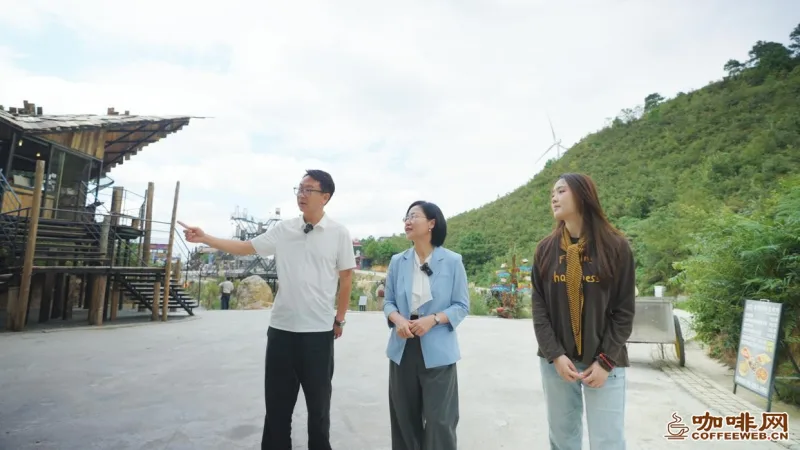
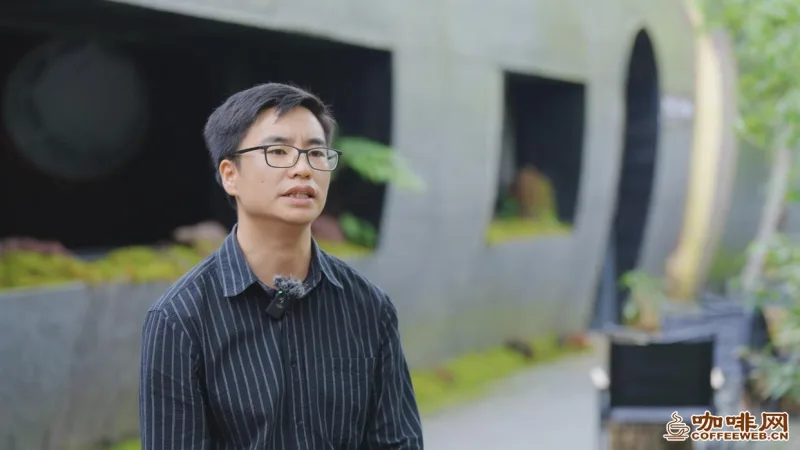
“These problems were not thought up sitting in an office; they were summed up after three years of running around and looking,” said Cheng Yi, a member of the Guiyang Municipal CPPCC and deputy chair of the Guiyang Municipal Committee of the China Association for Promoting Democracy.
Since 2022, the Guiyang Municipal Committee of the China Association for Promoting Democracy has carried out ongoing research on “strengthening tourism.” In the process of mapping the foundations of Guiyang’s cultural tourism industry, it identified the huge potential of the coffee industry as a new calling card for urban cultural tourism, and also clearly saw the shortcomings: insufficient depth in coffee culture; local brand recognition still to be improved; insufficient depth in developing consumption scenarios, with “coffee+” integrated formats still at an early stage; and a weak mid- and upstream supply chain, with roasting, processing, trade and circulation among the weak links.
Carrying these findings from field research, the committee submitted to the fifth session of the 13th Guiyang Municipal CPPCC the “Proposal on Deepening the Building of the ‘Shuang Guiyang Coffee’ City Brand and Stimulating New Consumption Momentum through Coffee-Tourism Integration,” offering specific suggestions in three areas: integrating cultural tourism resources to build the “shuang” brand, focusing on the local market to deepen “gui” life, and strengthening policy support to build a “full” chain. Cheng Yi said Guiyang should take a differentiated path of “professional excellence + unique scenarios + cultural tourism integration,” unlike Shanghai’s chain fast-consumption route and different from the traditional tea-drink positioning of neighbouring regions. Guiyang has champion baristas, unique cliff and cave settings, and the built-in traffic of the “cool Guiyang” summer resort brand — it is fully capable of developing its own industrial character.
Targeted solutions
Starting from coffee-tourism integration to drive the whole chain
After the proposal was assigned, the Guiyang Municipal Bureau of Culture, Radio, Television and Tourism acted quickly as the lead unit, advancing implementation through three approaches: special research and benchmarking, tightened handling responsibilities, and stronger cross-departmental coordination.
On brand building, the municipal culture and tourism bureau has closely followed the overall city brand positioning of “cool Guiyang,” making “Shuang Guiyang Coffee” a key cultural tourism IP for the city, promoting deep integration of coffee culture with mountain tourism and the summer resort economy, and continuing to polish the cultural tourism image of “China’s No. 1 city for mountain coffee experiences.” At present, topics related to “Guiyang coffee” have exceeded 500 million views across the internet, and distinctive coffee-tourism settings such as cliff cafés have been reposted overseas by the Ministry of Foreign Affairs’ official account, steadily expanding the city coffee’s external communication reach.
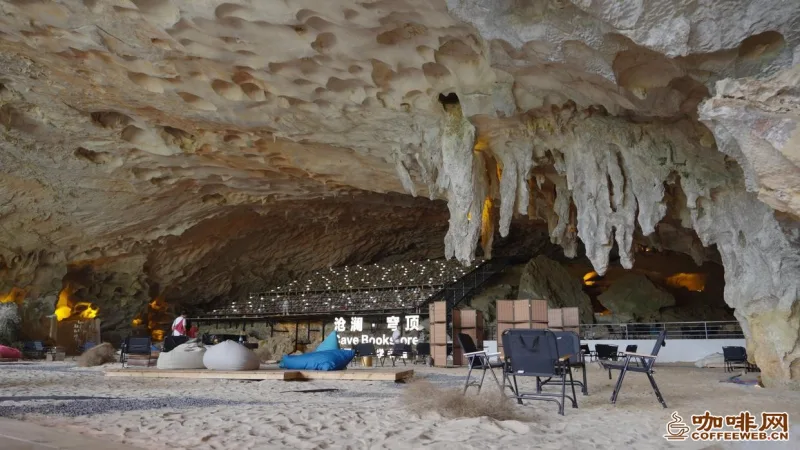
The core vehicle for coffee-tourism integration is distinctive consumption scenarios. Drawing on its karst landscape and summer-resort advantages, Guiyang has built a three-tier coffee consumption scene — urban trend, alleyway arts, and mountain wilderness — linking internet-famous spots such as cliff cafés and cave cafés from scattered “check-in points” into connected “experience belts,” turning coffee enthusiasts into visitors who actually arrive and stay, and turning one-off check-in traffic into comprehensive cultural tourism spending on food, lodging, transport, tours, shopping and entertainment. Lei Yun, owner of the Canglan·Dome Cave Heart-Learning Bookhouse Café in Xiuwen County, said that more and more customers now travel across provinces specifically to check in, and many tourists from Hunan take the high-speed rail to Guiyang for the weekend, arranging a two-day, one-night short trip around a single cup of coffee.
Results take shape
From “consumption fad” to “lasting industry”
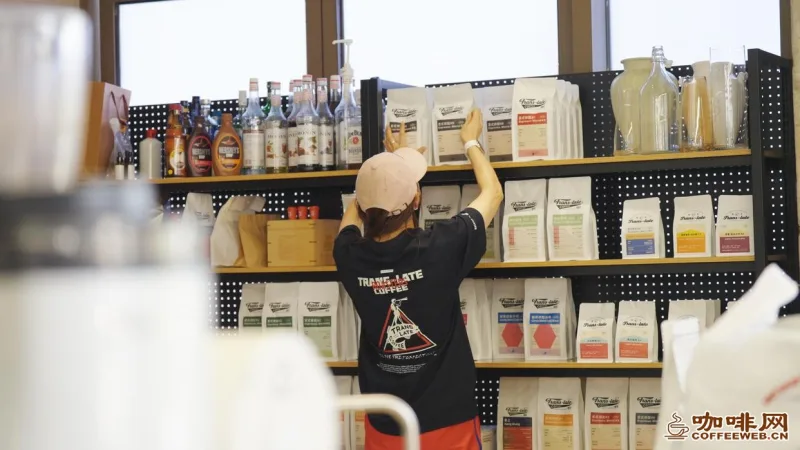
Drawing on the city’s character as a “city of a thousand parks,” many local coffee brands have opened stores inside urban parks, creating differentiated “scenario + coffee” experiences; community coffee shops blend local mountain flavours such as fish mint, roxburgh rose and litsea cubeba into coffee products, letting Guizhou’s distinctive flavours collide with coffee aroma in a taste that belongs uniquely to Guiyang. Equipment at the Hengguan coffee roasting factory runs non-stop, with bags of beans shipped to specialty coffee shops across the city and, through online channels, into the homes of coffee lovers nationwide. Guiyang is gradually growing from a single coffee consumption market into a regional specialty roasting output hub.
In 2025, the “Cool Guiyang · World Flavours Carnival” drew 160,000 visitors in three days, with the coffee market generating 1.5 million yuan in transactions and driving 1.95 million yuan in related spending; in July 2026, the China final of the World Brewers Cup landed in Guiyang for the first time, a milestone in building the “city of coffee champions.”
At present, the city has more than 3,000 coffee shops, with annual coffee consumption growth of 18%, leading the country; six local brands have obtained SC food production licences; the Wenchangge area of Yunyan District has more than 40 coffee shops, with daily cup output exceeding 1,000; the city has 7,743 valid coffee trademarks, with new trademarks in 2026 up 28.4% year on year.
Zhou Ji, head of the Consumption Promotion Division of the Guiyang Municipal Bureau of Culture, Radio, Television and Tourism, said the next step will focus on three areas: deepening coffee-tourism integration by expanding “coffee + intangible cultural heritage, study tours, rural revitalization and industrial tourism” formats, developing immersive products, building demonstration sites and quality routes, and bringing coffee into scenic areas, resorts and transport hubs; enriching consumption scenarios by building distinctive districts in urban areas, developing differentiated spots in the mountains, extending into communities, industrial parks and campuses, supporting crossover integration of coffee with bookstores, art museums and campsites, and striving to add 600 new market entities by 2027; and strengthening brand promotion by amplifying the “city of champions” IP, precisely attracting visitors to “travel to a city for a cup of coffee,” organizing local brands to go out, and strengthening intellectual property protection, so that “champion traffic” truly settles into “industry retention.”
Reporters: Yan Mei, Yang Xiaolong
Reprint Notice & Disclaimer
This article has been edited and compiled by China Coffee Network. The information and images therein come from public sources and the copyright belongs to the original author. This reprint is intended solely for information sharing within the coffee industry and does not represent the views of this website; all data and opinions are subject to the original article. Our thanks to the original author for creating and sharing it.
For matters concerning content licensing, attribution, copyright or otherwise, please contact us promptly and we will verify and cooperate in handling them as soon as possible. We also welcome coffee origins, brands and industry media to exchange ideas and contribute articles.
Contact China Coffee Network: Tel 400-0000-641 (+86-18288016826) | Email 405854472@qq.com | Address: Jinghong, Xishuangbanna, Yunnan Province / Tieling, Liaoning Province




 Liaoning ICP Security No. 21122402000217