
We are not doing art, we are solving a problem: how to make a forgotten place see again.
I climbed a mountain for a coffee shop
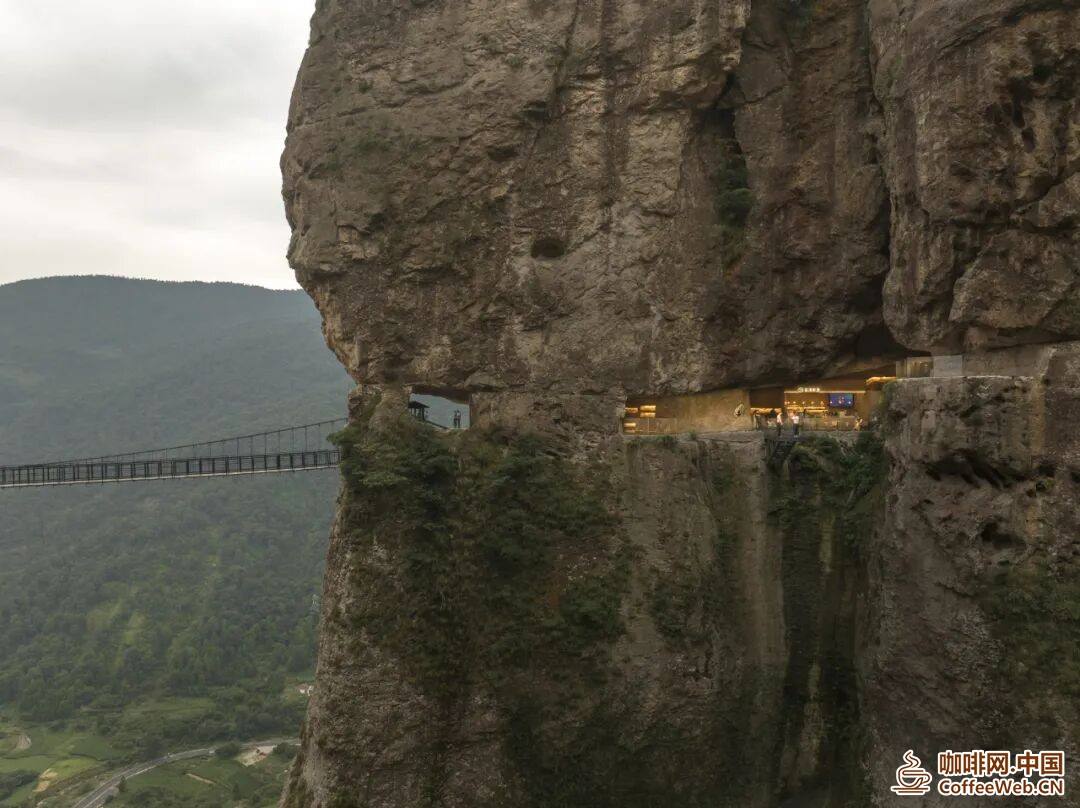
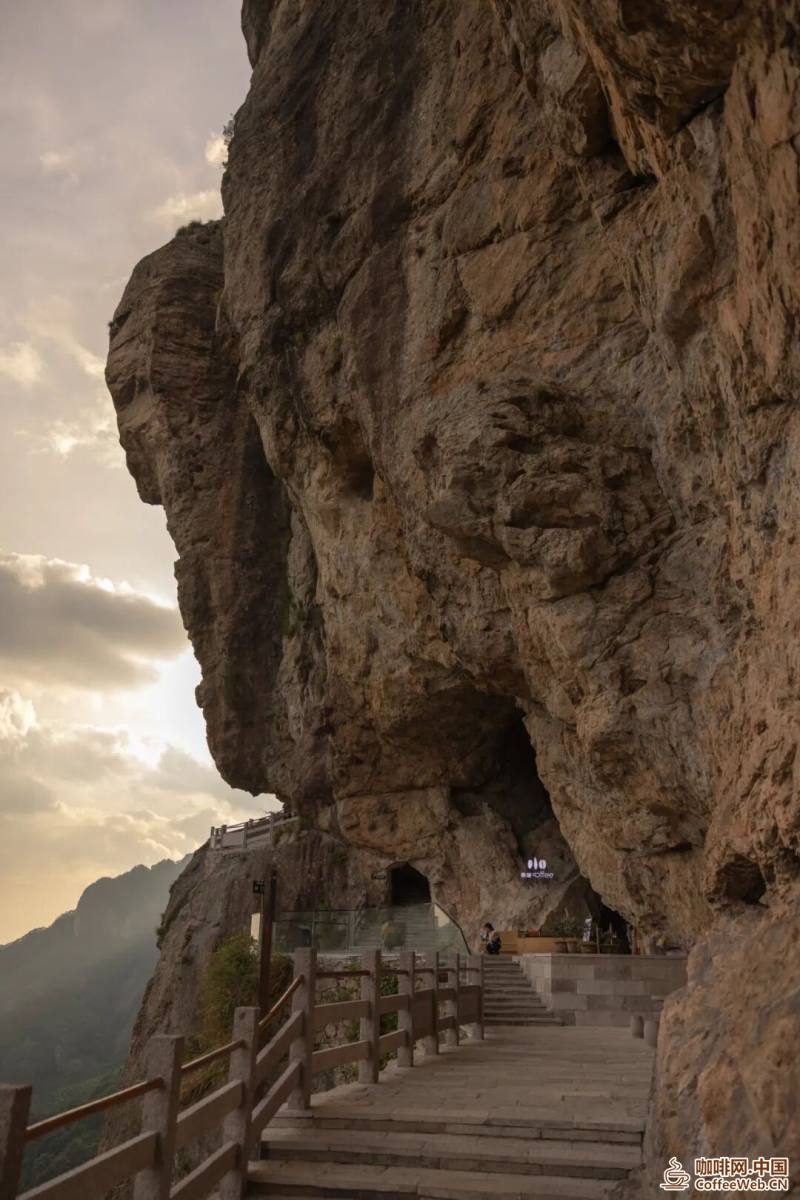
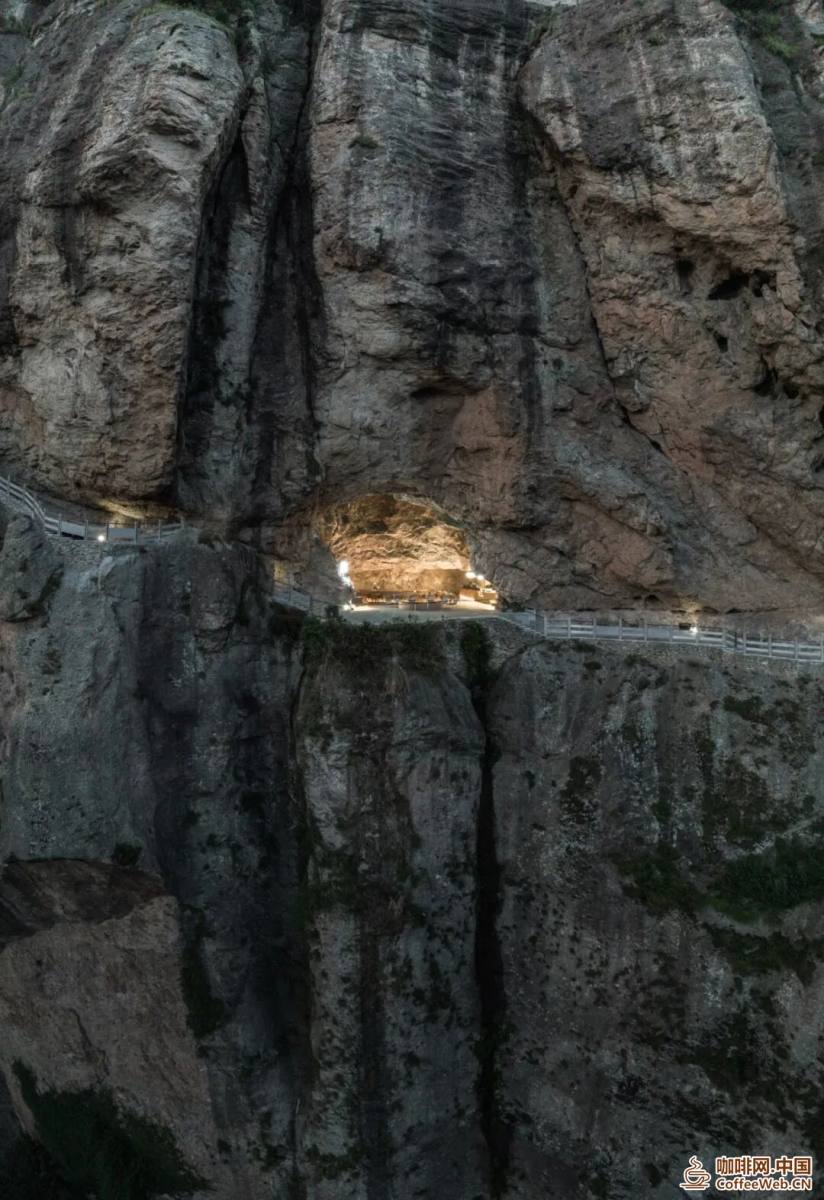
During the spring outing, more and more fashionable young people are eager to try – just for a stunning coffee shop on a 600 meter cliff.
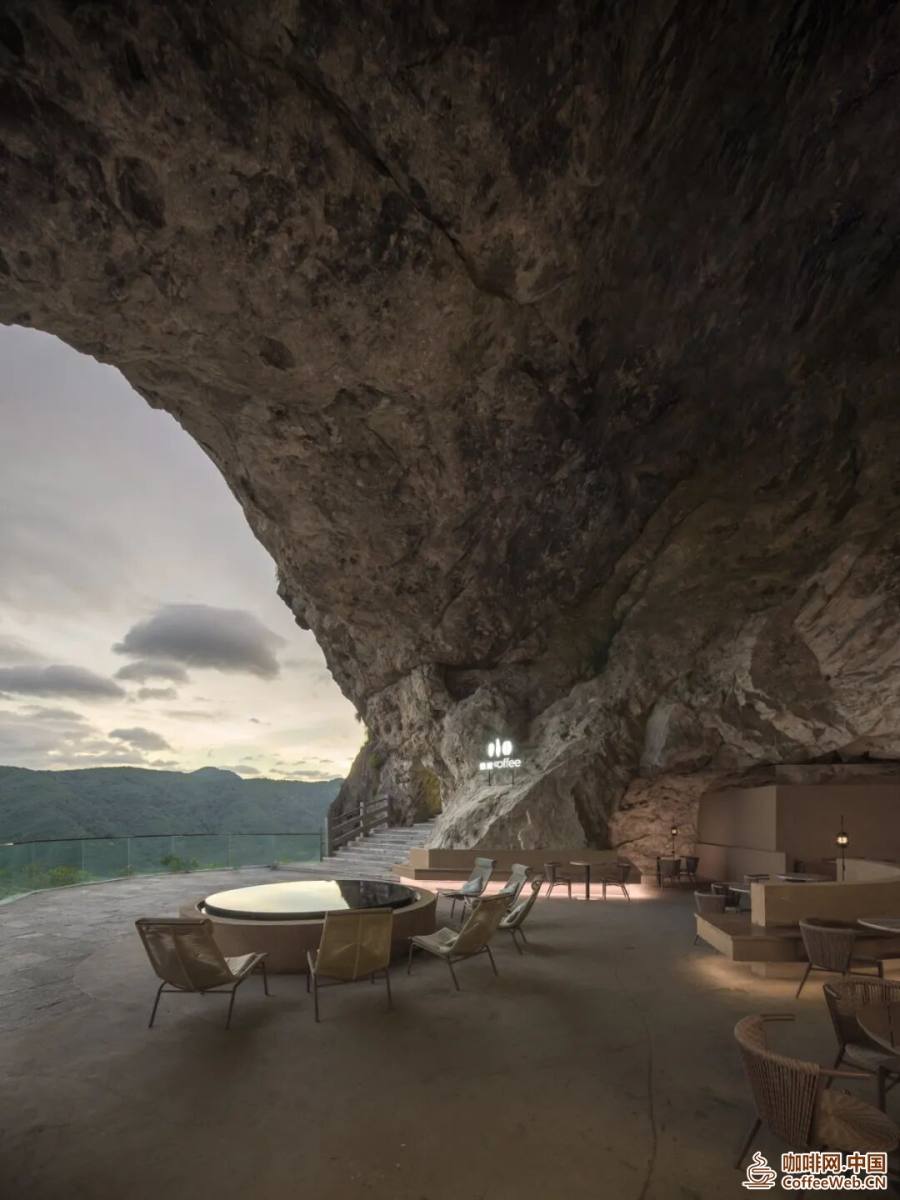
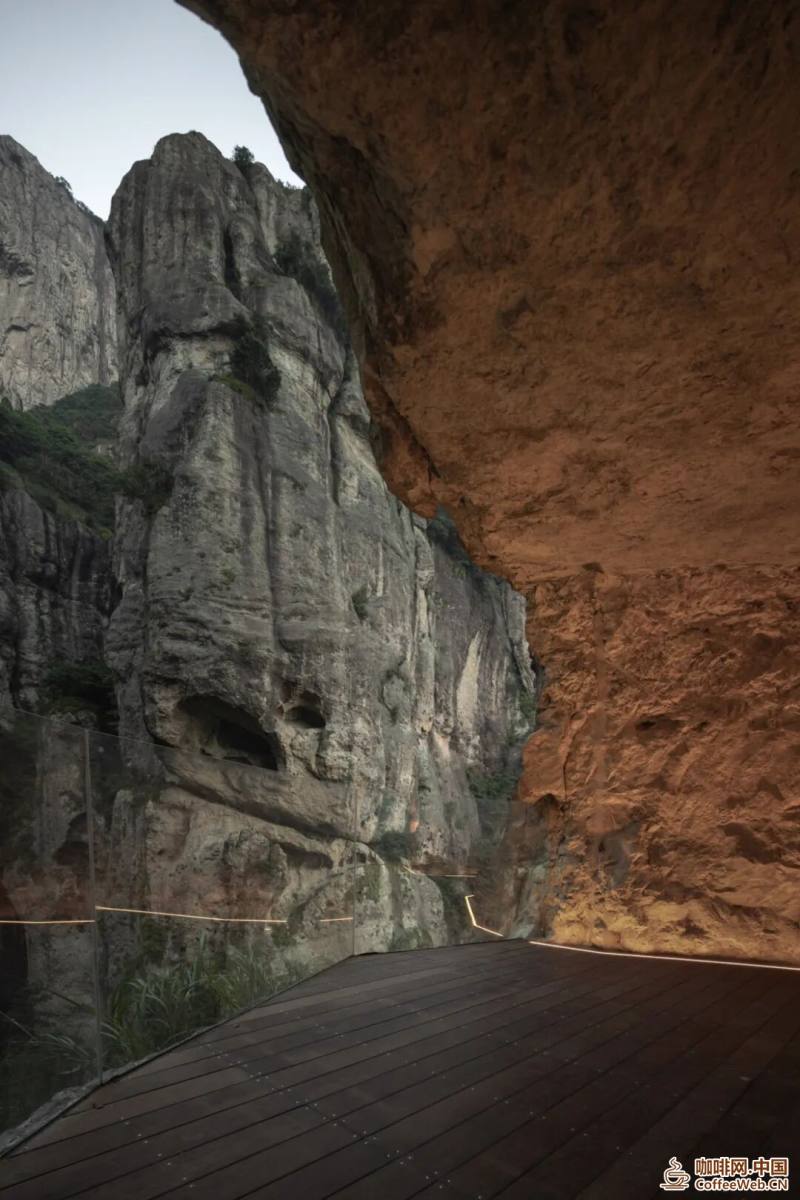
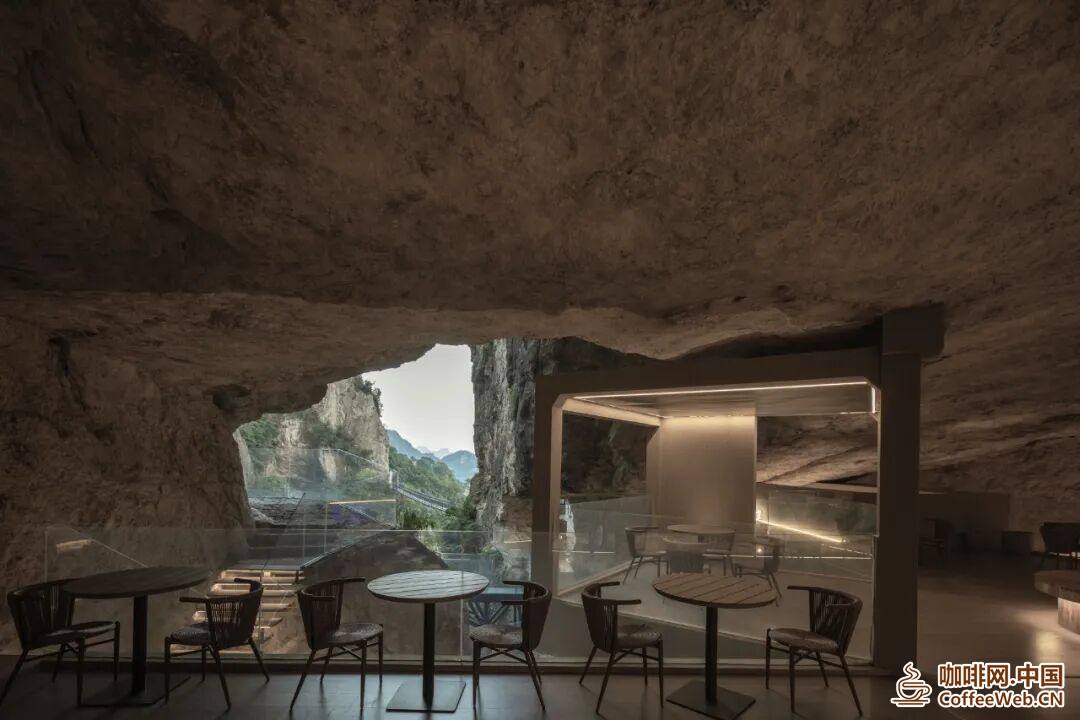
In the huge cliff cave, order a latte and watch the sunlight penetrate through the crevices, casting changing light and shadow on the rough cave walls. Underneath your feet is a sea of clouds churning and deep valleys stretching thousands of feet
It meets the social needs of young people and maximizes their emotional value.
This is the scene of "Cliff Coffee" in Yandang Mountain. Since its opening, it has quickly become a darling of social media, selling nearly a thousand drinks per day as a new check-in destination.
Is it an accidental internet celebrity style explosion, or a carefully crafted inevitability?
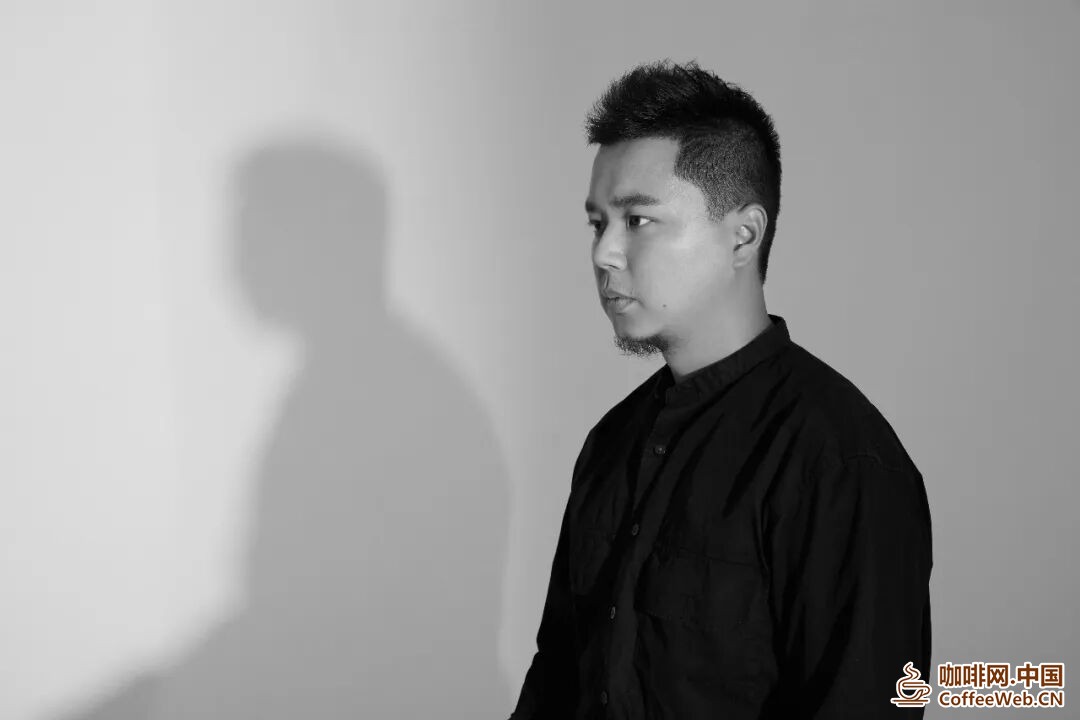
Behind it, Xu Jinglei is both the chief designer and the operator, but he is particularly low-key.
At the end of last year, he won the global annual award at the Andrew Martin International Interior Design Awards. This recognition from the design industry's "Oscar" also confirms that Cliff Cafe is not an ordinary internet celebrity space.
In March of this year, at the "Design Shanghai" event, we met Xu Jinglei, the founder of Slow Coral Design.
He defined "Cliff Coffee" as a practice of revitalizing traditional scenic spots, and its true value goes beyond the design itself.
Drinking a cup of coffee in the cave
Enjoying the relaxation of a sea of clouds and sunset
For people from Jiangsu, Zhejiang, and Shanghai, Yandang Mountain is both familiar and unfamiliar.
It was featured in National Geographic magazine and was listed as a World Geopark by UNESCO in 2005.
Here, you can see the sea of clouds surging among the mountains, the strange scenery of billions of years of volcanic rhyolite intertwined with morning light, but it is really difficult to attract the new generation of young people.
However, nowadays when you take the cable car into Fangdong Scenic Area and walk for about 15 minutes, you will definitely encounter "Cliff Coffee". Many fashionable girls are here to express their love for the scenery, and one is hard to find.
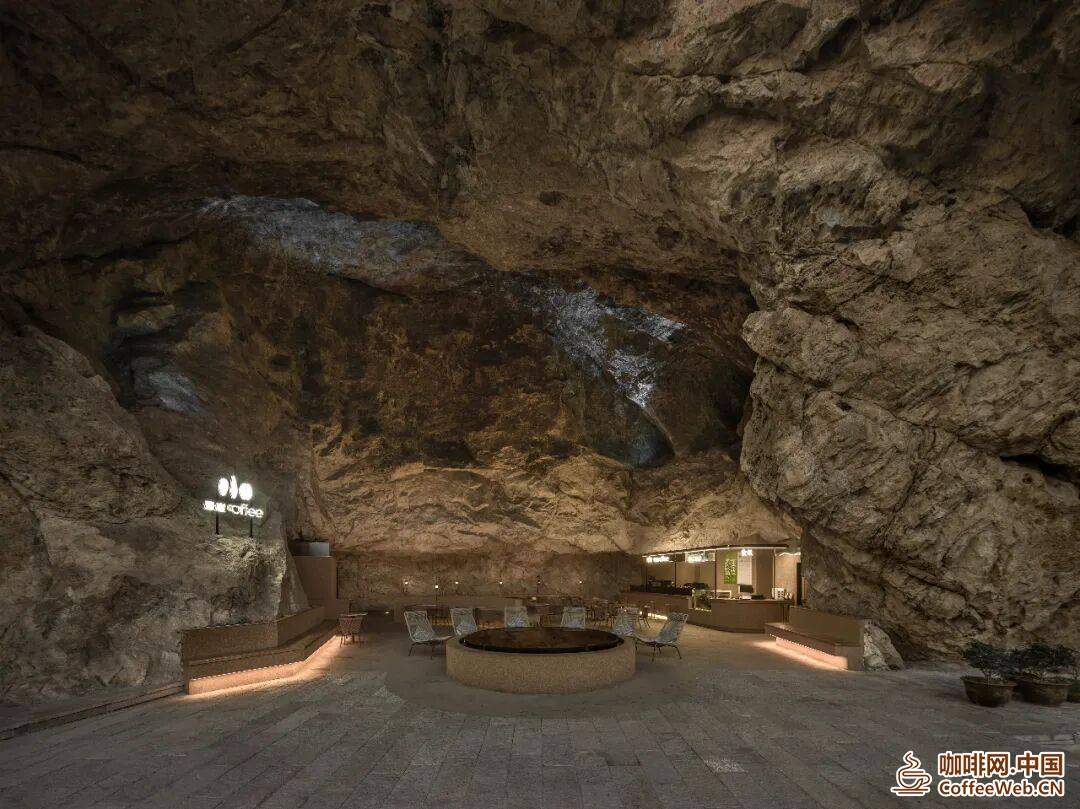
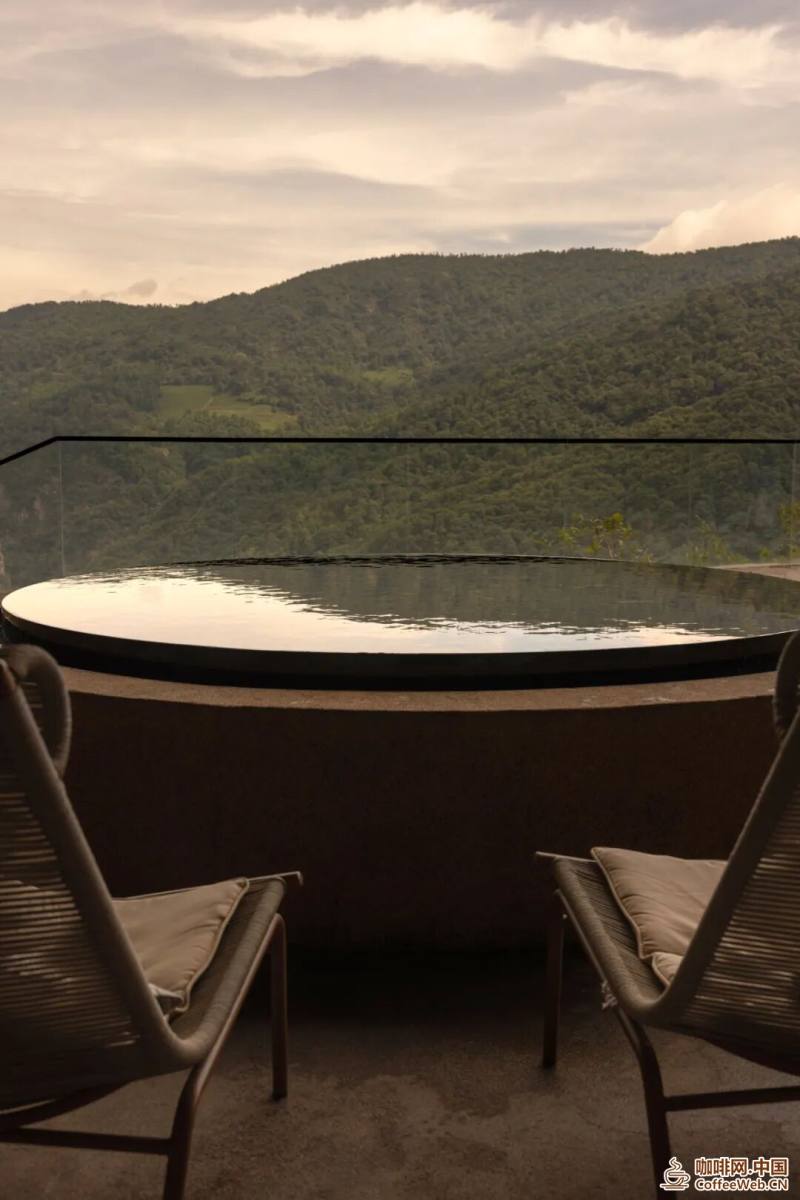
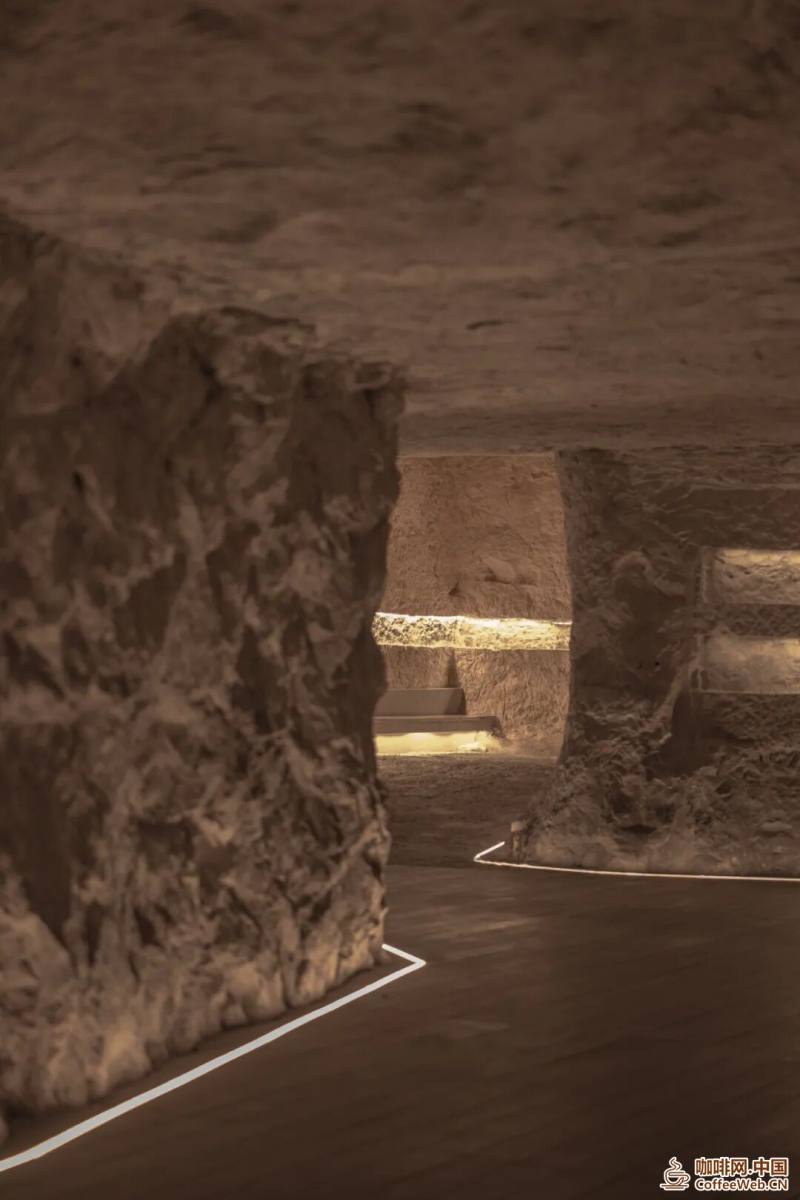
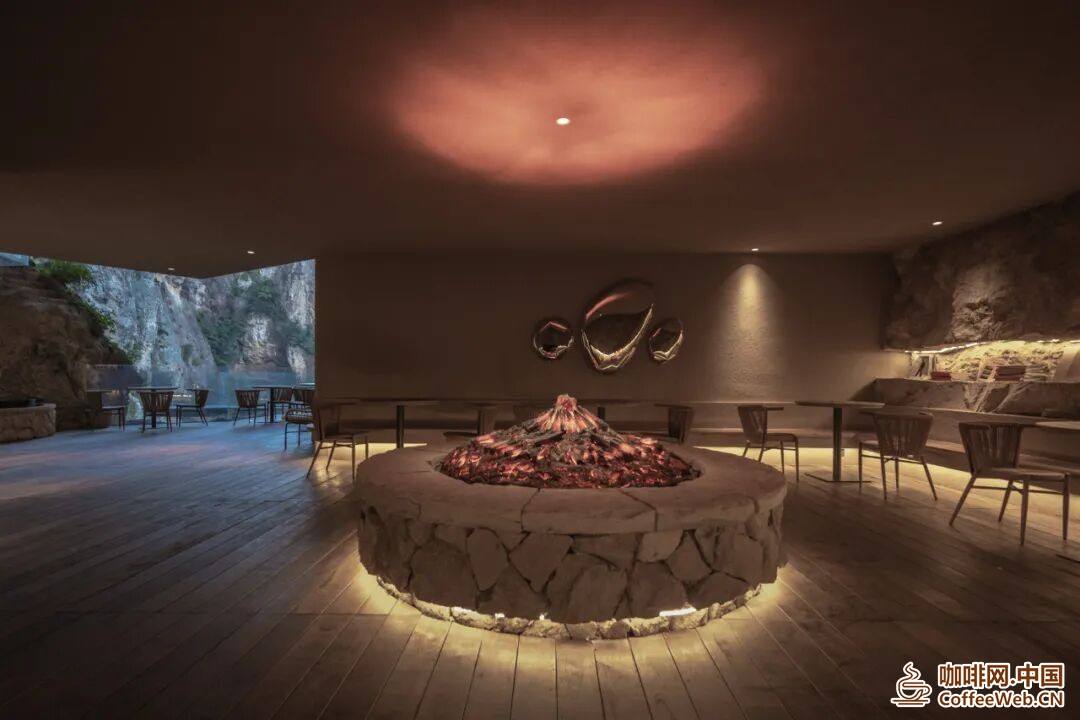
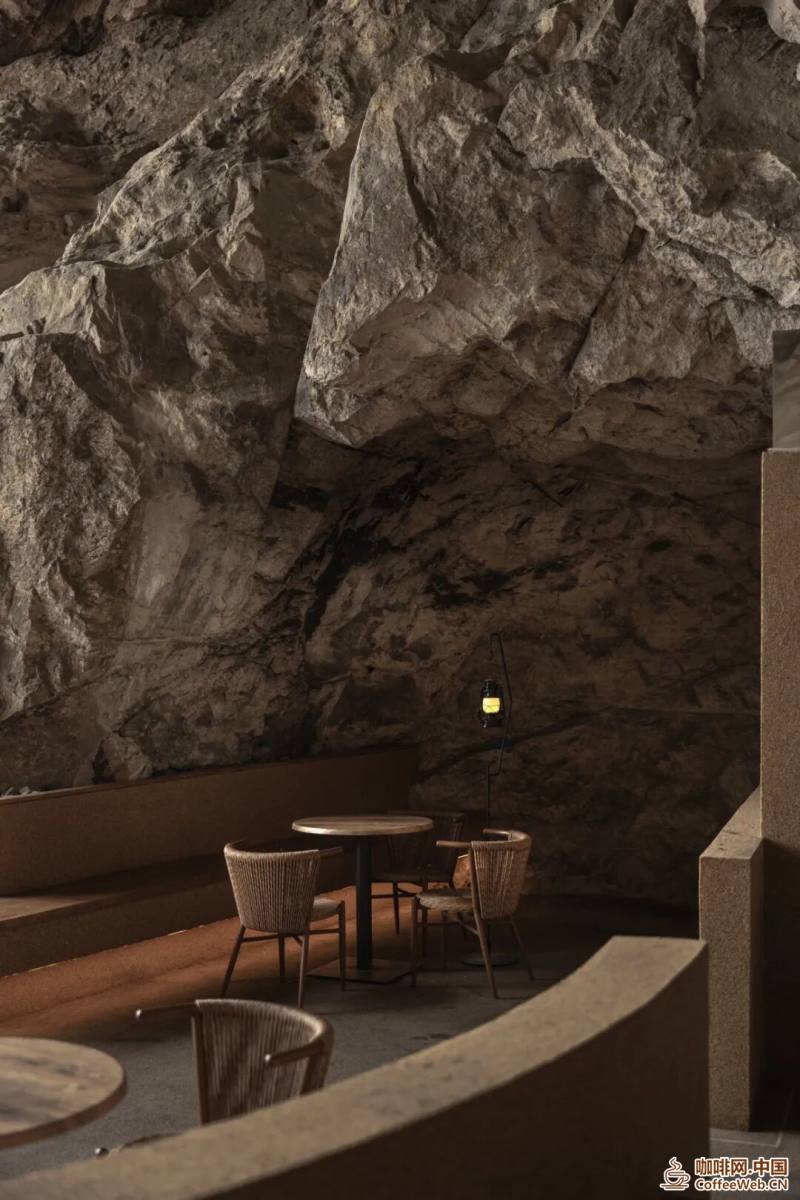
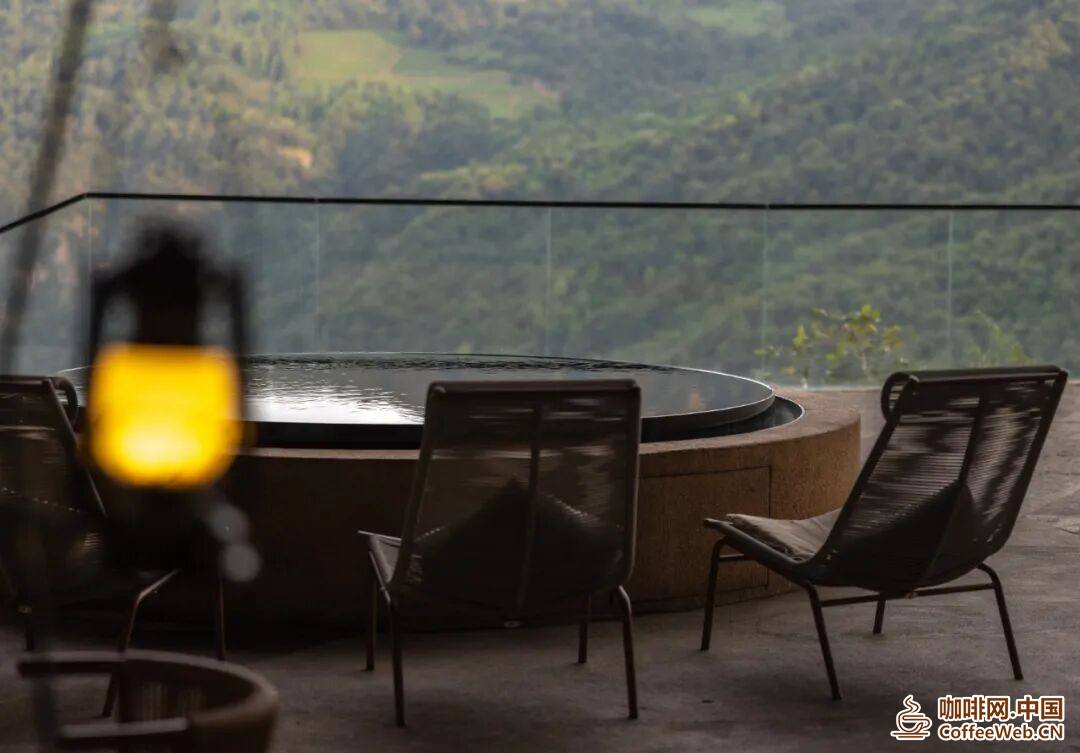
It is located in a huge cave and open to everyone. The bar counter and seating area are humbly embedded in the depression of the rock wall, with a bay of "mirror water surface" reflecting the top of the rock and the sky.
Xu Jinglei withdrew his design from the background and spent over 20 days using only the simplest materials and modern minimalist lines to highlight the rugged and natural beauty of the natural cave.
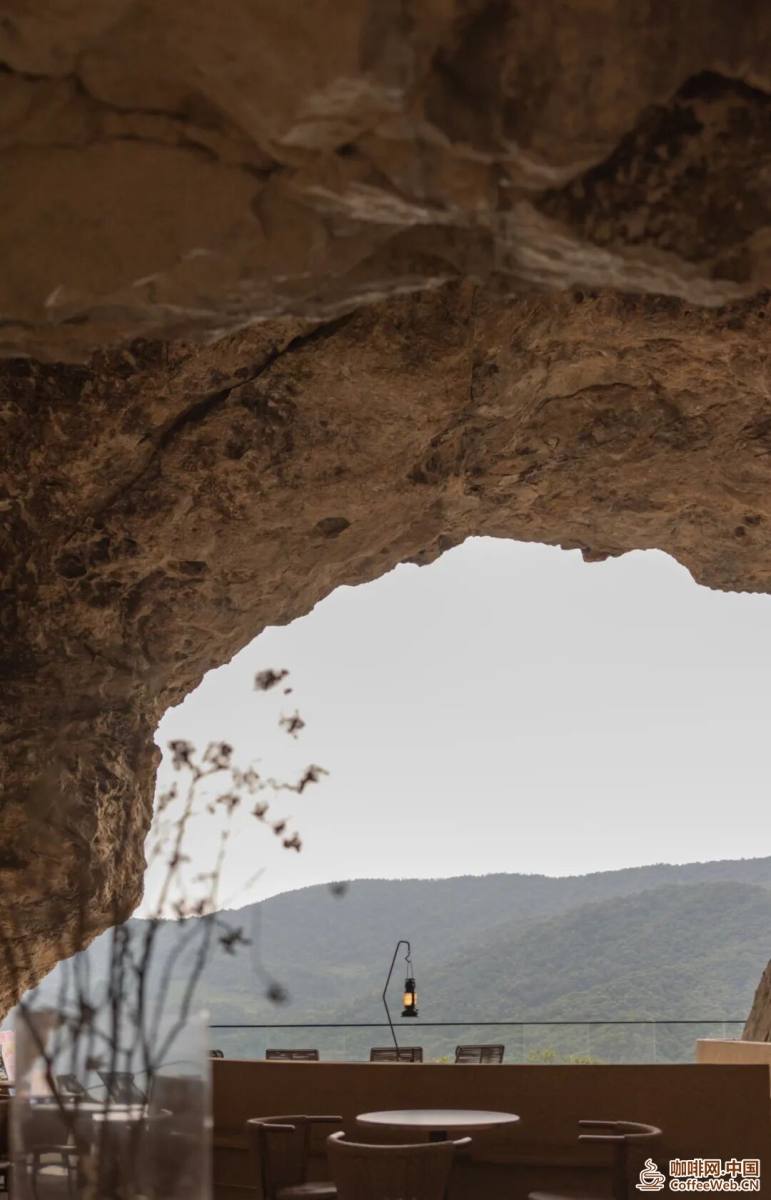
On one side is the cave texture of cliffs and steep cliffs, and on the other side is the beautiful peaks and waters of Yandang Mountain. Looking up, you can see the stalactites on the cave roof, and looking down, you can enjoy the waves on the water surface. The outline shape of the cave becomes the best framing frame.
On a spring morning, sitting in a magnificent cave overlooking the mountains, one can see the sea of clouds and enjoy a unique scenery; In the afternoon, one can bask in the warm sunshine.
No wonder some people say that here, drinking is not coffee, but a sip of "immortal qi" infused with mountain spirit and cloud spirit.
It is not only a perfect resting place during mountain climbing, but also an immersive field that allows people to "sit with the clouds and drink with the mountains", completely changing young people's perception of traditional scenic spots.
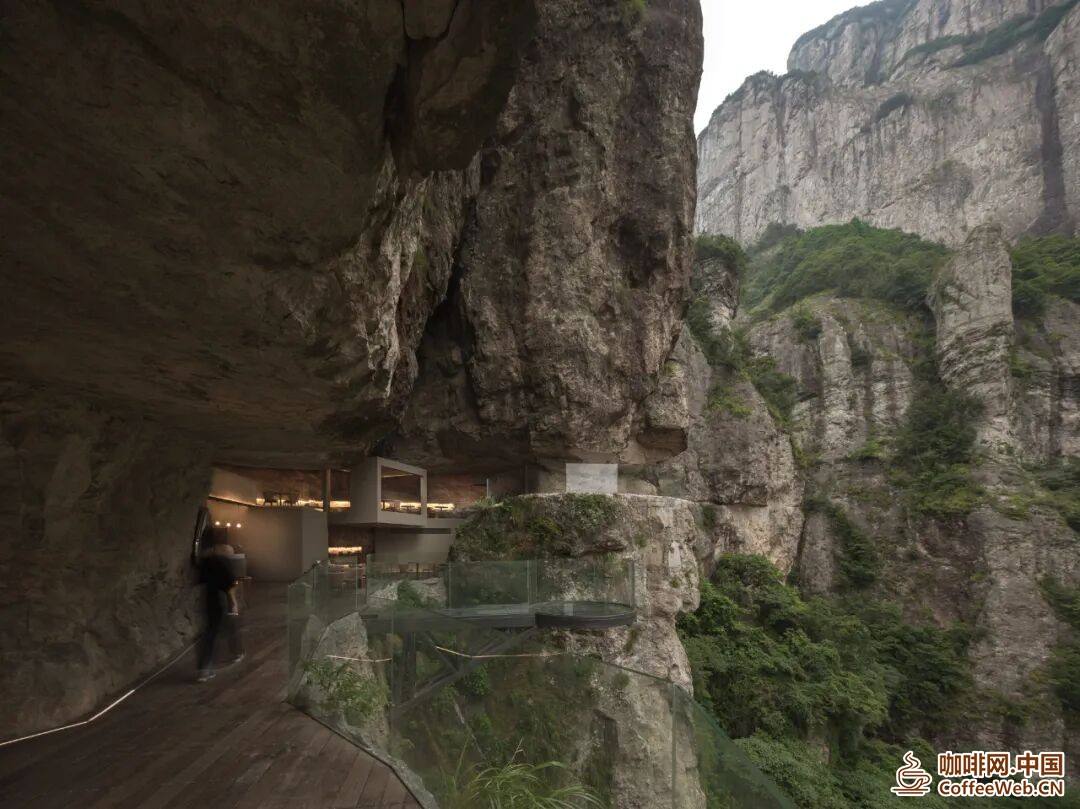
Continuing forward, you will encounter 'Cloud Picking Light', which stands in a cave near the Chain Bridge leading to the Lingyan Scenic Area, with a unique location.
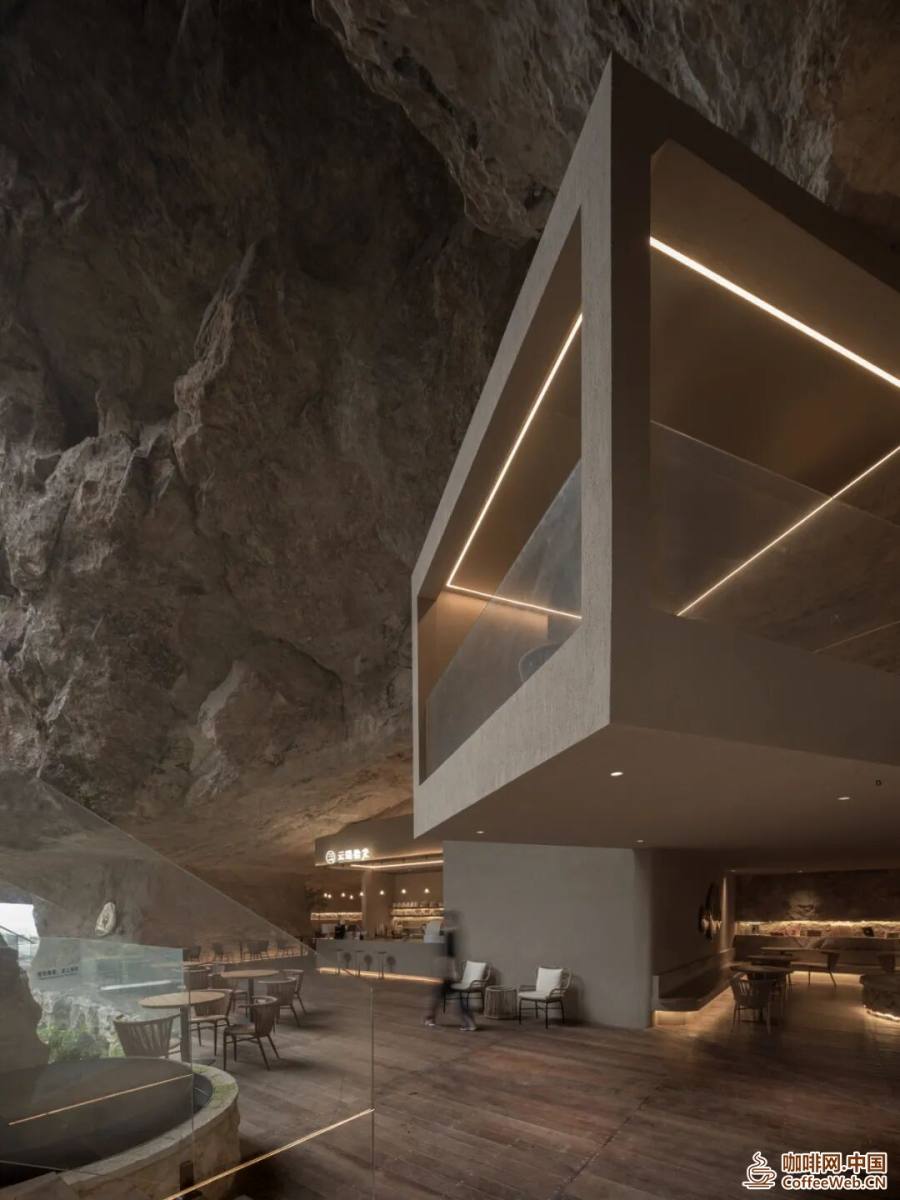
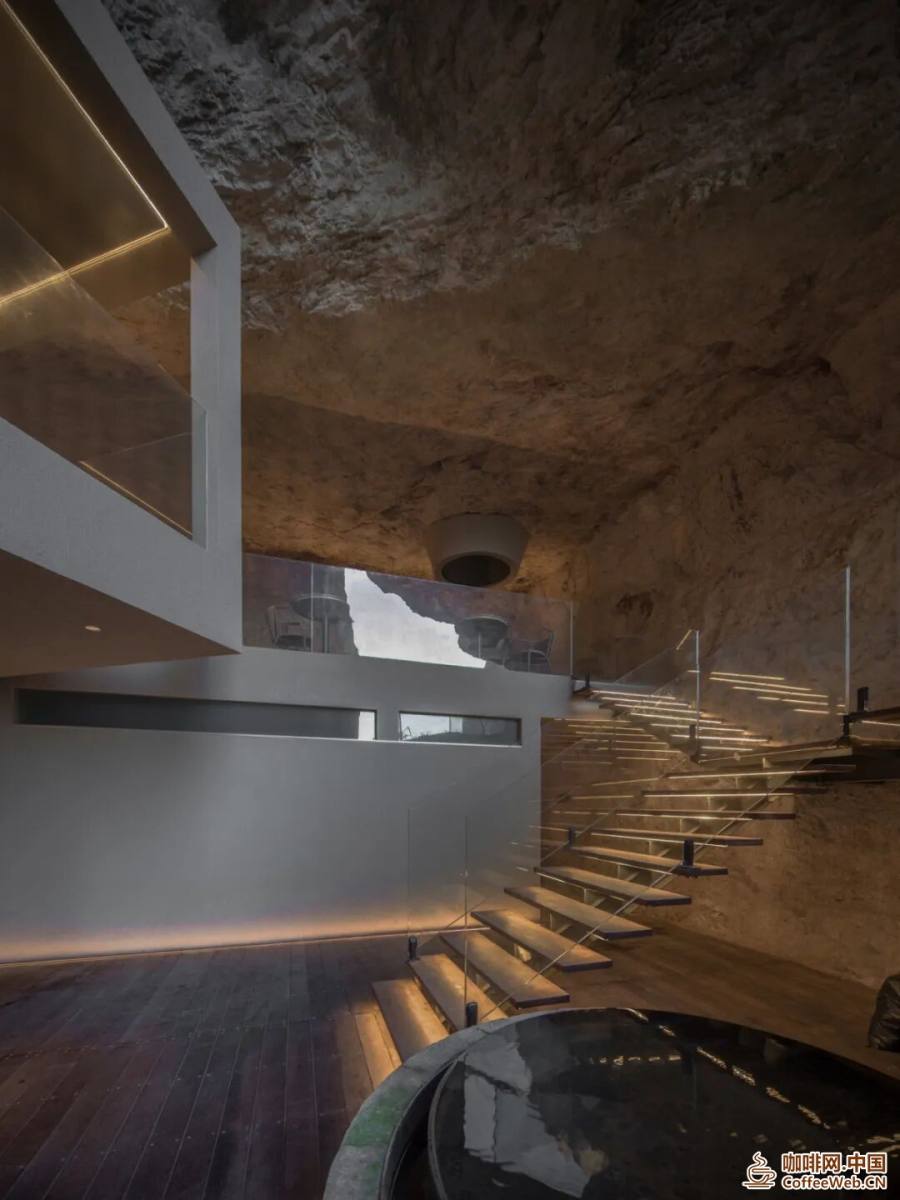
The design here has a more artistic sense, introducing the concept of a garden in the cave. You can walk up and down in a limited space, enjoying the fun of exploring the cave.
The most popular natural feature is the soaring glass observation deck, where minimalist lines and the rough texture of the cave create a dialogue. Light and shadow outline the shape of time on the stairs, allowing people to blend perfectly with nature.
In the bathroom, it still retains the rocks of the mountain, echoing with the wood and stone slabs, with a rough yet delicate humanistic care.
Many design practitioners can't help but exclaim here: at first glance, it's a visual shock, but in detail, it's enveloped by this delicacy.
In Xu Jinglei's view, cultural tourism does not require piling up design techniques, but rather to create vibrant vitality for this land, allowing people to use their five senses to communicate with nature in this environment.
These two cliff cafes are hidden in caves at an altitude of several hundred meters.
Their popularity began at a seemingly accidental point in time.
Xu Jinglei recalled that the project opened on the first day of the Lunar New Year in 2024, coinciding with the wave of returning home in Wenzhou.
The local morning exercise residents climbed the mountain as usual and accidentally walked into this familiar yet unfamiliar cave, discovering that "the whole scene and the spiritual atmosphere created were completely different".
After being surprised and pleasantly surprised, this space quickly became a topic of conversation through word-of-mouth and the proliferation of social media.
They were surprised when such a traditional scenic spot in our area would have such a bold breakthrough, "Xu Jinglei said." The traffic naturally exploded
The most beautiful thing is that no one looks up
How to attract young people to aging scenic spots
Unlike many internet famous catering projects that boast of "stunning scenery", the moment the Slow Coral team stepped into Yandang Mountain, they were not simply designers, but brought a composite perspective of operators and scenic area updates.
At that time, Yandang Mountain was a typical representative of many traditional scenic spots, with an aging population of tourists and a single business model.
How to revitalize this world-class geological park and allow young people to enter is the most important challenge in front of Xu Jinglei.
During the survey, Xu Jinglei discovered that this cave hidden near the main entrance of Fangdong Scenic Area has long been just a passage for tourists to pass by hastily.
The natural landscape, which was originally exquisitely crafted, was obscured by the later stacked grid paving, and no one stopped to stop.
Anything done here is redundant, "Xu Jinglei admitted, and the team immediately made a bold decision: to remove all the later added burdens and" return "the cave body to nature and humans.
They spent more than twenty days cleaning, and when the original and magnificent cave texture was completely exposed, the team was deeply shocked.
We want everyone to be able to look up – many people look forward and outward, but no one looks up
Design has become a form of subtraction and guidance at this moment.
The team did not rush to implant the coffee industry, but first created a "cave theater":
Open up the enclosed space, set up minimalist booths and bars, and cleverly introduce a "mirror water surface", allowing visitors to gaze at this geological wonder from the new dimension of water reflection.
All human intervention is light and restrained.
Coffee was the last thing the team considered introducing.
Xu Jinglei revealed that at that time, this idea was seen as a huge challenge, after all, in Yandang Mountain, where young people rarely set foot and climbers are mostly elderly people doing morning exercises, who would come specifically for a cup of coffee?
Now, young people are not only here, but also willing to pay for such experiences. According to statistics, the Fangdong Scenic Area used to have an average of about 6000 visitors on golden Sundays, but now it can reach 16000 visitors during peak hours.
And Martin Waller, the founder of the Andrew Martin International Interior Design Award and the father of British interior design, said in his evaluation of the Yandang Mountain Cliff Coffee project:
It can be regarded as a model of cultural and tourism revitalization, successfully attracting young people and enhancing social and economic value through the revitalization and utilization of idle rural land in China
The explosion of Cliff Coffee has also sparked some controversy. Due to the unrestricted non consumer customers in the store, a large number of people taking photos and checking in during peak seasons make the environment noisy for those who only want to have a quiet cup of coffee and enjoy the scenery.
In Xu Jinglei's view, the original intention of doing this project is to "activate" it, not to make the project itself popular, but to make it popular and activate the entire scenic area.
Cliff Coffee "is just one of the nodes planned along the Yandang Mountain.
In Xu Jinglei's planning, by continuously creating multiple such "acupuncture and moxibustion points", the huge flow of people will naturally be dispersed to the whole scenic spot and surrounding villages, forming a virtuous circle.
Traffic is seen here as a differentiable resource used to activate the overall situation, rather than the ultimate goal.
Design is not just about creating wonders
Tourism is not just a cup of coffee
The success of Cliff Coffee has brought the name "Slow Coral" from the design circle to the public eye.
But behind this is a design philosophy that Xu Jinglei and Slow Coral have explored in their cultural tourism.
Xu Jinglei has designed numerous exquisite high-end restaurants in the past, but his approach is more focused on considering the depth of the space, how to integrate with the surrounding natural environment, rather than how to make the interior decoration magnificent.
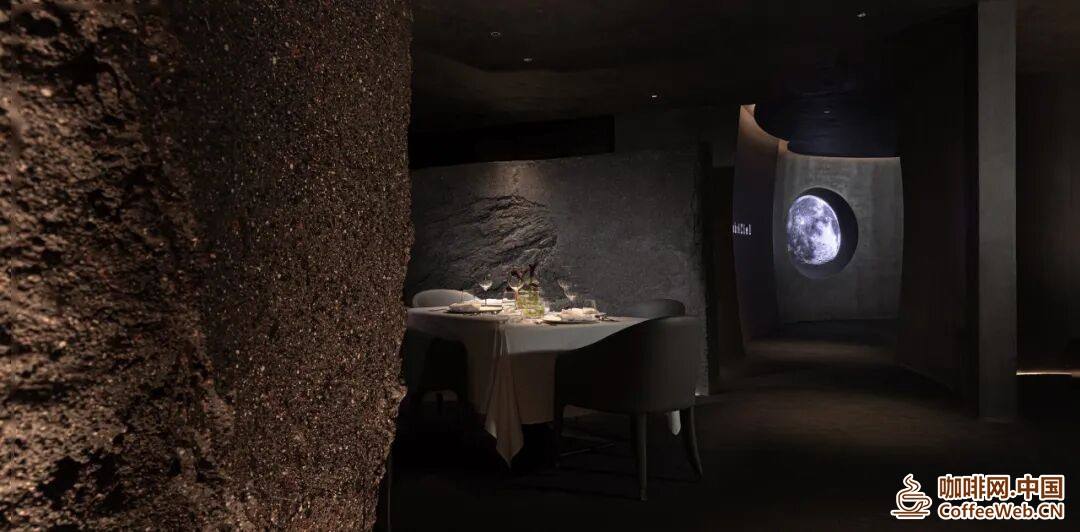
The most typical example is designing a high-end French restaurant with an average consumption of up to 3000 yuan per person.
Xu Jinglei has abandoned all the materials that are eye-catching, instead using plastic flooring and imitation stone paint to create a quiet and restrained atmosphere, allowing diners' attention to return from surface decoration to the ingredients and service itself.
In Xu Jinglei's designs, it has never been about filling up the space, but rather gradually stacking the essence of the spatial field in the process of operation and consumption.
Until the complete emergence of Yandang Mountain Cliff Coffee, Xu Jinglei once again felt that cultural and tourism projects must abandon the one-time development model of large and comprehensive investment.
Like acupuncture and moxibustion in traditional Chinese medicine, designers should focus their efforts on small and precise points, and use the smallest human intervention to stimulate the cultural and tourism vitality of the whole region.
He called this "acupuncture and moxibustion business", and with this concept, he began to enter more destinations, trying to wake up more places.
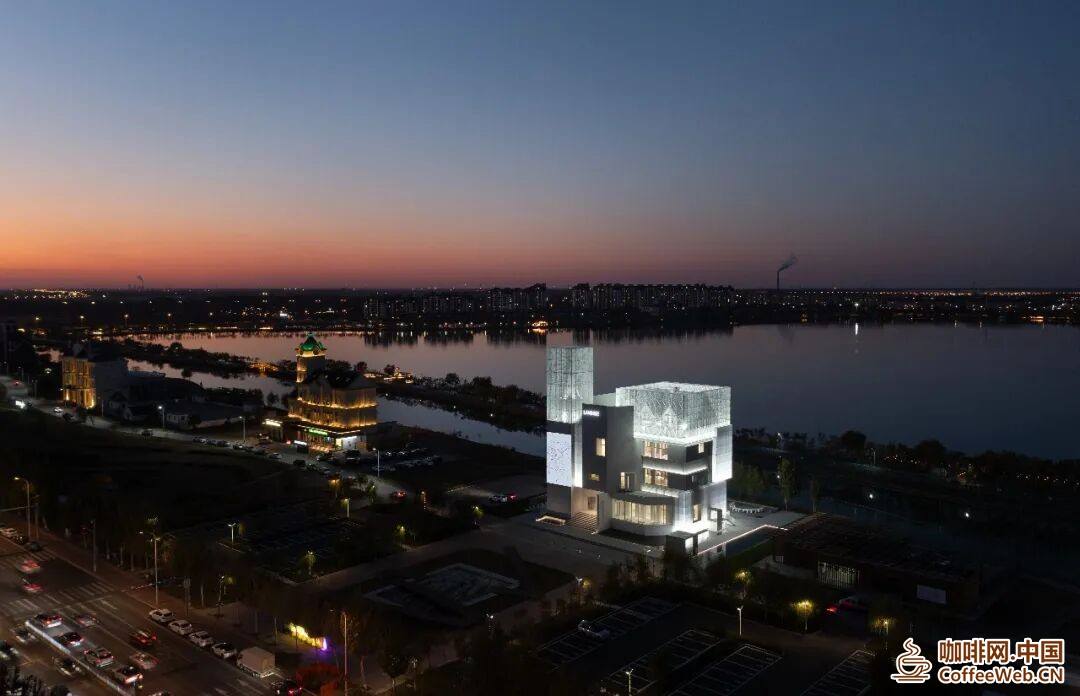
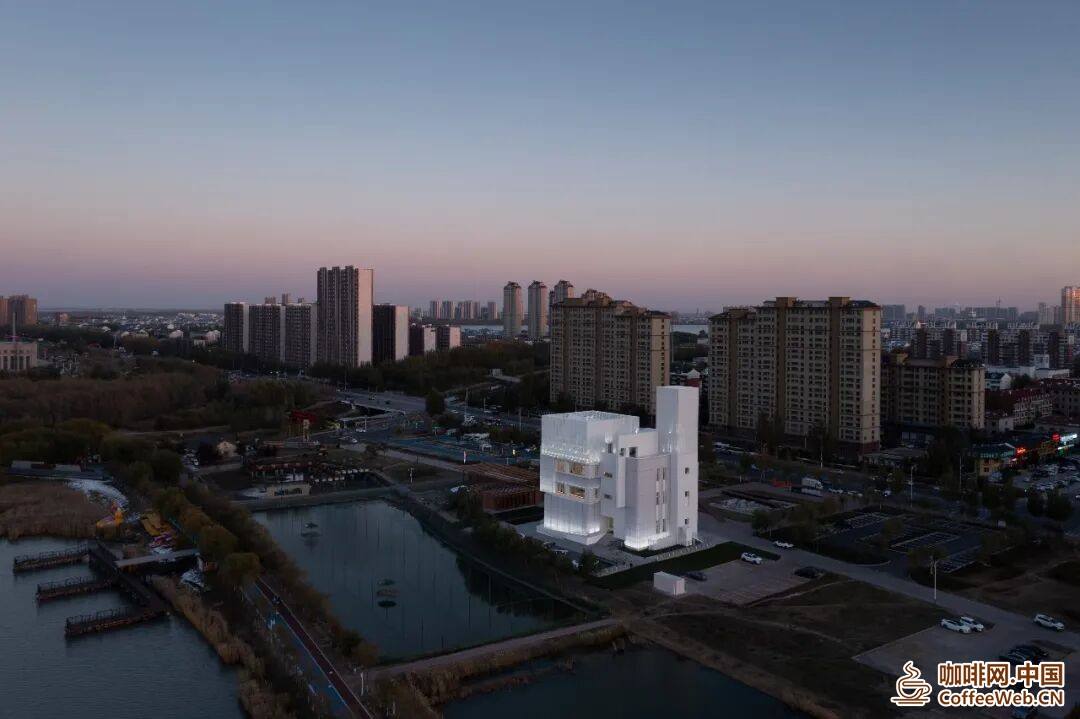
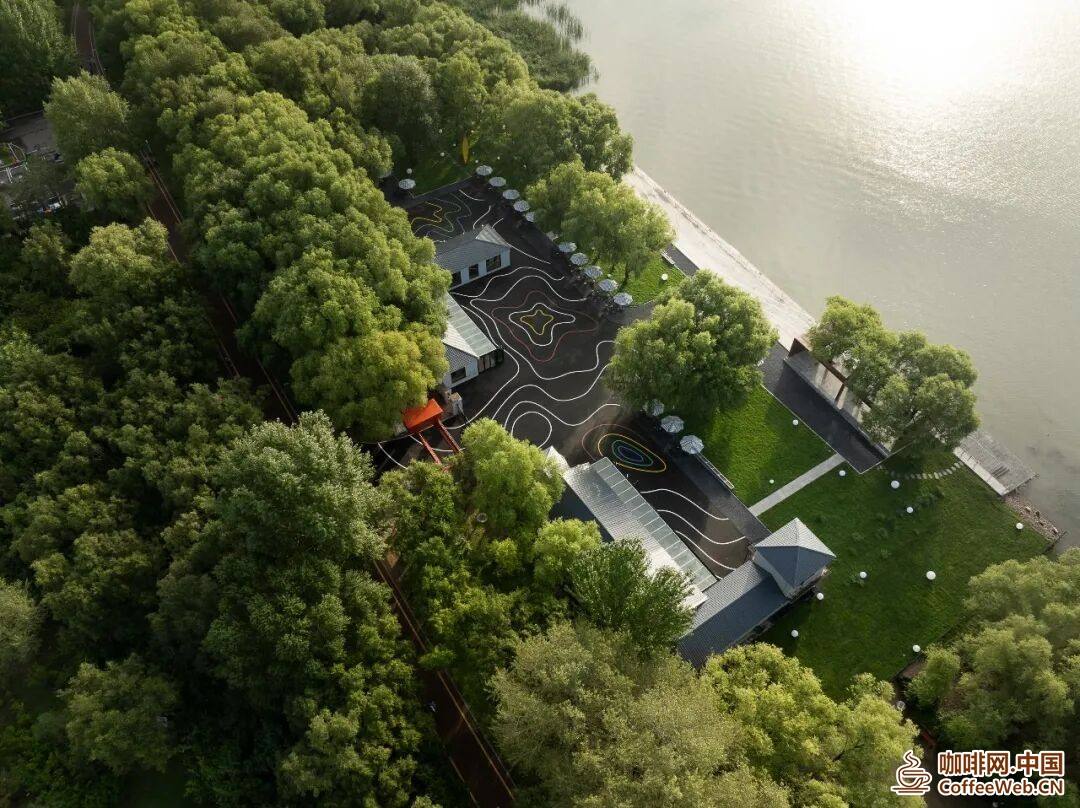
In Daqing, an industrial city that flourished due to oil but gradually fell silent due to the loss of young people, Xu Jinglei chose the soon to be abandoned "corner material" space to launch a micro renovation project.
Here, he created the coffee brand "Mengka" inspired by local mammoth fossils, which have been successfully implanted into schools, hospitals, and governments in Daqing, becoming a new magnet for attracting young people to return.
There are over 100 lakes in Daqing, each with a running track, but young people are unwilling to stay, "Xu Jinglei said." We have built a caf é and a public space, and many people have come here, saying, "So our city can do the same
This sounds a bit romantic. But Xu Jinglei said that what they are doing is actually very practical.
We are not doing art, we are solving a problem: how to make a forgotten place see again
In the subsequent planning of Yandang Mountain, the team continued to deploy points along the ridge line, transforming previously overlooked idle spaces into viewing platforms, lightweight tea rooms, and art installations.
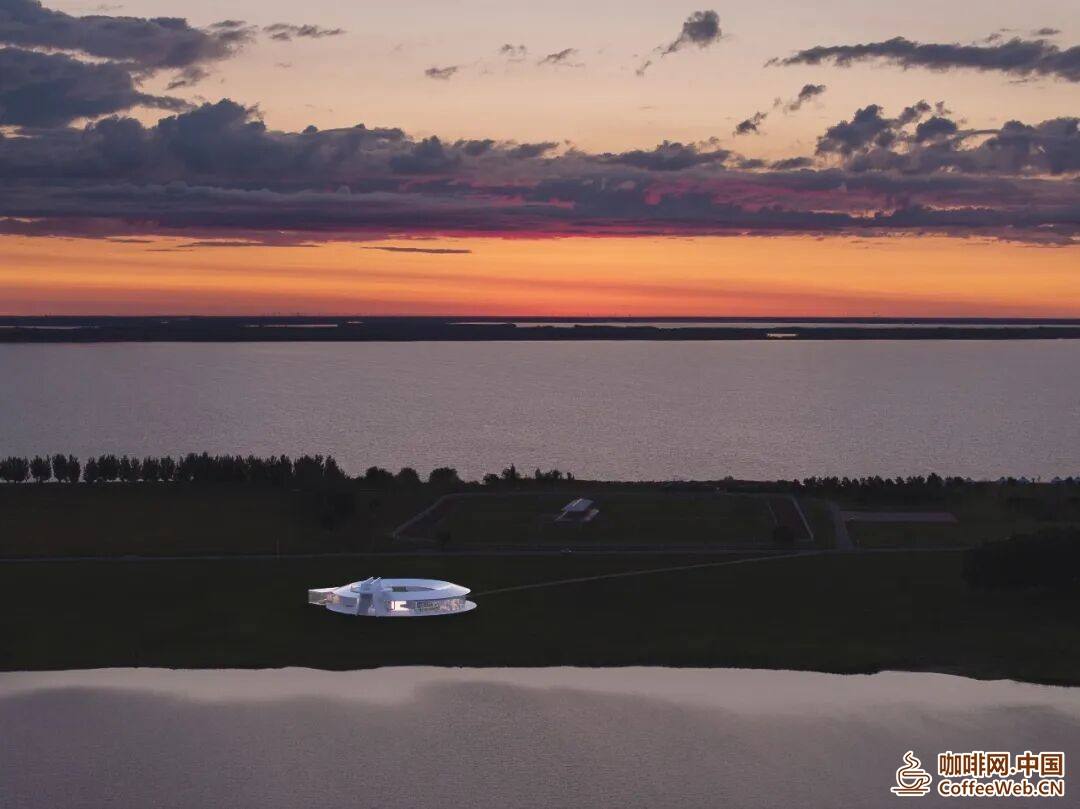
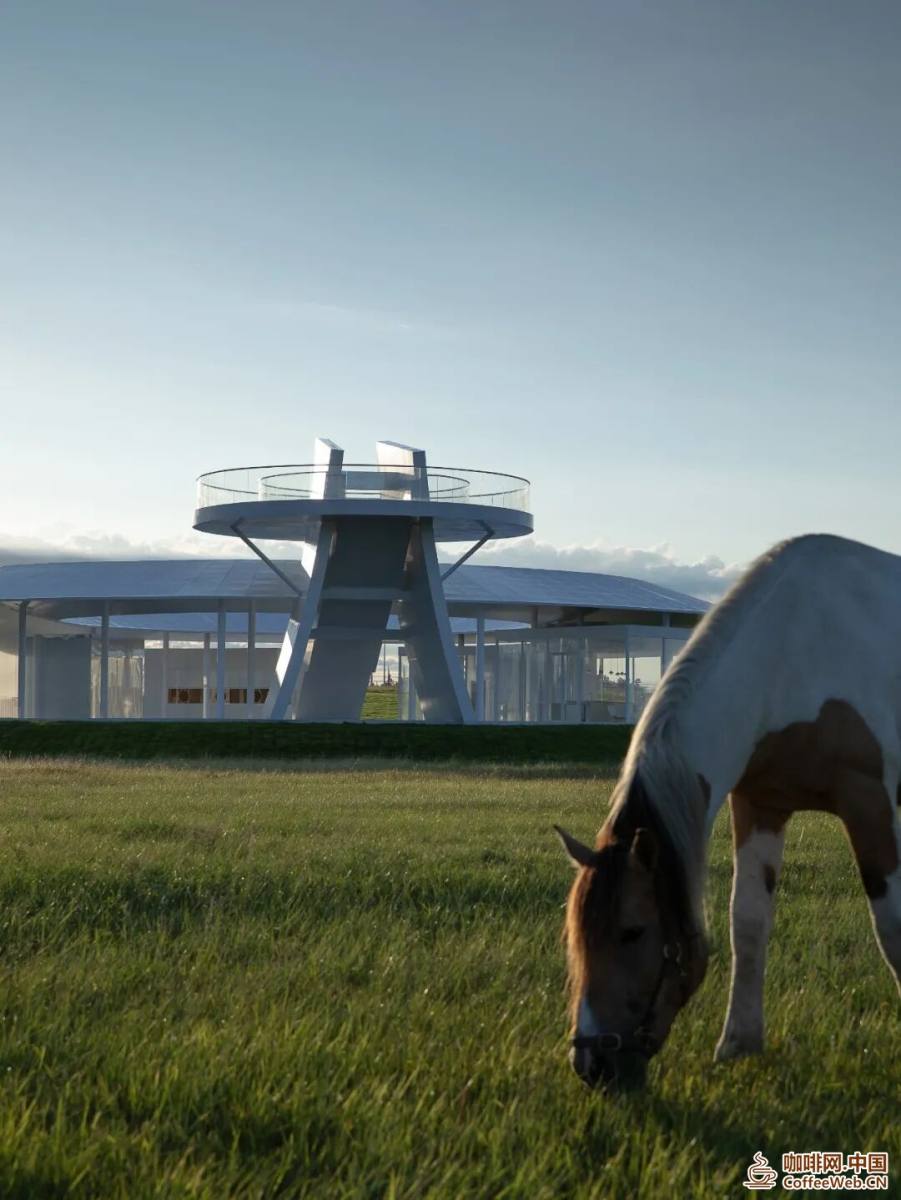
In the Grassland Ark project, they created the "Eye of Amuta" in the Amuta Scenic Area of Daqing, Heilongjiang Province, inspired by the circular totem of the Mongolian yurt, translated into modern architectural language.
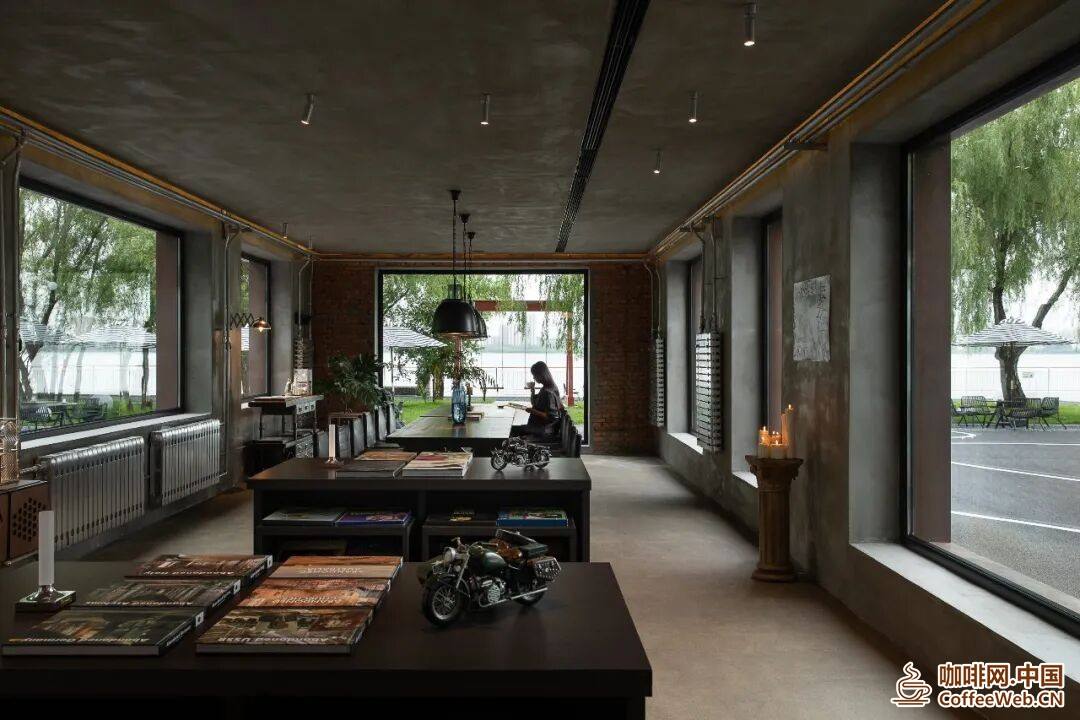
At Shenxianju Coffee, they transformed a semi completed supporting building into a caf é, retaining the original red brick wall and herringbone beam structure, introducing local "tadpole pattern" totems, and softening the space with weather resistant steel plates and curtain systems.
As a designer, Xu Jinglei said that in the design process, the most crucial thing is to "compromise".
What we do should make the locals feel that it is something they already have, but we have helped them rediscover it, "said Xu Jinglei.
There is no fixed style label, which means that every project needs to understand the land from scratch.
Choosing the cultural and tourism track is destined to make it impossible to seek safety in homogenization. What supports him to keep going is not so much his love for design itself, but rather his attitude and state of loving nature.
Xu Jinglei himself is a seasoned outdoor enthusiast, with mountain climbing, hiking, cycling, and paddleboarding being his daily routine. He grew up in the mountains and waters of Qiandao Lake in Hangzhou and learned to coexist with nature from a young age.
In his opinion, only by experiencing nature firsthand and revering nature can one approach projects with a heart of "concession" and awaken the dormant beauty through gentle intervention.
This concept of symbiosis with nature is also driving slow coral design to a new stage.
Next, urban micro vacation hotels will also be gradually released. In their hands, idle industrial relics such as grain warehouses and old shipyards in the city will be transformed into hotels with complex consumption scenarios.
Which city is it specifically located in? Let's look forward to it.
When design is no longer just about creating wonders, but becomes a gentle medium that connects people and nature, the past and the future, individuals and communities, it carries far more than the aroma of a cup of coffee.
In Xu Jinglei's view, this is a micro practice about the revival of local cultural tourism.
He and slow coral are participating in this grand and delicate recovery process with "acupuncture and moxibustion points" one by one.
Literature and Editing/Summer
Image from Slow Coral Studio
Original title: "Drinking coffee in caves and cliffs at an altitude of 600 meters in the mountains activates the spring of Jiangnan scenery"