





Micro Light Health
Work statement: The content is for reference only. If there is any discomfort, seek medical attention promptly
This article is 1780 words, read for 3 minutes
Disclaimer: The content of this article is original and based on authoritative medical data combined with personal opinions. The source of the literature has been indicated at the end of the article. In order to facilitate reading and understanding, some of the story plots contain fictional elements, aiming to popularize health knowledge. If you feel unwell, please seek medical attention offline.
Colleague Xiao Li has recently become obsessed with coffee, starting with two cups a day.
I asked him, "Aren't you afraid of hurting your stomach and not being able to sleep
He waved his hand and said, "It's said online that drinking coffee is good for cardiovascular health. I'm just trying to maintain my health
Many people have a divided attitude towards coffee: on one hand, they cannot do without it, and on the other hand, they are worried about "drinking something wrong". The question is, is coffee a "refreshing drink" or a "health tool"?
Putting the conclusion first: For most healthy adults, long-term moderate coffee consumption is indeed associated with some health benefits, but the premise is to drink it correctly, drink it in moderation, and not treat it as medicine.
One key point: The protagonist of coffee is not its aroma, but caffeine and a plethora of plant active substances.
Caffeine can stimulate the central nervous system and make people more alert; The polyphenols, chlorogenic acid, and other components in coffee are related to inflammation and oxidative stress mechanisms.
Because of its complex composition, the term "coffee" used in research usually refers to unsweetened or low sugar coffee, rather than "coffee sweetened with milk tea".
What more certain improvements can "drinking coffee regularly" bring? Based on consistent research directions both domestically and internationally, the focus is mainly on three things.
Improvement 1: clearer daytime and more stable work efficiency
Many people's first demand for coffee is simple: don't get tired.
The mechanism of action of caffeine is not mysterious, it mainly enhances alertness and attention by blocking adenosine receptors, reducing the "drowsiness signal".
But there is a misconception here: coffee does not "replenish" sleep, it simply "postpones" drowsiness.
If you stay up late for a long time and have a growing sleep debt, no matter how much coffee you drink, it will only force your body to use it, and eventually become "relying on coffee during the day, using your phone at night, and continuing to rely on coffee the next day".
There are two more practical principles to making coffee truly "helpful".
Firstly, try to schedule coffee in the morning or early afternoon instead of using it to challenge nighttime sleep.
Many people think that they can sleep even if they drink at night, but in fact, the quality of sleep will deteriorate, but you may not realize it. Long term poor sleep can increase the risk of hypertension, obesity, and other conditions, which is not worth the loss.
Secondly, don't stack coffee as an "energy drink".
Coffee combined with staying up late, along with energy drinks or strong tea, may exceed the total caffeine limit, leading to symptoms such as palpitations, hand tremors, anxiety, and stomach discomfort, all of which are typical signals of "excessive drinking".
Improvement 2: More friendly to weight management, but "adding sugar and milk" will offset the advantage
Many people have found that drinking black coffee regularly seems to make it less likely to have cravings.
This is not entirely a psychological effect. Caffeine may temporarily increase sympathetic nervous system excitability and increase energy expenditure; At the same time, the bitterness and hot drink characteristics of coffee may also reduce the impulse to eat for some people.
However, this improvement has a prerequisite: you are drinking low calorie coffee.
A cup of black coffee has low calories, but a cup of "syrup latte" or "cream mocha" may be equivalent to drinking dessert. You think you're drinking coffee, but your body is charging for sugar and fat.
A more practical suggestion is: if you want to use coffee for weight management, prioritize not adding sugar or "reducing sugar", and try to control the amount of milk as much as possible.
If coffee is used as a carrier for "dessert", it is difficult for it to bring weight benefits.
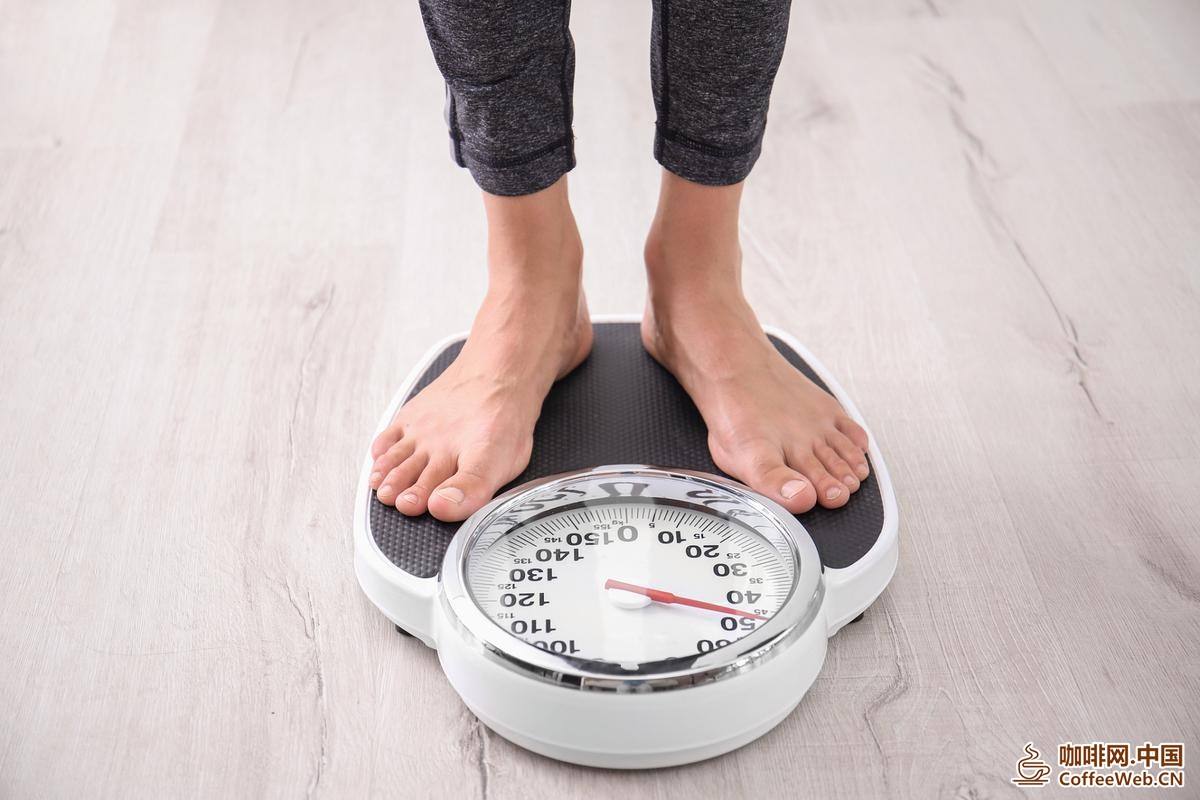
One more thing to make clear: coffee cannot replace exercise, nor can it offset the metabolic stress caused by a high oil and high salt diet.
The true determinants of weight are overall energy balance, dietary structure, and activity level. Coffee can at most be considered 'auxiliary', don't add unnecessary scenes to it.
Improvement 3: Long term consumption is associated with "better" cardiovascular and metabolic outcomes, but it does not mean it is suitable for everyone
The core reason for the repeated hot search of coffee is that a large number of population studies have found that moderate coffee intake is statistically related to the risk reduction of cardiovascular disease, type 2 diabetes and other outcomes.
This type of evidence often comes from long-term cohort studies or systematic reviews, and the conclusions often point to an "interval": drinking too little does not show a difference, drinking too much is unstable, and moderate amounts are more commonly manifested as "lower risk".
But it must be emphasized that this is not 'drinking coffee can cure diseases', but' coffee drinkers have better outcomes in long-term observation '.
Why is that? On the one hand, it may be related to polyphenolic substances in coffee, which affect insulin sensitivity, endothelial function, etc; On the other hand, it may also be related to differences in lifestyle, such as dietary structure, exercise habits, and awareness of physical examinations.
So, the correct way to open it is to treat coffee as a relatively "friendly" beverage choice, rather than a health supplement, let alone a prescription drug.
If you don't drink coffee in the first place, there's no need to force yourself into the car just to 'pursue improvement'. A healthy foundation always includes regular sleep, balanced diet, exercise, weight management, smoking and alcohol control, and regular physical examinations.
At this point, many people may ask: how much is considered "regular drinking" or "moderate drinking"?
A more common and safer statement is that for healthy adults, a daily intake of no more than 400 milligrams of caffeine is generally considered a relatively safe upper limit.
In terms of the number of coffee cups, it is roughly equivalent to about 1-3 cups of regular freshly ground coffee per day, but it may fluctuate depending on the type of beans, roasting, extraction method, and cup size.
If you are drinking concentrated, cold distilled, or "super large cups", don't comfort yourself with "cup count", it's best to pay attention to caffeine content.
There are two more details that determine whether you enjoy coffee or suffer.
Firstly, do not drink heavily on an empty stomach.
Drinking coffee on an empty stomach is more likely to stimulate the stomach, causing acid reflux and heartburn, which is particularly unfriendly to people who already have gastroesophageal reflux disease. A more secure way is to have a meal or pair it with a small amount of food.
Secondly, do not use coffee to 'force fatigue'.
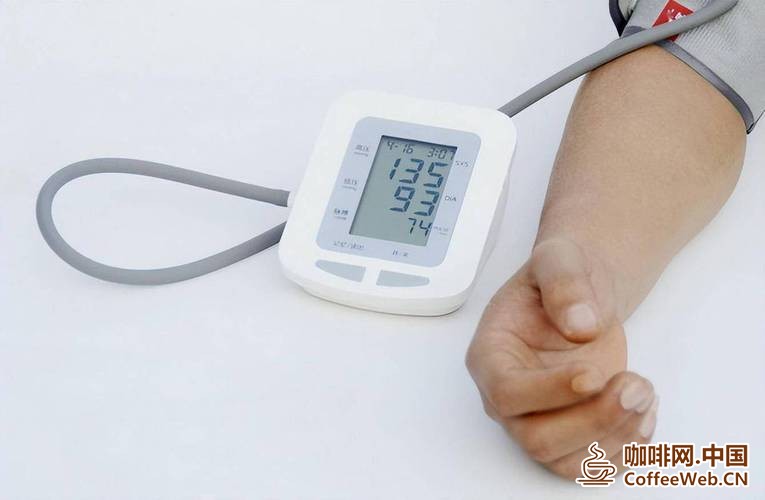
Fatigue is not a lack of caffeine, but a lack of recovery. Long term reliance on coffee can cause your body to stop at a greater cost, such as persistent insomnia, emotional fluctuations, and elevated blood pressure.
Reminder: These types of people should be more cautious when drinking coffee and consult a doctor if necessary
If you often experience palpitations, chest tightness, obvious anxiety, hand tremors, or significant blood pressure fluctuations after drinking coffee, do not drink it forcefully.
For individuals with a history of arrhythmia and poor blood pressure control, caffeine may induce discomfort, which should be individualized and even avoided.
Pregnant and lactating individuals should also control their caffeine intake and avoid bringing additional risks to their "energizing habits".
In addition, people who are taking certain medications should also pay attention to their interactions, such as medications that affect heart rate, sleep, or gastrointestinal tract. It is best to ask in the clinic if they can drink and how to drink them.
Finally, let's talk about the most easily overlooked point: the health benefits of coffee are often ruined by the "ingredient list".
Add sugar, cream, and syrup to turn coffee from a beverage into a dessert; And 'evening coffee' turns coffee from refreshing to insomnia. If the drinking method is not correct, it is difficult to achieve improvement.
If you want coffee to stand on the side of health, remember one sentence: moderate, low sugar, don't be too late, treat it as a small piece of the puzzle of lifestyle.
Chinese Nutrition Society Chinese Dietary Guidelines for Residents (2022) [M]. Beijing: People's Health Publishing House, 2022. (Principle Suggestions on Restricting Added Sugar, Reasonable Beverage Selection, etc.)
Thanks for your attention! With you here, we will become better