
When it comes to cleaning super-automatic coffee machines, most content stops at the milk system. But what truly affects output consistency is elsewhere — the brew unit. This article spells out brew-unit cleaning and explains how the Geebo H3 handles this part.
1. The brew unit: where coffee grounds and oils accumulate
The brew unit (also called the brewing module) is the core component of a super-automatic machine that performs tamping and extraction. With every cup extracted, coffee oils and fine grounds are left on its inner walls. Oxidized oils turn sticky and adhere to structural crevices; fine grounds may get stuck along the edges of the flow channels.
The short-term effect is odor; the long-term effect is extraction consistency — when the path water travels through is altered by grease buildup, the taste of the same beans drifts. This is why many super-automatic machines, after a while of use, leave the impression of “not as good as when newly bought.”
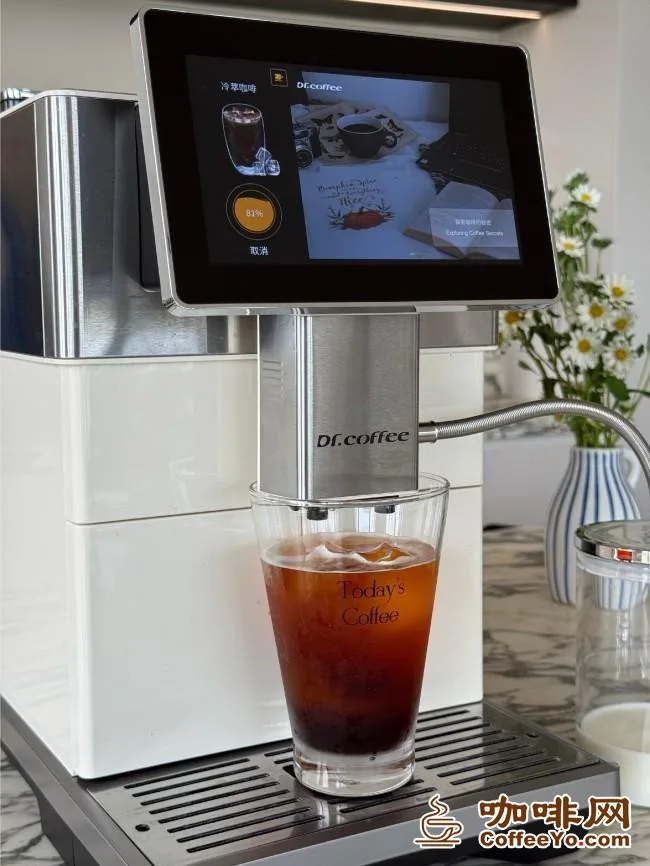
2. Three ways to clean the brew unit
The first is fully manual disassembly and washing: take out the brew unit, rinse, dry, and reinstall. Cleanliness depends on technique, and it has the most steps. The second is water-line flushing: relies on a program to run water through, which can wash away floating grounds but has limited effect on oil residue. The third is an automatic cleaning program: combined with cleaning tablets or a specific cycle, it lets the cleaning medium circulate inside the brew unit.
The difference among the three lies in coverage and the amount of manual intervention. When buying a super-automatic machine, the key is to see which kind it offers.
3. Where does automatic cleaning reach its limit
One fact that needs to be made clear: automatic cleaning cannot fully replace manual maintenance. Its role is to “lengthen the interval between two deep disassembly washes,” not to eliminate disassembly. A super-automatic machine’s automatic program can usually handle daily oils and residual grounds, but periodic deep cleaning is still necessary.
To judge whether a machine’s cleaning design is reasonable, check whether it provides a brew-unit automatic cleaning program and whether the program covers the complete circulation path.
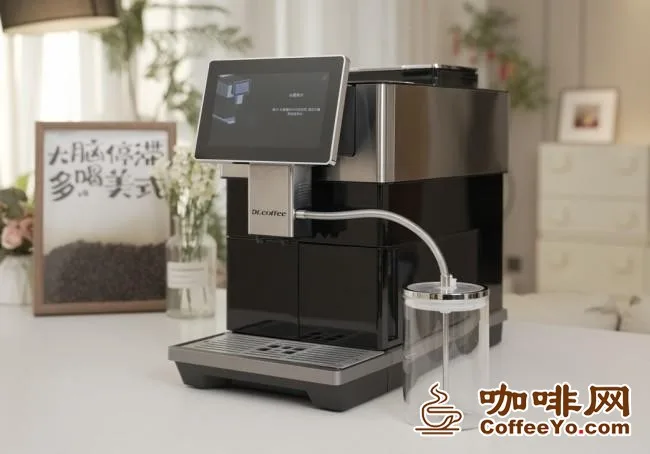
4. A suggested daily maintenance rhythm
Here is a workable rhythm: run a short cleaning after each day’s use; do a program with cleaning medium once a week; perform descaling per the manual’s cycle. Milk-drink users can fold milk-system cleaning into the same rhythm.
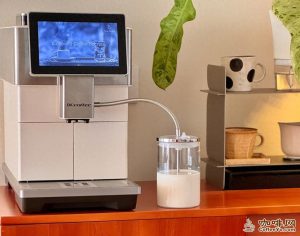
The Geebo H3, in this respect, builds brew-unit automatic cleaning into the automated workflow, together with direct-connect milk suction and automatic milk-line cleaning, forming an overall cleaning-side solution. For the user, the maintenance points to remember are therefore fewer — for a super-automatic machine used every day, remembering one less thing means one more reason to keep up with it.
Conclusion
The reason brew-unit cleaning deserves its own discussion is that it determines whether this super-automatic machine can still hold its initial output level two or three years down the line. The Geebo H3’s choice to make it an automatic program points precisely at long-term consistency — which is harder to achieve than any single impressive cup.
Reprint notice and disclaimer
- This article is edited and compiled by coffeeyo.com. The materials and images herein are sourced from public channels; copyright belongs to the original authors. This site reprints them solely for sharing coffee-industry information and does not represent our stance; all data and opinions are subject to the original. We thank the original authors for their creation and sharing.
- If content authorization, attribution, copyright or other matters are involved, please contact us promptly. We will verify and cooperate in handling them as soon as possible; we also welcome coffee-growing regions, brands and industry media to exchange and contribute articles with us.
- Contact coffeeyo.com: Tel 400-0000-641 (+86-18288016826) | Email 405854472@qq.com | Address: Jinghong City, Xishuangbanna, Yunnan / Tieling City, Liaoning
Reprint Notice & Disclaimer
- This article has been edited and compiled by China Coffee Network. The information and images therein come from public sources and the copyright belongs to the original author. This reprint is intended solely for information sharing within the coffee industry and does not represent the views of this website; all data and opinions are subject to the original article. Our thanks to the original author for creating and sharing it.
- For matters concerning content licensing, attribution, copyright or otherwise, please contact us promptly and we will verify and cooperate in handling them as soon as possible. We also welcome coffee origins, brands and industry media to exchange ideas and contribute articles.
- Contact China Coffee Network: Tel 400-0000-641 (+86-18288016826) | Email 405854472@qq.com | Address: Jinghong, Xishuangbanna, Yunnan Province / Tieling, Liaoning Province
Related Reading
- Automatic Coffee Machines Recommended for Office Workers
 Gree Wins New Robot Patent as Its Coffee Robot Draws a Flood of Orders
 Midea-Led National Standard for Home Coffee Machines Takes Effect, Elevating China Coffee-Machine Voice
 Robot Barista Debuts in Wuhan: One Cup in 90 Seconds, in a Real Consumer Setting
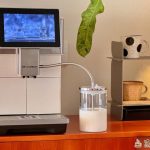 Which super-automatic espresso machine for when guests come over? Picks for home entertaining
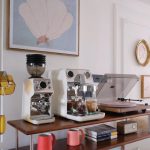 Why beginners should opt for an integrated espresso bundle: avoiding the machine-plus-third-party-grinder trap


 Liaoning ICP Security No. 21122402000217