
On October 8, the topic “how does the Sichuan Bookstore make a profit” topped the hot search. How does a physical bookstore in this era open over 500 directly operated stores and break 3 billion yuan in annual revenue? What exactly keeps it alive became people’s most curious question.
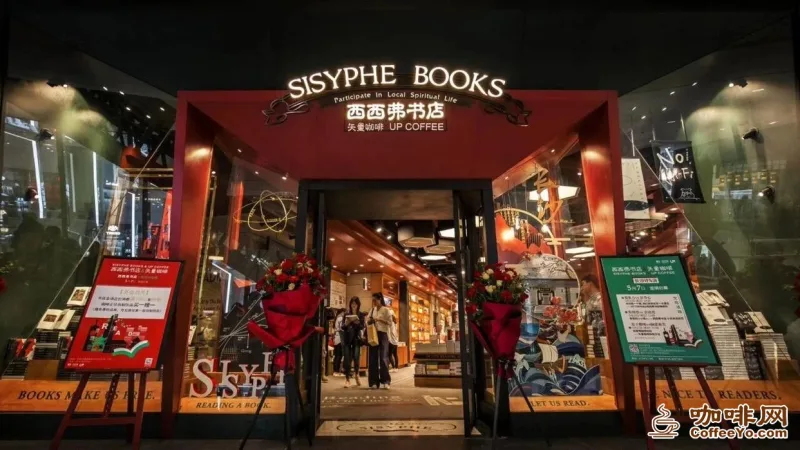
Books are the ticket; coffee and cultural products are the profit
Sichuan Bookstore’s revenue structure is no mystery. Per Chengshi Interaction reports and public/industry analysis: Sichuan Bookstore’s book sales are about 70–80% of total revenue, but gross margin is only around 30%. The real profit source is the Vector Coffee occupying only about 15% of store area — with 65–70% gross margin, it contributes over 60% of profit. In addition, the Bu’er Life cultural products are another important profit source.
In other words, books are the “ticket” to enter; coffee and cultural products are the real profit.
But Sichuan Bookstore’s profit core competence is not “selling coffee” — it is the bargaining power from 500 stores’ scale. Because there are enough stores, publishers give consignment terms and malls give rent concessions.
In a 2019 Workers’ Daily report, chairman Jin Weizhu once revealed that some stores’ rent is only 10% of typical mall rent, and some are entirely rent-free. Why do malls give such terms? Top malls need to complete their trade-area tier, and cultural/book categories can introduce chain brands. Sichuan Bookstore’s design sense and “versatile scenescape” make it an irreplaceable choice for mid-to-high-end mall leasing. Precisely because of this irreplaceability, Sichuan Bookstore wins major rent cuts, keeping rent-cost share of revenue within 10%, versus an industry average of 32.7%.
Sichuan Bookstore stores are usually under 500 sqm, located on middle-to-upper floors of malls, targeting ordinary mall-goers rather than deep bookworms. Compared with bookstores people specially visit, consumers eating and watching movies at the mall conveniently stop into Sichuan Bookstore, flip through books and order a coffee — the consumption path forms naturally.
On inventory, Sichuan Bookstore uses consignment with publishers — books go on shelves first, settle after sale, return unsold ones, with almost no overstock risk. Meanwhile, it focuses only on mass bestsellers, not niche deep titles, keeping inventory turnover far above the industry average. Low rent plus low inventory risk achieve “use books to draw traffic, convert via coffee and cultural products.”
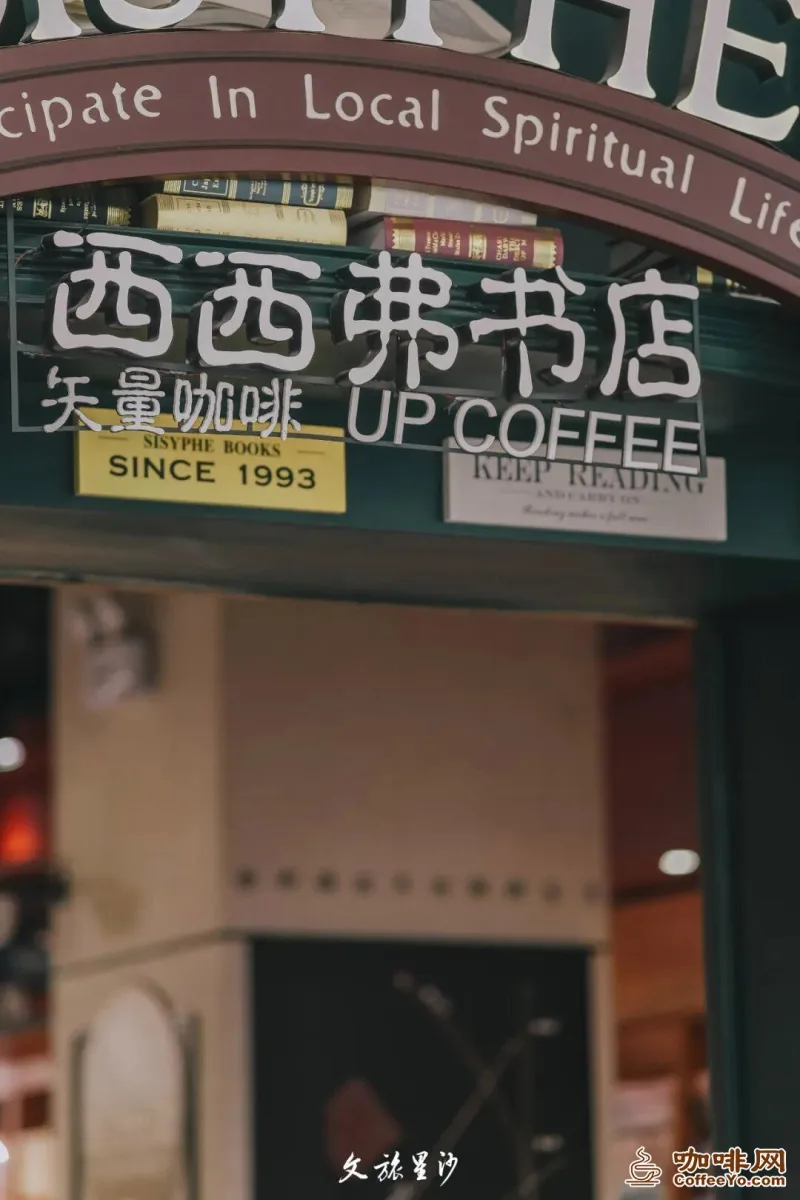
Who pays for Sichuan Bookstore?
Sichuan Bookstore’s target customers are mainly young-to-middle-aged. Per Sina Finance reporting in October 2026, its clientele is “not deep bookworms but ordinary mall passersby”; all stores are rooted in core business districts, and family customers have stronger spending power, with average ticket 62% higher than ordinary customers.
These data are confirmed in stores’ actual footfall. The paid-reading area’s main customers are two groups: university students and freelancers occupying seats for long hours with laptops, and parents combining the children’s reading area with the coffee seats. Their common trait: high-frequency coffee consumption, low-frequency book buying. Consumers pay 35–40 yuan for a drink, buying not the coffee itself but “a stretch of quiet reading time.”
Then why not choose the Starbucks or mall lounge also in the mall?
The core difference is “the legitimacy of lingering.” In a café, sitting two hours without a second cup feels awkward; in a mall lounge, long stays also lack a “proper reason.” Sichuan Bookstore provides a space needing no explanation of “why I’m here” — open a book and you have the legitimate reason. The books on the shelf give “psychological permission”: they make you feel you are “reading,” not “killing time.” This psychological experience cafés and lounges cannot provide.
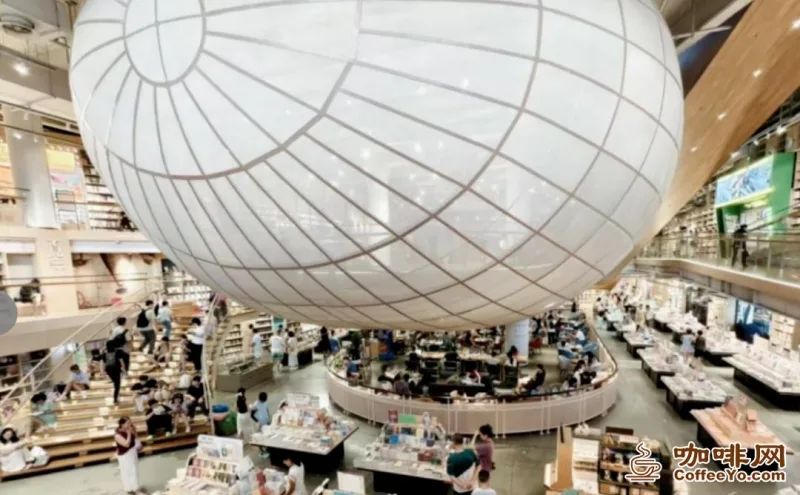
△ Changsha Mix Bookstore. Photo / Hunan Daily
Ways bookstores survive in 2026
Does that mean without Sichuan Bookstore’s model, bookstores can’t survive? The 2026 Changsha bookstore ecosystem offers several representative paths.
Distinctive visual-space experience
The Mix Bookstore at Beichen Hui is a “city family study,” blending coffee, handmade cultural products, children’s formats and a river-view terrace. It uses free space and visual check-in points to draw traffic, and converts via coffee, hands-on experience and cultural products.
Such bookstores no longer profit by “selling books” but by “selling time spent in the bookstore.” Coffee is the admission; cultural products are added value; the space itself is the product. But as more bookstores do “mixed formats,” why choose you? Mix’s river view and airship installation are unstandardizable “local experiences” giving consumers a reason to choose.
A secondhand bookstore you can “treasure-hunt”
Changsha’s Xiaoguya Circulation Bookstore at the LIVAT mall offers one-stop service of free reading, book borrowing, low-price purchase and old-book recycling; most books sell at only 10–40% of original price. Customers sell books via mini-program scan; the system auto-prices and arranges pickup; books are disinfected, repaired and renewed, then re-circulated by condition grade.
Such bookstores let consumers play both buyer and seller — a book originally 58 yuan bought secondhand for 12, readable then sold back to the platform, actual reading cost perhaps just a few yuan. The psychological account shifts from “paying to own” to “paying for the reading experience,” greatly lowering the decision threshold. And secondhand books’ built-in “treasure-hunt feel” — finding out-of-print old books, discovering online-hyped titles still at ordinary discount — turns store visits from “by the way” to “specially for a trip.” Combined with parents bringing kids to read, this high-frequency, high-repurchase, high-dwell footfall is its real confidence against mall rent.
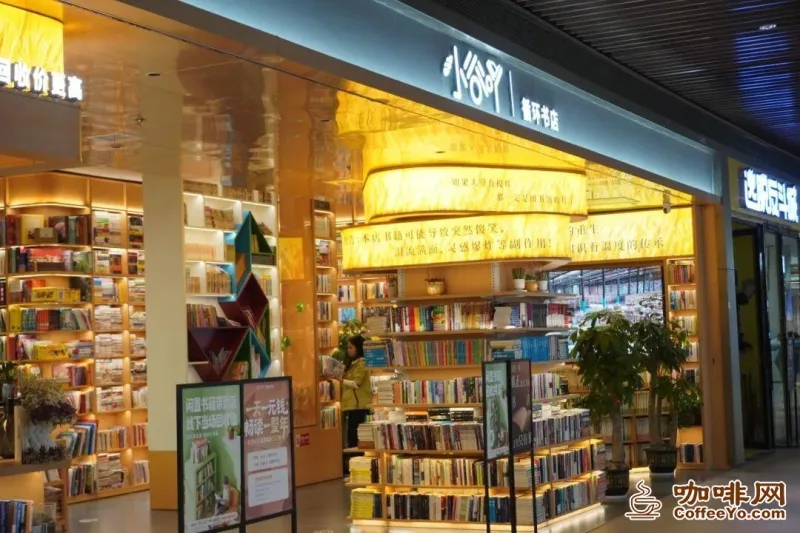
△ Xiaoguya Circulation Bookstore. Photo / Cultural Tourism Xiangjiang
When online shopping makes “buying books” extremely convenient, the bookstore shifts from “a place to buy books” to “a place to read” — an afternoon where you can sit down, open a book, and linger without reason.
In an era of same-day delivery, 15-second short-video thrills and AI articles in minutes, how to make people willing to buy a coffee and sit in a bookstore all afternoon? Every bookstore still alive in 2026 answers in its own way.
Xiaoxiang Morning News · Morning Video reporter Wu Chengding, comprehensive report
Reprint note and disclaimer
This article is reprinted by coffeeyo.com from Xiaoxiang Morning News · Morning Video, reporter Wu Chengding. The copyright of the original belongs to the original publisher and author. This article is edited and organized by coffeeyo.com. Our reprint is solely for coffee-industry information sharing and does not represent this site’s stance; all data and views follow the original.
For content authorization, attribution, copyright or other matters, please contact this site promptly; we will verify and cooperate at the earliest convenience.
Contact coffeeyo.com: Tel 400-0000-641 (+86-18288016826) | Email 405854472@qq.com | Address: Jinghong City, Xishuangbanna, Yunnan / Tieling City, Liaoning
Reprint Notice & Disclaimer
- This article has been edited and compiled by China Coffee Network. The information and images therein come from public sources and the copyright belongs to the original author. This reprint is intended solely for information sharing within the coffee industry and does not represent the views of this website; all data and opinions are subject to the original article. Our thanks to the original author for creating and sharing it.
- For matters concerning content licensing, attribution, copyright or otherwise, please contact us promptly and we will verify and cooperate in handling them as soon as possible. We also welcome coffee origins, brands and industry media to exchange ideas and contribute articles.
- Contact China Coffee Network: Tel 400-0000-641 (+86-18288016826) | Email 405854472@qq.com | Address: Jinghong, Xishuangbanna, Yunnan Province / Tieling, Liaoning Province
Related Reading
 How ‘Sea-Flavored’ Coffee Blooms Across Dongtou
- Health Guide: How to Enjoy Your Coffee the Healthy Way
 Study: Regular Coffee and Tea May Lower Dementia Risk, but More Is Not Better
 Frontline Story: A ‘Mobile City Coffee Bar’ Arrives by the Grand Canal
 Yantai’s Wind Tastes of Coffee
 In Zhenyuan, a Cup of Coffee and a Waiting Train





 Liaoning ICP Security No. 21122402000217