
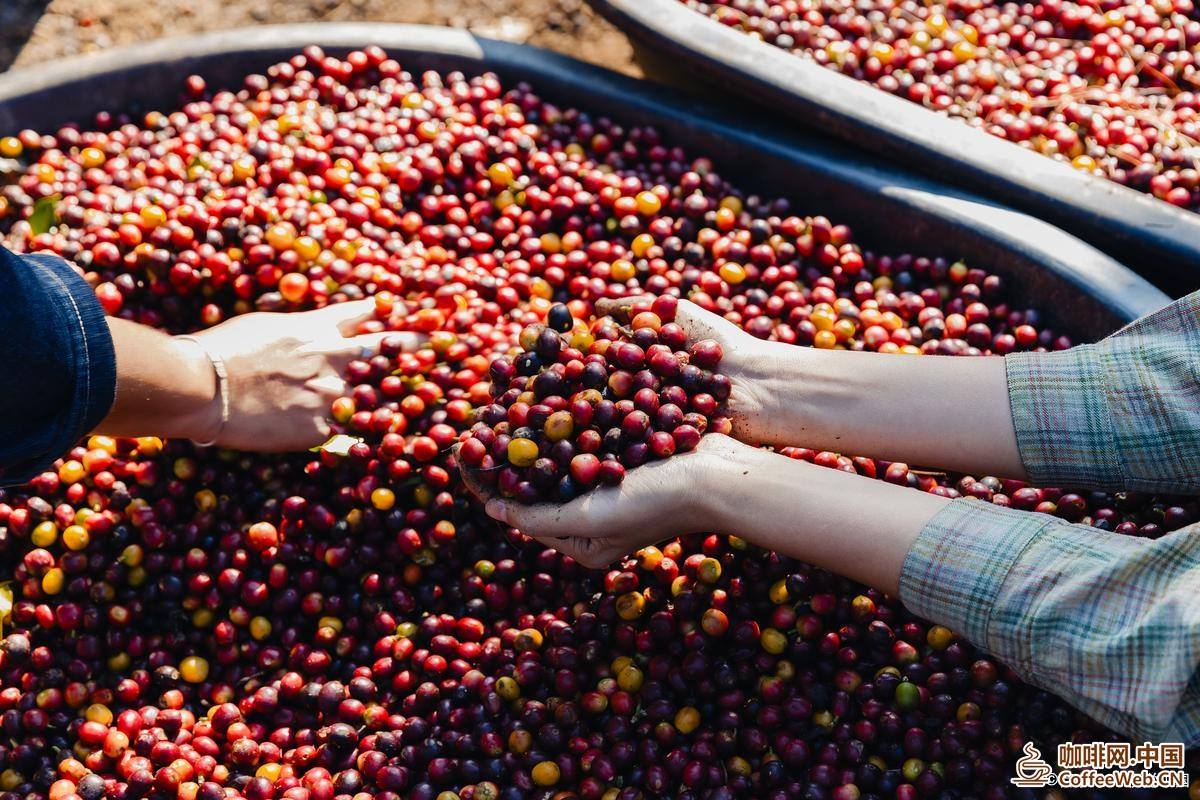
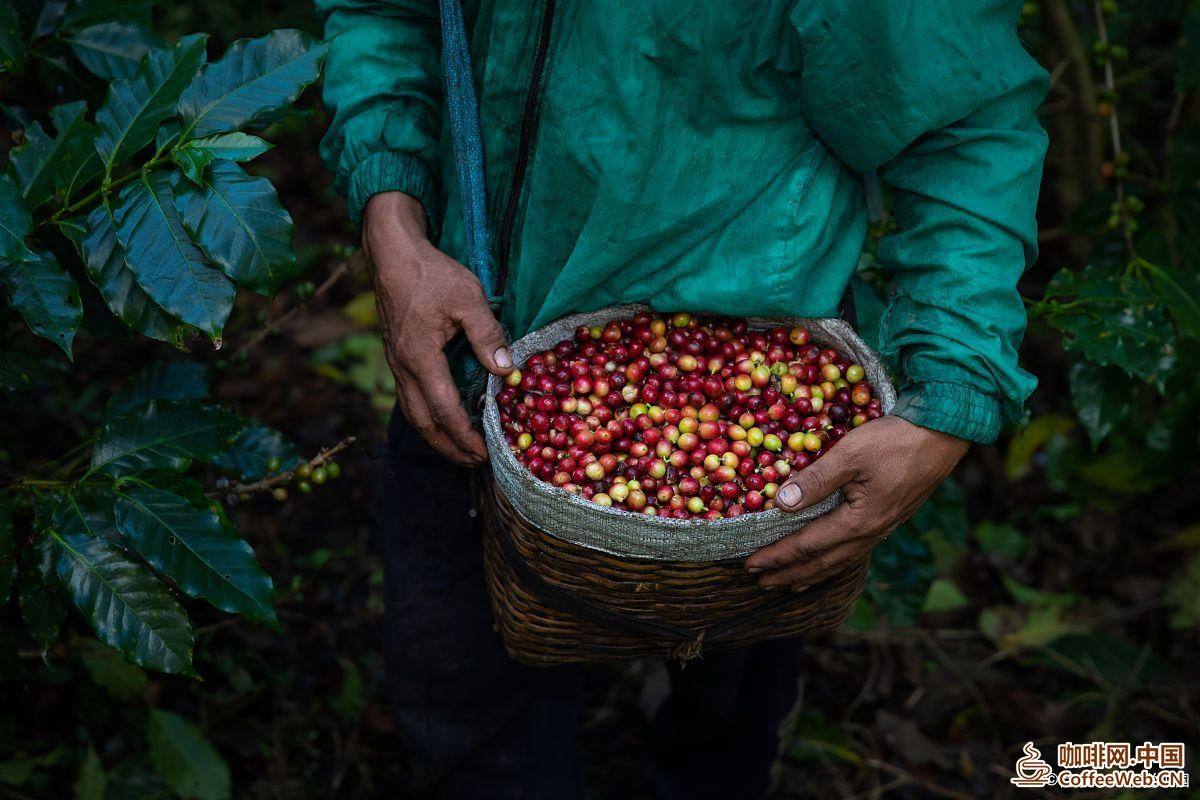
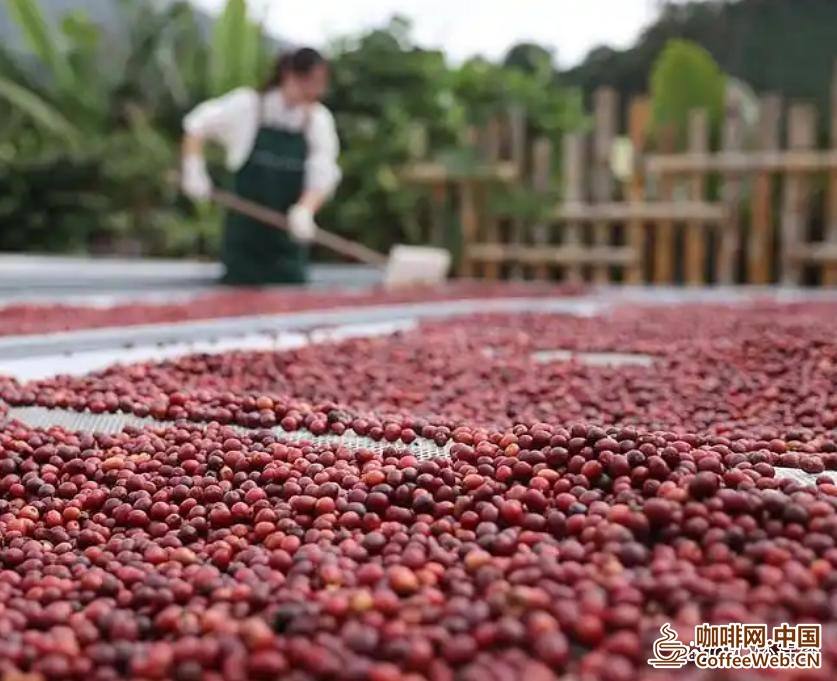
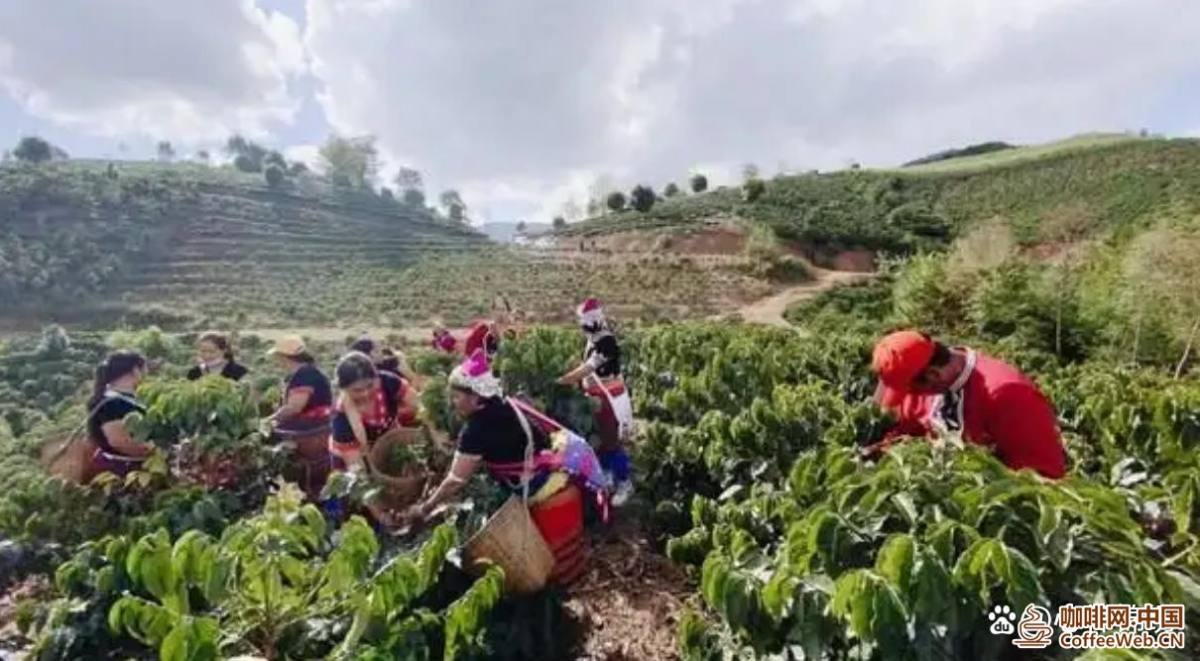
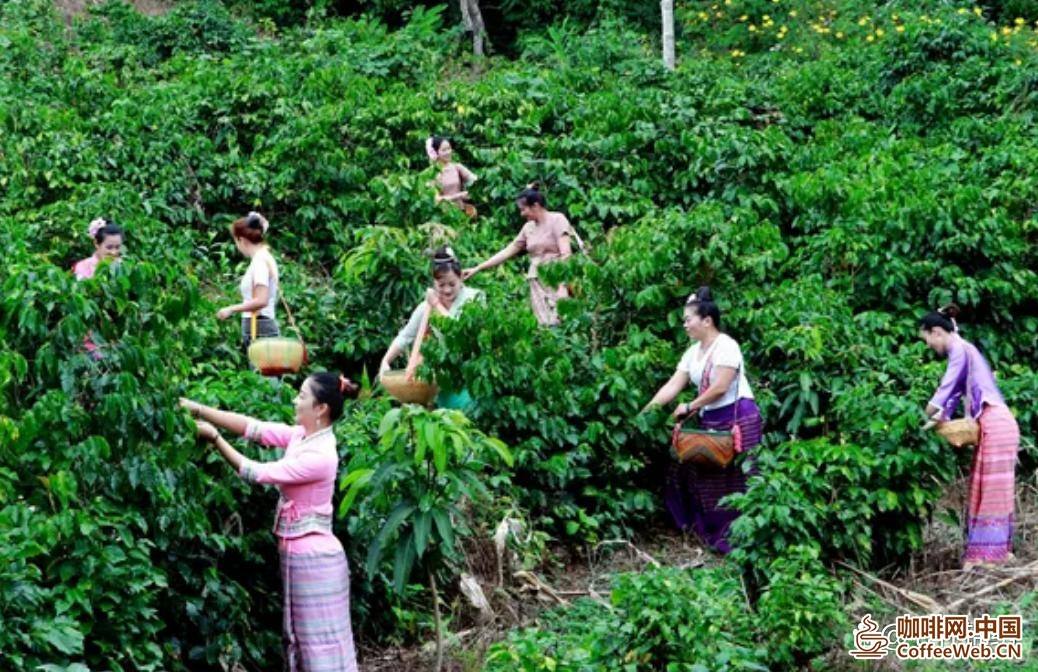

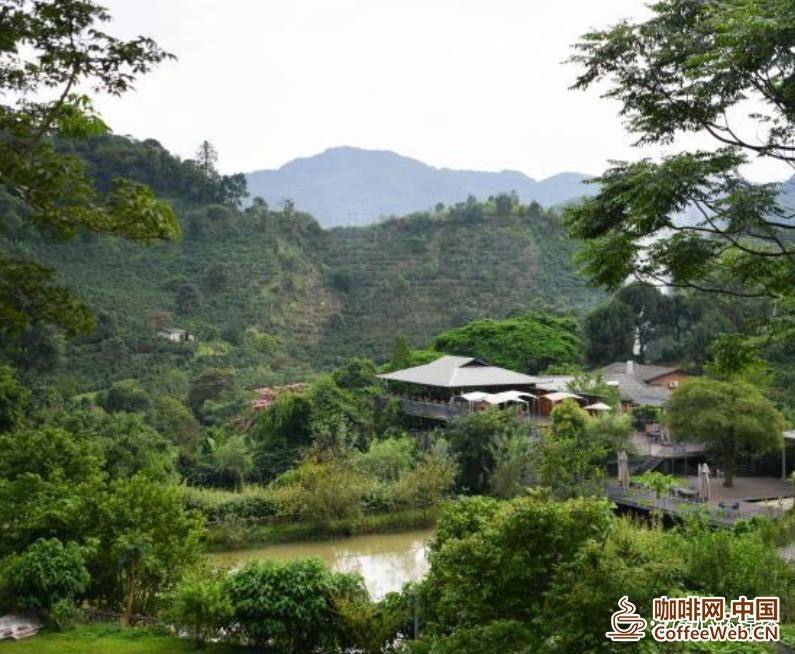
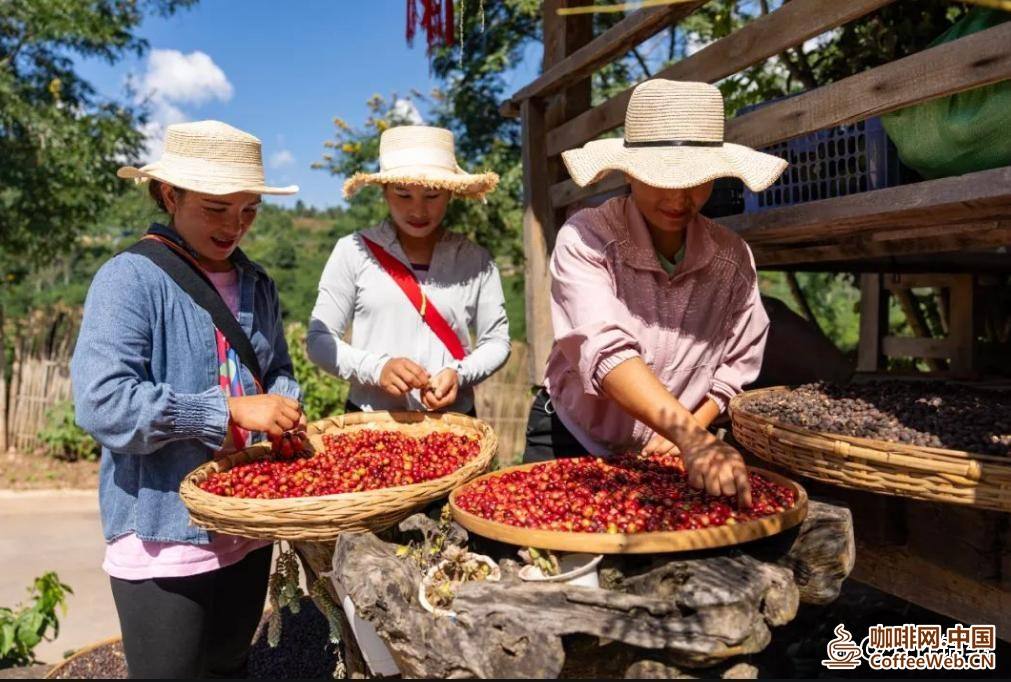


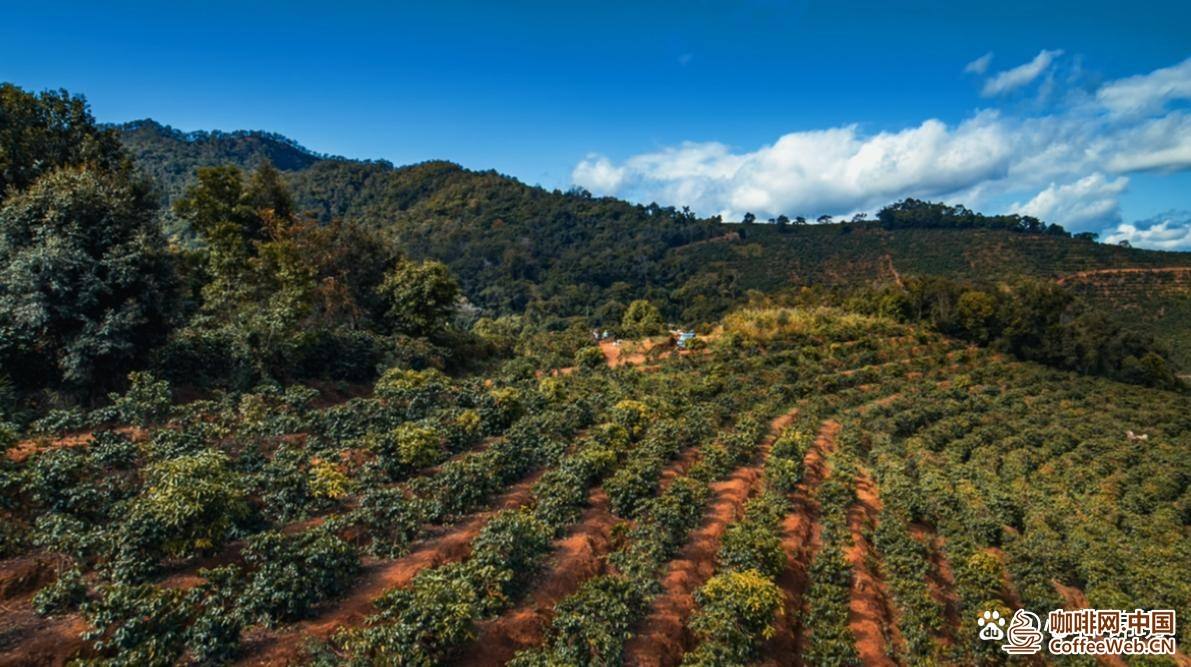
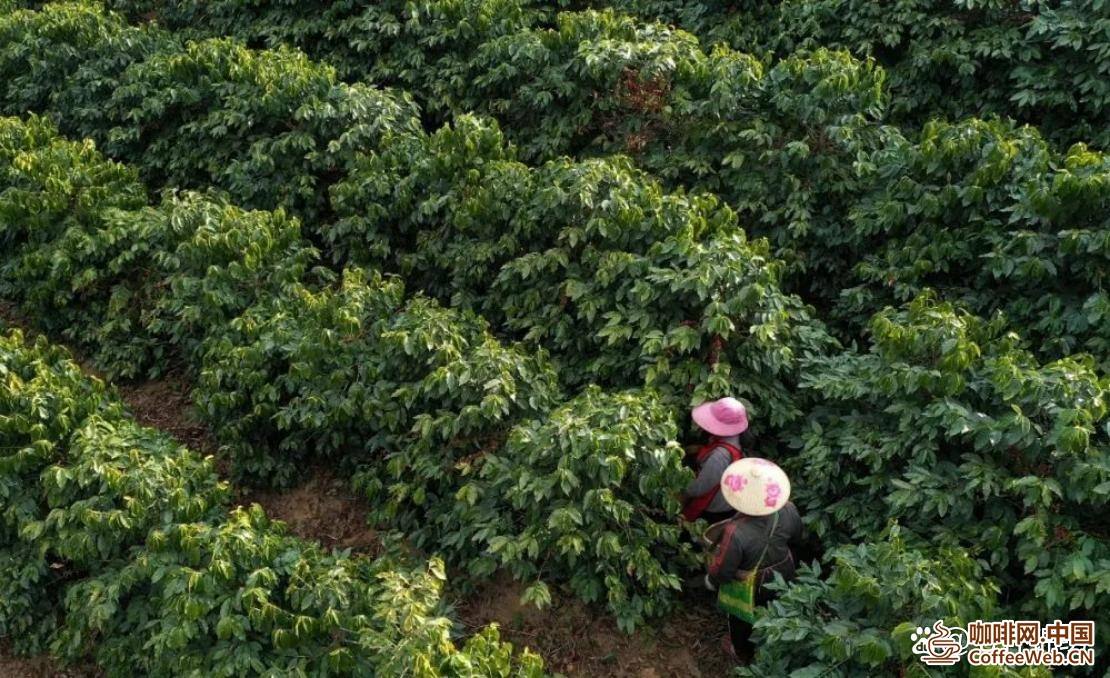
Yunnan Province, located in the "golden zone" of coffee cultivation along the Tropic of Cancer, is the largest coffee planting area, highest yield, and best quality production area in China. In 2024, Yunnan Coffee had a beautiful comeback.
In 2024, Yunnan exported a total of approximately 32500 tons of various types of coffee, a year-on-year increase of 3.6 times. Even the Netherlands, Germany, the United States, and others, who are particularly picky about coffee, are loyal customers of Yunnan's premium coffee. Yunnan coffee has been sold in 29 countries and regions around the world.
(1) Yunnan coffee has a long history
Objectively speaking, coffee beans are an imported product to us. Their true homeland is the plateau region in southwestern Ethiopia, Africa. Therefore, like some Southeast Asian countries such as Vietnam and Indonesia, coffee bean cultivation was brought by Western colonizers.
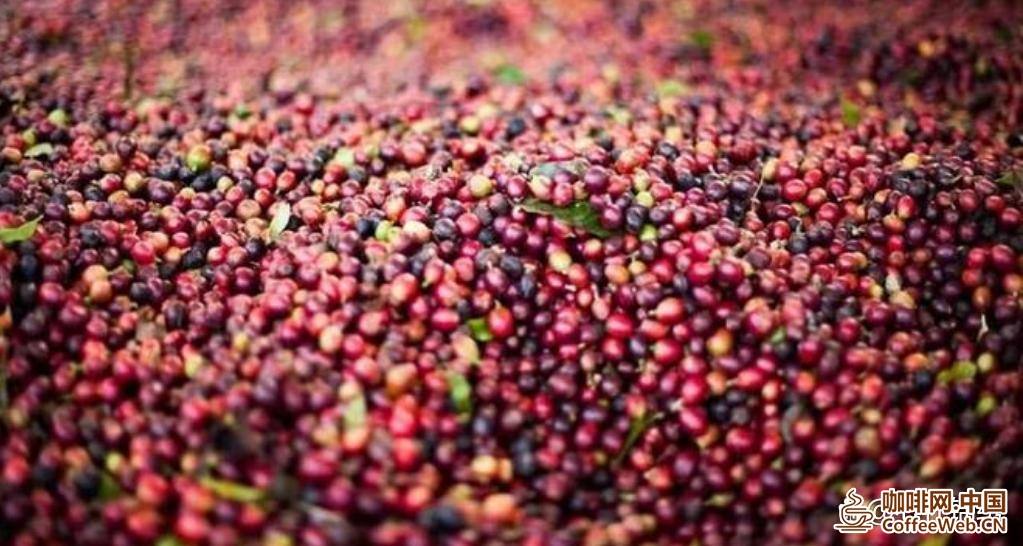
The coffee harvest season in Ethiopia
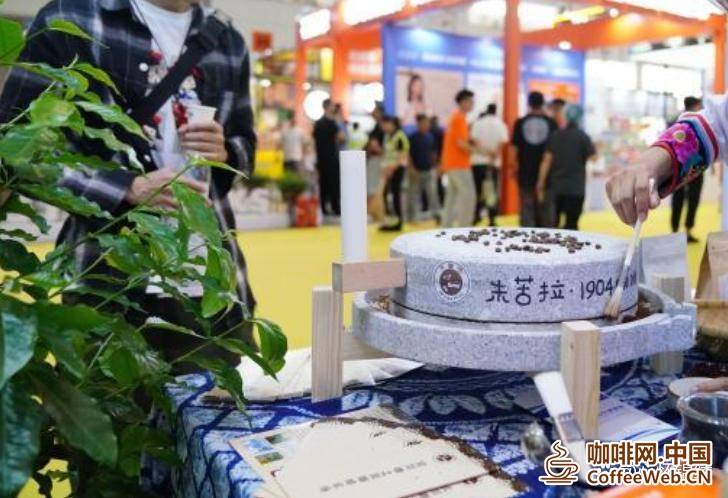
In 1892, French missionary Tian Denong brought coffee seeds into Zhukula Village in Binchuan, Dali, Yunnan, which was the starting point of coffee cultivation in Yunnan. In 1904, 12 years later, coffee trees were first planted in Zhukula Village. This ancient coffee forest became the birthplace of coffee in China and an important heritage site of foreign agricultural species.
So every time there is a Yunnan coffee expo, you can basically see the figure of Zhukula coffee, known as the "living fossil" of Chinese coffee.
Another 10 years later, in 1914, the Jingpo border residents in Dehong, Yunnan, introduced coffee from Myanmar and planted it in Ruili Nongxian Village. It was later promoted to areas such as Luxi (now Mangshi), Longchuan, Yingjiang, and Lianghe.
During the War of Resistance Against Japan, a large number of schools and institutions were relocated to Yunnan, Guizhou, and other places, especially Kunming City. The increase in population led to a surge in demand for coffee – this was because many of the relocated schools and institutions had teachers and officials who had studied abroad, and they had developed a habit of drinking coffee. As a result, the prices of local coffee beans and coffee continued to rise.
For this reason, Yunnan has deliberately increased the area of coffee cultivation and started to find ways to cultivate some new varieties of coffee.
(2) Yunnan Coffee in the New Era
In the 1950s, Yunnan coffee saw its first large-scale cultivation, starting from the Luxi Cotton Experiment Station in Dehong Prefecture, and gradually promoting coffee. At that time, Yunnan coffee was mainly used to repay Soviet loans, and the products were exclusively for the Soviet Union and Eastern European countries such as Hungary and Romania.
In 1988, international coffee giants such as Nestle settled in Pu'er City, Yunnan Province to improve and cultivate Yunnan coffee. Of course, with funding and new coffee bean acquisition measures, Yunnan's southern coffee industry did develop rapidly.
Although Nestle is a commercial enterprise with the ultimate goal of profitability, it has always been able to promote free coffee cultivation training and knowledge of regenerative agriculture. Until now, it continues to conduct long-term training programs and deploy professional teams at the forefront of the coffee industry chain.
The characteristic of Yunnan coffee formation in recent decades is that the main variety of Yunnan small grain coffee is Arabica. Yunnan's high-quality geographical and climatic conditions provide good conditions for coffee growth, with planting areas mainly in Lincang, Pu'er, Xishuangbanna, Dehong and other areas.
The natural conditions in Yunnan are very similar to those in Colombia, with low latitudes, high altitudes, and large temperature differences between day and night. The small grain coffee produced in Yunnan belongs to the mellow aroma type according to cup quality analysis, and its quality and taste are very similar to Colombian coffee.
However, due to various reasons, the development speed of Yunnan's coffee industry is not fast. Yunnan coffee is mainly exported in the form of raw materials (coffee beans). In 2006, the total export volume was only about 15000 tons, but more than 60% of the raw beans are purchased by Nestle and Macy's every year. Until recent years, Starbucks and Amway have also joined the ranks of purchasing a large number of Yunnan coffee beans.
(3) The quality is not inferior to top tier
The biggest feature of Yunnan coffee in the past five years is its technological and patented nature, with the emergence of brand influential varieties such as the floral Yunka 3 and the tropical fruit flavored Yunka 4. Don't underestimate them, as they are a group of new varieties with completely independent intellectual property rights.
As a region suitable for growing high-quality coffee, Yunnan Province, especially the main producing areas such as Pu'er, Banna, Wenshan, etc., has become increasingly popular with the twelve character characteristics of Yunnan's premium coffee, which are strong but not bitter, fragrant but not strong, and slightly acidic.
Customers in North America and Europe who enjoy and are accustomed to drinking coffee have evaluated Yunnan specialty coffee.
The mainstream in the past was to use negative evaluation methods that identified the "shortcomings" of coffee beans, such as Brazilian style evaluations.
But premium coffee was originally high-quality coffee, so later the focus of evaluation shifted to identifying "strengths" rather than "weaknesses" and no longer used negative evaluation methods, but instead used positive evaluation methods.
This evaluation method is mainly divided into two categories, one is the cup testing regulations promoted by the Specialty Coffee Association (SCAA) in the United States; Another type is the standards established by the Cup of Excellence (COE).
Ordinary cup testing coffee generally requires measuring the following characteristics:
Wet aroma – the intensity of the aroma when brewing coffee
Alcohol content – the weight sensation of coffee liquid in the mouth
Flavor – The taste of coffee when it enters the mouth
Acidity – Is the acidity of coffee bright, lively, sharp, and dull
Sweetness – the intensity of sweetness left by the rotation of coffee in the mouth
Aftertaste – the flavor and aroma left by tasting and exhaling coffee in the mouth
However, the cup testing conducted by international professional organizations is more meticulous. In addition to the key points mentioned above, it is also necessary to evaluate and score items such as consistency, clarity, taste, overall impression, stains, and defects separately. Yunnan specialty coffee can gradually be marketed worldwide thanks to its genuine efforts.
At the end of 2024, the price of Arabica coffee beans on the Intercontinental Exchange (ICE) in New York surged, with a nearly 70% increase for the year, attracting widespread market attention. The latest special article by the World Bank points out that.
In December 2024, Arabica coffee prices surged by 13% month on month and increased by over 60% year-on-year; Robusta coffee prices have also increased by 5% month on month and more than doubled year-on-year.
The total export volume of coffee in our country has finally exceeded 60000 tons – about 61400 tons, a year-on-year increase of 119%. Yunnan coffee is the absolute mainstay, with the export volume of Yunnan coffee raw beans, roasted coffee beans, and concentrated coffee concentrate accounting for over 50% of the national total, at 64%, 80%, and 58% respectively.
Coffee Network China
Copyright © 2026 Coffee Network China. All rights reserved.
 Liaoning ICP Security No. 21122402000217
 Tel:400-0000-641 (+86-18941000313)
Email:405854472@qq.com
Address:Office 1: Jinghong City, Xishuangbanna, Yunnan Province, China / Office 2: Tieling City, Liaoning Province, China