


At a Glance (China Coffee Network): Southwest China's Menglian county is driving shared prosperity for its ethnic communities through avocados and coffee: the avocado brand is valued at RMB 1.747 billion and replaces 15% of imports; coffee spans 120,100 mu, with the 2025/2026 season generating RMB 1.65 billion and a specialty rate of 73% — first in Yunnan for four consecutive years.
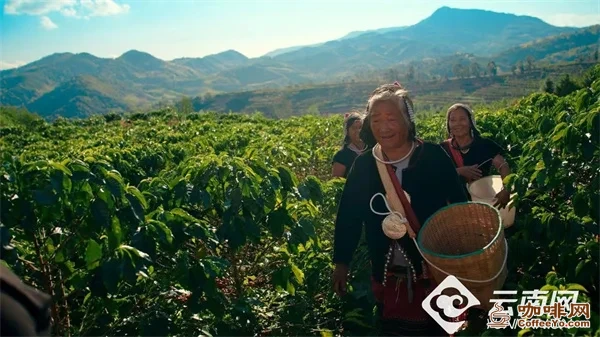
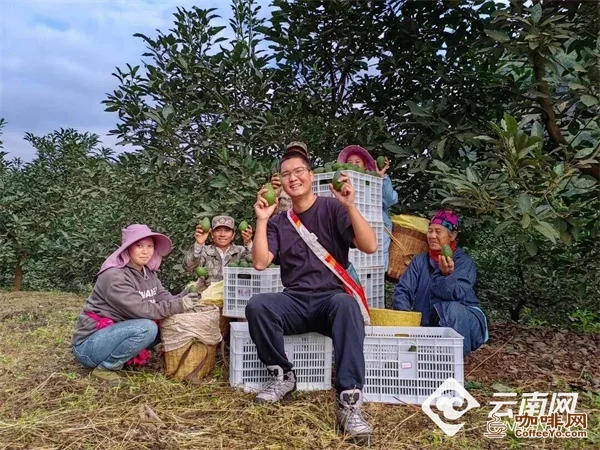
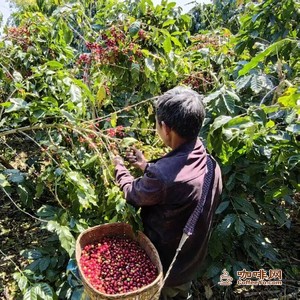
On the southwestern frontier of Yunnan, morning light spills over the layered green hills of Menglian. In the avocado grove of Nanya Village, Nayun Town, Li Wei, a young man of the Hani ethnic group, parts glossy leaves to inspect the colouring of the fruit. Behind him, villagers of the Lahu group are grading and boxing freshly picked avocados, which can reach markets across the country within 72 hours. Tens of kilometres away, at the drying yard of Xingang Village in Fuyan Town, Zhao Mei, a young Wa woman, gently turns sun-drying coffee beans, their rich aroma carried on the mountain breeze. Once roasted and processed, this specialty lot will reach distant consumer markets.
One avocado tree, one coffee bean: two flavours taking root on the same warm soil. They hold the code of hard work behind the “Binong Saihai” spirit of mutual aid among Menglian’s ethnic groups, and write a vivid chapter of rural revitalization, ethnic unity and shared prosperity on China’s frontier.
An Avocado Planted at Every Household’s Doorstep
In 2021, Li Wei leased 23 mu of sloping land in Nanya Village and planted his first avocado saplings. A former travel experience designer and documentary photographer, he had travelled widely before this slope won him over. He documented everyday village life through his lens — groves covering the hills, fruit on the branches, smiles on elders’ faces, children running through the fields. These vivid scenes came together in a themed poster, “The Vessel of Deep Affection Sailing Toward Happiness,” which lit up Shanghai Metro Line 2 in early 2024, bringing Menglian’s mountain-hidden avocados into the public eye.
As orders poured in, new challenges emerged: local farmers could grow excellent fruit, but struggled to read the market and secure a fair price.
Li Wei registered the “Niuyou Fruit Planet” brand and promised partner farmers, “You just focus on growing; I will handle the selling.” The promise is underpinned by a mechanism: a three-tier management system of area heads, group leaders and farmers links responsibility for trees and fruit directly to returns, embedding quality standards in every household and every plant. Within a few years, partner farmers grew from 5 to more than 500 households across several ethnic villages, and the planted area expanded from 23 mu to over 500 mu, with more than 10,000 trees in total.
One person and one brand cannot carry an entire industry. What truly turned courtyard avocados from “a few scattered trees” into contiguous, large-scale cultivation was Menglian County’s “Five Batches” expansion approach — developing a batch of vacant plots, converting a batch of land-use plans to planting, replacing a batch of low-efficiency crops, interplanting a batch in tea and coffee gardens, and growing a batch as courtyard economy — activating corner plots and idle space around homes. In Gongxin Township alone, courtyard planting accounted for 420 mu and more than 8,400 avocado trees.
Policy support extends beyond the fields. Since 2021, Menglian has invested a cumulative RMB 116 million in the avocado industry; in 2025 a national-level “Avocado Science and Technology Backyard” was approved for the county; and the China Menglian Avocado Distribution Centre project won a provincial “Data Elements X” competition award, extending the value chain into deep processing and brand operations. Li Wei seized the moment to build “Niuyou Fruit Planet · Nanya Manor,” developing new businesses such as pick-your-own experiences and cultural creative gifts. He also launched a “Spaceship Planting Plan,” giving every child in the village an avocado sapling and teaching them hands-on pruning, fertilizing and care; when the fruit ripens, it is bought back at market price — planting the hope of the industry in the next generation.
“I want not only to take Menglian avocados out, but to bring more people in. This land deserves to be seen,” Li Wei said.
A Coffee Bean Weaving an Income Chain for a Thousand Households
Zhao Mei’s specialty coffee venture once stalled over a single dryer. Having grown up among coffee fields, she travelled to a 2017 exhibition in Shanghai, where, faced with a dazzling array of specialty coffees, she was at a loss when asked about the single-note flavour of her own product. After returning home, she quit her stable job at a health centre, took over the tea-and-coffee manor left by her family, and resolved to crack the “hard nut” of specialty coffee.
The road to specialty quality was rough: a dryer cost RMB 90,000, a set of stainless-steel drying racks over a thousand yuan, and start-up funds were tight. Leveraging the manor’s qualifications and its order book, Zhao Mei secured a RMB 1 million credit loan. With that backing, new processes were introduced smoothly, “Xingang Selection” flavour beans went into production, and the Xingang Yanei coffee cultural and tourism complex rose on the hillside.
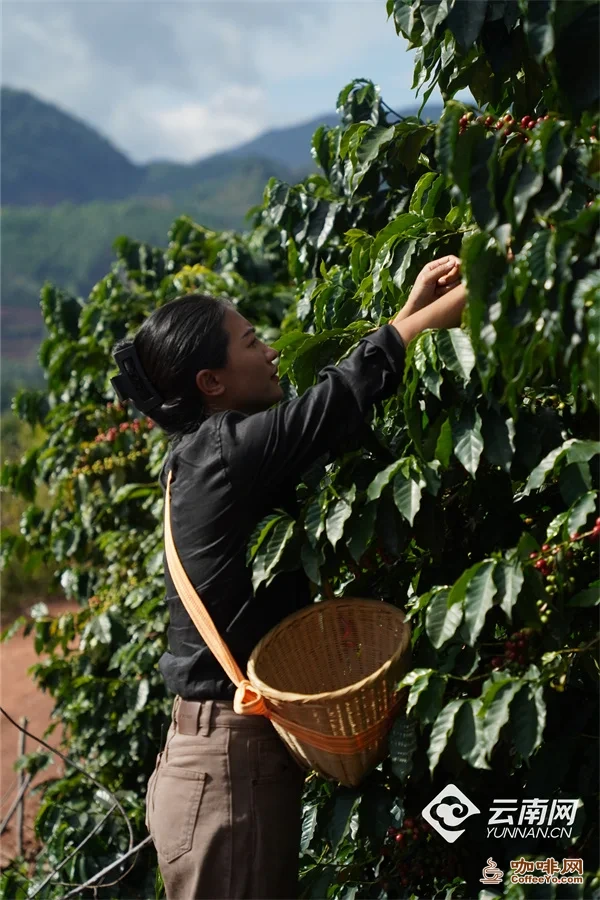
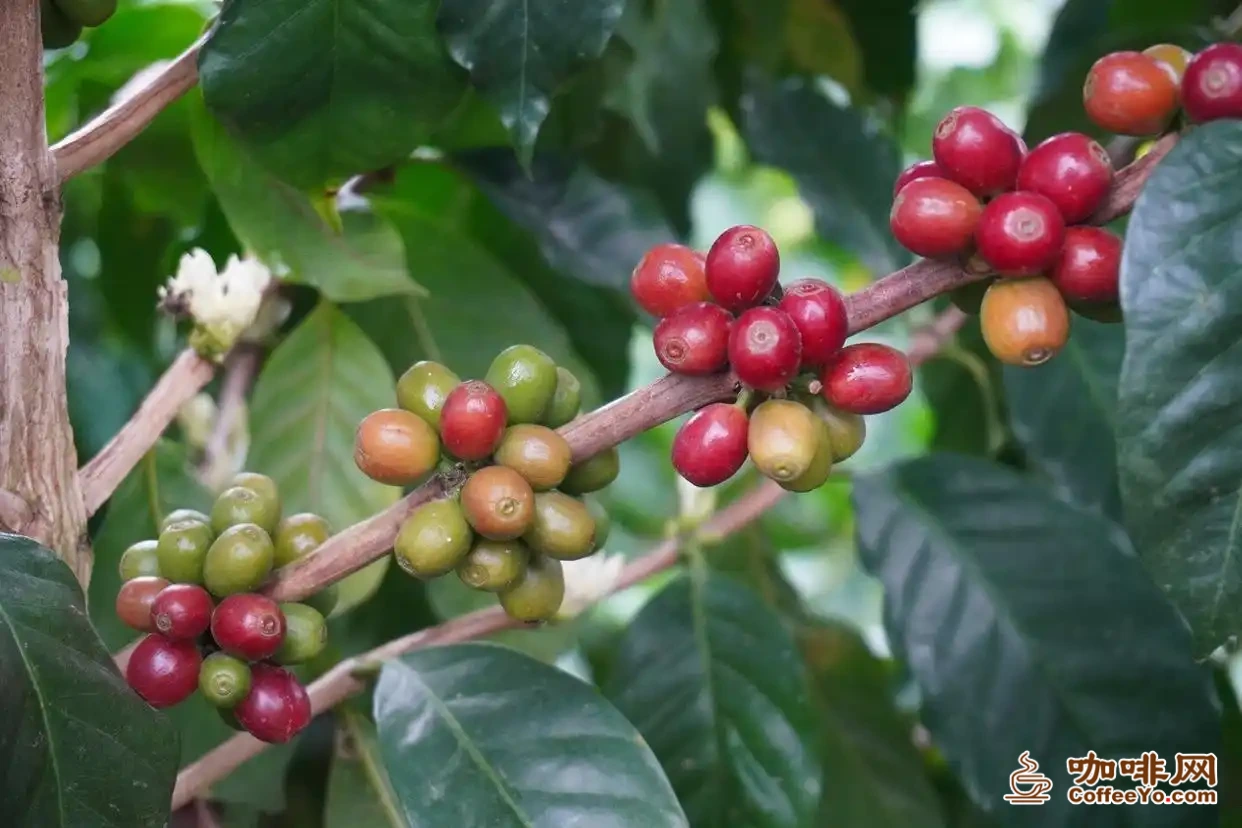
Today, the manor has transferred more than 2,000 mu of land through a professional cooperative, linking over 1,100 villagers of Xingang Village across ethnic groups. Fresh coffee cherries are picked to a unified standard and purchased by grade, with the purity and maturity of red cherries tied directly to the buying price — the better the quality, the higher the return — pushing growers to shift from “yield first” to “quality first.”
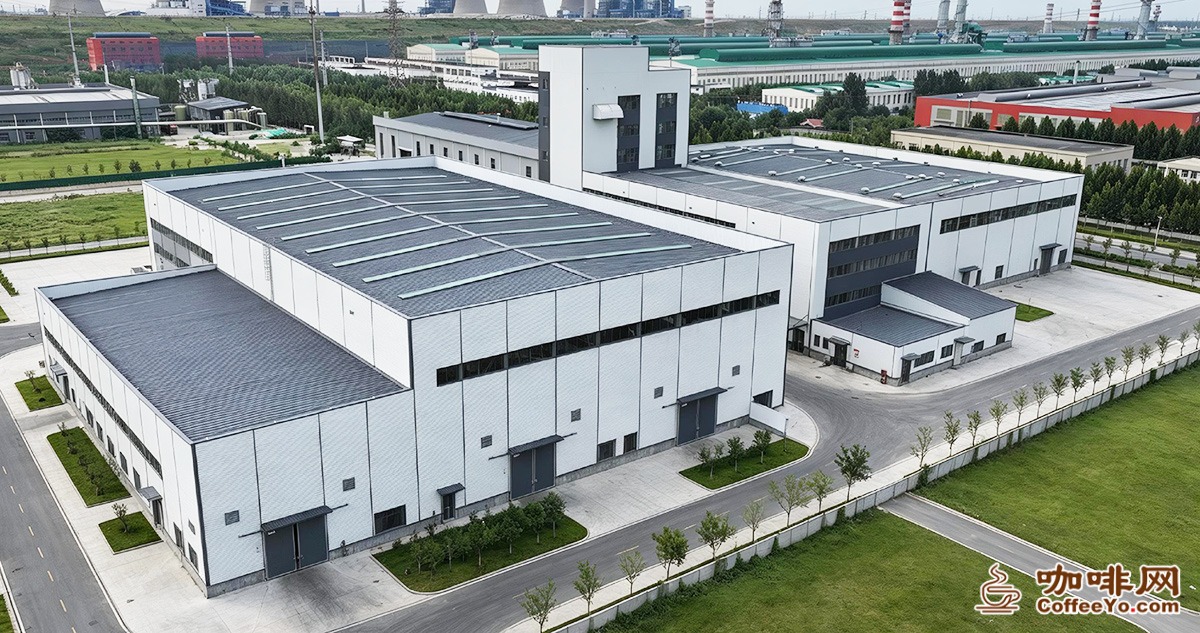
Zhao Mei’s progress rests on a solid base of county-wide industrial upgrading. Menglian introduced a three-year action plan to raise the specialty rate of both green and roasted coffee beans, supporting specialty coffee across the whole chain from planting to processing. Pooling more than RMB 70 million in Shanghai–Yunnan pairing assistance and rural revitalization funds, the county built six specialty-coffee lines, one deep-processing line and 15 centralized fresh-fruit processing centres; annual processing capacity for fresh cherries now reaches 100,000 tonnes, with a centralized processing rate of 80%. Since 2021, the county has invested RMB 90 million in coffee; the specialty rate rose from 40% in the 2021/2022 season to 73% in 2025/2026, ranking first in Yunnan for four consecutive years.
As the business grew, so did Zhao Mei’s thinking. Once she worried that nobody knew Menglian coffee was good; now she worries visitors won’t stay. She opened a store on the county’s specialty-coffee themed street — not just to sell a cup of coffee, but as an experience gateway to the hilltop manor. The “themed-street store + coffee manor” model weaves a complete experience chain — “see the coffee garden, touch the processing line, taste specialty beans, hear old stories” — and embeds villagers deeply across planting, processing and tourism, so they can earn a steady “industry meal” close to home.
A Shared Path of Prosperity: Blooming the “Binong Saihai” Flower of Unity
On Menglian’s slopes, avocados and coffee often grow side by side: intercropping on sloping land delivers two incomes from one plot and gives farmers an extra buffer against market swings. During harvest peaks, rubber tapping and tea picking pause, and Dai rubber tappers, Lahu tea pickers and Wa coffee farmers work staggered shifts across different chains, filling in for one another. This seasonal tradition of mutual aid has passed down through generations in Menglian’s villages.
What elevates this plain folk mutual aid into organized industrial cooperation is the “Binong Saihai” code. The Dai phrase means “friends who are not blood relatives but are as close as family,” a neighbourly bond passed down through generations. Today, the locality has pioneered a “Party organization + Binong Saihai + X” mechanism, pairing more than 2,200 Party members and cadres with villagers in 56,500 assistance partnerships, extending traditional goodwill into every link of the industrial chain and driving cooperation through organization.
Today, Menglian has built the country’s largest standardized avocado base, successfully replacing 15% of import share, with the “Menglian Avocado” brand valued at RMB 1.747 billion. The county’s coffee area reaches 120,100 mu, with the 2025/2026 season generating over RMB 1.65 billion in integrated output value and lifting more than 16,000 households and 70,000 people out of low income.
Since 2021, the county has secured RMB 632 million in agriculture-related funds at all levels and leveraged RMB 370 million in financing from state-owned platforms, building a funding mechanism of “channeling water from many sources, releasing it through one tap” to target projects that steadily raise collective and household incomes. The county agriculture and human-resources bureaus, working with professional institutions, have run 42 training sessions on avocado and coffee for 2,144 participant-times and cultivated 105 high-calibre farmers, equipping villagers with the skills to prosper.
The mellow bitterness of coffee lifts the sweet aftertaste of avocado; different ethnic groups, different crops and different paths of endeavour converge in the same ever-thickening ledger of rising incomes. Avocados hang heavy on the young Hani man’s trees; the Wa woman’s coffee aroma travels far; people of all ethnic groups till and prosper together on the same warm soil, hearts aligned. Menglian proves with its harvests: wherever an industry takes root, there is the strength of unity; land watered by diligence will bear a sweetness that grows richer with time. (Yunnan.cn reporters Yang Zhihui; correspondents Li Yu and Dai Zheng)
Reprint Notice & Disclaimer
- This article has been edited and compiled by China Coffee Network and reprinted from Yunnan.cn, “云南孟连:“一棵树”结出共富果 “一粒豆”烘出团结香.” The copyright of the original text belongs to Yunnan.cn and the original author. This reprint is intended solely for information sharing within the coffee industry and does not represent the views of this website; all data and opinions are subject to the original article. Our thanks to the original author for creating and sharing it.
- Read the original: Yunnan.cn, “云南孟连:“一棵树”结出共富果 “一粒豆”烘出团结香”
- For matters concerning content licensing, attribution, copyright or otherwise, please contact us promptly and we will verify and cooperate in handling them as soon as possible. We also welcome coffee origins, brands and industry media to exchange ideas and contribute articles.
- Contact China Coffee Network: Tel 400-0000-641 (+86-18288016826) | Email 478203668@qq.com
Related Reading
 The 3rd Hainan Wanning Xinglong Siphon Pot Skills Competition will start in November
- Why Have Yunnan Green Coffee Prices Held High and Steady? How Does This Harvest Season Differ From Last Year?
- Arabica Coffee Touches One-Month High, Supported by Low Inventories and a Stronger Brazilian Real
- Yunnan Coffee Specialty Rate Hits 41.7%, Beans Sold at 10x Price
 Gongshan Canyon-Ancient-Method Coffee Debuts at Lujiazui Coffee Culture Season
 Come to Bangdong: Sea of Clouds, Coffee Cherries, and a Hand-Poured Cup



 Liaoning ICP Security No. 21122402000217