







Work statement: The content is sourced from the internet
Mr. Zheng, who is 46 years old, sat in front of me, holding a latte that he had just bought from the hospital convenience store. He was diagnosed with hypertension for three years and had been hearing that coffee could raise blood pressure and damage blood vessels. He quit for two whole years.
But recently he read in the news that Harvard research found that drinking coffee can prolong life, and he started drinking it again, afraid of drinking the wrong one. Is a cup of coffee prolonging life or reducing lifespan? The confusion in his eyes is not an isolated case, but a collective confusion of hundreds of millions of Chinese coffee consumers.
A Harvard University study that tracked nearly 50000 women for thirty years has provided a partial answer.
Research has found that middle-aged women who consume approximately 315 milligrams of caffeine per day, equivalent to three small cups of coffee, have a 13% higher probability of achieving healthy aging by the age of 70 compared to those who consume very little caffeine.
Three hundred and fifteen milligrams, this number is not a snap of a head, it is calculated based on thirty years of data. Caffeine containing coffee shows this association, while tea and decaffeinated coffee do not.
Coffee is not medicine, but it contains hundreds of active ingredients in a synergistic battle. Chlorogenic acid, caffeine, and diterpenes, each of which is knocking on different organs. Mr. Zheng's concern about raising blood pressure has been reversed by the research findings.
People who drink coffee in moderation for a long time have a lower cardiovascular mortality rate. Caffeine temporarily constricts blood vessels, but over the long term improves vascular function. Short term slap, long-term candy.
What are the effects of coffee on the brain? Another study conducted by the Harvard team involving 130000 people found that people who drink two to three cups of caffeinated coffee per day have an 18% reduced risk of dementia. Caffeine blocks adenosine receptors and reduces inflammation levels in the brain.
At the same time, polyphenols in coffee help clear beta amyloid, which is the pathological core of Alzheimer's disease. Coffee doesn't make the brain clearer for an hour, it makes the brain cleaner for thirty years. _Although the effect may be small, it is meaningful when combined with a healthy lifestyle.
Mr. Zheng's biggest concern is his stomach. He tends to experience acid reflux after drinking coffee, thinking that coffee has hurt his stomach. The latest meta-analysis covering 120000 people provides precise numbers: coffee drinkers have an 18% higher risk of gastroesophageal reflux than non drinkers.
This number sounds scary, but the absolute risk is only four percentage points away. Moreover, research has found no significant association between coffee and Barrett's esophagus or esophageal cancer.
Gastric acid reflux is uncomfortable, but it does not directly cause cancer. For most people, drinking coffee does not require worrying about burning cancer.
Can everyone open up and drink? Mr. Zheng's wife Liu Jie cannot do it. She has severe insomnia, and her heart rate can soar from 70 to 100 after drinking coffee.
Research has confirmed that the impact of coffee on sleep varies greatly among individuals, and even in sensitive populations, drinking it in the morning can affect deep sleep at night. _The half-life of caffeine is five hours, and half of the coffee from 2pm in the afternoon remains until 7pm in the evening.
What Liu needs is not to completely quit drinking any caffeinated drinks after 2pm in the afternoon. Understanding one's metabolic genes is more important than blindly following trends.
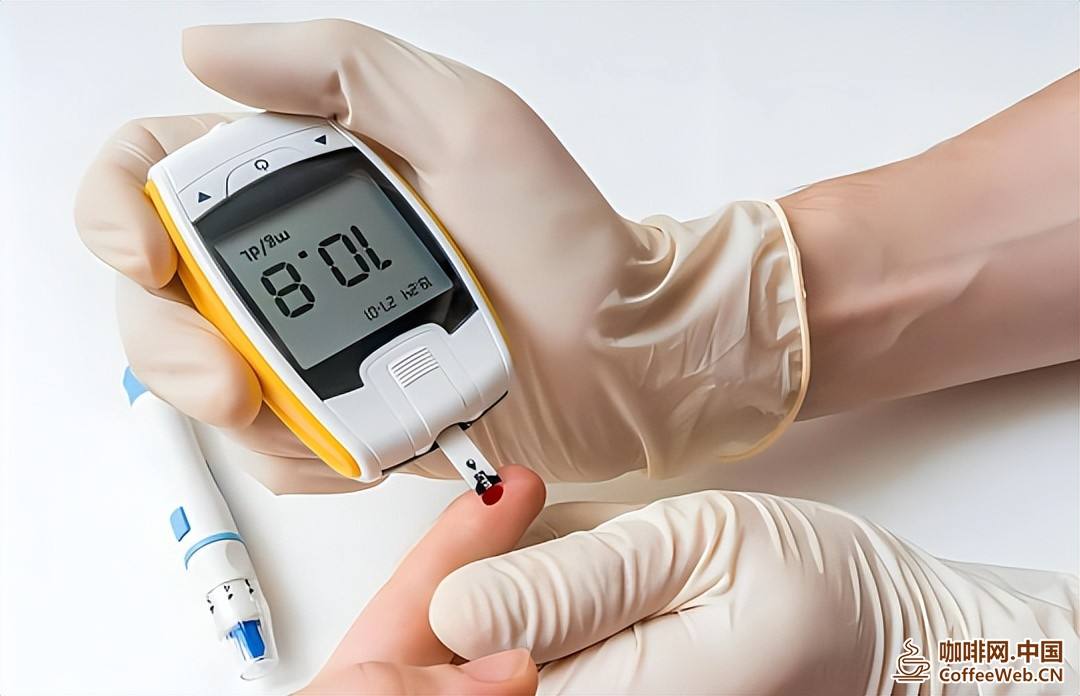
The data of metabolic benefits comes from another study: coffee intake is significantly negatively correlated with the risk of type 2 diabetes, and three to four cups a day can reduce the risk by about 25%.
The chlorogenic acid in coffee inhibits intestinal absorption of glucose and increases secretion of glucagon like peptide-1.
A cup of black coffee in the morning is equivalent to warming up the insulin signaling pathway. Mr. Zheng's weight increased by five kilograms during the two years he stopped drinking coffee. After drinking it again, his weight stabilized and his fasting blood sugar dropped from 6.3 to 5.9.
A comparative case that left a deep impression on me: two female patients of the same age both drank coffee. A pure black coffee, two cups every morning, with blood vessel status comparable to that of a forty year old at fifty.
Another cup with sugar and milk, drinking three in one instant drink, also two cups per day, 45 years old triglycerides 3.5, moderate fatty liver. Coffee is different from coffee, the difference lies not in caffeine, but in the spoonful of sugar and creamer added to the bowl.
Research has confirmed that sugary carbonated beverages such as cola are negatively correlated with healthy aging. Drinking a small cup of cola every day reduces the probability of healthy aging by 20% to 26%.
Another important aspect of drinking coffee is the brewing method. The study found that unfiltered coffee, such as French press pot and Türkiye pot, contained high concentrations of the diterpenoid compounds caffeinol and caffeinol.
These two substances can increase low-density lipoprotein cholesterol, and long-term excessive consumption can raise total cholesterol by eight milligrams per deciliter. After filtering through filter paper, more than 90% of these two diterpenoid substances were intercepted.
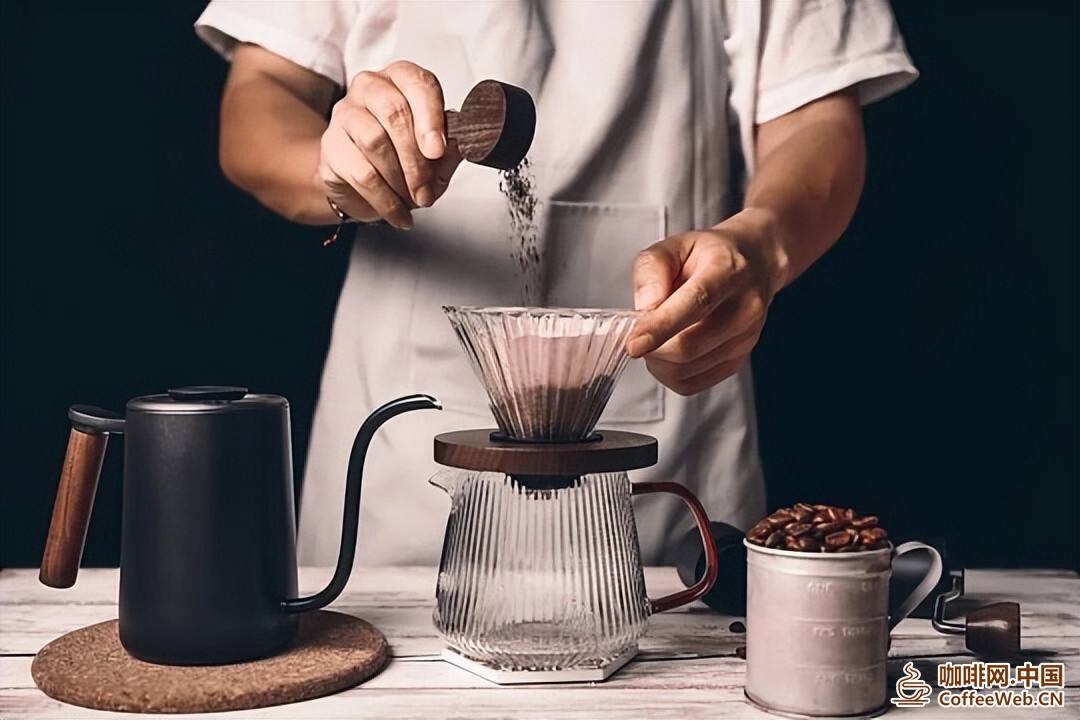
People who are worried about blood lipids should choose follicular type, not selective, but filter paper. After Mr. Zheng switched to hand brewed coffee, his low-density lipoprotein decreased from 3.6 to 3.0.
Mr. Zheng asked me, how much is the most suitable amount to drink every day? Data shows that the optimal range for all-cause mortality is three to four cups per day, corresponding to approximately 450 to 600 milliliters.
More than six cups, the protective effect no longer increases, and some people experience palpitations, anxiety, and sleep disorders.
Up to 400 milligrams of caffeine, approximately four cups. The safety window is wide, but no matter how wide it is, jumping out of the window will cause a fall. For most people, two to three cups are the sweet spot, as they can enjoy the protective effect without interfering with nighttime repairs.
Mr. Zheng finally found his rhythm: a cup of hand brewed tea in the morning, an American style cup in the afternoon, and switching to herbal tea after 2pm. After three months of follow-up, the blood pressure remained stable at 128 and 82, with much less fluctuation compared to drinking or not drinking during menopause.
He said he used to be so conflicted, but now having a cup of coffee every morning has become a ritual. The sense of ceremony is not just psychological comfort, it is the initiator of a day's metabolic rhythm.
He told me that he is no longer afraid of that cup of coffee, but rather afraid of the days after losing that cup of coffee. A moderate amount of coffee has few harms and many benefits, provided that you regard it as the supporting role of breakfast, rather than the protagonist of the whole day.
A 30-year cohort study on the relationship between coffee intake and healthy aging [J]. American Journal of Clinical Nutrition, 2025121 (6): 1189-1197
[2] Association analysis of coffee intake with sleep and cardiovascular risk in patients with type 2 diabetes and hypertension [J]. Biomedical Journal, 2025, 13 (8): 1875
A systematic review of the relationship between coffee consumption frequency and systemic cholesterol [J]. Arterial hypertension, 2025, 29:78-89
[4] Dose response relationship between intake of caffeinated beverages and risk of dementia [J]. Journal of the American Medical Association, 2026335 (6): 523-531
The content of this article is original and based on authoritative medical data combined with personal opinions. In order to facilitate reading and understanding, some of the storylines contain fictional elements, aiming to popularize health knowledge. If you feel unwell, please seek medical attention offline.
 Liaoning ICP Security No. 21122402000217