


At a Glance (China Coffee Network): CPPCC member Lin Lei suggests taking multiple measures to promote the sustained, healthy development of the coffee industry.
Baoshan’s exceptional natural conditions and high-level cultivation techniques and management experience have given its small-bean coffee a distinctive quality — rich but not bitter, aromatic but not harsh, with a fruity note — earning praise from experts and consumers at home and abroad. With the strong attention of the municipal Party committee and municipal government, after years of development Baoshan small-bean coffee, this “green gem,” not only shines on the world coffee map but has become a brilliant pearl representing Chinese coffee quality. Yet Baoshan small-bean coffee still faces the following problems:
-
Land resource constraints. Competition for land between coffee cultivation and vegetables, mangoes, citrus, dragon fruit, cigar tobacco and other crops is pronounced, and the cost of land transfer and consolidated operation keeps rising; natural resources, forestry and grassland, and agriculture and rural affairs departments define the same plots of land in conflicting ways, especially where the boundary between forest land and agricultural land in transition zones is hard to clarify, which restricts land development and use.
-
Weak infrastructure. Roads and water conservancy facilities at coffee bases lag behind, integrated water-and-fertilizer systems are insufficient, the convenience of picking and transporting fresh coffee cherries is limited, and the spread of new varieties meets considerable resistance.
-
Outdated processing and a low specialty rate. Fresh-cherry processing is mostly done by growers with scattered small equipment and small workshops, with weak capacity and hard quality control, making it difficult to produce specialty beans. Centralized processing, meanwhile, demands strong land guarantees, heavy investment and high environmental thresholds, deterring most companies and growers.
-
Fragmented branding and low recognition. The city’s many coffee operators each go their own way and operate independently, making it hard to form collective strength; although 18 companies currently use the “Baoshan Small-Bean Coffee” geographical indication certification trademark, the results of its use are unsatisfactory and a strong “Baoshan Small-Bean Coffee” brand image has yet to be truly established.
-
Sales channels remain too narrow. Companies rely mainly on offline stores and traditional e-commerce platforms, making too little use of emerging channels such as livestream selling and social commerce; marketing methods are traditional and lack differentiated, innovative approaches.
On this, my suggestions are:
1. Reshaping the value chain through technology
At the planting stage, intelligent monitoring and management should be the core, laying a quality foundation for processing; at the processing stage, value is added through water-saving technology, AI quality control, full-chain management and deep-processing innovation; on the consumption side, brand direct sourcing, quality traceability and channel empowerment feed back into upstream technical optimization, forming a “planting — processing — consumption” closed-loop upgrade. Technical standardization escapes the low-end trap, localizing flavor defines a new global taste paradigm, and full-chain digitalization ultimately delivers a quality leap, moving Baoshan, Yunnan from a “raw-material base” into an Eastern source of specialty coffee and reshaping the world’s discourse on coffee quality.
2. Building a gold-standard brand
Guide companies to actively pursue “three products and one standard” certification for pollution-free, green and organic coffee; guide the registrant of the “Baoshan Small-Bean Coffee” geographical indication certification trademark to strengthen standardized management and use of the mark and continuously protect the brand image of “Baoshan Small-Bean Coffee.” Promote the Baoshan small-bean coffee regional public brand and company product brands in multiple forms and dimensions to raise brand influence. Cultivate a group of coffee ambassadors, technical talents, e-commerce talents and modern agricultural workers, improve interest-linkage mechanisms, and help coffee growers, base workers, technicians and coffee service workers raise their incomes.
3. Advancing global layout
Baoshan coffee from Yunnan can be sold to 29 countries and reaches Europe in 15 days via China-Europe freight trains, with strong export performance; from January to April 2025, Chinese coffee transshipped through Rotterdam accounted for 35 percent of Europe's total, up 774 percent year on year, a historic peak.
Make good use of the Southeast Asian entrepot trade hub as a springboard for Chinese coffee entering Southeast Asia: in 2024 Vietnam took 13.04 percent of China's coffee exports, its core function being to reprocess Yunnan green beans and re-export them to Japan and South Korea, forming a “China — Vietnam — Japan and South Korea” chain.
In 1958, the “Lujiang No. 1” coffee bred by the Cotton Experiment Station was rated first grade on the London market and ranked among the world's best, earning Lujiangba the name “birthplace of Chinese coffee.” From 1960, Baoshan's sugar and coffee became famous at home and abroad and famous Yunnan products.
In 1993, coffee bred by the Provincial Cotton Science Research Institute (formerly the Provincial Longling Cotton Experiment Station) and cultivated at Lujiang Farm won the “Eureka” gold medal at the World Coffee Competition in Brussels, Belgium. Baoshan coffee was once renowned worldwide; we should make full use of this historical depth and these present advantages to pursue development on a global footing.
Column coordination: Zhang Juzheng
Author of this article:Lin Lei (the author is a member of the Baoshan Municipal CPPCC)
Duty second review:Zhang Juzheng
Duty final review: Zhang Yingying
Reprint Notice and Disclaimer
- This article was compiled and edited byCoffee Network coffeeyo.com; reprinted from Tencent News “Members’ Tea Salon | Lin Lei: Promoting Sustainable Development of the Coffee Industry.” The original copyright belongs to Tencent News and the original author. This reprint is solely for sharing information within the coffee industry and does not represent the position of this site; all data and views are as in the original. We thank the original author for the work and for sharing.
- Original article:Tencent News “Members’ Tea Salon | Lin Lei: Promoting Sustainable Development of the Coffee Industry”
- For matters involving content authorization, attribution, copyright or other issues, please contact this site promptly; we will verify and cooperate at the first opportunity. We also welcome coffee companies and industry media to exchange ideas and contribute articles.
- Coffee Network coffeeyo.com contact: Tel 400-0000-641 (+86-18288016826) Email 478203668@qq.com Address: Jinghong, Xishuangbanna, Yunnan Province
Related Reading
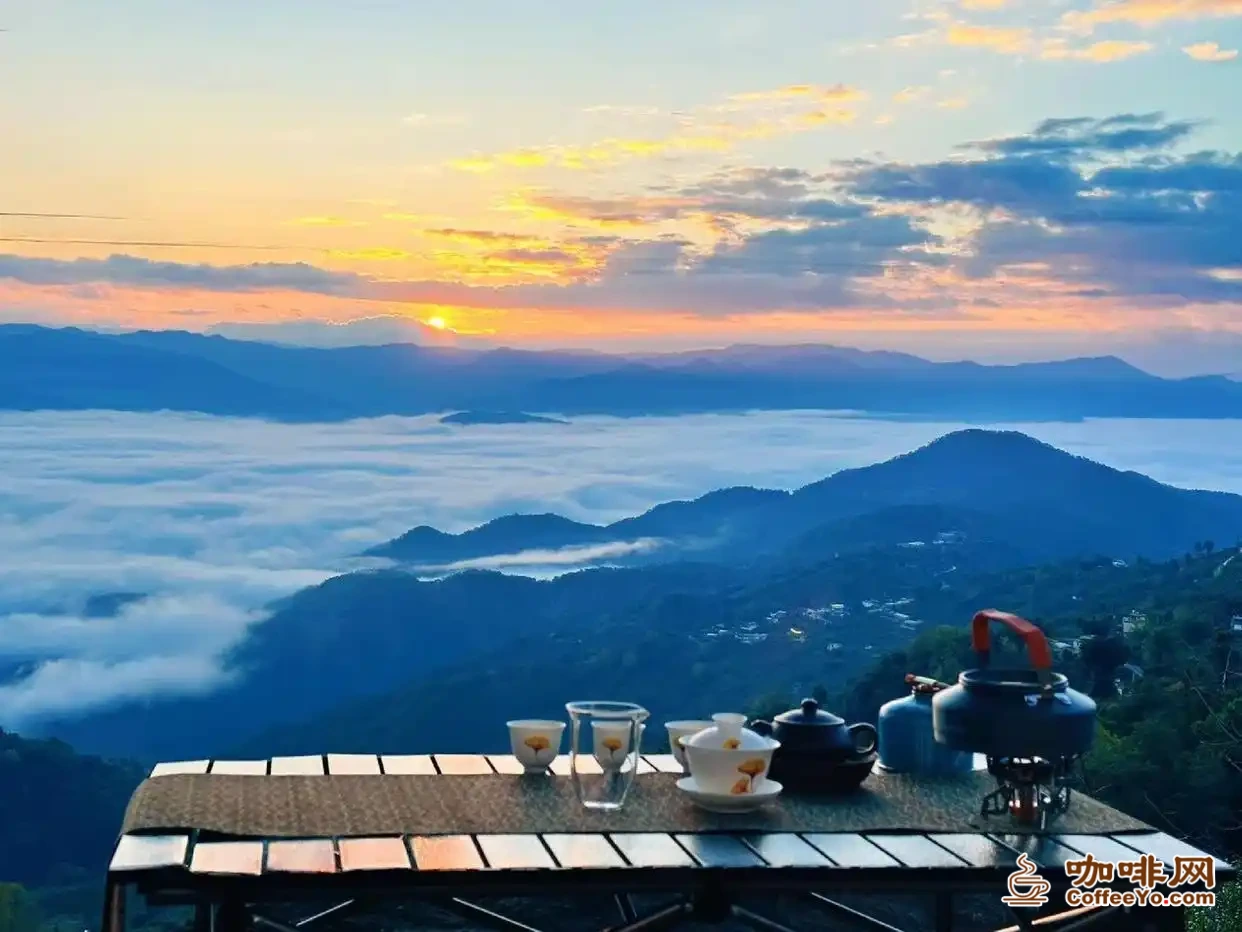 Lincang Advances Coffee Industry with Premium Development Strategy: Aroma of Coffee Fills the Path to Revitalization
- Lincang advances coffee industry with premium development approach: aroma of coffee fills the path to revitalization
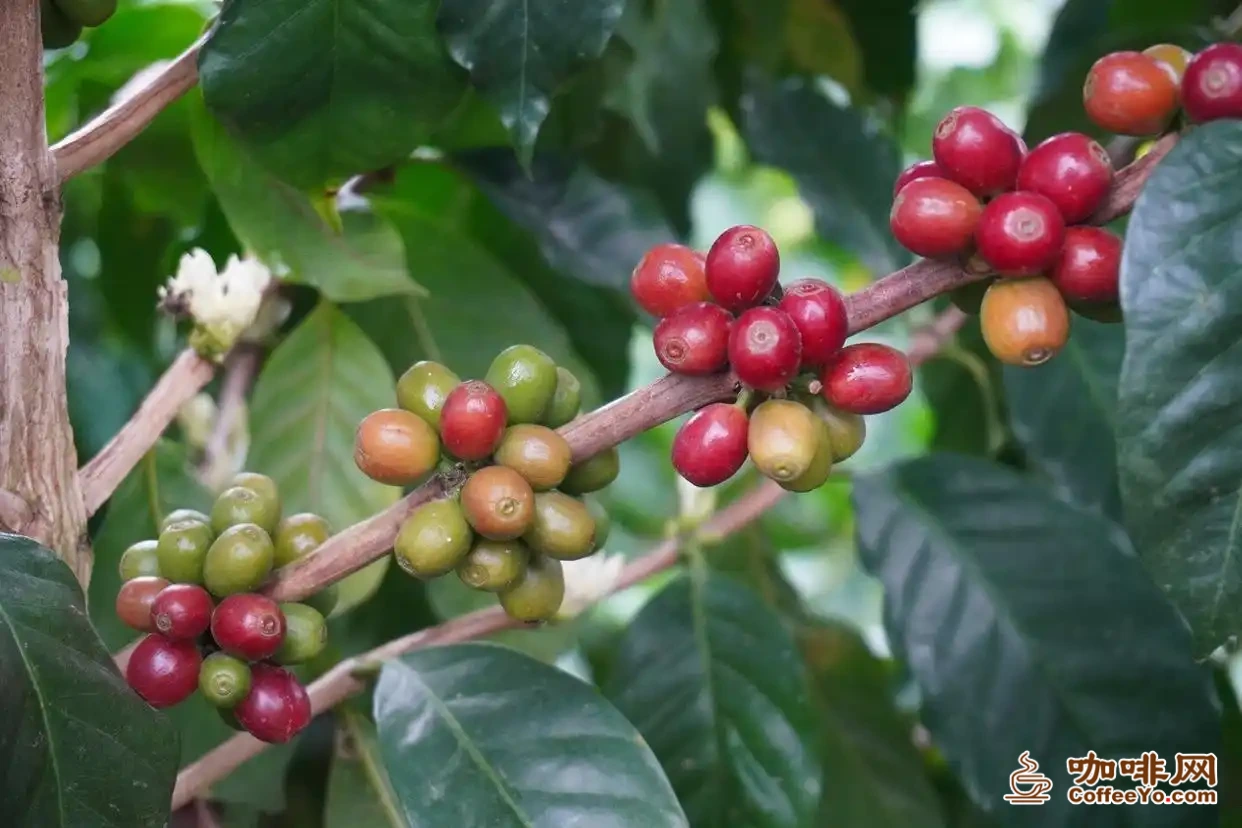 Yunnan Dehong Tropical Agriculture Research Institute promotes shift from conservation to utilization of coffee germplasm resources
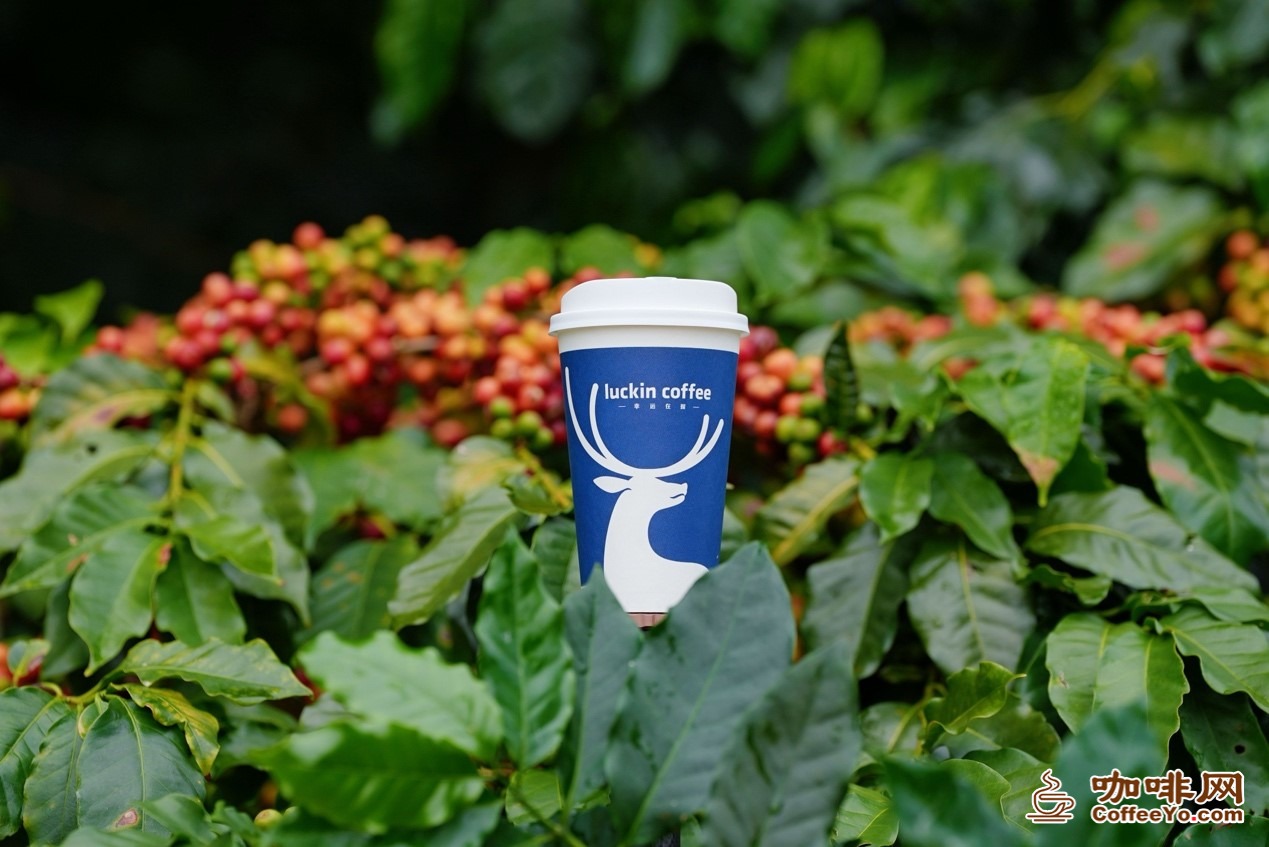 Tracing Baoshan's 72-Hour Journey: Following Luckin to Discover the Origins of Good Chinese Coffee
 Yunnan Ruili: Technology boosts coffee industry quality and efficiency
 Coffee experts from multiple countries praise Yunnan Dehong: The coffee industry has enormous potential for development


 Liaoning ICP Security No. 21122402000217