


At a Glance (China Coffee Network):Cqnews / 1st Eye TV (Chief Reporter Cao Yu, Intern Yan Xuepei): Recently, a batch of green coffee beans produced in Ethiopia traveled across mountains and seas to Chongqing, and.
Cqnews / 1st Eye TV (Chief Reporter Cao Yu, Intern Yan Xuepei): Recently, a batch of green coffee beans produced in Ethiopia traveled across mountains and seas to Chongqing, and after fine roasting and processing, cleared customs smoothly and was shipped to Hong Kong, China. This is Chongqing’s first self-operated export of roasted coffee beans, marking an extension of Chongqing’s coffee trade industrial chain from raw material import to finished product export, and a key step for the Mountain City’s coffee industry on the road to internationalization.
Ren Shujun, head of Yegu Coffee (Chongqing) Co., Ltd., explained that, drawing on industrial advantages built over many years of deep engagement in Africa, the company changed the traditional model in which the industry relied on intermediaries for procurement and could hardly control raw material quality throughout the process. It set up a quality control center in Addis Ababa, the capital of Ethiopia, formed a resident bean-sourcing team, established its own coffee estates, and built long-term cooperative relationships with local core producing areas, opening up direct raw material procurement channels and controlling quality from the source.
From the African origin directly to the Chongqing factory, each green bean releases a mellow aroma as it tumbles in the rotating roaster, completing the transformation from raw material to finished product. Previously, the company’s roasted coffee bean products were mainly aimed at the domestic market. For this first attempt at export, facing brand-new challenges from processing to customs clearance and from standards to markets, the enterprise was both hopeful and apprehensive. After Lianglu Cuntan Customs under Chongqing Customs learned of the company’s export intention, it took the initiative to step forward and follow up throughout, implementing targeted measures centered on “what the enterprise lacks and what customs can help with”, and tailor-making a “one factory, one product, one policy” assistance plan – from the production workshop to the testing laboratory, and from regulatory interpretation to customs clearance procedures, guiding the company item by item to clear the “last mile” of exports.
“Since we had never conducted export business, at first we were not confident. Customs explained Hong Kong’s relevant regulations and export precautions to us item by item and thoroughly, which gave us the confidence to export,” Ren Shujun said with emotion. “Next, we will expand the range of imported products and our sales network to form an industrial model of ‘Ethiopian raw materials, Chongqing processing, global sales’.”
Hong Kong is one of the most important export markets for coffee and coffee products from the Chinese mainland. The successful export of Chongqing’s first batch of roasted coffee beans to Hong Kong, China is another pragmatic achievement in economic and trade exchanges between Chongqing and Hong Kong.
A relevant official from Lianglu Cuntan Customs said that next, customs will continue to escort enterprises along the path of branding and premium quality, track changes in overseas market technical standards and tariff policies in real time, and deliver cutting-edge information to enterprises at the earliest opportunity, helping Chongqing’s coffee industry extend its aroma to a broader international market.
From plantations in Ethiopia to roasting factories in Chongqing and then to the consumer market in Hong Kong, China – a single coffee bean links an industrial chain spanning Africa, China’s inland regions, and the Guangdong-Hong Kong-Macao Greater Bay Area. It is also a vivid footnote to customs serving high-level opening up and helping enterprises integrate into the new development pattern of domestic and international dual circulation. (Author: Hualong Net)
Reprint Notice & Disclaimer
- This article has been edited and compiled by China Coffee Network. The information and images therein come from public sources and the copyright belongs to the original author. This reprint is intended solely for information sharing within the coffee industry and does not represent the views of this website; all data and opinions are subject to the original article. Our thanks to the original author for creating and sharing it.
- For matters concerning content licensing, attribution, copyright or otherwise, please contact us promptly and we will verify and cooperate in handling them as soon as possible. We also welcome coffee origins, brands and industry media to exchange ideas and contribute articles.
- Contact China Coffee Network: Tel 400-0000-641 (+86-18288016826) | Email 478203668@qq.com
Related Reading
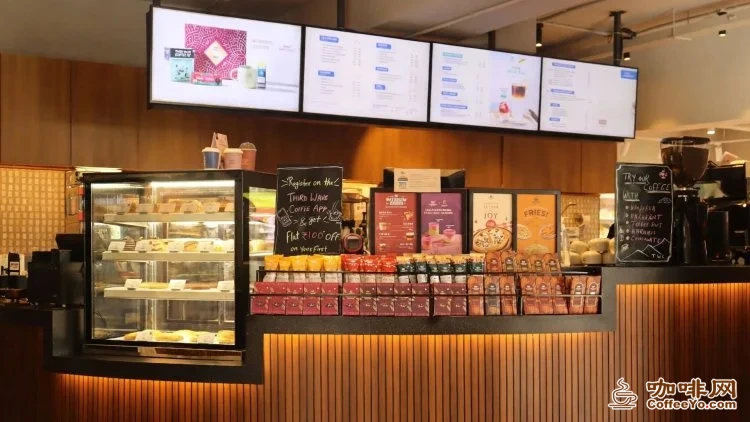 Indian Brand Third Wave Coffee Reaches 275 Stores, Opens First Uttarakhand Cafe
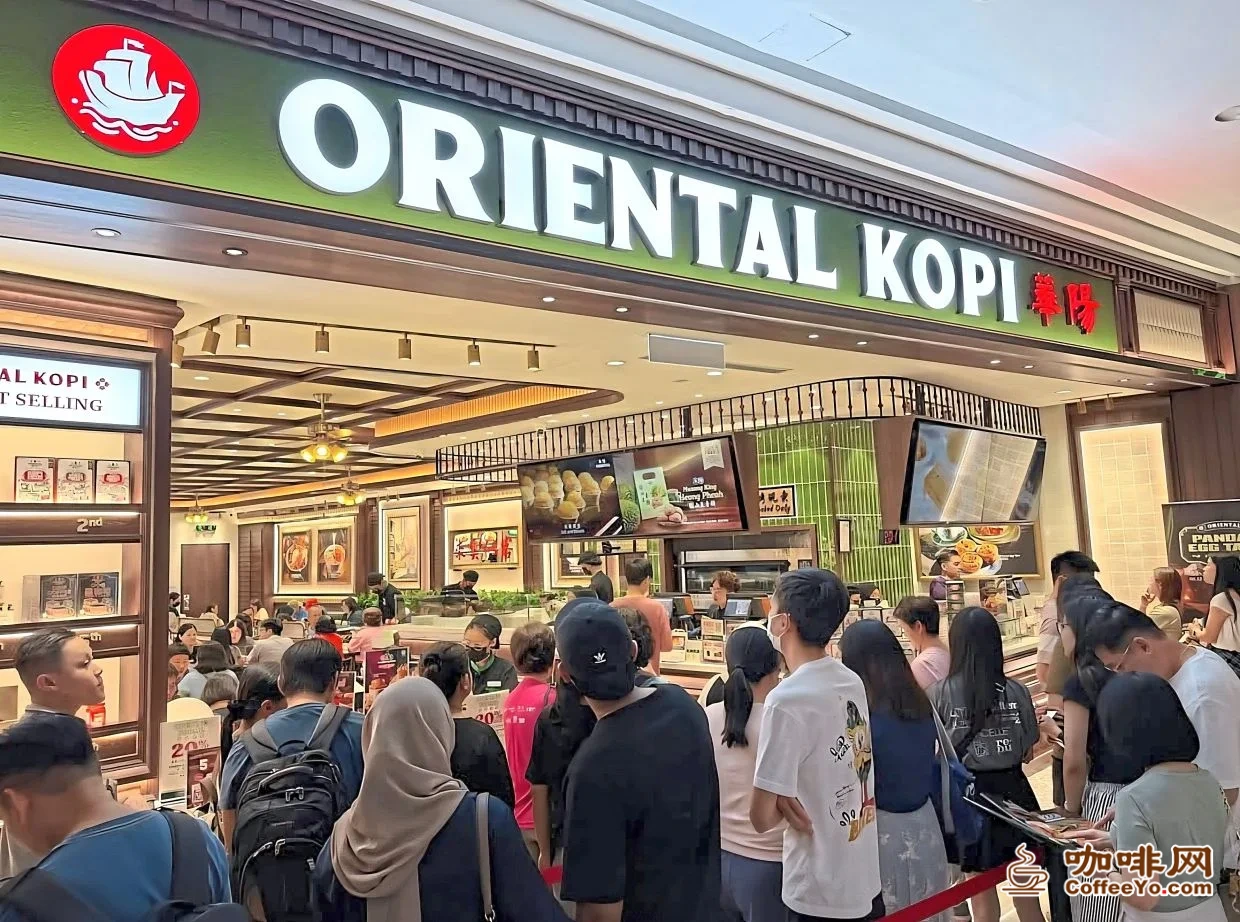 Malaysian Coffee Chain Oriental Kopi Expands into Cambodia
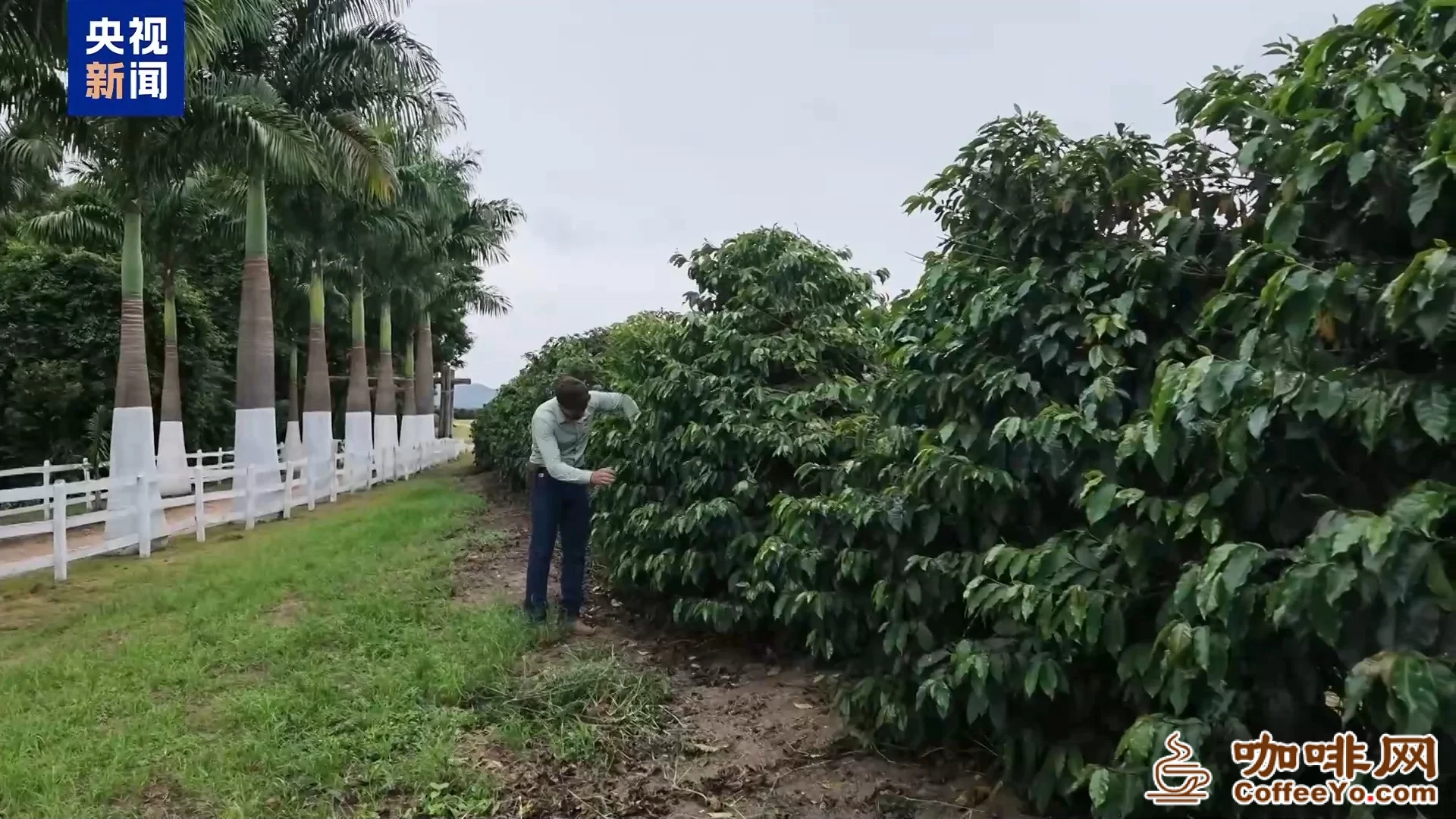 El Nino Disrupts Brazil’s Coffee Belt, Pointing to a Smaller 2027 Crop
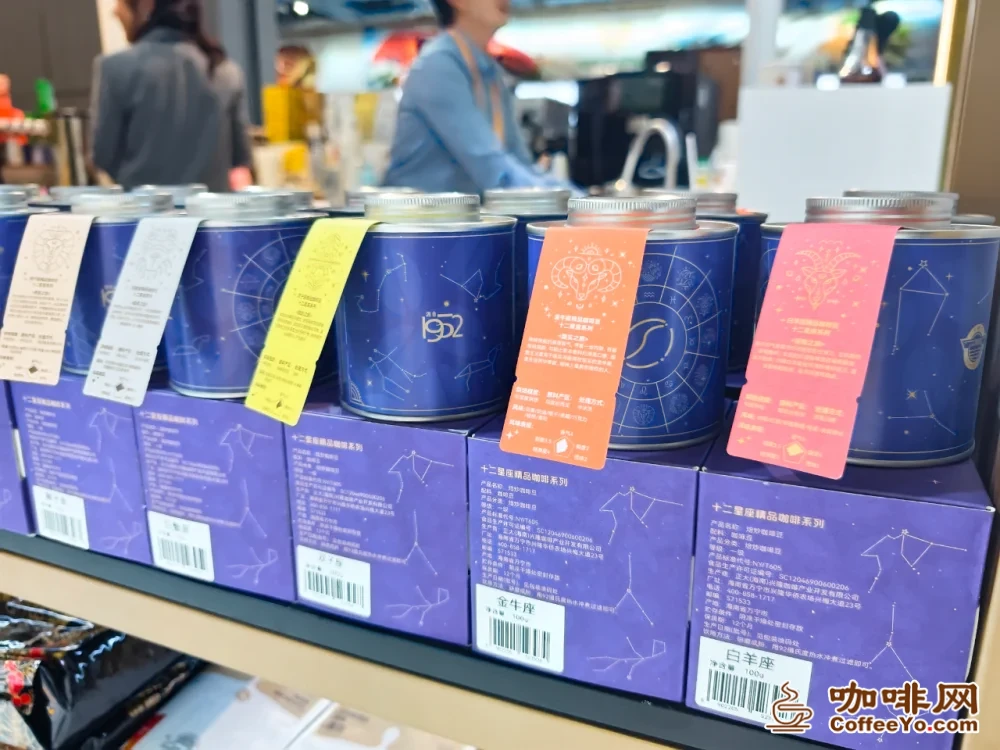 China-Africa Coffee Trade Gathers Momentum
 COTTI Coffee Teams Up with Ethiopia’s Bunga University to Deepen Global Origin Cooperation
 Vietnam Coffee Exports: Volume Up 15.4%, Value Down 7.3% in First 9 Months


 Liaoning ICP Security No. 21122402000217