
Brief (coffeeyo.com): From terroir to brand, Yunnan coffee—98% of China’s output—has transformed from raw-material export into a mellow “Green Yunnan” business card reaching cafés nationwide.

On the golden coffee belt at 25°N, red coffee cherries hang heavy across the mountains of Yunnan. As an important category of “Green Yunnan Products,” Yunnan coffee has journeyed from deep-mountain estates to cafés across the country.
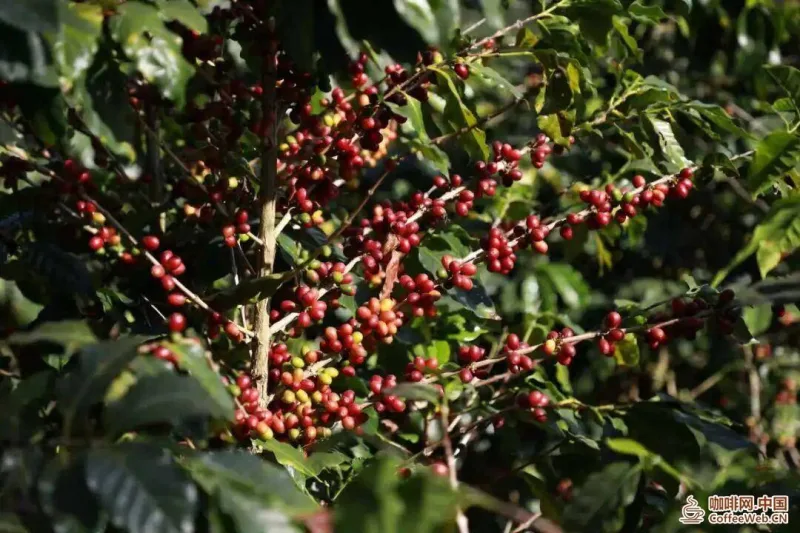
A single coffee cherry carries the gifts of terroir, ecological cultivation, and the perseverance of coffee farmers. Today, step into Baoshan, Pu’er, Lincang and other producing regions to understand this cup of mellow aroma that belongs to China.
Between the Lujiangba area of Baoshan, the banks of the Nandao River in Pu’er, and the mountains of Lincang, a coffee-growing belt belonging to China quietly unfolds. Yunnan’s coffee planting area and output account for over 98% of the national total. Baoshan small-grain coffee, as a regional public brand, together with enterprise brands such as Zhongka, Biton, Aini Manor, Xiaowaizi, and Xinzhai—selected into the Green Yunnan Products brand catalog—jointly writes the growth story of China’s specialty coffee.
What gives Yunnan coffee its unique confidence?
It comes from the blessed plateau terroir. Low latitude, high altitude, large day-night temperature swings, and fertile volcanic red soil together create the unique flavor of Yunnan small-grain coffee: “strong but not bitter, aromatic but not harsh, with a slight fruity acidity.”
Unlike the model of clearing forests to open land, Yunnan vigorously promotes a “coffee + shade trees” rainforest-symbiosis model, with interplanted nuts, rubber, and arbors alongside coffee trees in a three-dimensional system, reducing pesticide and fertilizer use. While protecting biodiversity, it lets the coffee beans slowly accumulate rich aromatic compounds—this is precisely the ecological cultivation core advocated by Green Yunnan Products.
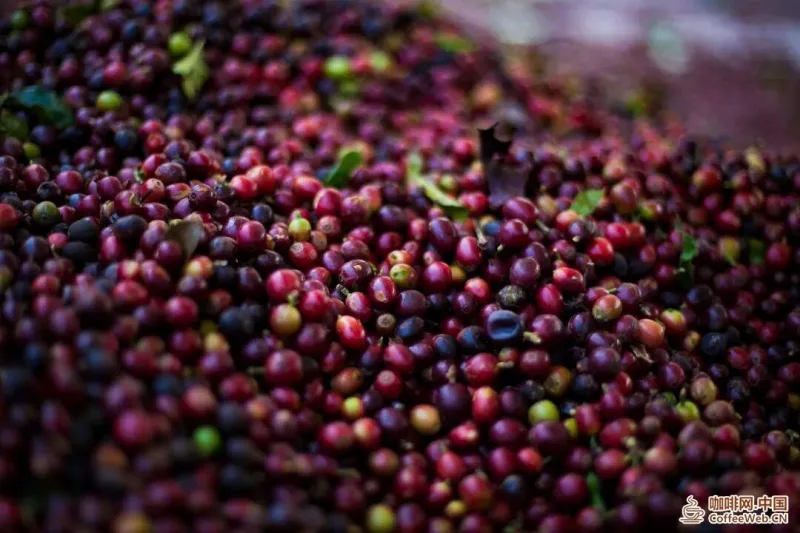
From introduction and rooting to the rise of specialty coffee, Yunnan coffee has traveled a long road of transformation. In the past, Yunnan coffee was mostly exported as raw material; today the producing regions are honing their internal strength, advancing breeding improvement, standardized base construction, and on-site fresh-fruit processing in parallel.
Baoshan small-grain coffee was included in the China–EU geographical-indication mutual-recognition list and entered the Ministry of Foreign Affairs’ gift library; Pu’er’s Aini Manor adheres to the rainforest-symbiosis cultivation philosophy; Xiaowaizi Coffee Manor deeply cultivates fine processing craft; Xinzhai Village, the “First Coffee Village of China,” relies on variety upgrades and contract farming to let coffee farmers share the industry’s dividends in real terms.
From the perspective of Green Yunnan Products, Yunnan coffee is not just a beverage, but the story of a group of strivers. In one coffee manor after another are old coffee farmers who have persisted for decades, new farmers who have returned home, and researchers deeply engaged in technology. They improve varieties and polish processing craft, exploring honey processing, anaerobic fermentation, and other fine-processing methods; they build order-based purchase mechanisms, implement “better quality, better price,” and stabilize farmers’ sales channels.
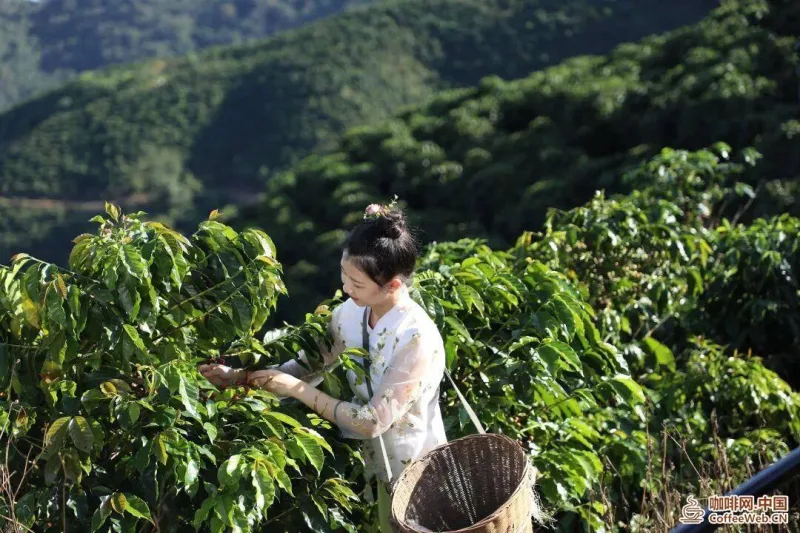
The industry covers over 200,000 farming households across the province; nearly one million practitioners earn income from coffee. Land rents, wages, and product dividends—multiple channels broaden mountain residents’ paths to higher income, and the little coffee bean becomes the “golden bean” of rural revitalization.
It’s not just about being able to grow it, but also about getting it out. Relying on the converged-media matrix jointly built by Farmers’ Daily and Yunnan’s Green Yunnan Products, Yunnan coffee is breaking regional barriers. Online, short videos popularizing coffee knowledge, manor visits, and cupping experiences are entering the public eye, answering consumers’ questions of “what’s good about Yunnan coffee and how to choose,” helping more consumers learn to distinguish and appreciate domestic specialty coffee. Offline, the China–South Asia Expo and coffee industry expos take turns on stage; the Shanghai–Yunnan collaboration builds a “Shanghai market + Yunnan resources” production-sales bridge, bringing Yunnan coffee into the streets and alleys of Yangtze River Delta cities.
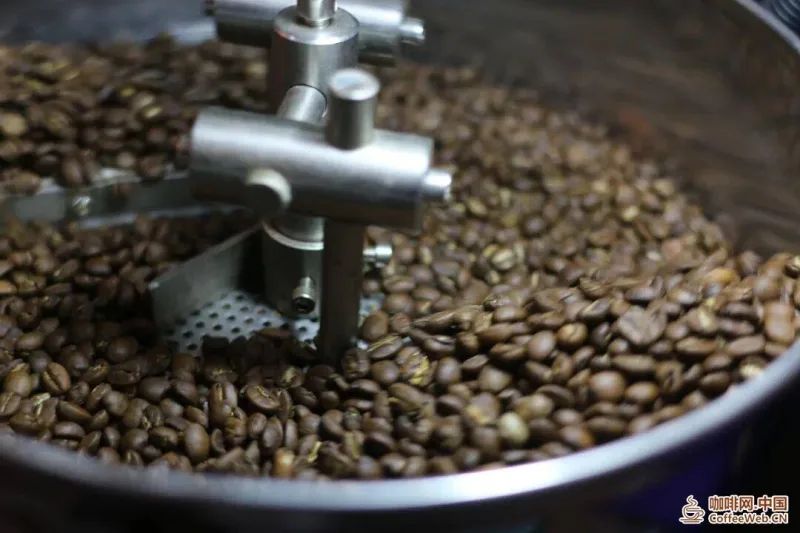
From drip bags and freeze-dried coffee to estate beans, product forms keep enriching; new business forms such as manor cultural tourism, coffee experiences, and distinctive coffee cuisine are emerging. “Village cafés” have become a new highlight of rural cultural tourism, and the coffee industry achieves deep integration of “primary, secondary, and tertiary” industries.
A cup of Yunnan coffee connects mountains and cities, ecology and consumption. It is a product nurtured by plateau soil and water, the fruit of green standardized cultivation, and the hope condensed from the sweat of countless coffee farmers. As a highly representative characteristic category within the Green Yunnan Products matrix, Yunnan coffee is completing its magnificent transformation from raw-material export to brand export, handing the world a mellow business card from Yunnan, China.
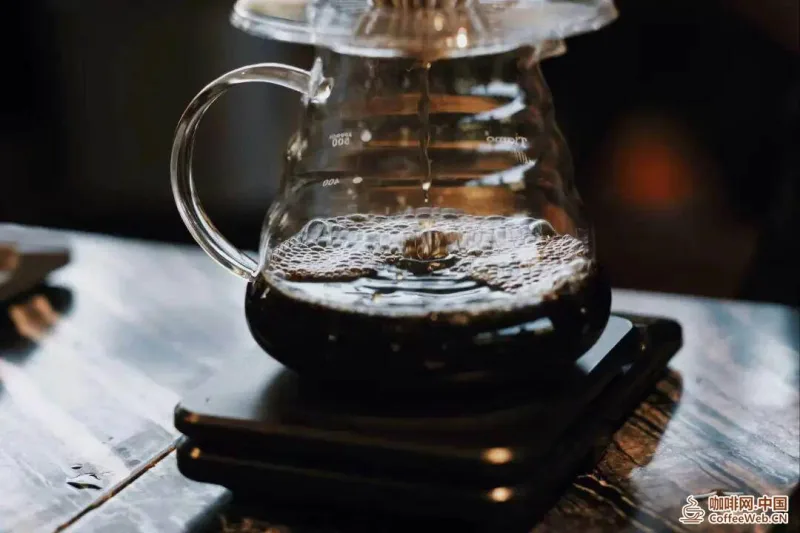
“There is a kind of life called Yunnan”—it is not only in the mountains and seas, but also hidden in a steaming cup of coffee. Red cherries set out from the mountains of Yunnan, crossing mountains and seas to reach thousands of households. This is the power of Green Yunnan Products.
Authors: Farmers’ Daily all-media reporters Gao Jinliang and Miao Yi. Source: Farmers’ Daily.
Reprint Note & Disclaimer
- This article is reprinted from Chinese media for information and cultural exchange. The views expressed are those of the original author and do not necessarily reflect the position of coffeeyo.com.
- All trademarks, brand names and logos mentioned belong to their respective owners.
- For cooperation, reprint or correction requests, please contact coffeeyo.com.
Reprint Notice & Disclaimer
- This article has been edited and compiled by China Coffee Network. The information and images therein come from public sources and the copyright belongs to the original author. This reprint is intended solely for information sharing within the coffee industry and does not represent the views of this website; all data and opinions are subject to the original article. Our thanks to the original author for creating and sharing it.
- For matters concerning content licensing, attribution, copyright or otherwise, please contact us promptly and we will verify and cooperate in handling them as soon as possible. We also welcome coffee origins, brands and industry media to exchange ideas and contribute articles.
- Contact China Coffee Network: Tel 400-0000-641 (+86-18288016826) | Email 405854472@qq.com | Address: Jinghong, Xishuangbanna, Yunnan Province / Tieling, Liaoning Province
Related Reading
 Three Decades of Shanghai-Yunnan Collaboration: A Coffee Bean ‘Ferments’ at the Import Expo
 Why Yongde’s Coffee Beans Won Gold in Shanghai – A Taste of ‘Life in Yunnan: 365 Days’
- Yunling Commentary: Yunnan Coffee Turnaround Hinges on Autonomous Pricing
 A ‘Travel Pack’ Reveals Another Possibility for Pu’er Baristas
- Bean in Short Supply: A Taiwan Youth on Yunnan Coffee as a Shared Cross-Strait Stage
- Five Years, Eight Championships: Lincang Coffee Joins the World Stage







 Liaoning ICP Security No. 21122402000217